 Indietro
DNA Repair Pathways and Their Role in Genetics and Disease
Guida di studio - Note intelligenti
 Appunti personalizzati basati sui tuoi materiali, ampliati con definizioni chiave, esempi e contesto.
DNA Damage and Its Consequences
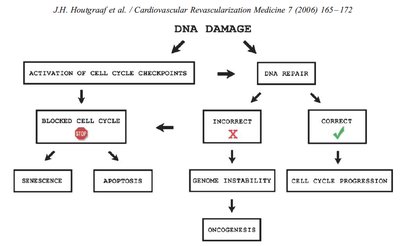
Overview of DNA Damage
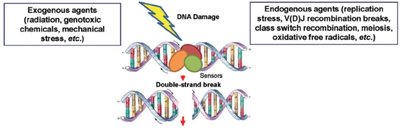
DNA damage can arise from various sources, including environmental factors (such as UV radiation and chemicals) and endogenous cellular processes (like replication errors). If not properly repaired, DNA damage can lead to mutations, genome instability, and diseases such as cancer.
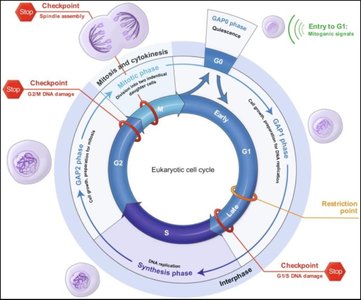
Activation of Cell Cycle Checkpoints: Damaged DNA triggers checkpoints that halt cell cycle progression to allow repair.
Outcomes: If repair fails, cells may undergo senescence or apoptosis; incorrect repair can lead to oncogenesis.
Mechanisms of DNA Repair
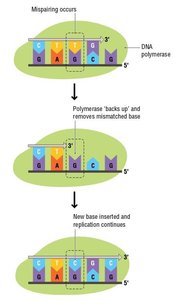
DNA Proofreading by DNA Polymerase
During DNA replication, DNA polymerase enzymes possess proofreading abilities to correct errors.
5’ to 3’ Synthesis: DNA polymerase synthesizes new DNA strands in this direction.
Exonuclease Activity: The enzyme can remove mismatched bases using its 3’ to 5’ exonuclease function.
Correct Pairing: DNA polymerase checks the distance between nucleotides to ensure proper base pairing.
Mismatch Repair (MMR)
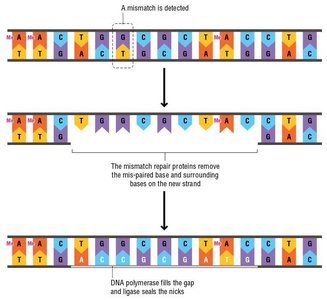
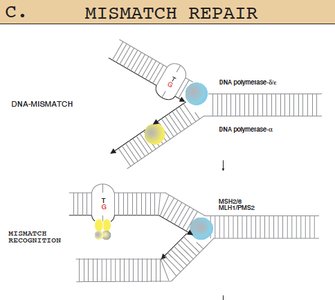
Mismatch repair corrects errors missed by DNA polymerase during replication.
Recognition: MSH proteins detect mismatched bases.
Removal: Exonuclease or endonuclease removes the incorrect nucleotides.
Replacement: DNA polymerase fills in the correct nucleotide, and ligase seals the gap.
Nucleotide Excision Repair (NER)
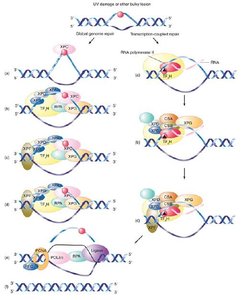
NER is essential for repairing bulky DNA lesions, such as those caused by UV-induced thymine dimers.
Global Genome Repair: Repairs lesions throughout the genome.
Transcription-Coupled Repair: Targets lesions in actively transcribed genes.
Steps:
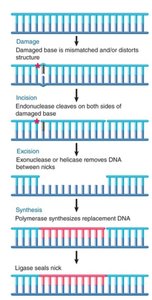
Lesion-sensing complex (XPC protein) recognizes DNA mismatch.
DNA unwinding by XPB & XPD proteins.
Excision of damaged bases by XPG & XPF proteins (removes 25-30 bp).
DNA polymerase fills in missing nucleotides.
DNA ligase recreates the phosphodiester bond.
Base Excision Repair (BER)
BER corrects small, non-bulky lesions caused by chemical or radiation damage.
Recognition: Glycosylases identify and excise damaged bases.
Incision: APE1 endonuclease cuts the DNA backbone.
Replacement: DNA polymerase incorporates the correct nucleotide.
Sealing: Ligase seals the gap.
Double Strand Break Repair
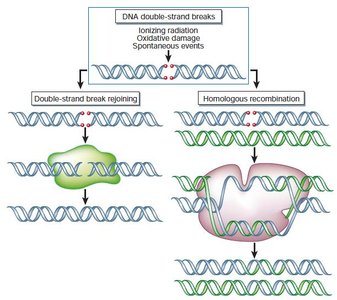
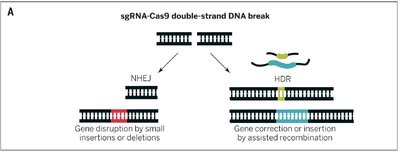
Double-stranded DNA breaks are severe lesions that can lead to cell cycle arrest or apoptosis if not repaired.
Non-Homologous End Joining (NHEJ): Reconnects DNA ends without a template, often causing mutations.
Homology Directed Repair (HDR): Uses a homologous template for accurate repair.
Genetic Disorders Associated with DNA Repair Defects
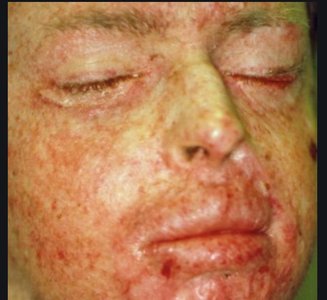
Xeroderma Pigmentosum (XP)
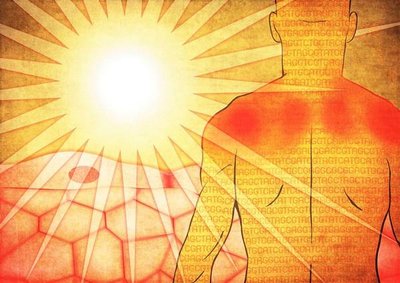
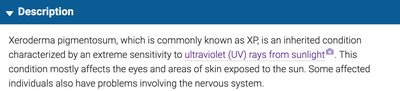
Definition: XP is a rare autosomal recessive disorder characterized by extreme sensitivity to UV rays due to defective NER.
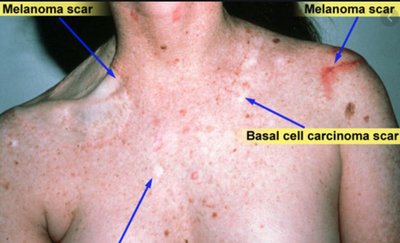
Symptoms: Increased risk of skin cancers, neurological issues, and severe sun sensitivity.
Genetics: Caused by mutations in at least eight genes, most commonly XPC, ERCC2, or POLH.
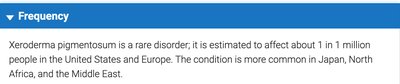
Frequency: Occurs in about 1 in 1 million individuals in the US and Europe; more common in Japan, North Africa, and the Middle East.

Li-Fraumeni Syndrome
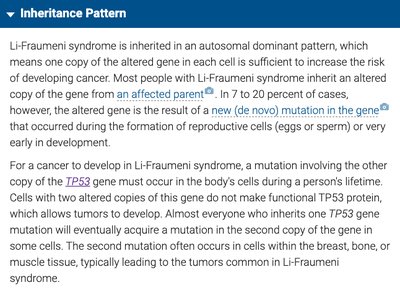
Definition: Li-Fraumeni syndrome is a rare autosomal dominant disorder that greatly increases cancer risk, especially in children and young adults.
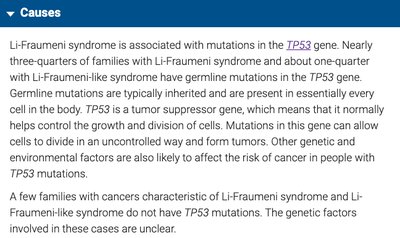
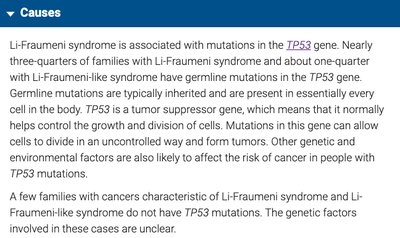
Genetics: Associated with mutations in the TP53 gene, which encodes the p53 tumor suppressor protein.
Frequency: Occurs in 1 in 5,000 to 1 in 20,000 people worldwide.
Inheritance: One copy of the altered gene is sufficient; some cases arise from de novo mutations.

Role of p53 Protein in Cancer Genetics
p53 Tumor Suppressor Function
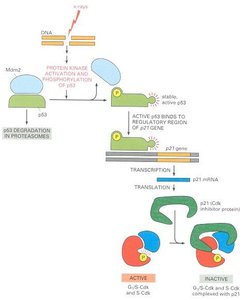
The p53 protein is crucial for maintaining genomic stability by regulating the cell cycle and inducing apoptosis in response to DNA damage.
Activation: DNA damage activates p53, which leads to cell cycle arrest or apoptosis.
Mutations: Loss of p53 function allows cells to proliferate uncontrollably, leading to tumor formation.
Summary Table: DNA Repair Pathways
Repair Pathway | Main Function | Key Proteins/Enzymes | Associated Disorders |
|---|---|---|---|
Proofreading | Corrects replication errors | DNA Polymerase | None |
Mismatch Repair (MMR) | Fixes mismatched bases | MSH proteins, exonuclease | Colorectal cancer (if defective) |
Nucleotide Excision Repair (NER) | Removes bulky lesions (e.g., UV damage) | XPC, XPB, XPD, XPG, XPF | Xeroderma Pigmentosum |
Base Excision Repair (BER) | Removes small, non-bulky lesions | Glycosylases, APE1, DNA Polymerase, Ligase | None |
Double Strand Break Repair | Repairs double-stranded breaks | NHEJ, HDR proteins | Li-Fraumeni syndrome (if p53 defective) |
Key Takeaways
DNA repair mechanisms are essential for maintaining genetic stability and preventing disease.
Defects in repair pathways can lead to severe genetic disorders and increase cancer risk.
Understanding these pathways is fundamental for genetics, molecular biology, and medical research.
