 Indietro
Extensions and Modifications of Mendel’s Laws: Advanced Patterns of Inheritance
Guida di studio - Note intelligenti
 Appunti personalizzati basati sui tuoi materiali, ampliati con definizioni chiave, esempi e contesto.
Extensions and Modifications of Mendel’s Laws
Introduction to Non-Mendelian Inheritance
Mendelian genetics provides foundational principles for predicting the outcomes of genetic crosses, based on segregation and independent assortment. However, many traits do not follow simple Mendelian ratios due to various genetic and environmental factors. This chapter explores the complexities and exceptions to Mendel’s laws, including dominance variations, gene interactions, environmental effects, and sex linkage.
Patterns of Phenotypes Diverging from Mendelian Predictions
Causes of Non-Mendelian Ratios
Non-simple Dominance Relationships: Alleles may not exhibit strict dominant/recessive interactions.
Environmental Influence: Phenotype can be affected by environmental conditions.
Polygenic Traits: More than one gene may control a single trait.
Multiple Alleles: More than two alleles may exist for a gene.
Gene Linkage: Genes located on the same chromosome may not assort independently.
Lethal Alleles: Some alleles can cause death when present in certain genotypes.
Sex-Influenced or Sex-Limited Traits: Expression depends on the sex of the individual.
Gene Redundancy: Multiple genes may compensate for each other’s function.
Phenotypic Dominance and Its Biochemical Basis
Genetic Definition of Dominance
Dominance occurs when an allele expresses its phenotype in the heterozygous condition. For example, if T is dominant for tallness in pea plants:
TT = Tall
Tt = Tall
tt = Short
Here, T is dominant to t. If the short phenotype appears in heterozygotes, then t would be dominant.
Biochemical Explanation for Dominance
Dominance often arises from the function of enzymes in biosynthetic pathways. Typically, the dominant allele encodes a functional enzyme, while the recessive allele encodes a non-functional one. Most biochemical reactions are limited by substrate, not enzyme, so one functional allele is sufficient for a normal phenotype.

Intermediate Phenotypes and Incomplete Dominance
Incomplete Dominance
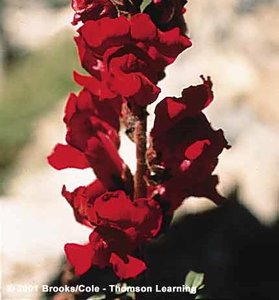
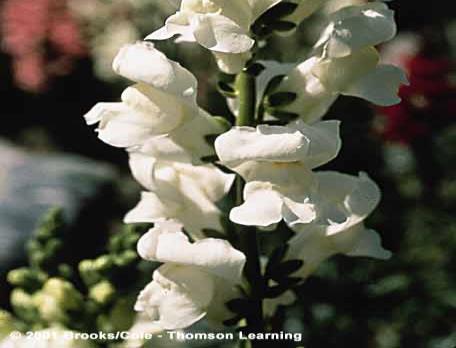
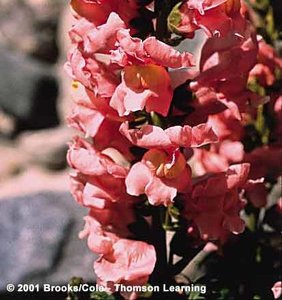
When neither allele is completely dominant, the heterozygote displays an intermediate phenotype. For example, in flower color:
CC = Red
Cc = Pink
cc = White
The F2 generation shows a 1:2:1 ratio of phenotypes, matching the genotype ratio. This is known as incomplete dominance.
Allelic Series and Partial Function
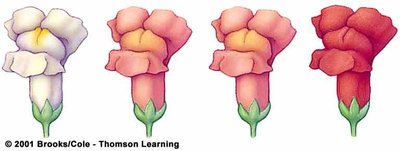
Some genes have multiple alleles with varying levels of function, producing a range of phenotypes. For example, flower color alleles may produce red, dark pink, light pink, or white flowers depending on enzyme activity levels.
Environmental Effects on Phenotype
Examples of Environmental Influence
Arctic Fox: Changes coat color seasonally (brown in summer, white in winter).
Phenylketonuria (PKU): Individuals with PKU can avoid symptoms with a phenylalanine-free diet.
These examples illustrate how the environment can modify genetic expression.
Penetrance and Expressivity
Definitions
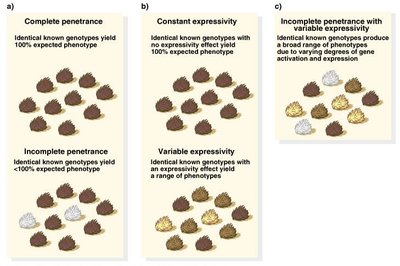
Penetrance: The proportion of individuals with a particular genotype who actually express the expected phenotype.
Expressivity: The degree to which a genotype is expressed in an individual.
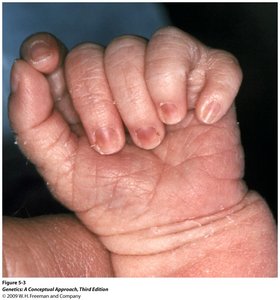
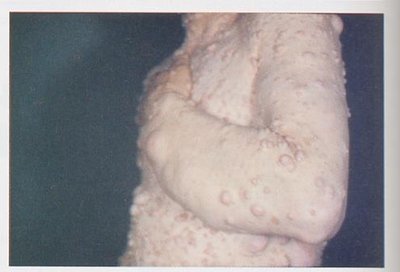
Some dominant disorders, such as polydactyly, show incomplete penetrance and variable expressivity.
Multiple Alleles and Codominance: The ABO Blood Group System
Genetics of Blood Types
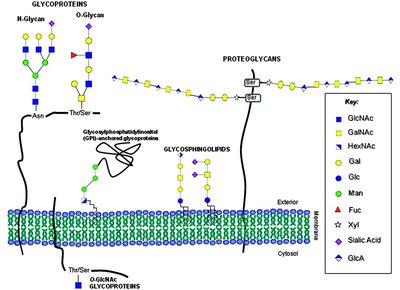
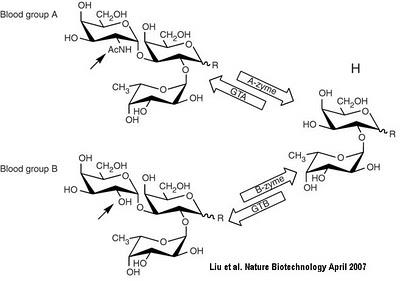
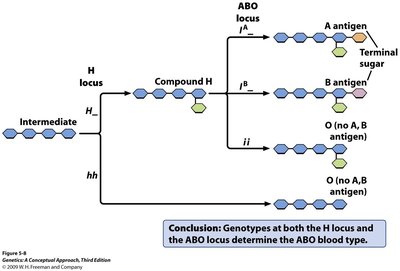
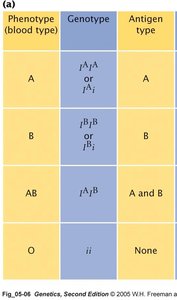
The ABO blood group is determined by multiple alleles at a single gene locus. The IA and IB alleles are codominant, while i is recessive. The presence of both IA and IB in a heterozygote results in both A and B antigens on red blood cells.
Blood Transfusion Compatibility
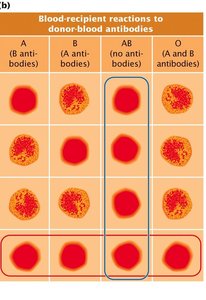
Transfusion reactions occur when donor blood antigens are recognized as foreign by the recipient’s immune system. Type O is the universal donor, and type AB is the universal recipient.
Lethal Alleles
Yellow Mice Example
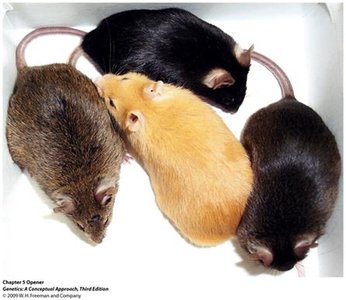
Some alleles are lethal when homozygous, altering expected Mendelian ratios. In yellow mice, crossing two yellow individuals yields a 2:1 ratio of yellow to gray offspring, as the homozygous yellow genotype is lethal.
Gene Interactions: Epistasis
Types of Epistasis
Recessive Epistasis: A recessive allele at one gene masks the expression of another gene (e.g., Labrador retriever coat color).
Dominant Epistasis: A dominant allele at one gene masks the expression of another gene (e.g., summer squash color).
Duplicate Recessive Epistasis: Recessive alleles at either of two genes can mask the phenotype (e.g., sweet pea flower color).
Duplicate Dominant Epistasis: Dominant alleles at either of two genes produce the same phenotype.
Epistasis modifies the expected Mendelian ratios in dihybrid crosses.
Overdominance and Heterozygote Advantage
Sickle Cell Anemia Example
Overdominance occurs when the heterozygote has a phenotype more advantageous than either homozygote. In sickle cell anemia, heterozygotes (HbA HbS) are resistant to malaria and do not suffer from sickle cell disease, providing a selective advantage in malaria-endemic regions.
HbA HbA: Normal, not malaria-resistant
HbA HbS: Unaffected, malaria-resistant
HbS HbS: Sickle cell disease
Mechanisms for overdominance include disease resistance, homodimer formation, and extended metabolic function.
Sex-Influenced and Sex-Limited Traits
Pattern Baldness Example
Sex-influenced traits are controlled by autosomal genes but expressed differently in males and females. For example, pattern baldness is dominant in males but recessive in females due to hormonal differences affecting gene expression.
Genotype | Phenotype in Males | Phenotype in Females |
|---|---|---|
BB | Bald | Bald |
Bb | Bald | Nonbald |
bb | Nonbald | Nonbald |
Sex-Linked Inheritance
Chromosome Theory of Inheritance
Genes are located on chromosomes, and their behavior during meiosis parallels Mendel’s laws. Sex-linked traits, such as those discovered by Thomas Hunt Morgan in Drosophila, provided key evidence for this theory.
X-Linked Inheritance Patterns
X-linked dominant: Affected fathers pass the trait to all daughters, not sons.
X-linked recessive: More common in males; mothers can be carriers.
Y-linked: Only males are affected.
Reciprocal crosses and pedigree analysis are essential for identifying sex-linked inheritance.
Summary Table: Key Extensions of Mendelian Genetics
Extension | Definition | Example |
|---|---|---|
Incomplete Dominance | Heterozygote shows intermediate phenotype | Pink flowers from red × white cross |
Codominance | Both alleles expressed in heterozygote | AB blood type |
Multiple Alleles | More than two alleles for a gene | ABO blood group |
Lethal Alleles | Allele causes death in certain genotypes | Yellow mice |
Epistasis | One gene masks effect of another | Coat color in Labradors |
Penetrance/Expressivity | Variation in phenotype expression | Polydactyly, neurofibromatosis |
Sex-Influenced | Expression differs by sex | Pattern baldness |
Sex-Linked | Gene located on sex chromosome | Hemophilia, color blindness |
Additional info: This summary integrates and expands upon the provided lecture slides, filling in academic context for each concept and providing examples, definitions, and tables for clarity.
