 Indietro
Extensions of Mendelian Genetics: Comprehensive Study Notes
Guida di studio - Note intelligenti
 Appunti personalizzati basati sui tuoi materiali, ampliati con definizioni chiave, esempi e contesto.
Extensions of Mendelian Genetics
Overview
This chapter explores the complexities beyond simple Mendelian inheritance, including variations in dominance, gene interactions, environmental effects, and sex-linked traits. Understanding these extensions is crucial for interpreting real-world genetic phenomena.
Alleles and Phenotypic Variation
Alleles and Mutation
Alleles are alternative forms of a gene, arising from mutations. Mutations can alter the function of gene products, leading to new phenotypes. The wild-type allele is most common in nature and is usually dominant, but not always.
Loss-of-function mutations: Reduce or eliminate gene product activity (amorph or hypomorph).
Gain-of-function mutations: Enhance or change gene product activity (hypermorph or neomorph).
Neutral mutations: Do not affect phenotype or fitness.
Allele Representation in Genetics
Geneticists use specific symbols to denote alleles:
Dominant alleles: Italic uppercase letter (e.g., D).
Recessive alleles: Italic lowercase letter (e.g., d).
Mutant alleles: Italic letter (e.g., e).
Wild-type alleles: Italic letter plus superscript + (e.g., e+).
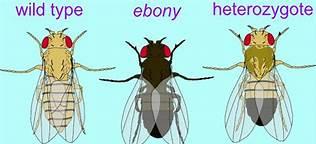
In Drosophila melanogaster, the ebony mutation is denoted by e, while wild-type gray is e+.
Types of Mendelian Inheritance Patterns
Simple Mendelian Inheritance
Traits follow strict dominant/recessive relationships. Homozygous recessive genotype displays the recessive phenotype, while the dominant allele is always expressed.
Examples: Widow’s Peak, Mid-digital hair, dimples, tongue rolling, freckles, cystic fibrosis.
Punnett Square Analysis
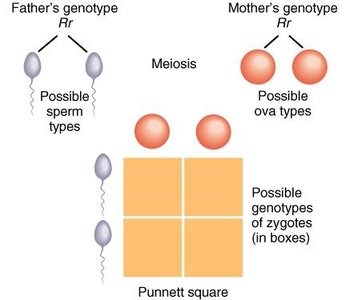
Punnett squares are used to predict genotype and phenotype ratios from parental crosses.
Incomplete Dominance
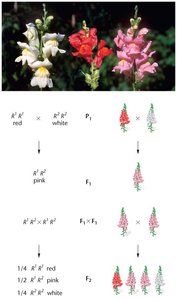
Neither allele is completely dominant. The heterozygote displays an intermediate phenotype between the two homozygotes.
Example: Straight hair (A), curly hair (a), wavy hair (Aa).
Snapdragons: Red (R1R1), white (R2R2), pink (R1R2).
Environmental Effects and Norm of Reaction
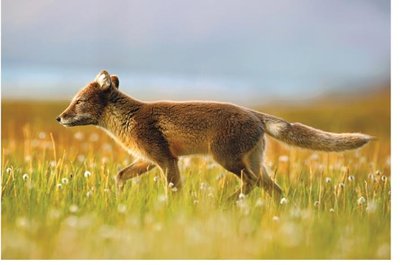
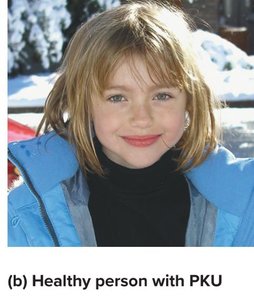
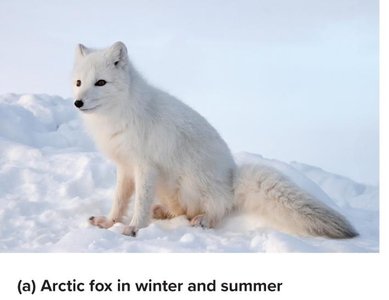
Phenotypic expression can be influenced by environmental conditions. The norm of reaction describes the range of phenotypes for a given genotype under different environments.
Example: Arctic fox changes coat color seasonally due to temperature-sensitive alleles.
Example: PKU (phenylketonuria) symptoms can be managed by diet.
Heterozygote Advantage and Codominance
Heterozygote Advantage (Overdominance)
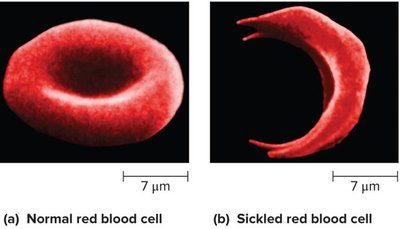
Heterozygotes may have greater reproductive success than either homozygote. This is seen in sickle-cell anemia, where heterozygotes are resistant to malaria.
HbA: Normal hemoglobin
HbS: Sickle-cell hemoglobin
Codominance
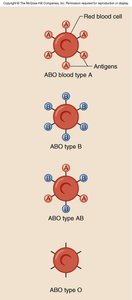
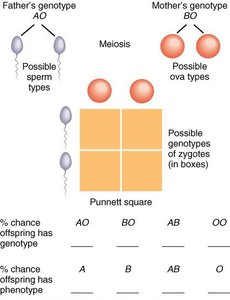
Both alleles are equally dominant and expressed in the phenotype. The ABO blood group system is a classic example.
Allele IA: Produces A antigen
Allele IB: Produces B antigen
Allele i: No antigen
IA and IB are codominant; both antigens are present in AB individuals.
Lethal Alleles and Modified Mendelian Ratios
Lethal Alleles
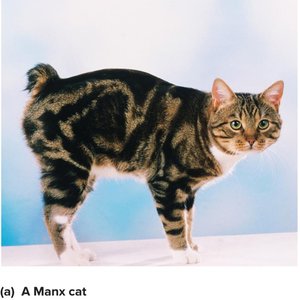
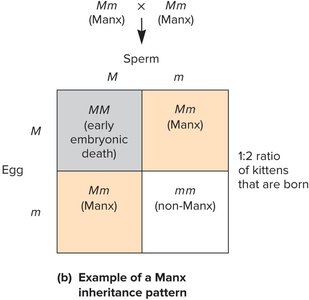
Lethal alleles are mutations in essential genes that can cause death. They are often recessive; one wild-type allele is sufficient for survival, but homozygous recessive individuals do not survive.
Example: Huntington disease (dominant lethal allele)
Conditional lethal alleles: Only lethal under certain environmental conditions (e.g., temperature-sensitive mutations)
Semi-lethal alleles: Kill some, but not all, individuals
Gene Interactions
Epistasis
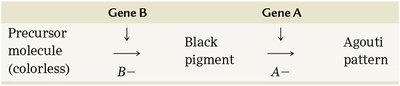
Epistasis occurs when the alleles of one gene mask the phenotypic effects of another gene. This leads to modified dihybrid ratios.
Recessive epistasis: Example in mouse fur color; cc genotype masks A allele, resulting in albino phenotype.
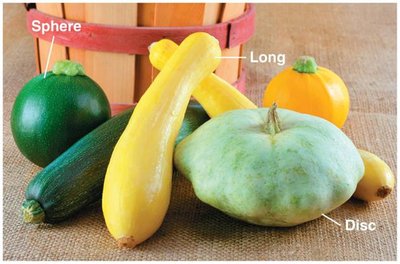
Dominant epistasis: Example in squash fruit color; dominant allele at one locus masks the effect of another.
Complementation
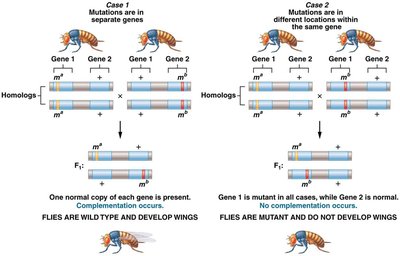
Complementation analysis determines if mutations causing similar phenotypes are alleles of the same gene. If two parents with similar recessive phenotypes produce wild-type offspring, the mutations are in different genes.
Pleiotropy
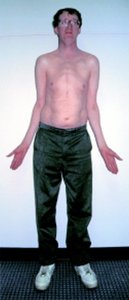
Pleiotropy occurs when a single gene affects multiple phenotypic traits. For example, Marfan syndrome is caused by a mutation in the gene encoding fibrillin, affecting connective tissue throughout the body.
Modifier Genes and Gene Redundancy
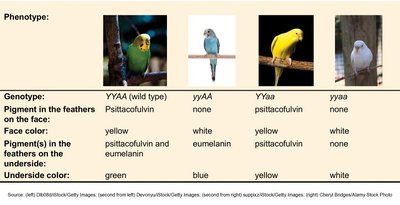
Modifier genes alter the phenotypic outcome of other genes. Gene redundancy occurs when multiple genes perform the same function, so loss of one gene has no effect.
Sex Determination and Sex-Linked Inheritance
Sex Chromosomes and X-Linkage
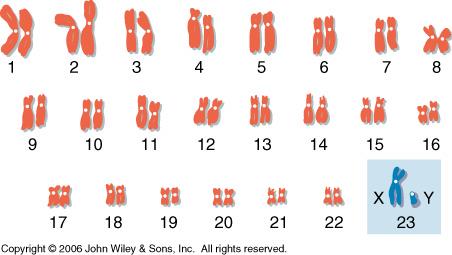
Sex is determined by X and Y chromosomes. Genes on the X chromosome exhibit unique inheritance patterns, especially in males (hemizygous).
Females: XX (homozygous)
Males: XY (hemizygous)
X-Linked Traits
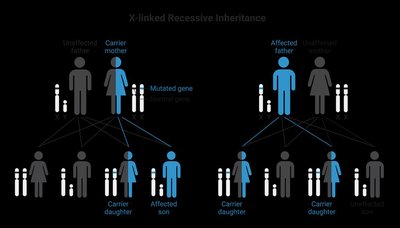
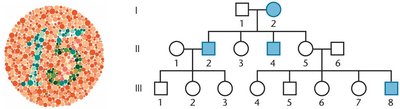
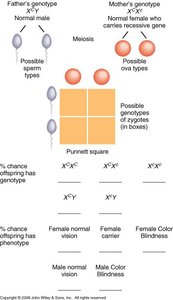
X-linked recessive traits are always expressed in males (one X chromosome), but females must have two recessive alleles to express the trait. Females with one recessive allele are carriers.
X-Linked Dominant Traits
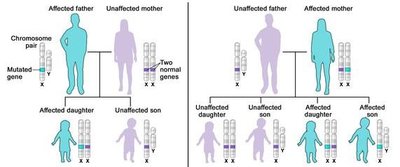
X-linked dominant traits are rare and expressed in both sexes. Males are often more severely affected due to lack of a normal allele.
Sex-Influenced and Sex-Limited Inheritance
Sex-Limited Inheritance
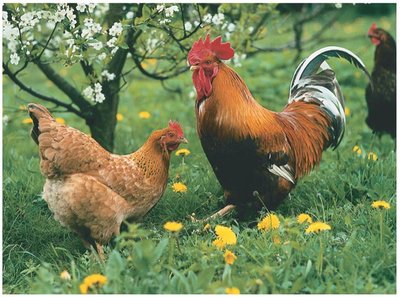
Phenotype is limited to one sex, often due to hormonal differences. Example: Feather plumage in chickens.
Sex-Influenced Inheritance
Phenotype is influenced by sex, but not limited to one sex. Example: Male pattern baldness is dominant in males, recessive in females.

Phenotypic Expression: Penetrance, Expressivity, and Genetic Background
Penetrance and Expressivity
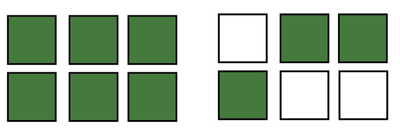
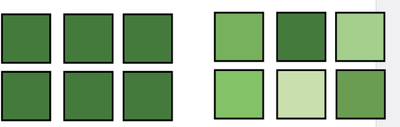
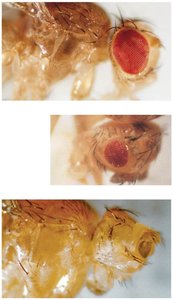
Penetrance is the percentage of individuals expressing a mutant genotype. Expressivity is the range of phenotypic expression. Both can be influenced by genetic background and environment.
Genetic Background and Position Effect
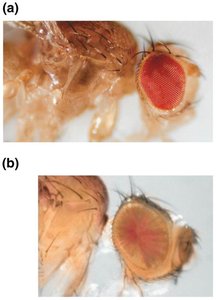
The physical location of a gene can influence its expression. Chromosomal rearrangements can lead to position effects, modifying phenotypes.
Conditional Mutations and Environmental Effects
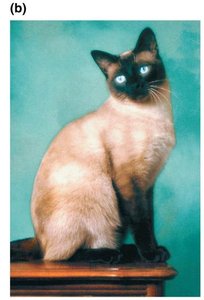
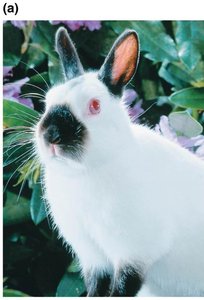
Some mutations are only expressed under certain environmental conditions, such as temperature-sensitive mutations in plants and animals.
Delayed Onset and Nutritional Effects
Delayed Onset of Genetic Expression
Some genetic disorders manifest later in life, such as Huntington disease, Tay-Sachs disease, and Duchenne muscular dystrophy.
Nutritional Effects
Nutritional mutations prevent synthesis or metabolism of nutrients, affecting phenotype only under certain dietary conditions. Examples include phenylketonuria, galactosemia, and lactose intolerance.
Summary Table: Modified Dihybrid Ratios
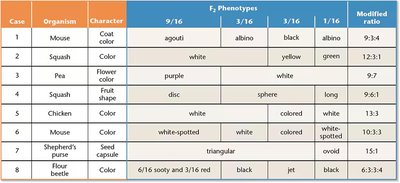
Gene interactions often result in modified Mendelian ratios. The table below summarizes several cases:
Case | Organism | Character | 9/16 | 3/16 | 1/16 | Modified Ratio |
|---|---|---|---|---|---|---|
1 | Mouse | Coat color | agouti | albino | black | 9:3:4 |
2 | Squash | Color | white | yellow | green | 12:3:1 |
3 | Pea | Flower color | purple | white | 9:7 | |
4 | Squash | Fruit shape | disc | sphere | long | 9:6:1 |
5 | Chicken | Color | white | colored | 13:3 | |
6 | Mouse | Color | white-spotted | white | 15:1 | |
7 | Shepherd's purse | Seed capsule | triangular | ovoid | 9:3:3:1 | |
8 | Flour beetle | Color | 6/16 sooty and 3/16 red | black | jet | 6:3:3:4 |
Additional info: These notes expand on brief lecture points to provide full academic context, definitions, and examples for Genetics students.
