 Indietro
Introduction to Genetics: Concepts, History, and Molecular Foundations
Guida di studio - Note intelligenti
 Appunti personalizzati basati sui tuoi materiali, ampliati con definizioni chiave, esempi e contesto.
Introduction to Genetics
Importance of Genetics
Genetics is the scientific study of heredity and variation in living organisms. It plays a crucial role in understanding how traits are passed from one generation to the next and how genetic variation shapes populations, species, and ecosystems.
Genetics affects our lives through agriculture, medicine, biotechnology, and conservation.
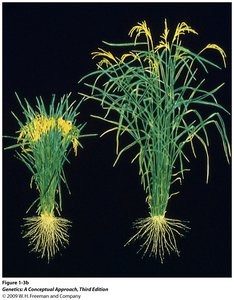
Modern wheat and other crops have been genetically modified for improved yield and disease resistance.
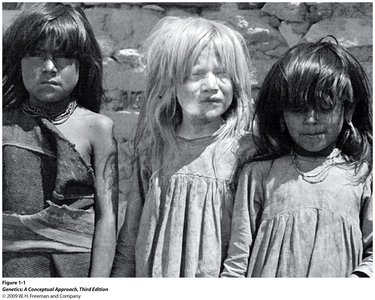
Human health is influenced by genetic factors, including hereditary diseases and responses to medications.
Ancient Beginnings and the Search for Heredity
Domestication and Early Genetic Inquiry
The domestication of plants and animals marked the beginning of human manipulation of heredity. Early civilizations sought to understand and control the inheritance of desirable traits.
Domestication involved selecting individuals with favorable traits for breeding.
Search for heredity led to the development of early theories about inheritance.
Basic Genetic Concepts
Cells, Genes, and Chromosomes
Genetic information is stored and transmitted within cells, primarily through genes located on chromosomes.
Cell: The basic unit of life, containing genetic material.
Gene: A segment of DNA that encodes a functional product, usually a protein.
Chromosome: A structure composed of DNA and proteins that carries genetic information.
Mitosis, Meiosis, and Gametes
Cell division is essential for growth, development, and reproduction. Mitosis and meiosis are two fundamental processes in genetics.
Mitosis: Cell division resulting in two genetically identical daughter cells.
Meiosis: Cell division producing gametes (sperm and egg) with half the chromosome number.
Gametes: Reproductive cells that unite during fertilization.
Phenotype, Genotype, and Allele
Genetic variation is expressed through observable traits and underlying genetic makeup.
Phenotype: The observable characteristics of an organism.
Genotype: The genetic constitution of an organism.
Allele: Different forms of a gene.

The Rise of Genetics
Discovery of Hereditary Material
Scientists sought to identify the molecular basis of heredity, leading to the discovery of DNA as the genetic material.
Hereditary material: DNA was established as the carrier of genetic information.
Molecular basis: Understanding the structure and function of DNA and RNA.
Beginnings of Modern Genetics
Key Historical Figures
The foundation of modern genetics was laid by pioneering scientists who studied inheritance and molecular biology.
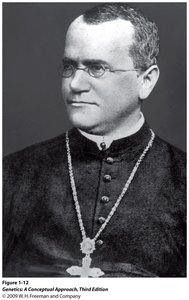
Gregor Mendel: Established the principles of inheritance through experiments with pea plants.
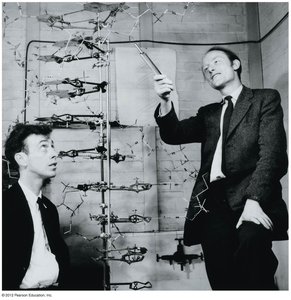
James Watson and Francis Crick: Discovered the double helix structure of DNA.
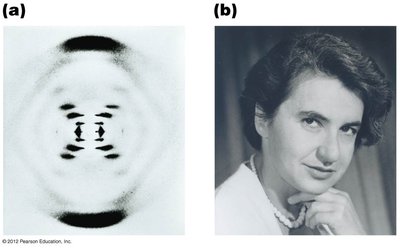
Rosalind Franklin: Provided critical X-ray diffraction data for DNA structure.
Molecular Genetics
DNA, RNA, and the Double Helix
Molecular genetics focuses on the structure and function of nucleic acids and their role in heredity.
DNA: Deoxyribonucleic acid, the primary hereditary molecule.
RNA: Ribonucleic acid, involved in protein synthesis and regulation.
Double Helix: The structure of DNA, consisting of two intertwined strands.
Nucleotides: The building blocks of DNA and RNA, composed of a sugar, phosphate, and nitrogenous base.
Replication, Transcription, and Translation
Genetic information is copied and expressed through three key molecular processes.
Replication: The process by which DNA is copied before cell division.
Transcription: The synthesis of RNA from a DNA template.
Translation: The synthesis of proteins from an RNA template.
Genetics and Evolution
From Genotypes to Phenotypes
Variation in genotypes leads to differences in phenotypes, which are subject to evolutionary forces.
Heritability: The proportion of phenotypic variation attributable to genetic factors.
Mutation: Changes in DNA sequence that introduce new genetic variation.
Selection: The process by which certain traits become more common in a population.
Gene frequency: The proportion of a particular allele in a population; changes in gene frequency drive evolution.
The Modern Synthesis
Integration of Mendelian Genetics and Evolutionary Theory
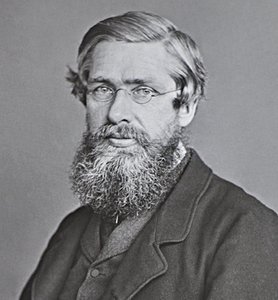
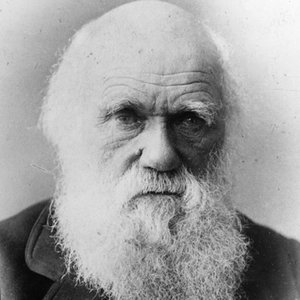
The Modern Synthesis unified Mendelian genetics with Darwinian evolution, explaining evolutionary phenomena through genetic principles.
Modern Synthesis (1942): Combined genetic inheritance with natural selection.
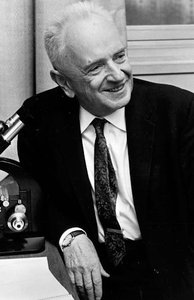
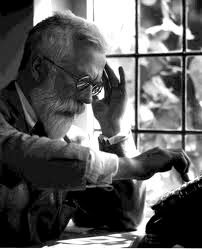
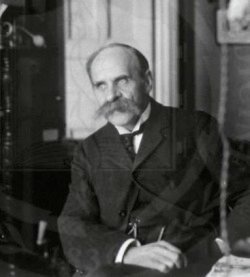
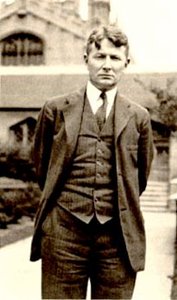
Key contributors: Julian Huxley, Theodosius Dobzhansky, R. A. Fisher, J. B. S. Haldane, Sewell Wright, Ernst Mayr, and others.

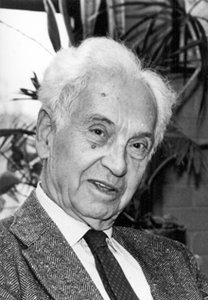
The Future of Genetics
Emerging Trends and Applications
Genetics continues to advance, impacting fields such as genomics, personalized medicine, biotechnology, and conservation biology.
Genomics: The study of whole genomes, enabling new insights into genetic variation and function.
Personalized medicine: Tailoring medical treatment based on individual genetic profiles.
Conservation genetics: Applying genetic principles to preserve biodiversity.
Additional info: The notes above expand on brief points from the original materials, providing academic context and definitions for key concepts in genetics. Images included are directly relevant to the topics discussed and reinforce the educational content.
