 Indietro
Introduction to Genetics: Foundations, Milestones, and Modern Advances
Guida di studio - Note intelligenti
 Appunti personalizzati basati sui tuoi materiali, ampliati con definizioni chiave, esempi e contesto.
Introduction to Genetics
History and Origins of Genetics
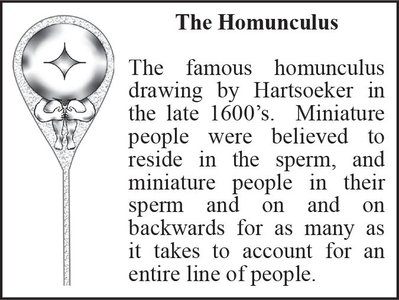
The field of genetics began with the observation of inherited traits and artificial selection, where humans selectively bred plants and animals for desired characteristics. Early theories attempted to explain inheritance, including the concept of 'humors' and preformationism, which suggested that miniature humans (homunculi) resided in sperm.
Artificial Selection: The deliberate breeding of organisms to enhance or eliminate specific traits.
Early Theories: Included the idea that traits were passed through bodily fluids and that sperm contained a miniature adult.
Aristotle's Theory: Proposed that semen contained 'vital heat' shaping menstrual blood to form new life.

Cell Theory and Spontaneous Generation
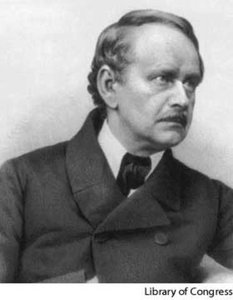
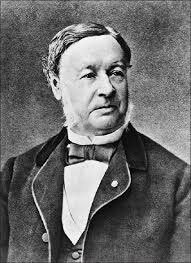
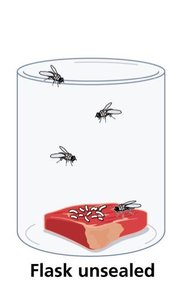
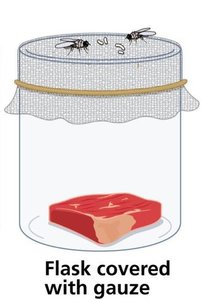
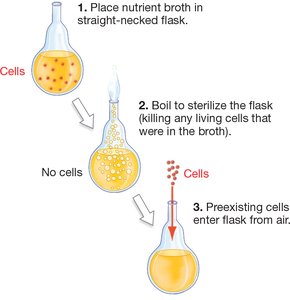
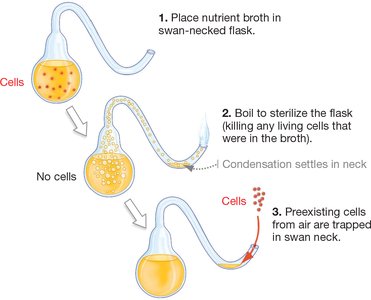
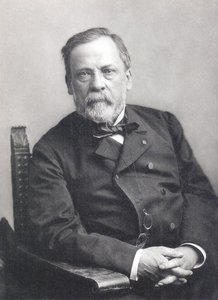
Cell theory, developed by Schleiden and Schwann, established that all living things are composed of cells and that cells arise from pre-existing cells. The concept of spontaneous generation, the belief that life could arise from non-living matter, was disproven by experiments from scientists such as Louis Pasteur.
Cell Theory: All organisms are made of cells; cells come from other cells.
Spontaneous Generation: Disproven by experiments showing that life does not arise from non-living material without contamination.

Evolution and Natural Selection
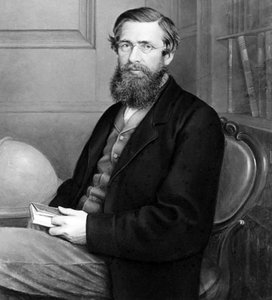
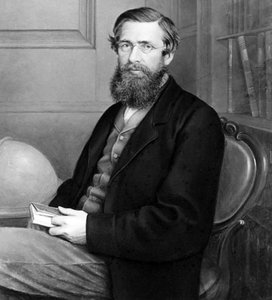
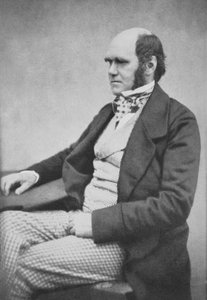
The theory of evolution by natural selection, developed by Charles Darwin and Alfred Russel Wallace, provided a mechanism for how traits are inherited and populations change over time. They observed that organisms produce more offspring than the environment can support, and those with favorable, inheritable adaptations are more likely to survive and reproduce.
Natural Selection: The process by which organisms with advantageous traits reproduce more successfully.
Variation: Essential for evolution; the source of variation was unknown at the time.
Foundations of Modern Genetics: Mendel's Experiments
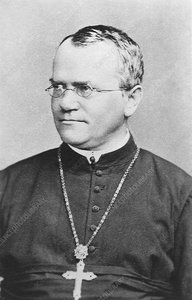
Gregor Mendel's experiments with pea plants established the basic principles of inheritance. He demonstrated that traits are passed predictably from parents to offspring and are controlled by discrete factors (now known as genes), with one inherited from each parent.
Mendel's Principles: Traits are controlled by two factors (alleles), one from each parent.
Predictable Inheritance: Mendel's work laid the foundation for the field of genetics.
Milestones in Genetics
Chromosome Theory and Discovery of Genes
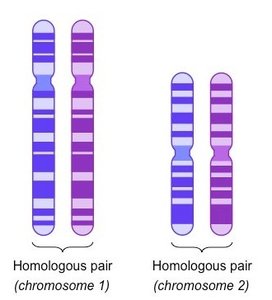
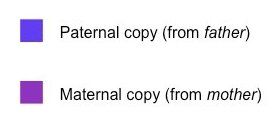
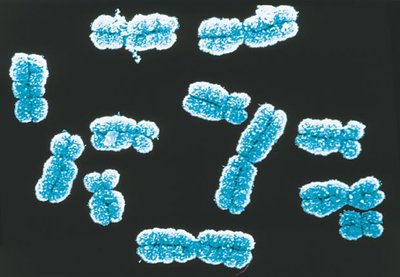
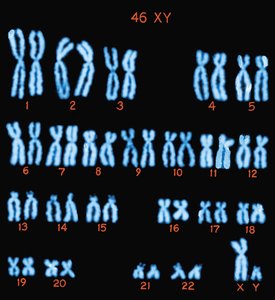
By the early 20th century, chromosomes were observed under the microscope, and the chromosome theory of inheritance was developed, stating that genes are located on chromosomes. The identification of gene mutations and alleles further advanced the understanding of genetic variation.
Chromosome Theory: Genes are found on chromosomes.
Mutations: Changes in DNA sequence that can alter traits.
Alleles: Alternate forms of a gene.
Mitosis and Meiosis
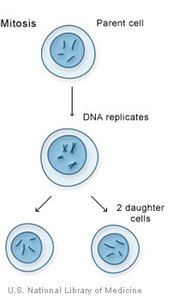
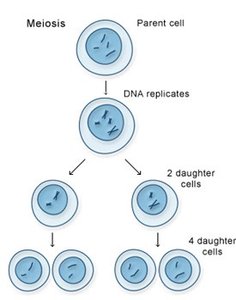
Mitosis and meiosis are fundamental processes for cell division and reproduction. Mitosis results in two identical daughter cells, while meiosis produces gametes with half the chromosome number, essential for sexual reproduction.
Mitosis: Chromosomes are copied and distributed equally to daughter cells.
Meiosis: Chromosome number is halved, producing gametes for fertilization.
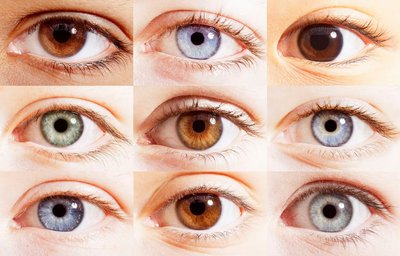
Genotype and Phenotype
The terms genotype and phenotype are central to genetics. The genotype refers to the specific alleles an individual possesses, while the phenotype is the observable expression of those alleles.
Genotype: The genetic makeup of an individual for a given trait.
Phenotype: The observable characteristics resulting from the genotype.
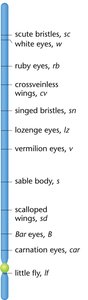
Molecular Genetics
Structure of DNA and RNA
DNA (deoxyribonucleic acid) and RNA (ribonucleic acid) are the macromolecules responsible for storing and transmitting genetic information. Their structures are directly related to their functions in gene expression.
DNA: Double helix structure, stores genetic information.
RNA: Single-stranded, involved in protein synthesis.

The Central Dogma of Molecular Biology
The central dogma describes the flow of genetic information: DNA is transcribed into mRNA, which is then translated into protein. Proteins, including enzymes, carry out cellular functions and catalyze biochemical reactions.
Gene Expression: The process by which information from a gene is used to synthesize a functional gene product.
Enzymes: Proteins that act as biological catalysts.
Equation:
Mutations and Phenotype Changes
Alterations in DNA sequence, known as mutations, can lead to changes in phenotype. These changes can be beneficial, neutral, or harmful, and are a source of genetic diversity.
Modern Advances in Genetics
Recombinant DNA Technology
Recombinant DNA technology allows scientists to manipulate DNA, enabling the creation of genetically modified organisms and the study of gene function. Key tools include restriction enzymes, vectors, and bacterial cloning.
Restriction Enzymes: Cut DNA at specific sequences.
Vectors: DNA molecules used to transport genetic material.
Cloning: Producing identical copies of DNA for study.
Transgenic Organisms and Biotechnology
Transgenic organisms are those that have received DNA from another species through biotechnology. This technology is used in medicine to locate genes responsible for hereditary diseases and develop treatments.
Transgenic Organisms: Organisms with foreign DNA introduced via biotechnology.
Biotechnology in Medicine: Used for gene mapping and therapeutic development.
"-Omics" Technologies
Modern genetics utilizes "-omics" technologies to study biological molecules on a large scale. Genomics, transcriptomics, and proteomics provide comprehensive insights into the structure, function, and regulation of genes and proteins.
Genomics: Study of genomes.
Transcriptomics: Study of RNA transcripts.
Proteomics: Study of proteins.
Forward and Reverse Genetics
Forward genetics involves identifying genes responsible for a phenotype by studying mutants, while reverse genetics starts with a gene and alters it to study its function. Model organisms are essential for these approaches due to their well-characterized genetics and ease of use.
Forward Genetics: Mutant analysis to identify genes.
Reverse Genetics: Gene alteration to study function.
Model Organisms: Organisms with well-understood genetics, used for research.
Ethical Considerations and Rapid Advances
The field of genetics is rapidly advancing, raising important ethical questions regarding genetic modification, privacy, and the use of biotechnology.
Ethical Considerations: Include issues of consent, safety, and societal impact.
Major Advances: Include gene editing, personalized medicine, and large-scale genetic analysis.
Additional info: The notes above expand on brief points from the original materials, providing academic context and definitions for key terms, and logically grouping fragmented topics for clarity.
