 Indietro
Mitosis and Meiosis: Cell Division and Chromosome Transmission
Guida di studio - Note intelligenti
 Appunti personalizzati basati sui tuoi materiali, ampliati con definizioni chiave, esempi e contesto.
Mitosis and Meiosis: Cell Division and Chromosome Transmission
Introduction to Cell Division
Cell division is a fundamental process in genetics, ensuring the transmission of genetic material from one generation to the next. Two primary types of cell division are mitosis and meiosis, each serving distinct roles in growth, development, and reproduction.
Cellular Structure and Chromosome Organization
Prokaryotic vs. Eukaryotic Cells
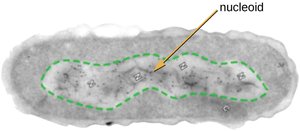
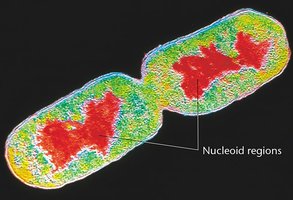
Prokaryotes lack a nuclear envelope and membranous organelles. Their genetic material is a single, circular DNA molecule located in the nucleoid region.
Eukaryotes possess a true nucleus and linear chromosomes. Their cells contain multiple organelles and complex chromosome structures.
Chromosome Structure
Chromatin is composed of DNA, proteins, and RNA. It exists in two forms: relaxed (less condensed) and condensed (visible during cell division).
Chromosomes are linear in eukaryotes and circular in prokaryotes.
Each chromosome contains a centromere, which is essential for proper segregation during division.
Homologous chromosomes are pairs with the same genes but possibly different alleles.
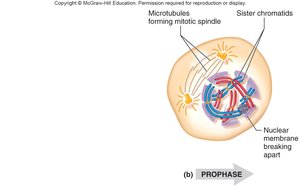
Sister chromatids are identical copies formed after DNA replication, joined at the centromere.
Chromosome Terminology
Chromosome: Threadlike structure of DNA and proteins carrying genetic information.
Chromatid: One of two identical halves of a replicated chromosome.
Bivalent: Association of replicated homologous chromosomes during meiosis.
Tetrad: Four chromatids within a bivalent.
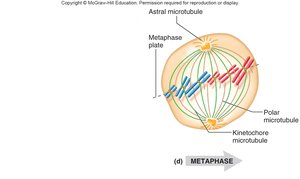
Kinetochore: Protein complex at the centromere for spindle attachment.
Chiasma: Point of contact between non-sister chromatids where crossing over occurs.
Binary Fission in Prokaryotes
Mechanism of Binary Fission
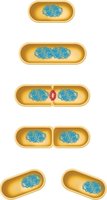
Prokaryotic cells reproduce asexually through binary fission, a process where the cell duplicates its DNA and divides into two genetically identical daughter cells.
Replication of the single circular chromosome.
Formation of a septum to divide the cell.
Distribution of chromosomes into daughter cells.
The Eukaryotic Cell Cycle
Phases of the Cell Cycle
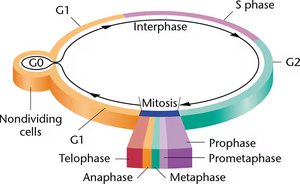
The eukaryotic cell cycle consists of interphase (G1, S, G2) and the mitotic phase (mitosis and cytokinesis). Most of the cell's life is spent in interphase, where growth, gene expression, and DNA replication occur.
G1 phase: Cell growth and preparation for DNA synthesis.
S phase: DNA replication, resulting in sister chromatids.
G2 phase: Preparation for mitosis.
M phase: Mitosis and cytokinesis.
Mitosis
Purpose and Overview
Mitosis is the process by which a eukaryotic cell divides to produce two genetically identical daughter cells, maintaining the chromosome number. It is essential for growth, repair, and asexual reproduction in multicellular organisms.
Stages of Mitosis
Prophase: Chromosomes condense, nuclear envelope breaks down, spindle apparatus forms.
Metaphase: Chromosomes align at the metaphase plate, attached to spindle fibers.
Anaphase: Sister chromatids separate and move toward opposite poles.
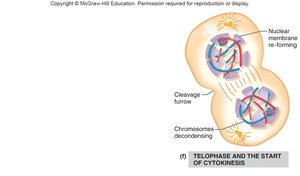
Telophase: Chromosomes decondense, nuclear envelope reforms, cytokinesis divides the cytoplasm.
Key Features of Mitosis
Produces two diploid, genetically identical daughter cells.
Ensures equal distribution of chromosomes.
Meiosis
Purpose and Overview
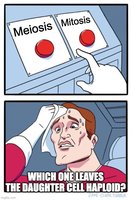
Meiosis is a specialized form of cell division that reduces the chromosome number by half, producing four haploid gametes from a diploid cell. It is essential for sexual reproduction and genetic diversity.
Consists of two successive divisions: Meiosis I and Meiosis II.
Homologous chromosomes pair and exchange genetic material (crossing over).
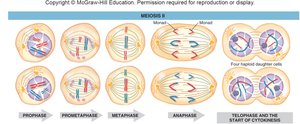
Results in four genetically unique haploid cells.
Stages of Meiosis
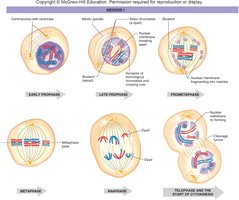
Meiosis I: Homologous chromosomes separate, reducing chromosome number by half.
Meiosis II: Sister chromatids separate, similar to mitosis.
Genetic Variation in Meiosis
Crossing Over: Exchange of genetic material between homologous chromosomes during Prophase I, increasing genetic diversity.
Independent Assortment: Random alignment and segregation of chromosomes during Metaphase I and Anaphase I.
Comparison of Mitosis and Meiosis
Feature | Mitosis | Meiosis |
|---|---|---|
Number of divisions | 1 | 2 |
Number of daughter cells | 2 | 4 |
Chromosome number in daughter cells | Diploid (2n) | Haploid (n) |
Genetic identity | Identical to parent | Genetically unique |
Role | Growth, repair, asexual reproduction | Sexual reproduction, genetic diversity |
Key Terms and Concepts
Diploid (2n): Cell with two sets of chromosomes.
Haploid (n): Cell with one set of chromosomes.
Homologous chromosomes: Chromosome pairs with the same genes but possibly different alleles.
Sister chromatids: Identical copies of a chromosome connected at the centromere.
Centromere: Region where sister chromatids are joined and spindle fibers attach.
Kinetochore: Protein structure on the centromere for spindle attachment.
Chiasma: Site of crossing over between homologous chromosomes.
Summary
Mitosis and meiosis are essential for growth, development, and reproduction.
Mitosis produces genetically identical cells; meiosis produces genetically diverse gametes.
Genetic variation arises from crossing over and independent assortment during meiosis.
