 Indietro
Chemistry of Life: Essential Concepts for Human Biology
Guida di studio - Note intelligenti
 Appunti personalizzati basati sui tuoi materiali, ampliati con definizioni chiave, esempi e contesto.
Chemistry of Life
Elements and Atoms
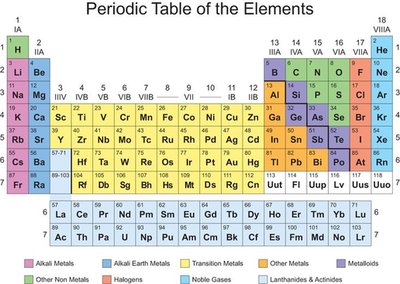
All matter, including living organisms, is composed of elements. An element is a fundamental form of matter that cannot be broken down into simpler substances. Elements are organized in the periodic table according to their properties.
Atom: The smallest unit of an element, retaining its chemical properties.
Atoms consist of protons (positive charge), neutrons (neutral), and electrons (negative charge).
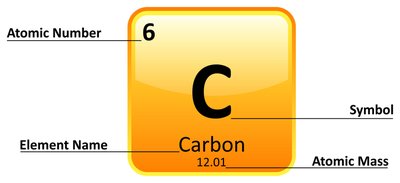
Atomic number: Number of protons in the nucleus.
Atomic mass: P+N
Isotopes and Free Radicals
Isotopes are atoms of the same element with different numbers of neutrons, resulting in different atomic masses. Some isotopes are used in medical applications, such as Carbon-14 in radiation therapy.
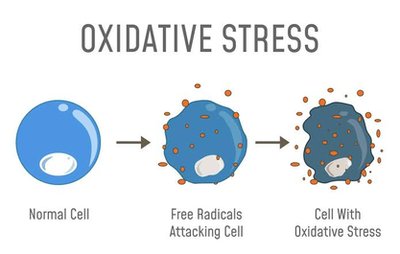
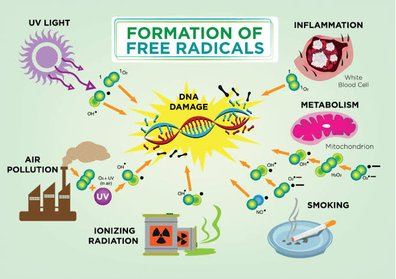
Free radicals are atoms or molecules with unpaired electrons, making them highly reactive. They can damage proteins, lipids, and DNA, contributing to cellular aging and oxidative stress.
Atoms to Molecules
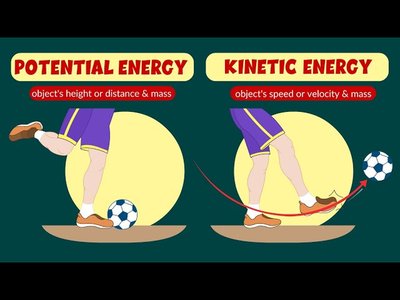
A molecule is a stable association of two or more atoms. Molecules are formed through chemical bonds, which require energy to form and break.
Potential energy: Stored energy (e.g., water in a dam).
Kinetic energy: Energy of motion (e.g., water released from a dam).
Chemical Bonds
Atoms interact to form chemical bonds when their outermost electron shells are not full.
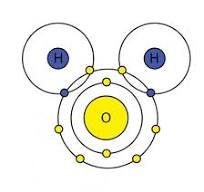
Covalent bond: Electrons are shared between atoms (strong bond). Example: water (H2O).
Ionic bond: Electrons are transferred from one atom to another (moderate strength). Example: sodium chloride (NaCl).
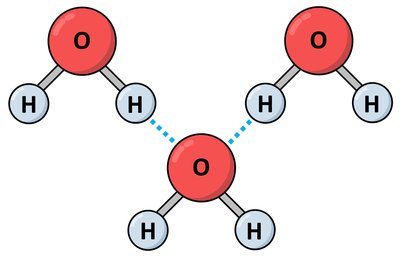
Hydrogen bond: Weak bond between oppositely charged regions of molecules containing covalently bonded hydrogen atoms. Example: water molecules bonding together.
Water: The Biological Solvent
Properties of Water
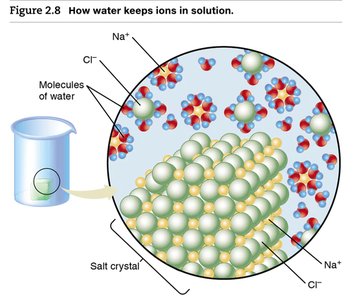
Water is the most essential molecule for life. It acts as a solvent (a liquid in which other substances dissolve) and is ideal for living organisms because it is polar at body temperature.
Solute: Any dissolved substance.
Hydrophilic: Polar molecules attracted to water (e.g., salt).
Hydrophobic: Nonpolar molecules that do not dissolve in water (e.g., oil).
Water and Temperature
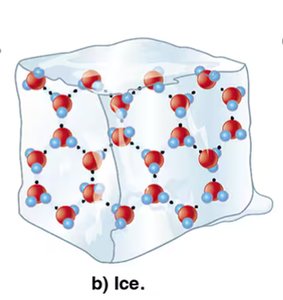
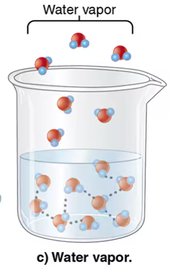
Water remains a liquid between 0°C and 100°C. Below 0°C, water forms ice, a stable lattice structure due to hydrogen bonds. Above 100°C, hydrogen bonds break, and water becomes vapor.
Water in the Human Body
Water is a major component of blood (about 90%) and is crucial for transporting solutes throughout the body. It also fills fluid spaces between structures and absorbs large amounts of energy, helping regulate body temperature.
Water is involved in metabolic processes such as photosynthesis, cellular respiration, and breakdown of macromolecules.
Hydrogen Ions, Acids, Bases, and pH
Hydrogen Ions
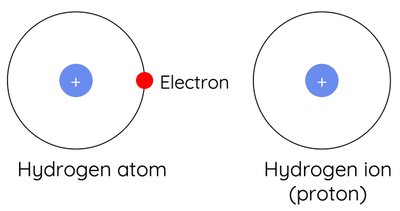
Hydrogen ions (H+) are important in biological systems. A hydrogen ion is a single proton, formed when the covalent bond in water breaks, producing H+ and OH- (hydroxide ion).
Acids and Bases
Acid: Molecule that donates H+ ions, increasing H+ concentration in solution.
Base: Molecule that accepts H+ ions, decreasing H+ concentration.
Acids and bases neutralize each other.
pH Scale
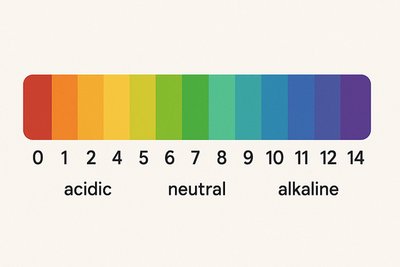
The pH scale measures hydrogen ion concentration, ranging from 0 (most acidic) to 14 (most basic), with 7 being neutral. Blood pH is slightly alkaline at 7.4, and maintaining this is crucial for homeostasis.
Buffers
Buffers are substances that minimize changes in pH when acids or bases are added. They are essential for maintaining homeostasis in body fluids such as blood and urine.
Organic Molecules and Macromolecules
Organic Molecules
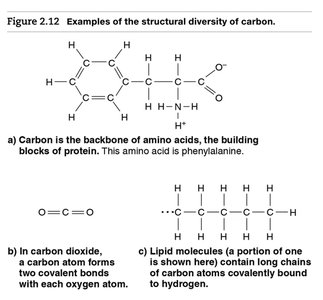
Organic molecules contain carbon and hydrogen, often with nitrogen, oxygen, and phosphorus. The four main classes are carbohydrates, lipids, proteins, and nucleic acids.
Carbon forms strong covalent bonds and can create diverse structures (rings, chains, branches).
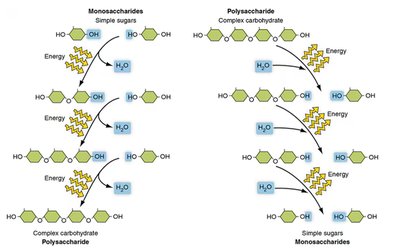
Macromolecules are large molecules made of smaller units called monomers. Polymers are chains of monomers.
Dehydration Synthesis and Hydrolysis
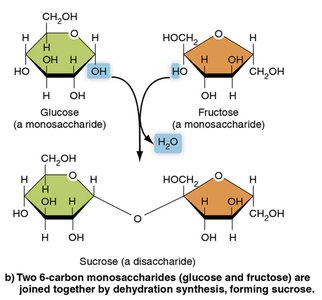
Dehydration synthesis: Joins monomers by covalent bonds, releasing water.
Hydrolysis: Breaks down polymers by adding water, releasing monomers.
Carbohydrates
Monosaccharides
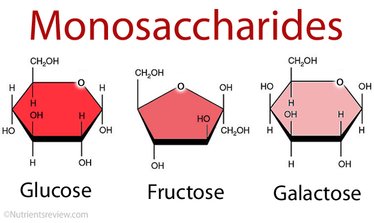
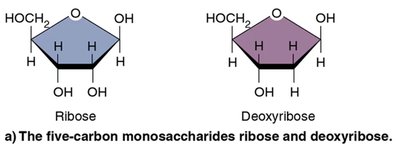
Monosaccharides are the simplest carbohydrates, consisting of carbon, hydrogen, and oxygen in a 1:2:1 ratio. Common examples include glucose, fructose, galactose, ribose, and deoxyribose.
Oligosaccharides and Polysaccharides
Oligosaccharides: Short chains of monosaccharides (e.g., sucrose).
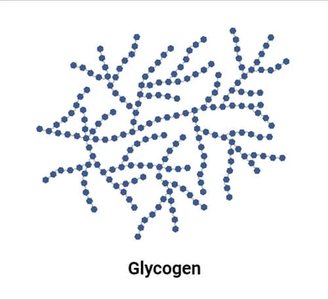
Polysaccharides: Long chains of monosaccharides (e.g., glycogen, cellulose).
Glycogen is the main energy storage polysaccharide in humans.
Cellulose provides structural support in plants and cannot be digested by humans.
Lipids
Triglycerides
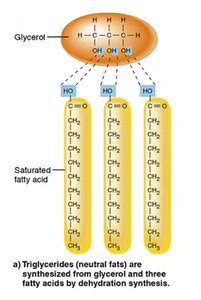
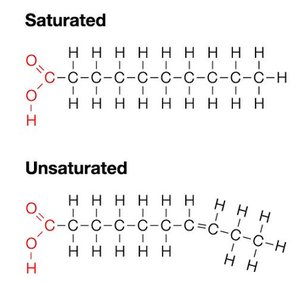
Lipids are hydrophobic molecules, including triglycerides, phospholipids, and steroids. Triglycerides are formed from glycerol and three fatty acids.
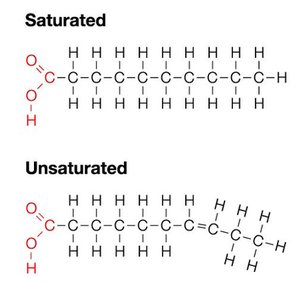
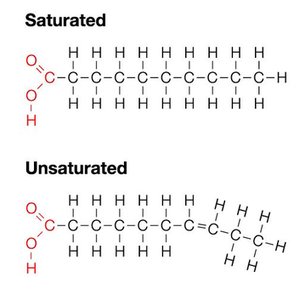
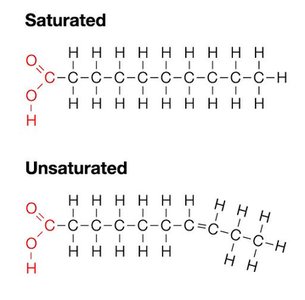
Saturated fats: Fatty acid tails are straight and fully hydrogenated, solid at room temperature (e.g., butter).
Unsaturated fats: Fatty acid tails have double bonds, causing kinks, liquid at room temperature (e.g., oils).
Phospholipids
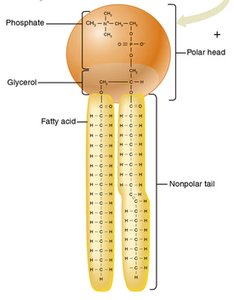
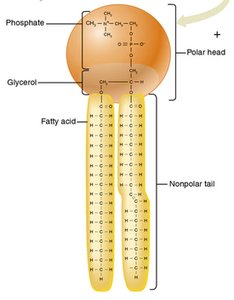
Phospholipids are the main structural component of cell membranes, consisting of a polar head (phosphate group) and two nonpolar fatty acid tails.
Steroids
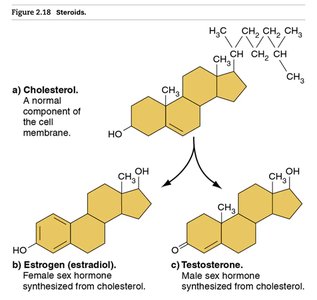
Steroids are hydrophobic molecules with a backbone of carbon rings. Cholesterol is a key steroid, essential for cell membranes and hormone synthesis (e.g., estrogen, testosterone).
Proteins
Amino Acids and Protein Structure
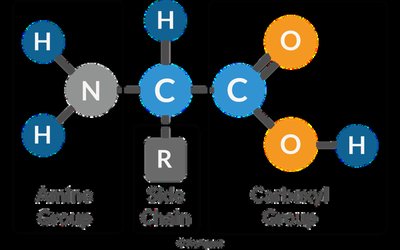
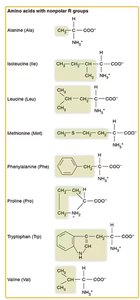
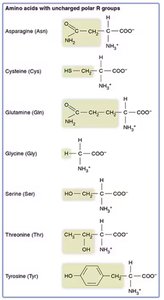
Proteins are polymers of amino acids. Each amino acid has an amino group, a carboxyl group, a central carbon, and a variable R group. There are 20 amino acids, with varying properties (nonpolar, polar, positive, negative).
Levels of Protein Structure
Primary structure: Sequence of amino acids.
Secondary structure: Alpha helix and beta pleated sheets, stabilized by hydrogen bonds.
Tertiary structure: 3D folding due to interactions among R groups.
Quaternary structure: Association of multiple polypeptide chains.
Protein Function and Denaturation
Protein function depends on structure.
Proteins can be denatured by high temperature or pH changes, losing their function.
Most proteins are water-soluble, but some have hydrophobic regions for membrane association.
Enzymes
Enzymes are proteins that act as biological catalysts, speeding up chemical reactions without being consumed. They are essential for life, as they allow biochemical reactions to occur rapidly.
Nucleic Acids
DNA and RNA
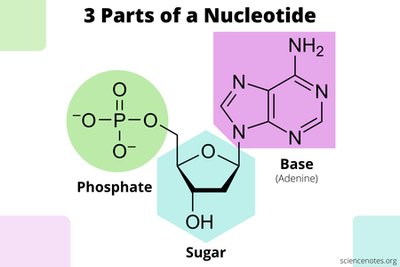
Nucleic acids are polymers of nucleotides, which consist of a phosphate group, a five-carbon sugar (ribose or deoxyribose), and a nitrogenous base. DNA stores genetic information, while RNA carries out instructions for protein synthesis.
ATP: The Energy Currency
Adenosine triphosphate (ATP) is a nucleotide that stores and transfers energy in cells. ATP consists of adenine, ribose, and three phosphate groups. Energy is released when ATP is converted to ADP and a phosphate.
ATP carries energy for cellular processes.
Energy is stored in the bonds between phosphate groups.
Bond Type | Strength | Example |
|---|---|---|
Covalent | Strong | Water, organic molecules |
Ionic | Moderate | NaCl (table salt) |
Hydrogen | Weak | Between water molecules |
Macromolecule | Monomer | Polymer | Function |
|---|---|---|---|
Carbohydrate | Monosaccharide | Polysaccharide | Energy storage, structure |
Lipid | Fatty acid, glycerol | Triglyceride, phospholipid | Energy storage, membrane structure |
Protein | Amino acid | Polypeptide | Structure, enzymes, signaling |
Nucleic acid | Nucleotide | DNA, RNA | Genetic information, protein synthesis |
Additional info: This study guide covers the foundational chemistry concepts essential for understanding human biology, including the structure and function of water, acids and bases, macromolecules, and their roles in the human body.
