 Indietro
Immunity and Immunization: Primary & Secondary Responses, Vaccines, and Passive Immunity
Guida di studio - Note intelligenti
 Appunti personalizzati basati sui tuoi materiali, ampliati con definizioni chiave, esempi e contesto.
Immune Memory and Responses
Primary Immune Response
The primary immune response occurs when the body is first exposed to an antigen. This response is characterized by the recognition of the antigen, activation and proliferation of B-cells and T-cells, and the formation of memory cells. The process involves a lag time of 3-6 days, with antibody concentrations peaking 10-12 days after exposure. Memory cells formed during this response provide the basis for immunity against future exposures to the same antigen.
Antigen: A substance that triggers an immune response.
B-cells: Lymphocytes that produce antibodies.
T-cells: Lymphocytes involved in cell-mediated immunity.
Memory cells: Long-lived cells that "remember" the antigen for faster response upon re-exposure.
Immunity: Derived from Latin "immunis," meaning safe or free from disease.
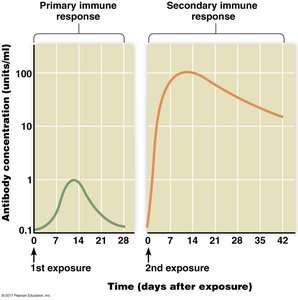
Example: After initial exposure to a pathogen, the body takes several days to mount a defense, but forms memory cells for future protection.
Secondary Immune Response
The secondary immune response occurs upon subsequent exposure to the same antigen. This response is faster, longer-lasting, and more effective than the primary response. Memory cells quickly bind to the pathogen, leading to rapid formation of new T-cells and plasma cells. Antibody concentrations rise higher and more quickly than during the primary response, often preventing noticeable symptoms.
Speed: Response occurs within hours.
Effectiveness: Antibody levels are higher and last longer.
Memory cells: Some last a lifetime; others require periodic "boosters."
Example: Vaccinated individuals may not experience symptoms upon re-exposure to a pathogen due to a robust secondary response.
Immunization: Milestone in Human Health
Active Immunization
Active immunization involves stimulating the immune system in advance of exposure to pathogens by administering a vaccine. Vaccines contain dead or weakened pathogens, or genetically altered organisms that produce the antigen. This process creates a primary immune response and forms memory cells, providing long-term immunity.
Vaccine: A preparation containing antigens to stimulate immunity.
Antibody production: Natural antibodies are produced in response to the vaccine.
Examples: Vaccines for smallpox, polio, measles, and whooping cough.
Example: Edward Jenner's first vaccine against smallpox used cowpox material to confer immunity.
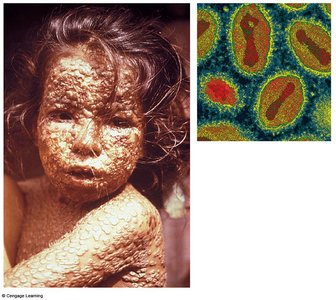
Limitations of Traditional Vaccines
Traditional vaccines, made from dead or weakened pathogens, have several limitations:
Safety: Slight potential to cause disease.
Time and expense: Years required to verify efficacy and safety; high production costs.
Specificity: Immunity is limited to one pathogen; separate vaccines needed for each.
No cure: Cannot treat existing infections.
New Technology: mRNA Vaccines
mRNA vaccines represent a modern approach to immunization. Instead of using dead or weakened viruses, these vaccines deliver mRNA encoding a viral protein. Cells use their own machinery to produce the protein, which is displayed on the cell surface, triggering an immune response. The mRNA is then degraded. This technology is used for COVID-19 vaccines and is being studied for other diseases and cancer.
Mechanism: mRNA instructs cells to produce viral proteins, prompting antibody production.
Advantages: No risk of infection from the vaccine; rapid development.
Applications: COVID-19, flu, Zika, rabies, cytomegalovirus, cancer research.
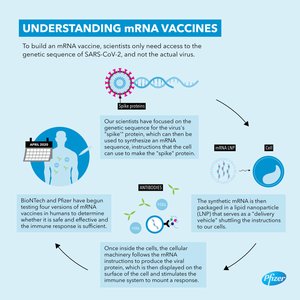
Example: Pfizer-BioNTech and Moderna COVID-19 vaccines use mRNA technology to induce immunity.
Passive Immunization
Methods and Applications
Passive immunization involves administering pre-formed antibodies from an immune donor (human or animal) to fight existing or anticipated infections. This is typically done via gamma globulin shots containing IgG antibodies. Passive immunization is effective against certain viral and bacterial infections, and is used in cases such as hepatitis B, measles, tetanus, and Rh incompatibility.
Short-term immunity: Lasts weeks to months; antibodies disappear over time.
No memory cells: B-cells are not activated; no long-term immunity.
Natural passive immunity: Fetus and newborns receive antibodies across the placenta and through breast milk (colostrum).

Example: Newborns acquire maternal antibodies via breastfeeding, providing temporary protection against infections.
Limitations of Passive Immunization
Passive immunization is less effective than active immunization and only provides temporary protection. It does not activate B-cells or form memory cells, so immunity fades as antibodies are degraded.
Duration: Immunity lasts only a few weeks to months.
Scope: Used for immediate protection or treatment of existing infections.
Additional info: Passive immunization is critical for individuals who cannot mount an effective immune response or require immediate protection.
