 Indietro
The Lymphatic System: Structure, Function, and Interaction with the Immune System
Guida di studio - Note intelligenti
 Appunti personalizzati basati sui tuoi materiali, ampliati con definizioni chiave, esempi e contesto.
The Lymphatic System
Overview and Functions
The lymphatic system is a network of vessels and organs closely associated with the cardiovascular system. It plays a crucial role in maintaining fluid balance, transporting fats, and defending the body against infection and injury.
Maintains blood volume: Returns excess tissue fluid to the bloodstream.
Transports fats and fat-soluble vitamins: Absorbs these from the digestive tract and delivers them to the bloodstream.
Defends against infection and injury: Houses immune cells that filter and destroy pathogens.
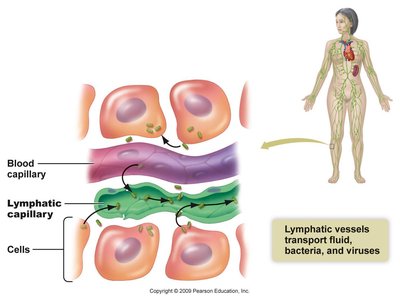
Lymphatic Capillaries and Vessels
Lymphatic capillaries are small, thin-walled vessels located near blood capillaries. Their structure allows them to absorb substances too large for blood capillaries, such as bacteria and cellular debris. Lymphatic vessels transport lymph fluid, which contains white blood cells (WBCs), proteins, fats, and some bacteria.
Lymphatic fluid: Milky body fluid rich in WBCs, proteins, fats, and pathogens.
Movement: Fluid moves via skeletal muscle contractions and pressure changes during respiration.
Major ducts: Right lymphatic duct and thoracic duct return lymph to the cardiovascular system via the subclavian veins.
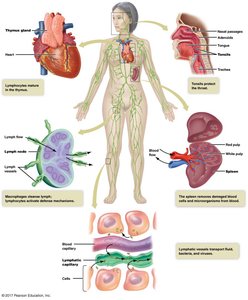
Components of the Lymphatic System
Lymph Nodes
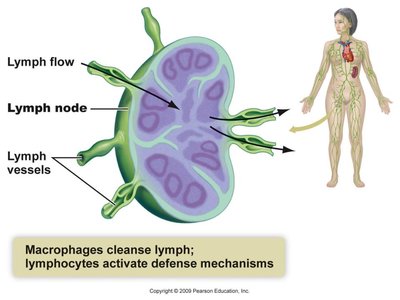
Lymph nodes are small, bean-shaped structures found at intervals along lymphatic vessels. They filter lymph fluid, removing cellular debris, microorganisms, and abnormal cells. Hundreds of nodes are clustered in areas such as the digestive tract, armpits, and groin.
Macrophages: Destroy foreign cells by phagocytosis.
Lymphocytes: Activate body defense mechanisms.
Cleansed fluid: Flows out of nodes and back into the cardiovascular system.
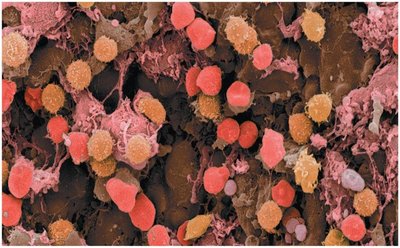
The Spleen
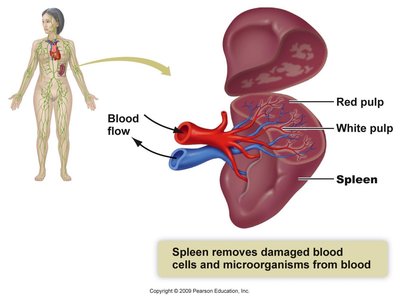
The spleen is the largest lymphatic organ, located in the upper-left abdominal cavity. It contains two types of tissue:
Red pulp: Contains macrophages that remove old red blood cells (RBCs) and microorganisms.
White pulp: Contains lymphocytes that help fight infections.
Function: The spleen cleans blood, unlike lymph nodes which clean lymph.
Clinical note: Individuals can live without a spleen, but may be more vulnerable to infections.
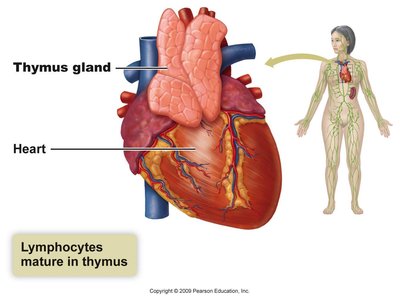
Thymus Gland
The thymus gland is located in the lower neck, behind the sternum and above the heart. It is essential for the maturation of T-lymphocytes, a type of immune cell.
Hormones: Thymosin and thymopoietin stimulate T-lymphocyte maturation.
Role: Critical for developing adaptive immunity, especially in childhood.
Tonsils and Adenoids
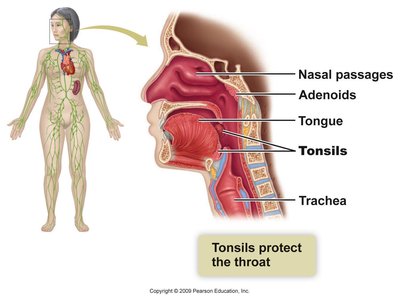
Tonsils and adenoids are masses of lymphatic tissue located near the entrance of the throat and at the back of the nasal passages, respectively. They filter microorganisms entering the body via food or air.
Tonsillitis: Inflammation of the tonsils, sometimes requiring removal (tonsillectomy).
Adenoids: Can become inflamed and may be removed (adenoidectomy).
Function: Protect the throat and airways from infection.
Interaction with the Immune System
Immune Cells in the Lymphatic System
The lymphatic system is a major site for immune cell activity. Most white blood cells, including macrophages and lymphocytes, are found in lymphatic vessels and fluid. These cells are responsible for identifying and destroying pathogens, activating immune responses, and maintaining overall health.
Macrophages: Engulf and digest pathogens and debris.
Lymphocytes: Include T-cells and B-cells, which are central to adaptive immunity.
Summary Table: Major Components of the Lymphatic System
Component | Location | Main Function |
|---|---|---|
Lymphatic Capillaries & Vessels | Throughout body | Transport lymph fluid, absorb large particles |
Lymph Nodes | Clusters in digestive tract, armpits, groin | Filter lymph, house immune cells |
Spleen | Upper-left abdomen | Filter blood, remove old RBCs, fight infection |
Thymus Gland | Lower neck, above heart | Mature T-lymphocytes |
Tonsils & Adenoids | Throat, nasal passages | Filter microorganisms from food/air |
Key Terms and Definitions
Lymph: Fluid containing WBCs, proteins, fats, and pathogens.
Macrophage: Immune cell that engulfs and digests foreign substances.
Lymphocyte: Immune cell (T-cell or B-cell) involved in adaptive immunity.
Thymosin/Thymopoietin: Hormones that promote T-cell maturation.
Additional info:
The lymphatic system is essential for both fluid homeostasis and immune defense. Its close association with the cardiovascular system allows for efficient transport and filtration of fluids and pathogens.
Disorders of the lymphatic system can lead to edema, immune deficiencies, or increased susceptibility to infections.
