 Indietro
Chapter 12 Study Guide- Part A
Guida di studio - Note intelligenti
 Appunti personalizzati basati sui tuoi materiali, ampliati con definizioni chiave, esempi e contesto.
Aggregate Expenditure & Output in the Short Run
Introduction to the Aggregate Expenditure Model
The aggregate expenditure (AE) model is a fundamental macroeconomic framework that analyzes the short-run relationship between total spending and total production (real GDP). It helps explain how fluctuations in spending can lead to changes in output and employment, focusing on the business cycle rather than long-term growth or inflation.
Key Idea: In any given year, the level of GDP is determined by the level of aggregate expenditure.
Short-run changes in real GDP and employment are caused by changes in total spending.

How the Aggregate Expenditure Model Works
The AE model describes how the relationship between total spending and total production affects inventories, production, and employment.
If total spending < total production, inventories increase, leading to a decrease in total production and employment.

If total spending > total production, inventories decrease, leading to an increase in total production and employment.

Scope and Assumptions of the AE Model
The AE model is designed to explain short-run fluctuations in the economy, specifically the business cycle and cyclical unemployment. It assumes that potential GDP and prices are fixed, so it does not address long-term growth or inflation.
Not for long-term economic growth: Potential GDP is assumed fixed.
Not for inflation: Prices are assumed fixed.
Explains cyclical unemployment: Focuses on short-run business cycle fluctuations.
Major Points of the Aggregate Expenditure Model
Total spending (AE) determines the level of real GDP (Y) in any particular year.
Macroeconomic equilibrium occurs where planned aggregate expenditure equals total production (real GDP).
Unintended inventories (real GDP – AE) signal whether to increase or decrease production and employment.
Consumption spending depends on current disposable income (+), household wealth (+), expected future income (+), and the interest rate (-).
Marginal Propensity to Consume (MPC): Indicates how much consumption increases when income increases.
Investment spending depends on expectations of future profitability (+), the interest rate (-), and business taxes (-).
Net exports depend on foreign real GDP (+) and the foreign exchange rate between the dollar and other currencies (-).
Components of Aggregate Expenditure
Consumption Spending (C)
Consumption is the largest component of aggregate expenditure and is determined by four main factors:
Current disposable income (+): Higher income increases consumption.
Household wealth (+): Wealth from assets such as stock prices and housing prices increases consumption.
Expected future income (+): Optimism about future income boosts current consumption.
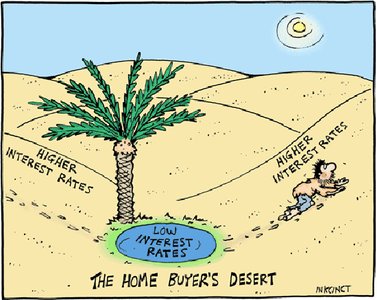
Interest rate (-): Higher interest rates encourage saving, reduce consumption, and increase the cost of borrowing for consumer durables.

Investment Spending (I)
Investment spending includes expenditures by firms on new factories, office buildings, machinery, inventories, and by households and firms on new houses. It is influenced by:
Expectations of future profitability (+): Positive outlook increases investment.
Interest rate (-): Higher rates make borrowing more expensive, reducing investment.
Business taxes (-): Lower corporate income taxes and investment tax credits increase after-tax profitability and investment spending.
Government Purchases (G)
Government purchases are spending by federal, state, and local governments on goods and services. This component is generally determined by policy decisions and is not directly influenced by the factors affecting consumption or investment.
Spending by government: Includes infrastructure, defense, education, etc.
Net Exports (NX)
Net exports are the difference between exports and imports. Two main factors determine net exports:
Growth rate of GDP in the U.S. relative to other countries (+): Higher foreign real GDP increases demand for U.S. exports, raising net exports.
Exchange rate between the dollar and other currencies (-): Appreciation of the dollar increases the cost of U.S. exports and decreases the cost of imports, reducing net exports.
Summary Table: Determinants of Aggregate Expenditure Components
Component | Key Determinants | Effect (+/-) |
|---|---|---|
Consumption (C) | Disposable income, wealth, expected future income, interest rate | + (income, wealth, future income), - (interest rate) |
Investment (I) | Future profitability, interest rate, business taxes | + (profitability), - (interest rate, taxes) |
Government Purchases (G) | Policy decisions | Varies |
Net Exports (NX) | Foreign real GDP, exchange rate | + (foreign GDP), - (exchange rate appreciation) |
Conclusion
The aggregate expenditure model is essential for understanding short-run fluctuations in real GDP and employment. By analyzing the determinants of each component of aggregate expenditure, students can better grasp how changes in spending drive the business cycle and influence macroeconomic equilibrium.
