 Indietro
Core Principles and Models in Microeconomics: Foundations, Trade, and Market Analysis
Guida di studio - Note intelligenti
 Appunti personalizzati basati sui tuoi materiali, ampliati con definizioni chiave, esempi e contesto.
Economic Models and Rational Choice
Introduction to Economic Models
Economic models are simplified representations of reality that help economists analyze choices and predict outcomes. These models rely on assumptions to focus on essential relationships and ignore extraneous details.
Model: A simplification of reality to understand and predict economic behavior.
Ceteris Paribus: The assumption that all other variables are held constant except the ones being studied.
Models allow for testable hypotheses about real-world behavior.
Key Components of Microeconomic Models
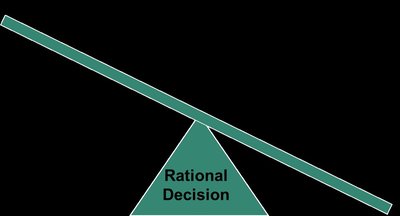
Rationality: Decision makers use all available information and weigh costs and benefits to maximize their objectives.
Response to Incentives: Choices change as costs or benefits change. Positive incentives encourage actions; negative incentives discourage them.
Marginal Analysis: Optimal decisions are made at the margin, considering the additional benefit and cost of a small change.
Marginal Decision Making
Marginal analysis involves comparing the marginal benefit (MB) and marginal cost (MC) of an action:
If MB ≥ MC, undertake the action.
If MB < MC, do not undertake the action.
Incentives can shift MB or MC, altering decisions.

Example: Deciding how many Skittles to eat involves weighing the additional satisfaction (MB) against the additional cost (MC) for each handful.
Market Equilibrium and Changes in Supply and Demand
Market Equilibrium
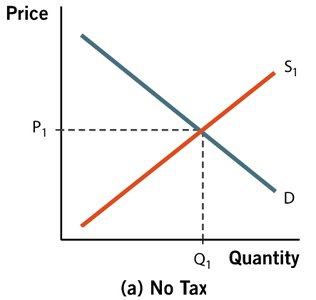
Market equilibrium occurs where the quantity demanded equals the quantity supplied. The equilibrium price is where the market clears, and no excess supply or demand exists.
Equilibrium Price (PE): The price at which QD = QS.
Equilibrium Quantity (QE): The quantity bought and sold at equilibrium price.
Shifts in Demand and Supply
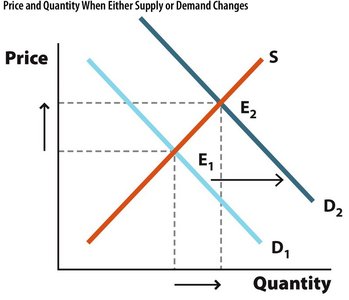
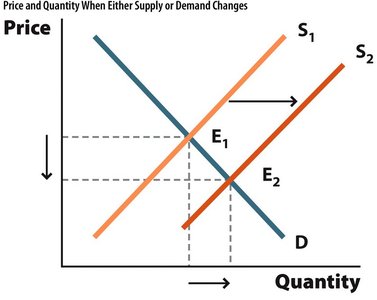
Changes in demand or supply shift the respective curves, leading to new equilibrium prices and quantities.
Change | Impact on Price | Impact on Quantity |
|---|---|---|
Demand increases | Price increases | Quantity increases |
Supply increases | Price decreases | Quantity increases |
Demand decreases | Price decreases | Quantity decreases |
Supply decreases | Price increases | Quantity decreases |
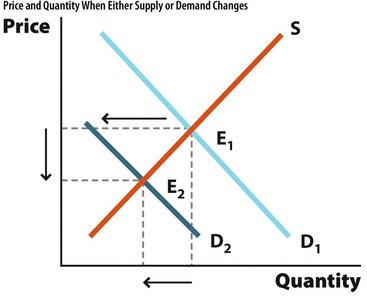
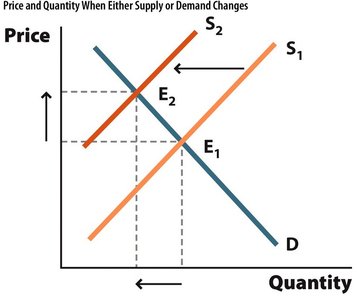
Simultaneous Shifts
When both curves shift, the effect on price or quantity may be indeterminate without more information.
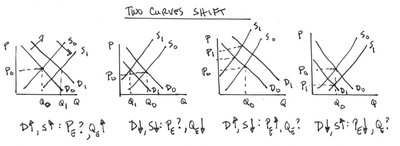
Comparative Advantage and Gains from Trade
Absolute and Comparative Advantage
Absolute Advantage: The ability to produce more of a good with the same resources.
Comparative Advantage: The ability to produce a good at a lower opportunity cost than another producer.
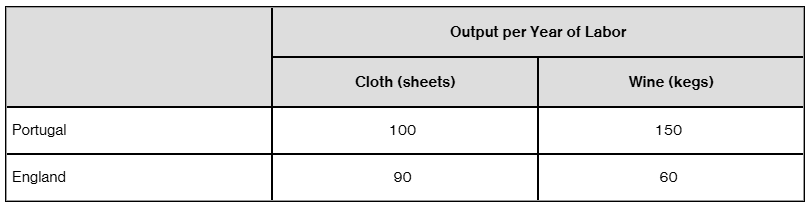
Cloth (sheets) | Wine (kegs) | |
|---|---|---|
Portugal | 100 | 150 |
England | 90 | 60 |
Opportunity Cost Calculations
Comparative advantage is determined by comparing opportunity costs:
Portugal: 1 cloth = 1.5 wine; 1 wine = 2/3 cloth
England: 1 cloth = 2/3 wine; 1 wine = 1.5 cloth
Portugal has a comparative advantage in wine; England in cloth.
Gains from Trade
When countries specialize according to comparative advantage and trade, both can consume beyond their production possibilities.
Cloth (sheets) | Wine (kegs) | |
|---|---|---|
Portugal | 18,000 | 123,000 |
England | 63,000 | 18,000 |

Sources of Comparative Advantage
Determinants of Comparative Advantage
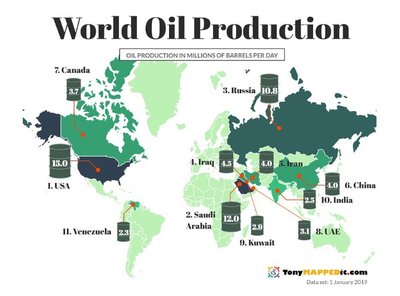
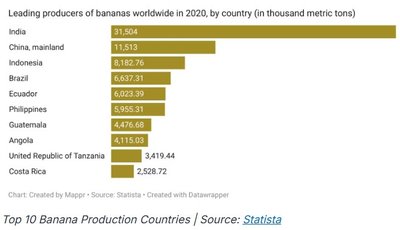
Climate and Natural Resources: Some countries are better suited for certain goods (e.g., oil, bananas).
Relative Abundance of Labor and Capital: Countries with more skilled labor or capital have advantages in certain industries.
Technology: Access to advanced technology increases productivity.
External Economies: Industry clustering reduces costs (e.g., film in California, watches in Switzerland).



Growth of International Trade and Globalization
Trends in International Trade
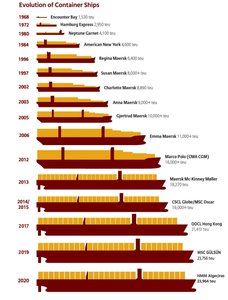
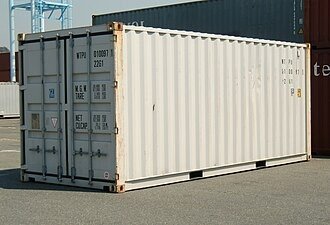
International trade has grown due to lower shipping costs, improved communication, and reduced tariffs.
Globalization refers to the increasing interconnectedness of economies.



Government Intervention: Taxes and Price Controls
Excise Taxes and Tax Incidence
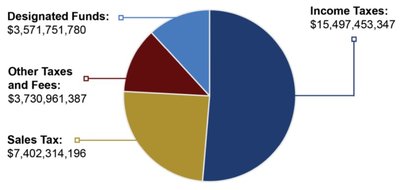
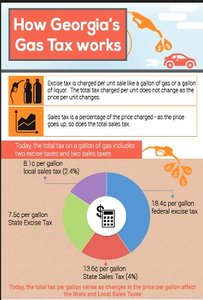
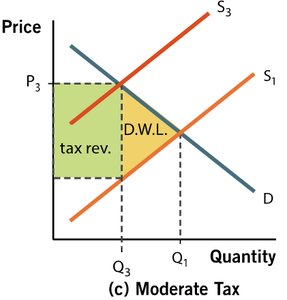
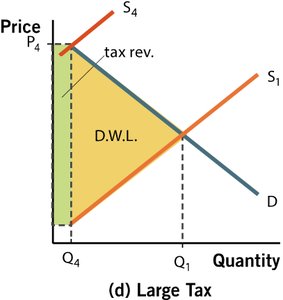
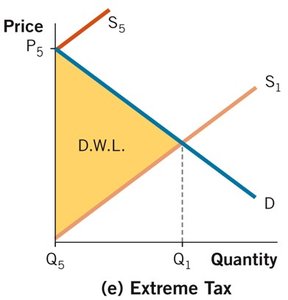
Excise taxes are per-unit taxes on specific goods. The burden of the tax (tax incidence) is shared between consumers and producers depending on the relative elasticities of supply and demand.

Effects of Excise Taxes
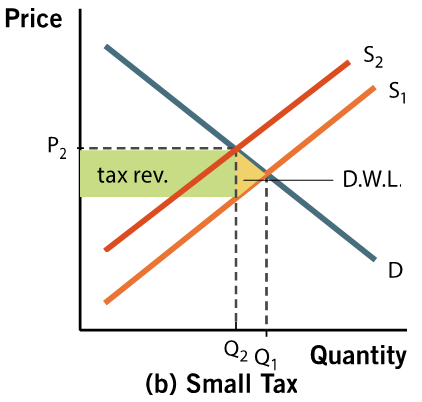
Taxes shift the supply curve upward by the amount of the tax.
Consumers pay a higher price; producers receive a lower price.
Creates deadweight loss (DWL) and reduces total welfare.
Summary Table: Comparative Advantage Example
Country | Output per Year of Labor (Cloth) | Output per Year of Labor (Wine) |
|---|---|---|
Portugal | 100 | 150 |
England | 90 | 60 |
Additional info: This study guide covers foundational concepts in microeconomics, including rational choice, market equilibrium, comparative advantage, gains from trade, and the effects of government intervention. It is suitable for exam preparation in introductory macroeconomics and microeconomics courses.
