 Indietro
Chapter 8 Study Guide
Guida di studio - Note intelligenti
 Appunti personalizzati basati sui tuoi materiali, ampliati con definizioni chiave, esempi e contesto.
Gross Domestic Product (GDP)
Definition and Importance
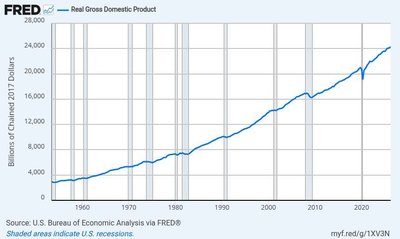
Gross Domestic Product (GDP) is the market value of all final goods and services produced within a country during a specific period, typically a year. It is a fundamental measure in macroeconomics, used to assess the overall economic activity and health of a nation.
GDP = Total Production = Total Income: Everything produced is ultimately paid out as income to the owners of the factors of production (labor, capital, natural resources, and entrepreneurial ability).
GDP does not include all production: Household production and the underground economy are excluded.
Key Formula
The four major categories of expenditures that make up GDP are:
C: Consumption
I: Investment
G: Government Purchases
NX: Net Exports (Exports minus Imports)
Components of GDP
Consumption (C)
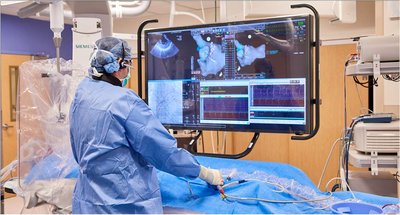
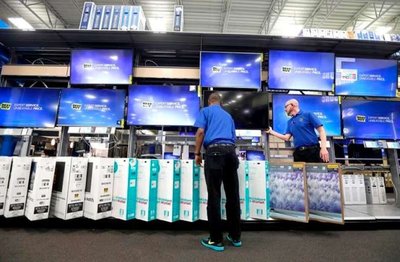
Consumption refers to spending by households on goods and services. It is the largest component of GDP, accounting for approximately 68% in the U.S.
Services: Medical care, education, haircuts
Nondurable goods: Food, clothing
Durable goods: Automobiles, furniture


Investment (I)
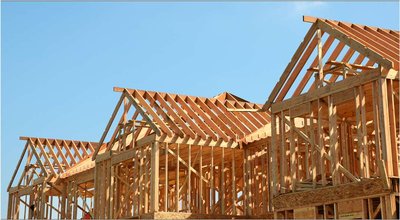
Investment is spending by firms on new factories, machinery, office buildings, and additions to inventories, plus spending by households and firms on new houses. It does not include financial investments like stocks and bonds.
Business fixed investment: Factories, machinery, office buildings
Residential investment: New houses
Inventory investment: Additions to inventories

Government Purchases (G)
Government purchases are spending by federal, state, and local governments on goods and services. Examples include salaries of teachers, construction of highways, and military equipment.
Consumption: Salaries, services
Investment: Infrastructure, equipment
Net Exports (NX)
Net exports are exports minus imports. Exports are goods and services produced domestically and purchased by foreign entities, while imports are goods and services produced abroad and purchased domestically.
Exports: Goods and services sold to other countries
Imports: Goods and services bought from other countries

Types of Production Not Included in GDP
Household Production
Household production refers to goods and services people produce for themselves, such as home-cooked meals or home repairs. These are not counted in GDP.

Underground Economy
The underground economy includes buying and selling of goods and services that are concealed from the government, often to avoid taxes or regulations, or because the goods and services are illegal.
Examples: Illegal goods (e.g., drugs), unreported income
GDP as a Measure of Well-Being
Limitations of GDP
GDP is not a perfect measure of economic well-being. It does not account for:
Value of leisure
Pollution and other negative effects of production
Changes in crime and other social problems
Distribution of income

Income Distribution: Gini Index
The Gini index measures the degree of inequality in the distribution of family income in a country. A lower Gini index indicates more equal distribution, while a higher index indicates greater inequality.
Perfect equality: Gini index = 0
Perfect inequality: Gini index = 100
Nominal GDP vs. Real GDP
Nominal GDP
Nominal GDP is the value of final goods and services evaluated at current-year prices. It can be distorted by inflation.
Real GDP
Real GDP is the value of final goods and services evaluated at base-year prices, which adjusts for inflation and provides a more accurate measure of economic output over time.
Gross Domestic Income (GDI)
Definition and Comparison to GDP
Gross Domestic Income (GDI) measures the economy’s output from the income side, summing income payments to households (wages, interest, rent, and profit). Theoretically, GDI equals GDP, but measurement errors can cause differences.
GDP: Measured from the production side (spending data: C + I + G + NX)
GDI: Measured from the income side (income received by households)
Summary Table: GDP Components
Component | Description | Example |
|---|---|---|
Consumption (C) | Household spending on goods and services | Food, medical care, education |
Investment (I) | Business spending on capital, new houses, inventories | Factory construction, new homes |
Government Purchases (G) | Government spending on goods and services | Highways, teacher salaries |
Net Exports (NX) | Exports minus imports | Cars sold abroad, electronics imported |
Practice Questions
Which is a better measure of the output (production) of an economy over time: nominal GDP or real GDP? Why?
If the quantity of final goods and services produced decreased, could nominal GDP increase? Could real GDP increase?
What index measures the degree of inequality in the distribution of family income in a country?
Additional info: Real GDP is preferred for measuring output over time because it removes the effects of inflation, allowing for meaningful comparisons across years. Nominal GDP can increase even if production falls, if prices rise due to inflation. The Gini index is used to measure income inequality.
