 Indietro
The Economics of Health Care: Macroeconomic Perspectives
Guida di studio - Note intelligenti
 Appunti personalizzati basati sui tuoi materiali, ampliati con definizioni chiave, esempi e contesto.
Chapter 5: The Economics of Health Care
5.1 The Improving Health of People in the United States
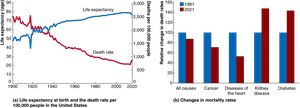
The health of the U.S. population has improved dramatically over the past two centuries, with significant increases in life expectancy and reductions in death rates. Economists study health care to understand the factors driving these trends and the economic implications of health care spending.
Health care: Goods and services intended to maintain or improve health, such as prescription drugs, doctor consultations, and surgeries.
U.S. health care expenditure is the highest in the world, due to factors such as high quality of care, payment systems, and high demand.
Key contributors to improved health outcomes include better nutrition, public health initiatives, and advances in sanitation and medical technology.
There is a feedback loop between better health and higher incomes, as healthier populations are more productive.
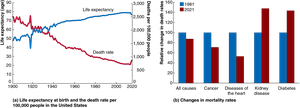
Example: The most dramatic gains in U.S. health occurred in the twentieth century, especially with the decline in deaths from cardiovascular disease. However, deaths from obesity-related illnesses have increased in recent years.
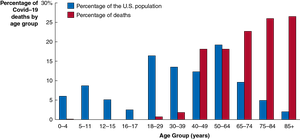
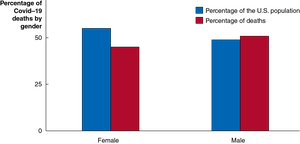
Apply the Concept: The Demographics of Covid-19 Mortality
Covid-19 mortality was highest among older adults, due to weaker immune systems and close living conditions in nursing homes.
More men than women died from Covid-19, partly due to lower vaccination rates among men.
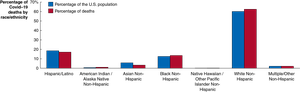
Differences in mortality rates across racial and ethnic groups are linked to vaccination rates, access to health care, socioeconomic status, and occupational exposure.
5.2 Health Care Around the World
Health care systems differ significantly across countries in terms of provision and payment. The U.S. relies heavily on private providers and insurance, while other countries use various models to achieve universal coverage.
Health insurance: A contract where the buyer pays premiums in exchange for coverage of medical expenses.
Insurance payments can be fee-for-service (payment per service) or through Health Maintenance Organizations (HMOs), which pay a flat fee per patient.

In 2021, 49% of Americans had employer-provided insurance, 37% had government insurance (Medicare, Medicaid, Tricare), 6% purchased insurance directly, and 9% were uninsured.
The Affordable Care Act (ACA) reduced the uninsured rate by providing subsidies and mandating coverage, though some remain uninsured due to cost or perceived lack of need.
Apply the Concept: The Increasing Importance of Health Care in the U.S. Economy
Health care is now the largest employment sector in most states, and several of the fastest-growing occupations are in health care.

Comparing Health Care Systems
Canada: Single-payer system; government provides insurance, private firms provide care.
Japan: Universal insurance; residents must enroll in nonprofit or government insurance, with significant copayments.
United Kingdom (UK): Socialized medicine; government owns hospitals and employs doctors, with some private insurance supplementation.

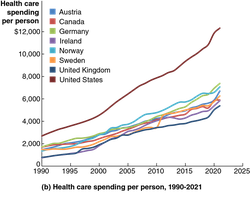
Example: The U.S. spends a higher proportion of income on health care than other high-income countries, reflecting both higher prices and greater utilization.
Limitations of Cross-Country Comparisons
Data collection methods differ across countries.
Quality of care and consumer preferences are difficult to measure.
Lifestyle choices (e.g., obesity, diabetes) can affect health outcomes independently of health care system effectiveness.
5.3 Information Problems and Externalities in the Market for Health Care
The health care market is characterized by information asymmetries and externalities, which can lead to market failures and justify government intervention.
Asymmetric information: One party in a transaction has more or better information than the other, leading to adverse selection and moral hazard.
Adverse selection: Those most likely to use insurance are most likely to buy it, driving up premiums and potentially excluding healthier individuals.
Moral hazard: After obtaining insurance, individuals may consume more health care or take greater risks, increasing costs for insurers.
Example: Health insurance companies may exclude pre-existing conditions or require mandatory coverage to mitigate adverse selection. Deductibles and coinsurance are used to reduce moral hazard.
Externalities in Health Care
Positive externalities: Vaccinations benefit not only the individual but also society by reducing disease transmission.
Negative externalities: Poor health choices (e.g., smoking, obesity) can increase costs for others through higher premiums and taxes.
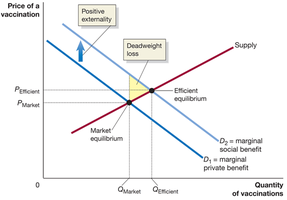
Example: Without subsidies, too few vaccinations are consumed, resulting in deadweight loss. Government intervention can increase vaccination rates to the socially optimal level.
5.4 The Debate Over Health Care Policy in the United States
The U.S. spends more on health care than any other country, and costs continue to rise. Policymakers debate how to control costs while maintaining or improving quality and access.
The ACA expanded coverage but remains controversial.
Health care spending as a share of GDP is projected to reach nearly 20% by 2030.

Out-of-pocket spending by Americans has declined, increasing the burden on government budgets.
Employer-provided health insurance may disadvantage U.S. firms, but government provision would likely shift costs to payroll taxes.
Why Are Health Care Costs Rising So Fast?
Administrative costs, prescription drug prices, malpractice lawsuits, and uninsured patients contribute, but do not fully explain the rapid rise.
Cost disease: Productivity gains in health care lag behind other sectors, but wages must rise to retain workers, increasing costs.
Aging population and advances in medical technology increase demand and costs.
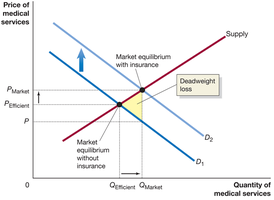
Distorted incentives from insurance (third-party payer system) lead to overconsumption and deadweight loss.
Health Insurance vs. Other Types of Insurance
Health insurance often covers routine and predictable events, unlike other insurance types that cover rare, catastrophic events.
This disconnect encourages overuse of health care services.
Policy Debates: Government vs. Market-Based Reforms
Proposals for "Medicare for All" (single-payer) would provide universal coverage and reduce administrative costs, but may increase government spending and reduce innovation.
Market-based reforms aim to align prices with services and reduce overconsumption by removing tax incentives for employer-based insurance.
Alternatives include a public option or lowering the Medicare eligibility age, but major reforms remain politically challenging.
Conclusions About Health Care
With health care projected to consume a growing share of national income, the U.S. faces difficult choices about cost control, quality, and access. The debate over health care policy is likely to continue as policymakers seek sustainable solutions.
