Indietro
Applications of Immunology: Vaccines and Immunodiagnostic Techniques
Guida di studio - Note intelligenti
 Appunti personalizzati basati sui tuoi materiali, ampliati con definizioni chiave, esempi e contesto.
Applications of Immunology
Vaccinations
Vaccines are biological preparations that provide acquired immunity to specific infectious diseases. They stimulate the immune system to recognize and combat pathogens.
Live attenuated vaccines: Contain pathogens weakened by chemical treatments or by culturing in unsuitable environments. These vaccines multiply in the body and provoke a strong immune response.
Inactive (killed) vaccines: Pathogens are killed by heat or chemicals. The vaccine components promote an immune response without causing disease.
Toxoids: Inactivated toxins used to immunize against toxin-mediated diseases (e.g., tetanus toxoid, diphtheria toxoid).
Acellular vaccines: Use only fragments of the pathogen to minimize potential adverse reactions.
Subunit vaccines: Produced by recombinant DNA technology. For example, Hepatitis B vaccines use viral proteins cloned into yeast cells.
mRNA vaccines: Developed initially for COVID-19, these vaccines use messenger RNA to instruct cells to produce viral proteins, eliciting an immune response. They have a good safety record and are effective in preventing or reducing the severity of COVID-19 infections.
Active vs Passive Immunity
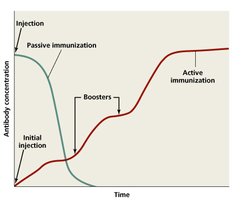
Immunity can be acquired actively or passively. Active immunity involves the stimulation of the immune system by exposure to antigens, while passive immunity involves the transfer of antibodies from another source.
Active Immunity: Results from exposure to antigens (via infection or vaccination). It is long-lasting and can be boosted by repeated exposure.
Passive Immunity: Results from the transfer of antibodies (e.g., maternal antibodies, antibody therapy). It provides immediate but temporary protection.
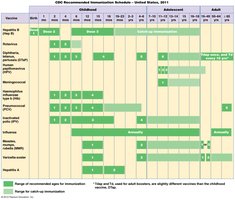
CDC Recommended Immunization Schedule
The Centers for Disease Control and Prevention (CDC) provides a recommended schedule for immunizations to protect the general population from various infectious diseases. The schedule outlines the timing and frequency of vaccines for children, adolescents, and adults.
Diagnostic Applications of Immunology
Serological Testing
Serum from patients can be assayed for antibodies or antigens to determine exposure, ongoing infection, or vaccination status. These tests are fundamental in diagnosing infectious diseases and monitoring immune responses.
Immunodiagnostics
Immunodiagnostic tests rely on the binding of antibodies to antigens in vitro. Common methods include:
Agglutination: Clumping of particles due to antibody-antigen interaction.
Hemagglutination: Agglutination of red blood cells by viruses or antibodies.
Precipitation: Formation of visible precipitates when antibodies bind to soluble antigens.
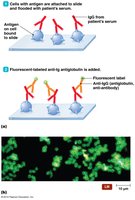
Fluorescent antibodies: Use of antibodies labeled with fluorescent dyes to detect antigens.
ELISA assays: Enzyme-linked immunosorbent assays for detecting antigens or antibodies.
Complement fixation tests: Detects the presence of specific antibodies by observing complement activation.
Precipitation Tests
Precipitation tests involve mixing patient serum with a specific antigen. If antibodies are present, a visible precipitate forms, indicating a positive reaction. These tests are qualitative (yes/no).
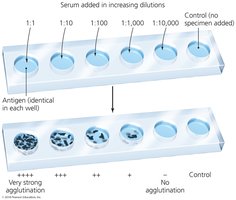
Agglutination Tests (Quantitative)
Agglutination tests can be direct or indirect and are used to determine exposure or antibody titer. Serial dilutions of patient serum are tested for agglutination response, allowing quantification of antibody levels.
Labeled Antibodies
Commercially available antibodies can be conjugated with radioactive, fluorescent, or enzyme markers. These labeled antibodies are used to identify specific antigens or pathogens in patient samples. Fluorescent antibodies are observed using a UV microscope.
Immunochromatographic Tests
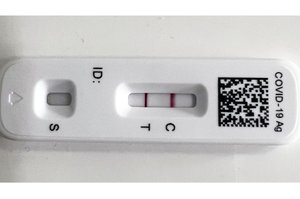
Immunochromatographic tests, such as pregnancy and COVID-19 tests, provide rapid, qualitative results by detecting antigens or antibodies in patient samples.
Monoclonal Antibodies
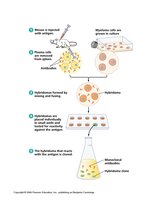
Monoclonal antibodies are produced by fusing sensitized mouse B-cells with myeloma cells, creating hybridomas. These cells produce specific antibodies indefinitely in culture and are the basis of many diagnostic tests.
ELISA (EIA)
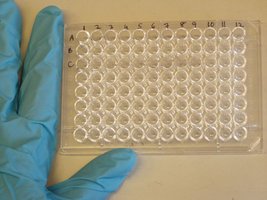
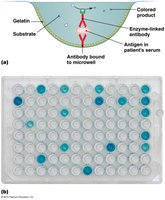
Enzyme-linked immunosorbent assay (ELISA) is used to detect antibodies (indirect ELISA) or antigens (direct ELISA). Antigens or antibodies are adsorbed onto plastic microtiter plates and detected by enzyme-linked antibodies.
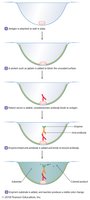
Indirect ELISA
Indirect ELISA tests for patient antibodies by adsorbing antigen onto a plate, adding patient serum, and detecting bound antibodies with enzyme-linked secondary antibodies.
Antibody Sandwich ELISA
Sandwich ELISA detects antigens by capturing them between two antibodies, one bound to the plate and one enzyme-linked for detection.
Western Blot
Western blot is used to identify antigens in patient samples, such as in HIV testing. It separates proteins by electrophoresis and detects them with specific antibodies.
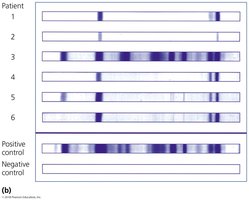
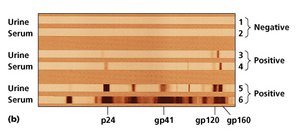
HIV Western Results
Western blot results for HIV testing show bands corresponding to viral proteins. Positive and negative controls are used for comparison.
Hemagglutination
Hemagglutination tests detect viruses that agglutinate red blood cells. If antibodies against the virus are present in the serum, agglutination does not occur. This test is qualitative.
Complement Fixation Test
Complement fixation is a classic test used to diagnose diseases such as syphilis. Patient serum is added to antigen, and complement fixation is detected by adding sheep erythrocytes.
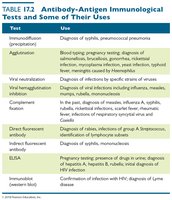
Antibody-Antigen Immunological Tests and Their Uses
The following table summarizes common immunological tests and their applications:
Test | Use |
|---|---|
Immunodiffusion (precipitation) | Diagnosis of syphilis, pneumococcal pneumonia |
Agglutination | Blood typing, pregnancy testing, diagnosis of infections (brucellosis, typhoid, salmonella, etc.) |
Viral neutralization | Diagnosis of rabies, identification of specific strains of viruses |
Complement fixation | Diagnosis of syphilis, rickettsial diseases |
Direct fluorescent antibody | Diagnosis of rabies, infections of group A Streptococcus, identification of specific microorganisms |
Indirect fluorescent antibody | Diagnosis of syphilis, rickettsial diseases |
ELISA | Pregnancy testing, presence of drugs in urine, diagnosis of HIV, hepatitis B, rubella, and other diseases |
Immunoblot (Western blot) | Confirmation of infection with HIV, diagnosis of Lyme disease |