 Indietro
Biochemistry Basics for Microbiology: Structure and Function of Biomolecules
Guida di studio - Note intelligenti
 Appunti personalizzati basati sui tuoi materiali, ampliati con definizioni chiave, esempi e contesto.
Biochemistry Basics
Atoms and Their Structure
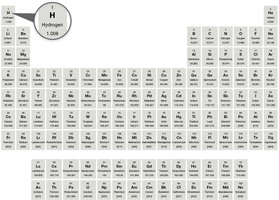
Atoms are the fundamental units of elements, which are pure substances that compose all matter. The atomic nucleus contains protons (positively charged) and neutrons (neutral), while electrons (negatively charged) orbit the nucleus. The number of protons defines the element and is referred to as the atomic number.
Proton: Positive charge, 1 atomic mass unit
Neutron: Neutral charge, 1 atomic mass unit
Electron: Negative charge, negligible mass
Atomic number: Number of protons in the nucleus
Ions and Isotopes
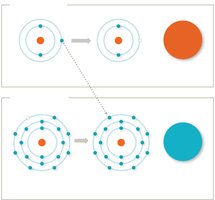
Atoms can exist as ions or isotopes. Ions are atoms with unequal numbers of protons and electrons, resulting in a charge. Cations are positively charged (lost electrons), and anions are negatively charged (gained electrons). Isotopes are atoms of the same element with different numbers of neutrons.
Cation: Atom with a positive charge
Anion: Atom with a negative charge
Isotope: Same number of protons, different number of neutrons
Molecules and Compounds
Molecules are formed when two or more atoms bond together. Compounds are molecules composed of more than one type of element. Organic molecules contain both carbon and hydrogen, while inorganic molecules may contain carbon but lack associated hydrogen.
Functional Groups
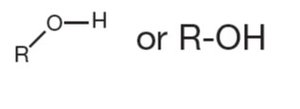
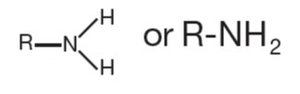
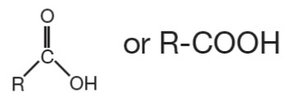
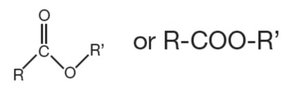
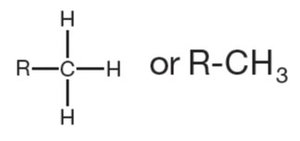
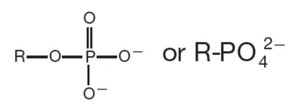
Functional groups are specific groups of atoms within molecules that determine their chemical properties and reactions. Common functional groups include hydroxyl, amine, carboxyl, ester, methyl, and phosphate.
Functional Group | Structure |
|---|---|
Hydroxyl |
|
Amine |
|
Carboxyl |
|
Ester |
|
Methyl |
|
Phosphate |
|
Acids, Bases, and Salts
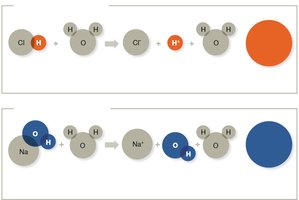
Acids, bases, and salts are important in cellular chemistry. Acids release hydrogen ions (H+), bases release hydroxide ions (OH-), and salts are formed when acids and bases react.
Solvent: Dissolving agent (e.g., water)
Solute: Substance dissolved in solvent
Solution Concentration
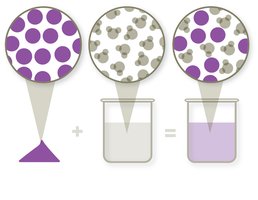
The concentration of a solution is determined by the amount of solute in a specific volume of solvent. Molarity (mol/L) and weight-volume proportion (mg/mL) are common measures.
pH: A Measure of Acidity
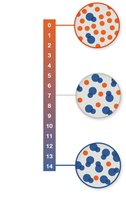
The pH scale measures the acidity or basicity of a solution, ranging from 0 (most acidic) to 14 (most basic). Most microbes grow best at pH 6.5–8.5. Buffers stabilize pH by absorbing or releasing ions.
Acidosis: Lower than normal blood pH
Alkalosis: Higher than normal blood pH
Chemical Bonds
Chemical bonds are forces that bind atoms in molecules. Electrons are organized in shells, with the outermost shell (valence shell) determining bonding behavior. Types of bonds include ionic, covalent, and hydrogen bonds.
Ionic bond: Attraction between oppositely charged ions
Covalent bond: Atoms share electrons
Polar covalent bond: Unequal sharing of electrons, creating dipoles
Hydrogen bond: Noncovalent attraction between molecules
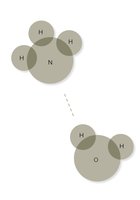
Water and Molecular Interactions
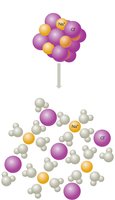
Water's polar covalent bonds allow it to form hydrogen bonds, making it an excellent solvent for polar substances. Hydrophilic substances dissolve in water, while hydrophobic substances do not. Amphipathic molecules have both hydrophilic and hydrophobic regions.
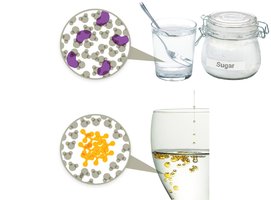
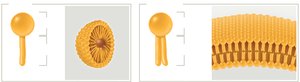
Chemical Reactions
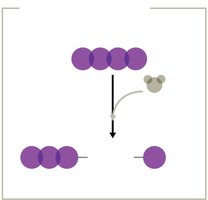
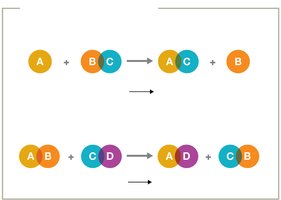
Chemical reactions involve making or breaking chemical bonds. Types include synthesis (building molecules), decomposition (breaking molecules), and exchange (swapping components). Catalysts speed up reactions by lowering activation energy.
Synthesis reaction: Combines reactants to form products
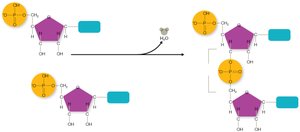
Dehydration synthesis: Releases water when forming bonds
Decomposition reaction: Breaks down molecules
Hydrolysis: Adds water to break bonds
Exchange reaction: Swaps components between molecules
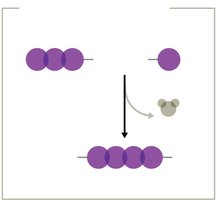
Energy in Chemical Reactions
Reactions require activation energy. Exergonic reactions release more energy than they consume, while endergonic reactions consume more energy than they release.
The Four Main Classes of Biomolecules
Carbohydrates
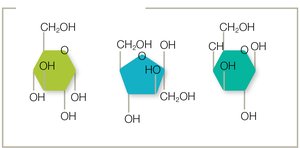
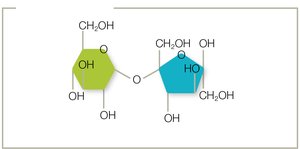
Carbohydrates are organic molecules consisting of one or more sugar monomers. They serve as energy sources, structural biomolecules, and are involved in cellular adhesion and communication.
Monosaccharides: Single sugar units (e.g., glucose, galactose, fructose)
Disaccharides: Two monosaccharides linked by glycosidic bonds (e.g., sucrose)
Polysaccharides: Long chains of monosaccharides (e.g., cellulose, chitin, peptidoglycan)
Lipids
Lipids include fats, oils, waxes, and steroids. They are hydrophobic, serve as energy sources, and are key components of cell membranes.
Saturated lipids: No double bonds, solid at room temperature
Unsaturated lipids: One or more double bonds, liquid at room temperature
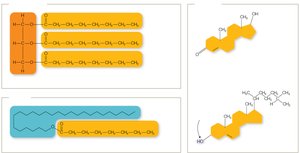
Monoglycerides, diglycerides, triglycerides: Glycerol linked to one, two, or three fatty acids
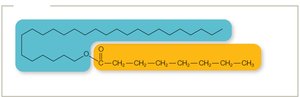
Waxes: Fatty acids linked to long-chain alcohols
Steroids: Four fused hydrocarbon rings; sterols have an alcohol group (e.g., cholesterol)
Nucleic Acids
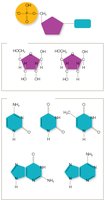
Nucleic acids (DNA and RNA) are polymers of nucleotides and serve as the genetic material of cells and viruses. DNA is double-stranded and contains deoxyribose, while RNA is single-stranded and contains ribose.
Nucleotide: Five-carbon sugar, phosphate group(s), nitrogenous base
Phosphodiester bond: Links nucleotides, forming the sugar-phosphate backbone
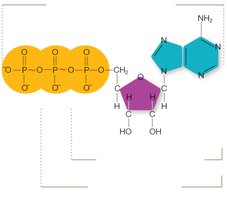
ATP: Adenosine Triphosphate
ATP is a ribonucleotide that stores and releases energy for cellular processes. Energy is released when phosphate groups are cleaved.
Proteins
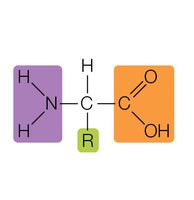
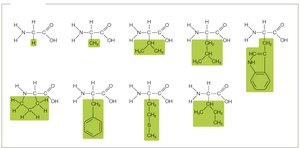
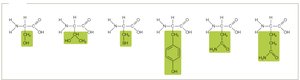
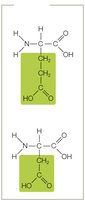
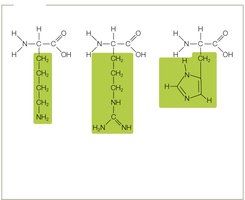
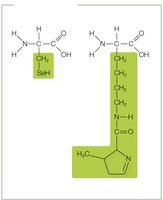
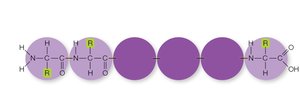
Proteins are polymers of amino acids and are essential for nearly all cellular functions. Each amino acid has an amine group, carboxyl group, and a variable side group (R group).
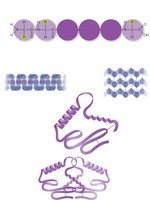
Primary structure: Linear sequence of amino acids
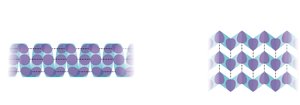
Secondary structure: Alpha-helices and beta-pleated sheets
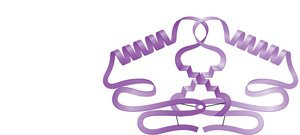
Tertiary structure: Three-dimensional folding
Quaternary structure: Combination of two or more polypeptide chains

Protein Functions
Proteins serve as structural scaffolds, enzymes, transporters, and are involved in cell recognition and communication.
Summary Table: Classes of Biomolecules
Class | Monomer | Bond Type | Main Functions |
|---|---|---|---|
Carbohydrates | Monosaccharide | Glycosidic | Energy, structure, adhesion |
Lipids | Fatty acid, glycerol | Ester | Energy, membranes, signaling |
Nucleic Acids | Nucleotide | Phosphodiester | Genetic material, energy |
Proteins | Amino acid | Peptide | Structure, enzymes, transport |
Additional info: These biochemistry basics are foundational for understanding microbial cell structure, metabolism, genetics, and pathogenesis, as covered in subsequent microbiology chapters.
