Indietro
Biochemistry Basics for Microbiology Students
Guida di studio - Note intelligenti
 Appunti personalizzati basati sui tuoi materiali, ampliati con definizioni chiave, esempi e contesto.
Biochemistry Basics
Atoms and Elements
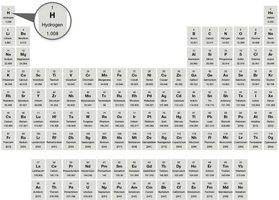
Atoms are the fundamental units of elements, which are pure substances that compose all matter. The atomic nucleus contains protons (positively charged) and neutrons (neutral), while electrons (negatively charged) orbit the nucleus. The number of protons defines the element and is known as the atomic number. Elements are organized in the periodic table by their atomic number.
Protons: Positive charge, 1 atomic mass unit
Neutrons: Neutral charge, 1 atomic mass unit
Electrons: Negative charge, negligible mass
Atomic number: Number of protons in the nucleus
Ions and Isotopes
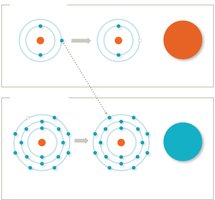
Ions are atoms with unequal numbers of protons and electrons, resulting in a net charge. Cations are positively charged (lost electrons), while anions are negatively charged (gained electrons). Isotopes are atoms of the same element with different numbers of neutrons, denoted by their atomic mass.
Cation: Atom with a positive charge
Anion: Atom with a negative charge
Isotope: Same element, different neutron number
Chemical Bonds and Molecules
Molecules and Compounds
Molecules are formed when two or more atoms bond together. Compounds are molecules composed of more than one type of element. Organic molecules contain both carbon and hydrogen, while inorganic molecules may contain carbon but lack the associated hydrogen.
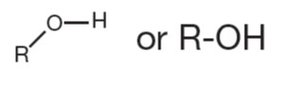
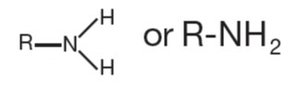
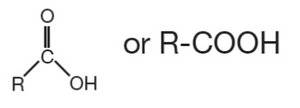
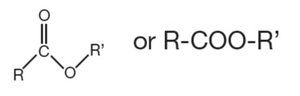
Biologically Important Functional Groups
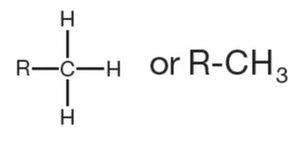
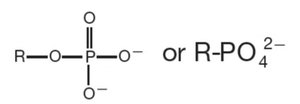
Functional groups are specific groups of atoms within molecules that have characteristic properties and reactivity. They are critical in determining the behavior of biomolecules.
Functional Group | Structure |
|---|---|
Hydroxyl |
|
Amino |
|
Carboxyl |
|
Ester |
|
Methyl |
|
Phosphate |
|
Acids, Bases, and Solutions
Acids, Bases, and Salts
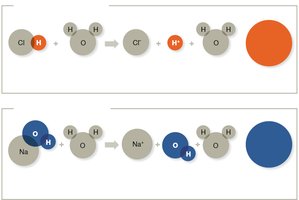
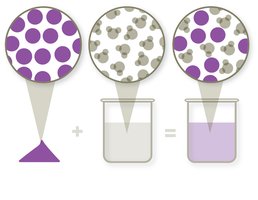
Acids release hydrogen ions (H+) in solution, while bases release hydroxide ions (OH-). Salts are formed when acids and bases react. The concentration of a solution is determined by the amount of solute in a given volume of solvent. Molarity (mol/L) and weight-volume proportion (e.g., mg/mL) are common measures of concentration.
pH: A Measure of Acidity
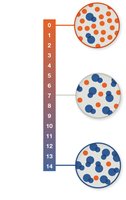
The pH scale (0–14) measures the acidity or basicity of a solution. A pH less than 7 is acidic, pH 7 is neutral, and pH greater than 7 is basic. Most microbes grow best at pH 6.5–8.5. Buffers help stabilize pH in biological systems.
Chemical Bonds
Ionic Bonds
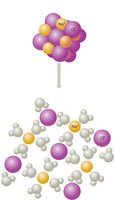
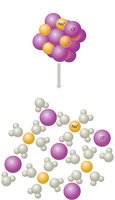
Ionic bonds are formed by the electrostatic attraction between oppositely charged ions, typically when electrons are transferred from one atom to another. When ionic compounds dissolve in water, the resulting free ions are called electrolytes.
Covalent Bonds
Covalent bonds involve the sharing of electron pairs between atoms. Single, double, or triple covalent bonds can form depending on the number of shared electron pairs. Carbon, the core atom of organic molecules, can form four covalent bonds and is capable of catenation (forming long chains).
Polar Covalent Bonds and Hydrogen Bonds
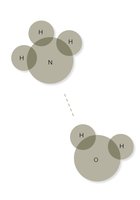
Polar covalent bonds result from unequal sharing of electrons, creating partial charges (dipoles). Hydrogen bonds are noncovalent attractions between a hydrogen atom (partially positive) and an electronegative atom (partially negative), important in stabilizing biological molecules.
Hydrophobic, Hydrophilic, and Amphipathic Molecules
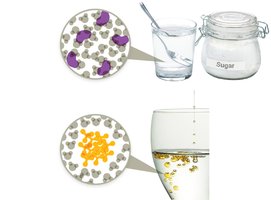
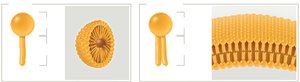
Hydrophilic substances dissolve readily in water, while hydrophobic substances do not. Amphipathic molecules have both hydrophilic and hydrophobic regions, allowing them to form structures like micelles and lipid bilayers.
Chemical Reactions
Synthesis and Decomposition Reactions
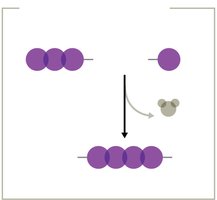
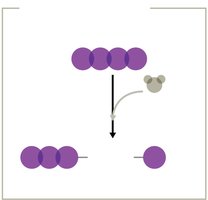
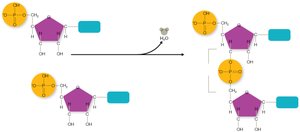
Synthesis reactions build larger molecules from smaller ones, often releasing water (dehydration synthesis). Decomposition reactions break down molecules, often by adding water (hydrolysis).
Exchange Reactions
Exchange reactions involve swapping components between molecules, including single and double exchange reactions.
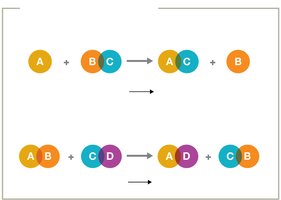
Energy in Chemical Reactions
Chemical reactions require activation energy to proceed. Exergonic reactions release more energy than they consume, while endergonic reactions require more energy input than they release.
Biomolecules
Carbohydrates
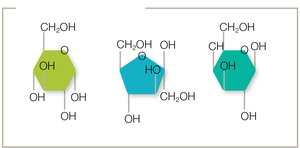
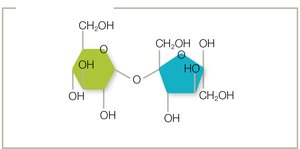
Carbohydrates are organic molecules consisting of one or more sugar monomers (monosaccharides). Disaccharides are two monosaccharides linked by glycosidic bonds, and polysaccharides are long chains of monosaccharides. Carbohydrates serve as energy sources, structural components, and are involved in cell adhesion and communication.
Lipids
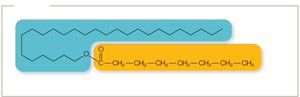
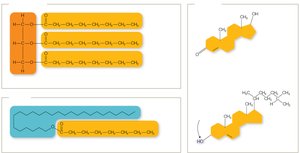
Lipids include fats, oils, waxes, and steroids. They are hydrophobic or amphipathic molecules that serve as energy sources, structural components of cell membranes, and signaling molecules. Saturated lipids lack double bonds and are solid at room temperature, while unsaturated lipids have double bonds and are liquid at room temperature. Steroids have a characteristic four-ring structure.
Nucleic Acids
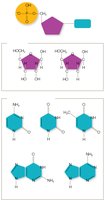
Nucleic acids (DNA and RNA) are polymers of nucleotides, each consisting of a five-carbon sugar, phosphate group(s), and a nitrogenous base. DNA is double-stranded and contains adenine, guanine, cytosine, and thymine; RNA is single-stranded and contains uracil instead of thymine. Nucleic acids store genetic information and direct protein synthesis.
ATP: Adenosine Triphosphate
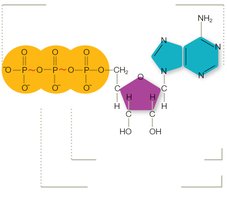
ATP is a ribonucleotide that serves as the primary energy currency of the cell. Energy is released when phosphate groups are cleaved from ATP.
Proteins
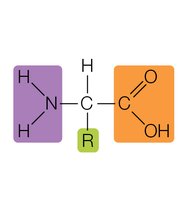
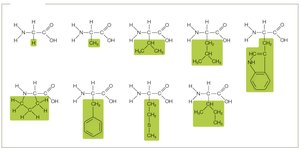
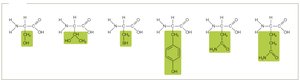
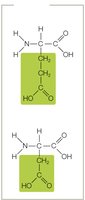
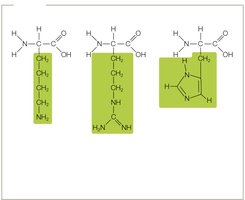
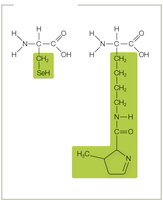
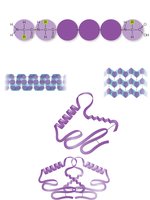
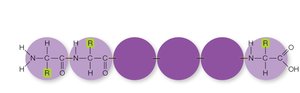
Proteins are polymers of amino acids linked by peptide bonds. Each amino acid has an amine group, a carboxyl group, and a variable side chain (R group). Proteins have four levels of structure: primary (sequence), secondary (alpha-helices and beta-sheets), tertiary (3D folding), and quaternary (multiple polypeptides). Protein function depends on its structure and includes catalysis (enzymes), structural support, transport, recognition, and communication.