 Indietro
Chapter 1: The Main Themes of Microbiology – Book Notes
Guida di studio - Note intelligenti
 Appunti personalizzati basati sui tuoi materiali, ampliati con definizioni chiave, esempi e contesto.
Introduction to Microbiology
The Scope of Microbiology
Microbiology is the branch of biology that studies organisms too small to be seen with the naked eye, known as microorganisms or microbes. While only a small fraction of microbes cause harm, they are essential to life on Earth and have diverse roles in health, industry, and the environment.
Types of Microorganisms: Bacteria, Archaea, Fungi, Protozoa, Helminths (parasitic worms), Viruses, and Prions.
Professions Using Microbiology: Medicine, public health, epidemiology, immunology, industrial microbiology, agricultural microbiology, and environmental microbiology.
Major Groups of Microorganisms
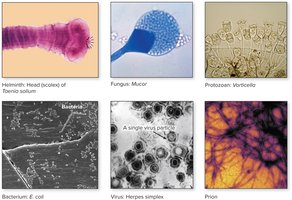
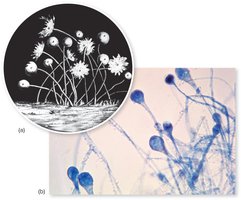
Cellular: Bacteria, Archaea, Fungi, Protozoa, Helminths
Noncellular: Viruses, Prions
Microbes reproduce rapidly and can be grown in large populations in the laboratory, but require indirect methods and microscopes for study.
Branches of Microbiology
Medical Microbiology: Studies microbes that cause diseases in humans and animals.
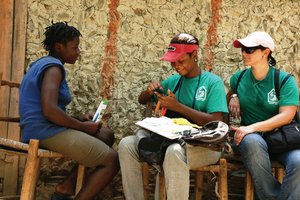
Public Health Microbiology & Epidemiology: Monitors and controls the spread of diseases in communities.
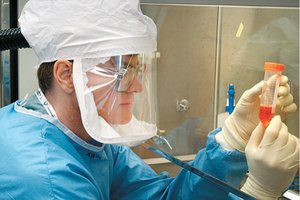
Immunology: Studies the immune system and responses to infection, including vaccination and allergy testing.
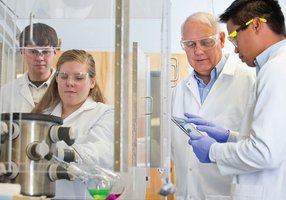
Industrial Microbiology: Uses microbes to produce products such as amino acids, beer, drugs, enzymes, and vitamins.

Agricultural Microbiology: Examines relationships between microbes and crops or livestock.
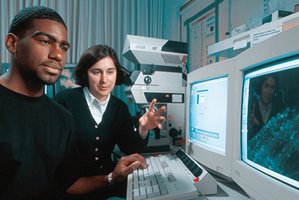
Environmental Microbiology: Studies the effects of microbes on earth’s habitats, including aquatic and soil environments.

The Impact of Microbes on Earth
Microbes and Evolution
Microbes have shaped the development of Earth's habitats and the evolution of life for billions of years. The earliest cells were microbial, with bacteria and archaea predating eukaryotes by billions of years.
Eukaryotes: Cells with a true nucleus.
Akaryotes: Cells without a nucleus (bacteria and archaea).
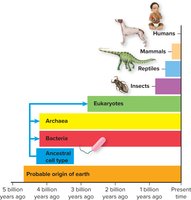
Bacteria are ubiquitous, found in diverse environments from deep in the earth’s crust to inside living organisms.
Microbial Roles in Ecosystems
Photosynthesis: Bacteria invented photosynthesis, first anoxygenic and later oxygenic, which allowed for the diversification of life.
Oxygen Production: Photosynthetic bacteria and algae contribute over 70% of the earth’s oxygen.
Decomposition: Bacteria and fungi break down dead matter and wastes, recycling nutrients.


Microbes drive the structure and content of soil, water, and atmosphere through gas production and complex associations with plants and animals.
Theory of Evolution
Evolution: The accumulation of changes in organisms as they adapt to their environments.
Theory of Evolution: A well-established, observable, and testable scientific explanation for the diversity of life.
Human Use of Microorganisms
Traditional and Modern Applications
Humans have used microbes for thousands of years in food production and medicine. Modern biotechnology manipulates microbes for industrial and medical purposes.
Traditional Uses: Yeast for bread, wine, and beer; fungi for cheese; moldy bread for wound treatment in ancient Egypt.
Biotechnology: Industrial use of microbes to produce products (e.g., drugs, enzymes, vitamins).
Recombinant DNA Technology: Genetic manipulation of microbes, plants, and animals to create GMOs.
Bioremediation: Use of microbes to clean up environmental pollutants.



Infectious Diseases and the Human Condition
Pathogens and Disease Burden
A pathogen is any agent (virus, bacterium, fungus, protozoan, or helminth) that causes disease. Nearly 2,000 different microbes are known to cause disease in humans.
Major Causes of Death
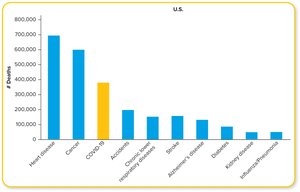
In the U.S., leading causes of death include heart disease, cancer, COVID-19, and infectious diseases like influenza and pneumonia.
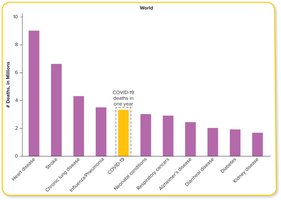
Worldwide, infectious diseases such as COVID-19, influenza, pneumonia, and diarrheal diseases are major causes of death, especially in developing countries.
Communicable vs. Noncommunicable Diseases
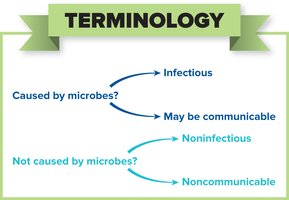
Communicable diseases: Caused by microbes and can be transmitted between individuals.
Noncommunicable diseases: Not caused by microbes and not transmissible.
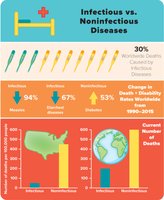
Emerging and reemerging diseases (e.g., SARS-CoV-2, Ebola, AIDS) are increasing, while some diseases (e.g., polio, leprosy) have been largely eradicated. Some diseases once considered noninfectious are now linked to microbes (e.g., gastric ulcers, certain cancers, diabetes, schizophrenia).
General Characteristics of Microorganisms
Cellular and Acellular Microbes
Microorganisms can be classified based on their cellular structure and complexity.
Bacteria and Archaea: Single-celled, lack organelles, about 10× smaller than eukaryotic cells.
Eukaryotes: Single-celled or multicellular, contain organelles such as nucleus, mitochondria, and chloroplasts.
Acellular Microorganisms: Viruses (DNA or RNA in a protein coat), Prions (infectious proteins).
Historical Foundations of Microbiology
Development of Microbiology
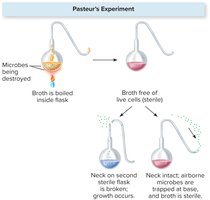
Microbiology developed from early observations of disease transmission and the eventual rejection of spontaneous generation. The invention of the microscope allowed for the direct observation of microbes.
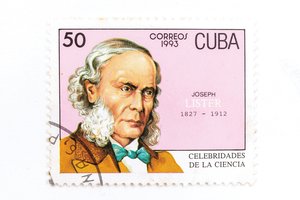
Key Figures: Robert Hooke, Antonie van Leeuwenhoek, Louis Pasteur, Robert Koch, Joseph Lister, John Tyndall, Oliver Wendell Holmes, Ignaz Semmelweis.
Scientific Method: Involves hypothesis formation, experimentation, analysis, and theory development.



Naming, Classifying, and Identifying Microorganisms
Taxonomy and Nomenclature
Microorganisms are named and classified using a hierarchical system. The binomial system uses genus and species names (e.g., Staphylococcus aureus or S. aureus).
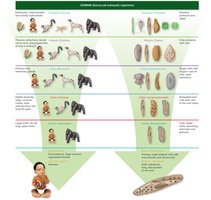
Taxonomic Categories (from most general to most specific): Domain, Kingdom, Phylum, Class, Order, Family, Genus, Species.
Three Domains: Bacteria, Archaea, Eukarya.
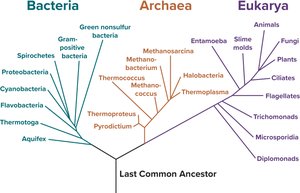
Modern taxonomy uses molecular genetics, such as ribosomal RNA sequences, to determine evolutionary relationships.
