 Indietro
Chapter 1: The Microbial World and You – Study Notes
Guida di studio - Note intelligenti
 Appunti personalizzati basati sui tuoi materiali, ampliati con definizioni chiave, esempi e contesto.
Introduction to Microbiology
The Microbial World
Microbiology is the study of microorganisms, which are organisms too small to be seen with the unaided eye. These include bacteria, fungi, protozoa, microscopic algae, and viruses. Microbes play essential roles in various aspects of human life and the environment.
Microorganisms are ubiquitous and impact health, industry, and ecology.
Some microbes are pathogenic (disease-causing), but most are beneficial.
Microbes decompose organic waste, generate oxygen, produce chemicals, and are used in food production.
Understanding microbes helps prevent food spoilage, disease, and epidemics.
Naming and Classifying Microorganisms
Scientific Nomenclature
Microorganisms are named using a binomial system: the genus and the specific epithet. This system is standardized and Latinized for universal use.
Names are italicized or underlined.
The genus is capitalized; the specific epithet is lowercase.
Names may be descriptive or honor scientists.
After first use, names may be abbreviated (e.g., Escherichia coli becomes E. coli).
Example: Staphylococcus aureus
Staphylococcus: clustered, spherical cells
aureus: gold-colored colonies
Types of Microorganisms
Overview of Microbial Groups
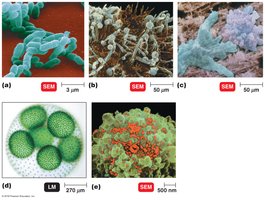
Microorganisms are classified into several groups based on their cellular structure and function.
Bacteria: Prokaryotes, peptidoglycan cell walls, divide by binary fission, diverse nutrition.
Archaea: Prokaryotes, lack peptidoglycan, often live in extreme environments (methanogens, halophiles, thermophiles).
Fungi: Eukaryotes, chitin cell walls, absorb organic chemicals, include yeasts (unicellular), molds, and mushrooms (multicellular).
Protozoa: Eukaryotes, motile via pseudopods, cilia, or flagella, free-living or parasitic.
Algae: Eukaryotes, cellulose cell walls, photosynthetic, produce oxygen and carbohydrates.
Viruses: Acellular, DNA or RNA core, protein coat, replicate only in living host cells.
Multicellular Animal Parasites: Eukaryotes, include helminths (flatworms, roundworms), some microscopic stages.
Classification of Microorganisms
The Three-Domain System
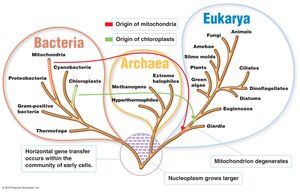
Microorganisms are classified into three domains based on cellular organization, as developed by Carl Woese:
Bacteria: Prokaryotic cells
Archaea: Prokaryotic cells, distinct from bacteria
Eukarya: Eukaryotic cells (includes protists, fungi, plants, animals)
Microbes and Human Welfare
Beneficial Activities of Microorganisms
Microbes contribute to human welfare in numerous ways:
Recycle vital elements (carbon, oxygen, nitrogen, sulfur, phosphorus)
Degrade organic matter in sewage
Detoxify pollutants (oil, mercury)
Used in biotechnology for food, chemicals, and disease treatment
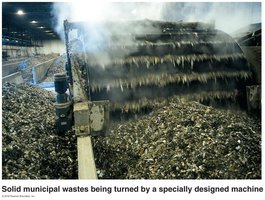
Bioremediation
Bioremediation is the use of microbes to clean up pollutants. Bacteria can degrade organic matter and detoxify hazardous substances.
Used in sewage treatment and environmental cleanup
Important for sustainable waste management
Insect Pest Control by Microorganisms
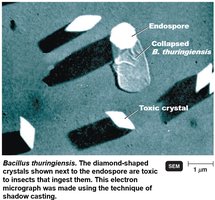
Microbes such as Bacillus thuringiensis are used as biological insecticides, providing alternatives to chemical pesticides.
Pathogenic to insects, harmless to animals and plants
Used to prevent crop damage and disease transmission
Modern Biotechnology and Recombinant DNA Technology
Biotechnology uses microbes for practical applications, including the production of foods, chemicals, proteins, vaccines, and enzymes. Recombinant DNA technology enables gene therapy and genetically modified organisms for agriculture.
Replacement of defective genes in humans (gene therapy)
Genetically modified bacteria protect crops from insects and freezing
Microbes and Human Disease
Normal Microbiota and Resistance
Normal microbiota are microbes normally present in and on the human body. They play a crucial role in health by preventing pathogen growth and producing essential growth factors.
Normal microbiota produce vitamins B and K
Resistance is the body's ability to ward off disease, aided by skin, stomach acid, and antimicrobial chemicals
Biofilms
Biofilms are masses of microbes attached to solid surfaces, such as rocks, pipes, teeth, and medical implants. They can cause infections and are often resistant to antibiotics.
Biofilms are a major concern in medical and industrial settings
They contribute to persistent infections and contamination
Emerging Infectious Diseases
Emerging infectious diseases (EIDs) are new diseases or those increasing in incidence. They arise when pathogens invade hosts and overcome resistance.
Examples: MERS, SARS, Avian influenza A (H5N1), Methicillin-resistant S. aureus, HIV
Factors contributing to EIDs include microbial evolution, environmental changes, and human behavior
Summary Table: Types of Microorganisms
Type | Cell Type | Cell Wall | Nutrition | Reproduction |
|---|---|---|---|---|
Bacteria | Prokaryote | Peptidoglycan | Organic/Inorganic/Photosynthesis | Binary fission |
Archaea | Prokaryote | No peptidoglycan | Varied | Binary fission |
Fungi | Eukaryote | Chitin | Absorption | Sexual/Asexual |
Protozoa | Eukaryote | None | Absorption/Ingestion | Sexual/Asexual |
Algae | Eukaryote | Cellulose | Photosynthesis | Sexual/Asexual |
Viruses | Acellular | None | Host-dependent | Host-dependent |
Animal Parasites | Eukaryote | Varied | Varied | Sexual/Asexual |
Key Equations and Concepts
Binary Fission (Bacterial Reproduction)
Bacteria reproduce by binary fission, a process where one cell divides into two identical cells.
Microbial Ecology
Microbial ecology studies the relationship between microorganisms and their environment, including nutrient cycling.
Check Your Understanding
Normal microbiota are beneficial microbes present in the human body, while infectious diseases result from pathogenic microbes invading and overcoming host resistance.
Biofilms are important because they cause persistent infections and are resistant to antibiotics.
Factors contributing to emerging infectious diseases include microbial evolution, environmental changes, and human behavior.
