Indietro
Characterizing and Classifying Prokaryotes: Morphology, Reproduction, and Diversity
Guida di studio - Note intelligenti
 Appunti personalizzati basati sui tuoi materiali, ampliati con definizioni chiave, esempi e contesto.
General Characteristics of Prokaryotic Organisms
Overview of Prokaryotic Diversity
Prokaryotes are the most numerous and diverse group of cellular microbes, thriving in a wide range of habitats. Only a small fraction are capable of colonizing humans and causing disease. Their diversity is reflected in their morphology, reproductive strategies, and metabolic capabilities.
Morphology of Prokaryotic Cells
Shapes of Prokaryotic Cells
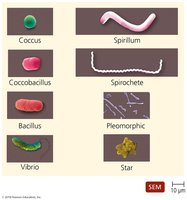
Prokaryotic cells exhibit a variety of shapes, which are important for classification and identification:
Coccus: Spherical shape
Bacillus: Rod-shaped
Spirals: Includes spirilla (stiff) and spirochetes (flexible)
Vibrio: Slightly curved rods
Coccobacillus: Intermediate between cocci and bacilli
Pleomorphic: Variable in shape and size
Other shapes: Star-shaped, triangular, and rectangular forms
Endospores
Formation and Significance
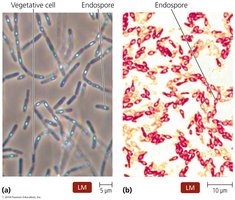
Endospores are highly resistant, dormant structures formed by certain Gram-positive bacteria such as Bacillus and Clostridium. A vegetative cell transforms into a single endospore, which can later germinate into a new vegetative cell when conditions improve. Endospores are not reproductive structures but serve as a defensive strategy against unfavorable conditions. They are of great concern in food processing and healthcare due to their resistance and association with deadly diseases like anthrax, tetanus, and gangrene.
Reproduction of Prokaryotic Cells
Modes of Asexual Reproduction
All prokaryotes reproduce asexually, primarily through three main methods:
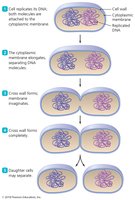
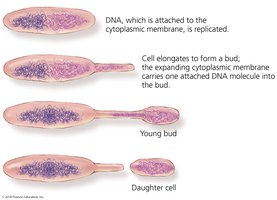
Binary Fission: The most common method, involving DNA replication, cell elongation, and division into two identical daughter cells.
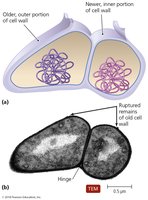
Snapping Division: A variation of binary fission where only the inner cell wall is deposited, leading to a snapping movement that separates daughter cells, which often remain attached.
Budding: The parental cell forms a bud that grows and eventually detaches as a new cell.
Other Reproductive Strategies
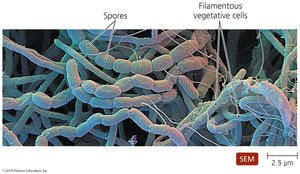
Spores in Actinomycetes: Some filamentous bacteria produce spores at the ends of filaments, which can develop into new organisms.
Fragmentation: Some prokaryotes reproduce by fragmenting into small, motile filaments.
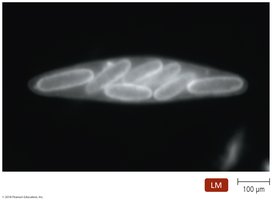
Viviparity: In rare cases, such as Epulopiscium, live offspring emerge from the body of the dead mother cell, a phenomenon known as viviparity.
Arrangements of Prokaryotic Cells
Cocci Arrangements
The arrangement of cocci depends on the planes of division and whether daughter cells separate:
One plane: Diplococci, Streptococci
Two planes: Tetrads
Three planes: Sarcinae (cuboidal packets)
Random planes: Staphylococci (clusters)
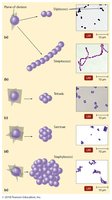
Bacilli Arrangements
Bacilli typically divide transversely, resulting in less varied arrangements:
Single bacilli
Diplobacilli (pairs)
Streptobacilli (chains)
Palisade (V-shaped or side-by-side arrangement due to snapping division)
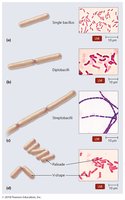
Modern Prokaryotic Classification
Three Domains of Life
Modern classification of prokaryotes is based on genetic relatedness, dividing all life into three domains:
Archaea
Bacteria
Eukarya
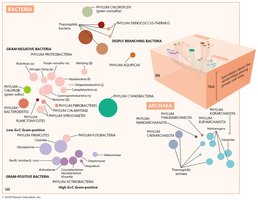
Survey of Archaea
General Features
Archaea are prokaryotes that lack true peptidoglycan in their cell walls and have unique membrane lipids. They reproduce by binary fission, budding, or fragmentation and are classified into several phyla, with Crenarchaeota and Euryarchaeota being the most prominent. Most archaea are not known to cause disease.
Extremophiles
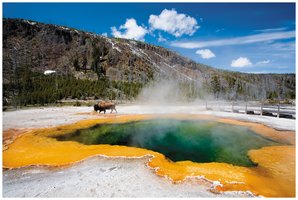
Many archaea are extremophiles, thriving in extreme environments:
Thermophiles: Require high temperatures (above 45°C); some are hyperthermophiles (above 80°C).
Halophiles: Inhabit highly saline environments, requiring over 9% NaCl.

Methanogens
Methanogens are obligate anaerobes that produce methane from carbon dioxide, hydrogen, and organic acids. They play a significant role in the carbon cycle and are found in environments such as animal colons and sediments.
Survey of Bacteria
Deeply Branching and Phototrophic Bacteria
Deeply branching bacteria are thought to resemble the earliest forms of life and are autotrophic, often inhabiting extreme environments. Phototrophic bacteria use light energy for anabolism and are divided into groups based on pigments and electron donors. The most notable group is the cyanobacteria, which are oxygenic phototrophs and played a key role in oxygenating Earth's atmosphere. Some cyanobacteria can fix nitrogen in specialized cells called heterocysts.
G + C Content in Gram-Positive Bacteria
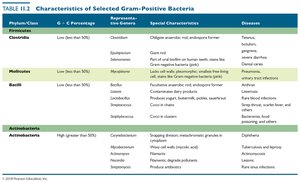
The percentage of guanine-cytosine (G + C) base pairs in the genome is used to classify Gram-positive bacteria:
Low G + C bacteria: Less than 50% G + C content
High G + C bacteria: 50% or more G + C content
Low G + C Gram-Positive Bacteria
Clostridia: Obligate anaerobes, many form endospores, cause diseases like tetanus and botulism.
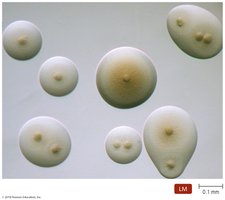
Mycoplasmas: Lack cell walls, pleomorphic, smallest free-living cells, associated with pneumonia and UTIs.
Bacillus: Endospore-forming, includes B. anthracis (anthrax) and B. thuringiensis (insecticide).
Listeria: Can grow at refrigeration temperatures, causes listeriosis.
Lactobacillus: Non-spore-forming, beneficial in food production and microbial antagonism.
Streptococcus and Enterococcus: Cause a variety of diseases, some strains are multi-drug resistant.
Staphylococcus: Includes S. aureus, a common human inhabitant and pathogen (e.g., MRSA).
High G + C Gram-Positive Bacteria (Phylum Actinobacteria)
Corynebacterium: Pleomorphic, stores phosphate in metachromatic granules, causes diphtheria.
Mycobacterium: Acid-fast, slow-growing due to mycolic acid, causes tuberculosis and leprosy.
Actinomycetes: Form branching filaments, important in soil ecology and antibiotic production.
Survey of Gram-Negative Bacteria
Proteobacteria
Proteobacteria is the largest and most diverse group of Gram-negative bacteria, divided into six classes based on rRNA sequences:
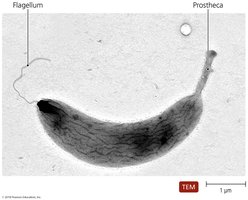
Alphaproteobacteria: Aerobes with prosthecae, nitrogen fixers (e.g., Rhizobium), and pathogens (e.g., Rickettsia).
Betaproteobacteria: Includes nitrifiers (e.g., Nitrosomonas), and pathogens (e.g., Neisseria, Bordetella).
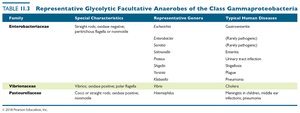
Gammaproteobacteria: Largest class, includes Legionella, Coxiella, enteric bacteria (e.g., Escherichia coli), and Pseudomonas.
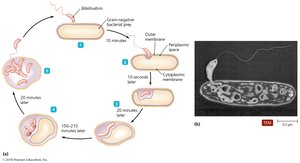
Deltaproteobacteria: Includes Desulfovibrio, Bdellovibrio (bacterial predators), and myxobacteria (form fruiting bodies).
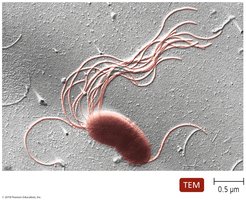
Epsilonproteobacteria: Includes Campylobacter and Helicobacter.
Zetaproteobacteria: Recently discovered, oxidize iron in marine environments.
Other Gram-Negative Bacteria
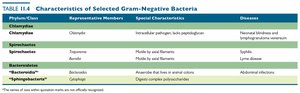
Chlamydias: Intracellular pathogens, cause neonatal blindness, pneumonia, and STDs.
Spirochetes: Flexible, helical bacteria; includes Treponema (syphilis) and Borrelia (Lyme disease).
Bacteroids: Includes Bacteroides (digestive tract inhabitant) and Cytophaga (degrades wood and sewage).