Indietro
Classification and Major Groups of Bacteria: A Microbiology Study Guide
Guida di studio - Note intelligenti
 Appunti personalizzati basati sui tuoi materiali, ampliati con definizioni chiave, esempi e contesto.
Bacterial Classification and Identification
Overview of Bacterial Classification
Bacteria are classified and identified using a variety of structural, metabolic, and genetic characteristics. Accurate classification is essential for understanding bacterial diversity, ecology, and medical importance.
Bergey’s Manual: The primary reference for bacterial classification, organizing bacteria based on phenotypic and genotypic traits.
Cell Wall Characteristics: Gram stain (distinguishes Gram-positive and Gram-negative), acid-fast stain, and other staining techniques are used to differentiate bacteria based on cell wall composition.
Cell Shape and Arrangement: Common shapes include bacillus (rod), coccus (spherical), and spirillum (spiral). Arrangements include pairs, chains, clusters, etc.
Oxygen Requirements: Bacteria may be aerobic, anaerobic, facultative anaerobes, or microaerophilic.
Motility: Some bacteria are motile (e.g., monotrichous, peritrichous flagella), while others are non-motile.
Nutritional and Metabolic Properties: Utilization of different substrates and production of specific waste products aid in identification.
Ribosomal RNA Sequences: Molecular techniques, especially 16S rRNA sequencing, are used for precise phylogenetic classification.
Major Groups of Gram-Negative Bacteria
Aerobic/Microaerophilic, Gram-Negative Helical/Vibroid Bacteria
These bacteria are characterized by their helical or comma-shaped morphology and their requirement for oxygen or low oxygen environments. They are typically found in water or agricultural settings and are not usually medically significant, with some exceptions.
Helical: One twist (helix), e.g., Helicobacter pylori (causes stomach ulcers).
Vibroids: Comma-shaped, with only one curve.
Aerobic, Gram-Negative Rods and Cocci
This group includes many medically important bacteria, as well as environmental species. They are often found in association with humans and animals.
Pseudomonas spp.: Rod-shaped, polar flagella, often pigmented. Most are non-pathogenic, but Pseudomonas aeruginosa is an opportunistic pathogen, especially in burns and wounds, and is resistant to some antiseptics due to unique metabolism.
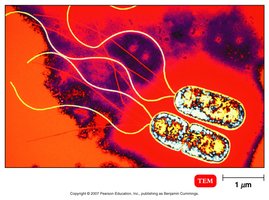
Legionella spp.: Found in aquatic environments; causes Legionnaire's disease (legionellosis pneumonia).
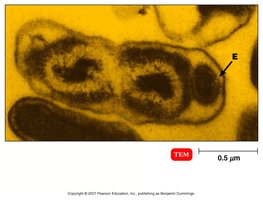
Neisseria spp.: Non-endospore forming diplococci, found on human mucous membranes. Includes Neisseria gonorrhoeae (gonorrhea) and Neisseria meningitidis (meningitis).
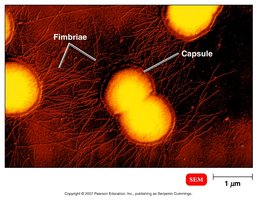
Moraxella lacunata: Causes conjunctivitis (pink eye).
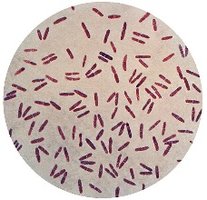
Brucella spp.: Resistant to phagocytosis; can cause brucellosis, a disease with systemic symptoms.
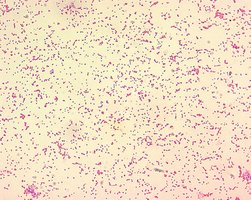
Bordetella pertussis: Encapsulated bacteria causing whooping cough by colonizing the tracheal epithelium.
Facultatively Anaerobic, Gram-Negative Rods
These bacteria can grow with or without oxygen and include many important pathogens and commensals, especially in the family Enterobacteriaceae (enterics).
Enterobacteriaceae: Common in animal intestines, ferment carbohydrates, often peritrichous with fimbriae. Some produce bacteriocins (toxins against other bacteria).
Escherichia coli: Normal gut resident; some strains cause disease if introduced to new body sites.
Salmonella spp.: Cause food poisoning; classified by capsule, cell wall, and flagella. S. typhi causes typhoid fever; S. enteritidis causes salmonellosis.
Shigella spp.: Causes bacterial dysentery.
Klebsiella pneumoniae: Common cause of hospital-acquired infections.
Serratia marcescens: Hospital-acquired infections; produces red pigment.
Proteus spp.: Common cause of diarrhea in infants; known for swarming motility on agar plates.
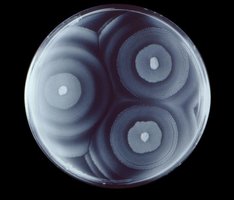
Yersinia pestis: Responsible for the Black Plague; transmitted by fleas from rodents.
Vibrionaceae: Comma-shaped rods; Vibrio cholerae causes cholera (severe watery diarrhea).
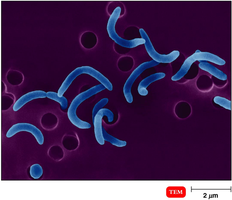
Pasteurellaceae: Includes Haemophilus spp. (opportunistic infections in respiratory, digestive, and urogenital tracts) and Gardnerella spp. (common cause of vaginal infection).
Anaerobic, Gram-Negative Rods
These bacteria thrive in environments with little or no oxygen, such as the intestines and oral cavity. Most are harmless or beneficial, but some can be pathogenic if displaced.
Bacteroides spp.: Common in the gut; can cause peritoneal infections if intestinal walls are breached.
Fusobacterium spp.: Normal in the mouth; can contribute to dental cavities if overgrown.
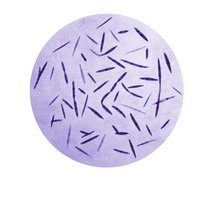
Obligate Intracellular Parasites
These bacteria must live and reproduce inside host eukaryotic cells. They are often transmitted by vectors and can cause systemic diseases.
Rickettsia spp.: Pleomorphic, Gram-negative, transmitted by ticks/insects. Cause diseases like Rocky Mountain Spotted Fever.
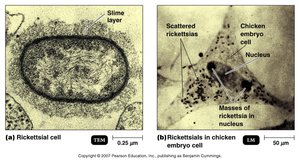
Chlamydia spp.: Gram-negative cocci, transmitted by direct contact or respiratory routes. Includes Chlamydia trachomatis (causes urethritis and trachoma).
Major Groups of Gram-Positive Bacteria
Gram-Positive Cocci
Gram-positive cocci are spherical bacteria, often found in clusters or chains. They are common in the human body and include both harmless and pathogenic species.
Staphylococcus spp.: Grow in clusters; common on skin and mucous membranes. Staphylococcus aureus can cause toxic shock syndrome and food poisoning, and is known for antibiotic resistance.
Streptococcus spp.: Grow in chains; classified by hemolysis on blood agar (alpha, beta, non-hemolytic). Responsible for diseases like scarlet fever, pharyngitis, and pneumonia.
Endospore-Forming, Gram-Positive Rods and Cocci
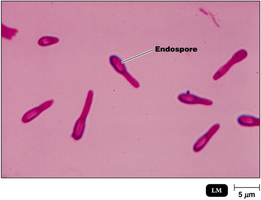
These bacteria can form endospores, allowing them to survive harsh conditions. They differ in oxygen requirements and habitats.
Bacillus anthracis: Facultative anaerobe causing anthrax; spores are highly resistant.
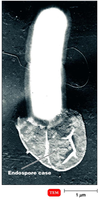
Clostridium spp.: Obligate anaerobes; includes C. tetani (tetanus), C. botulinum (botulism), and C. perfringens (gas gangrene).
Regular, Non-Sporing, Gram-Positive Rods
These rod-shaped bacteria do not form spores and have a regular morphology.
Listeria monocytogenes: Can contaminate food, especially dairy; survives phagocytes and grows at low temperatures.
Irregular, Non-Sporing, Gram-Positive Rods
These rods have irregular, often clubbed shapes and do not form spores.
Corynebacterium diphtheriae: Causes diphtheria; cells have a barred appearance due to phosphate inclusions.
Major Groups of Other Bacteria
Spirochetes
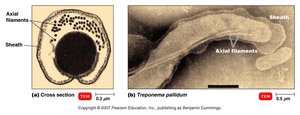
Spirochetes are motile, corkscrew-shaped bacteria that move using internal axial filaments. They are responsible for several important diseases.
Treponema pallidum: Causes syphilis.
Borrelia burgdorferi: Causes Lyme disease.
Mycoplasmas
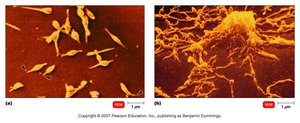
Mycoplasmas are unique bacteria lacking cell walls, making them pleomorphic and resistant to antibiotics targeting cell wall synthesis. They require special growth conditions in the lab.
Mycoplasma pneumoniae: Causes walking pneumonia; colonies have a "fried egg" appearance.
Mycobacteria
Mycobacteria are aerobic, non-endospore forming rods with a waxy cell wall rich in mycolic acids. They are acid-fast and highly resistant to drying and some antibiotics.
Mycobacterium tuberculosis: Causes tuberculosis.
Mycobacterium leprae: Causes leprosy.
Chemautotrophic Bacteria
These bacteria obtain energy from inorganic chemicals and can use carbon dioxide as their sole carbon source. They play crucial roles in nutrient cycling in ecosystems.
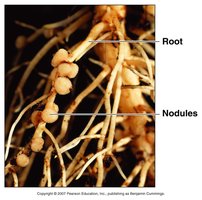
Rhizobium: A cyanobacterium that fixes atmospheric nitrogen (N2) into ammonium (NH4+).
Nitrobacter: Converts ammonium to nitrate (NO3-), a form usable by plants.
Key Equations:
Nitrogen fixation:
Nitrification:
Cyanobacteria
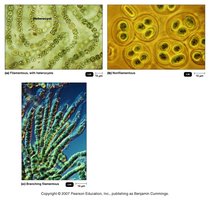
Cyanobacteria are aerobic, photosynthetic bacteria found in aquatic environments. They are major producers of atmospheric oxygen and some can fix nitrogen.
Critical for global oxygen production and ecosystem function.
Actinomycetes
Actinomycetes are filamentous bacteria commonly found in soil. Many produce natural antibiotics, some of which are used in medicine.
Important for decomposition and antibiotic production.