Indietro

Comprehensive Microbiology Final Exam Study Guide (Chapters 1, 3, 4, 5, 6, 7, 9, 10, 11, 12, 13, 14, 15, 16, 17)

Guida di studio - Impara con i video

Lezioni curate abbinate al materiale che hai caricato – impara ogni argomento passo dopo passo.

Introduction to Microbiology

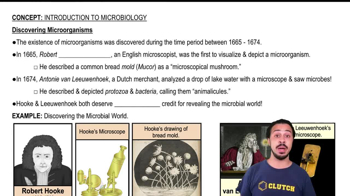
  • Discovering Microorganisms
    03:36
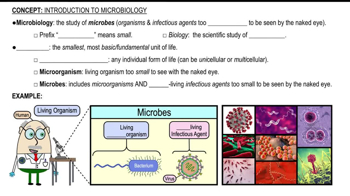
  • Introduction to Microbiology
    07:27
  • Introduction to Microbiology Channel
    1:29

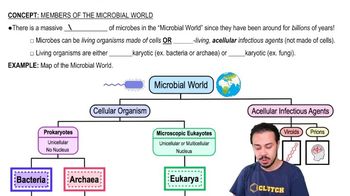
Members of the Bacterial World

  • Members of the Bacterial World
    06:17

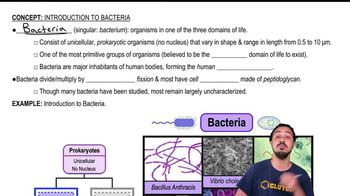
Introduction to Bacteria

  • Introduction to Bacteria
    06:18

Introduction to Prokaryotic Flagella

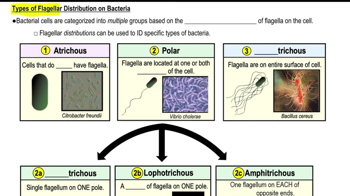
  • Types of Flagellar Distribution on Bacteria
    05:22
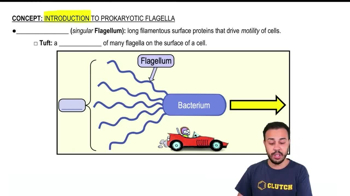
  • Introduction to Prokaryotic Flagella
    02:07

Prokaryotic Flagellar Structure

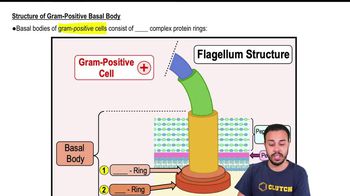
  • Structure of Gram-Positive Basal Body
    02:28
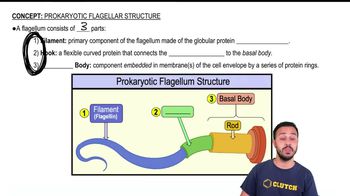
  • Prokaryotic Flagellar Structure
    02:53
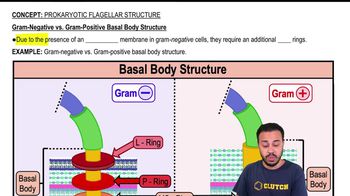
  • Gram-Negative vs. Gram-Positive Basal Body Structure
    01:59

Prokaryotic Flagellar Movement

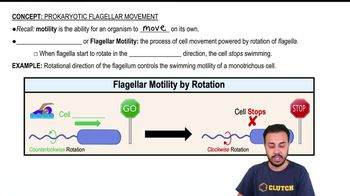
  • Prokaryotic Flagellar Movement
    02:43
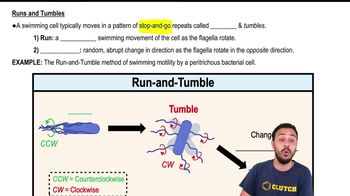
  • Runs and Tumbles
    03:17

Cell Envelope & Biological Membranes

  • Cell Envelope & Biological Membranes Example 1
    02:21
  • Biological Membranes
    02:10
  • Intro to Biological Membranes
    06:16
Gram-Positive Cell Walls

  • Teichoic Acids
    03:58
  • Gram-Positive Cell Walls
    02:59

Gram-Negative Cell Walls

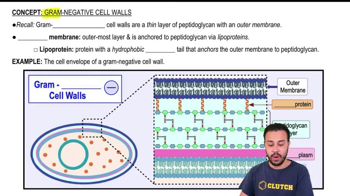
  • Gram-Negative Cell Walls
    3:04
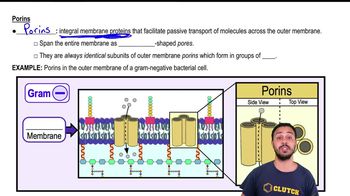
  • Porins
    02:18
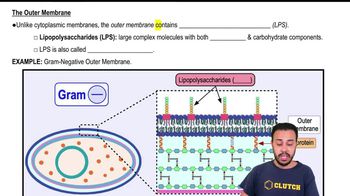
  • The Outer Membrane
    02:15

Gram-Positive vs. Gram-Negative Cell Walls

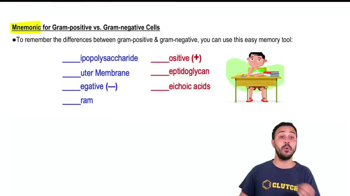
  • Mnemonic for Gram-Positive vs. Gram-Negative Cell Walls
    01:41
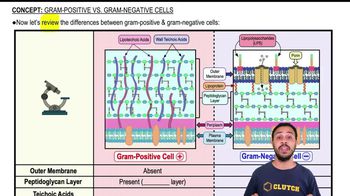
  • Gram-Positive vs. Gram-Negative Cell Walls
    04:46
Introduction to Microbial Genetics

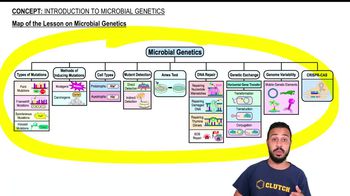
  • Map of the Lesson on Microbial Genetics
    02:04
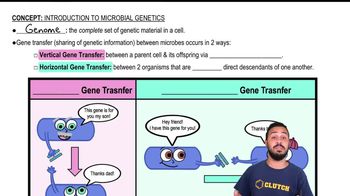
  • Introduction to Microbial Genetics
    04:20

Horizontal Gene Transfer

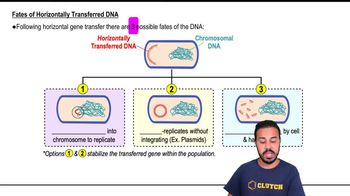
  • Fates of Horizontally Transferred DNA
    03:13
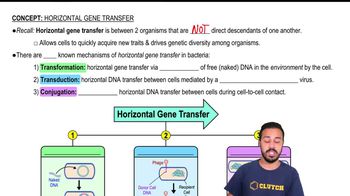
  • Horizontal Gene Transfer
    04:42
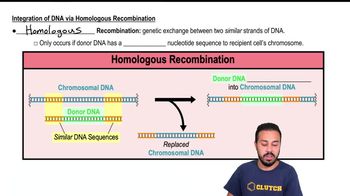
  • Integration of DNA via Homologous Recombination
    02:52

Bacterial Transformation

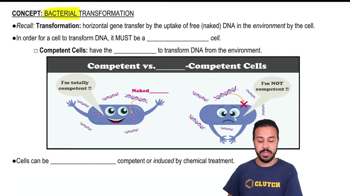
  • Bacterial Transformation
    03:06
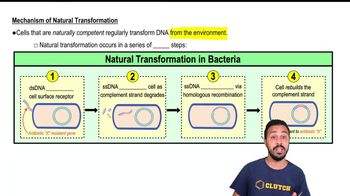
  • Mechanism of Natural Transformation
    03:49

Introduction to DNA Replication

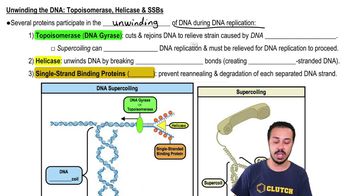
  • Unwinding the DNA:Topoisomerase, Helicase & SSBs
    05:10
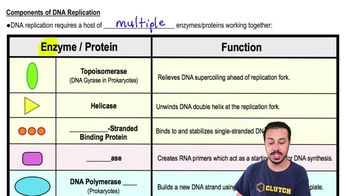
  • Components of DNA Replication
    04:47
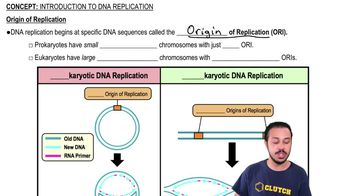
  • Origin of Replication
    03:33

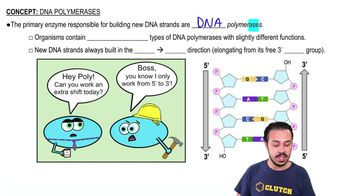
DNA Polymerases

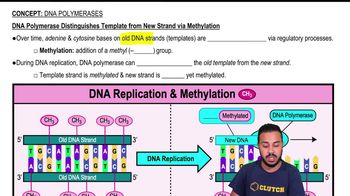
  • DNA Polymerase Distinguishes Template from New Strand via Methylation
    03:47
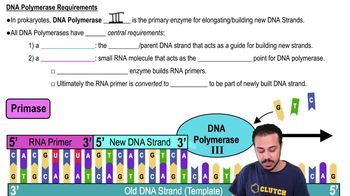
  • DNA Polymerases Requirements
    05:03
  • DNA Polymerases
    04:01

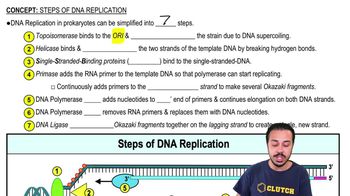
Steps of DNA Replication

  • Steps of DNA Replication
    09:29

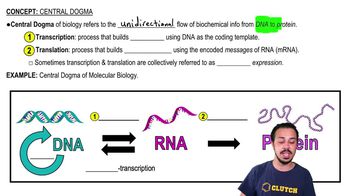
Central Dogma

  • Central Dogma
    05:45

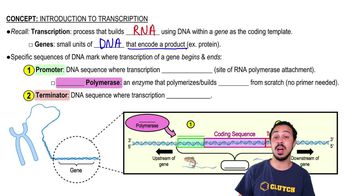
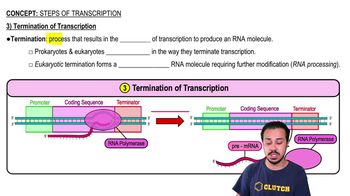
Introduction to Transcription

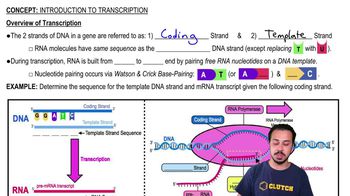
  • Overview of Transcription
    07:44
  • Introduction to Transcription
    05:51

Steps of Transcription

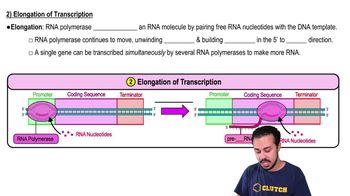
  • Elongation of Transcription
    02:44
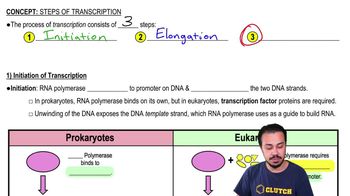
  • Initiation of Transcription
    04:16
  • Elongation of Transcription
    04:01

Introduction to Translation

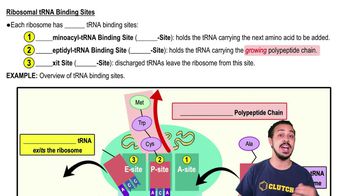
  • Ribosomal tRNA Binding Sites
    06:16
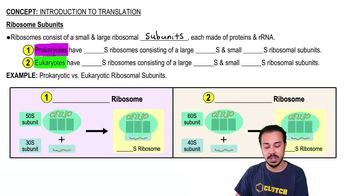
  • Ribosome Subunits
    08:42
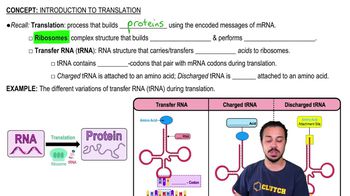
  • Introduction to Translation
    06:12

Steps of Translation

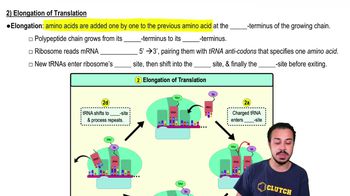
  • Elongation of Translation
    04:59
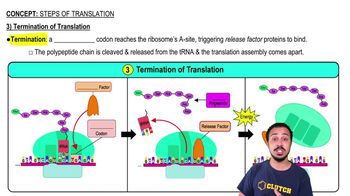
  • Termination of Translation
    02:16
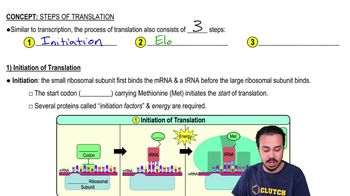
  • Steps of Translation
    05:03

Introduction to Regulation of Gene Expression

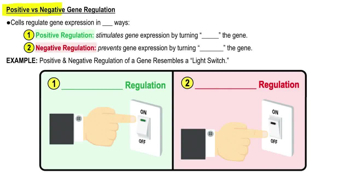
  • Positive vs Negative Gene Regulation
    02:17
  • Introduction to Regulation of Gene Expression
    06:40

Prokaryotic Gene Regulation via Operons

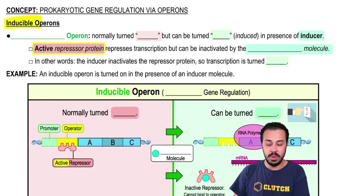
  • Inducible Operons
    04:25
  • Prokaryotic Gene Regulation via Operons
    00:53
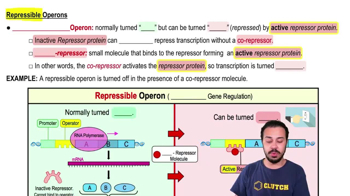
  • Repressible Operons
    03:42

The Lac Operon

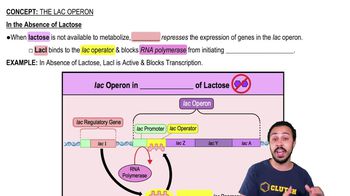
  • In the Absence of Lactose
    04:34
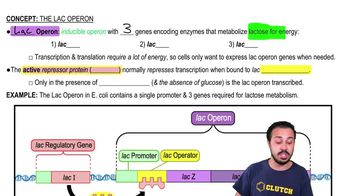
  • The Lac Operon
    07:06
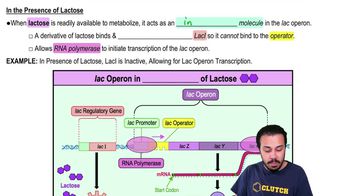
  • In the Presence of Lactose
    03:56

The Trp Operon

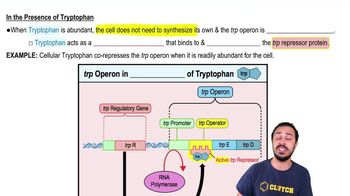
  • In the Presence of Tryptophan
    03:11
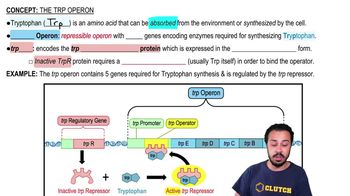
  • The Trp Operon
    05:30
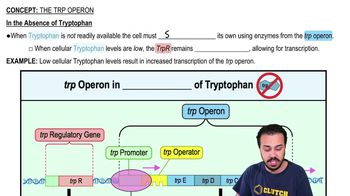
  • In the Absence of Tryptophan
    03:42

Review of the Lac Operon & Trp Operon

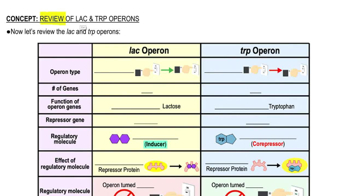
  • Review of the Lac Operon & Trp Operon
    06:24

Introduction to Viruses

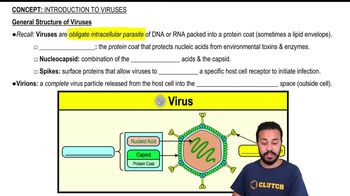
  • General Structure of Viruses
    04:47
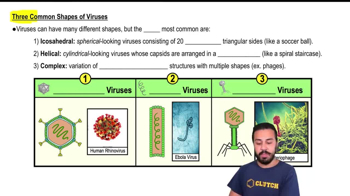
  • Three Common Shapes of Viruses
    03:19
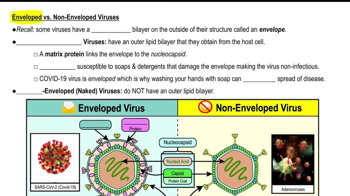
  • Enveloped vs. Non-Enveloped Viruses
    05:09

Introduction to Bacteriophage Infections

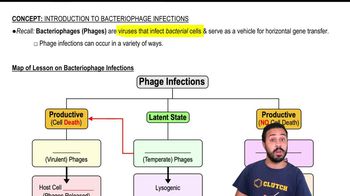
  • Map of Lesson on Bacteriophage Infections
    03:52
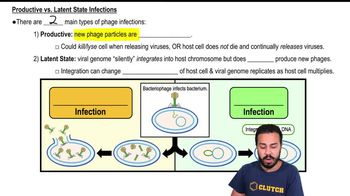
  • Productive vs. Latent State Infections
    04:09
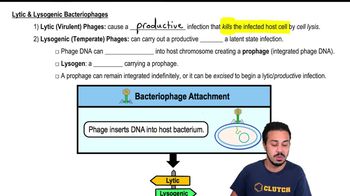
  • Lytic & Lysogenic Bacteriophages
    04:34

Bacteriophage: Lytic Phage Infections

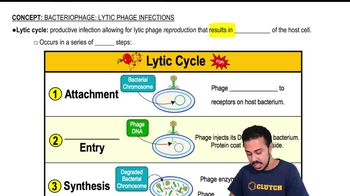
  • Bacteriophage: Lytic Phage Infections
    04:58

Bacteriophage: Lysogenic Phage Infections

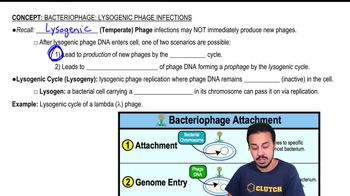
  • Bacteriophage: Lysogenic Phage Infections
    05:27
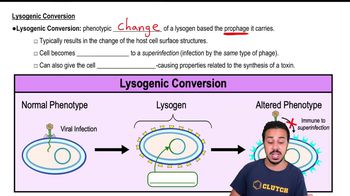
  • Lysogenic Conversion
    03:37

Introduction to Animal Virus Infections

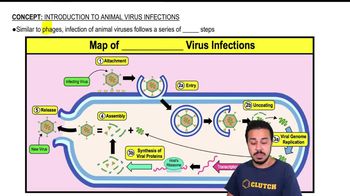
  • Introduction to Animal Virus Infections
    02:33
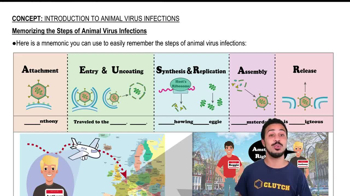
  • Memorizing the Steps of Animal Virus Infections
    01:40

Animal Viruses: 1. Attachment to the Host Cell

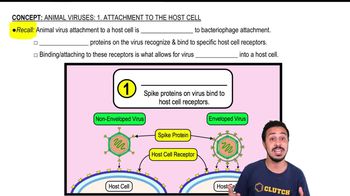
  • Animal Viruses: 1. Attachment to the Host Cell
    03:12

Animal Viruses: 2. Entry & Uncoating in the Host Cell

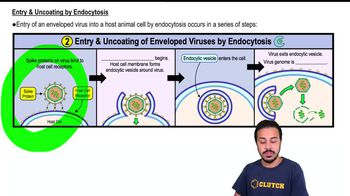
  • Entry & Uncoating by Endocytosis
    02:29
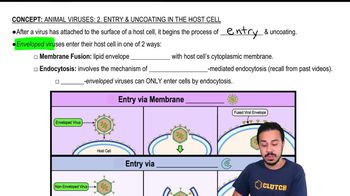
  • Animal Viruses: 2. Entry & Uncoating in the Host Cell
    04:29
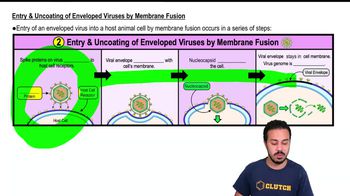
  • Entry & Uncoating of Enveloped Viruses by Membrane Fusion
    02:59

Animal Viruses: 3. Synthesis & Replication

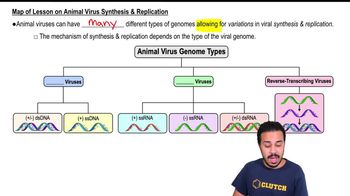
  • Map of Lesson on Animal Virus Synthesis & Replication
    03:34
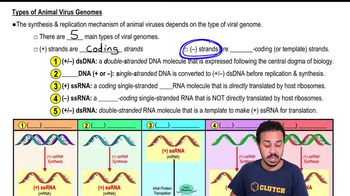
  • Types of RNA Virus Genomes
    10:46
  • Common Themes of All Virus Genomes
    02:58

Animal Viruses: DNA Virus Synthesis & Replication

  • Animal Viruses: DNA Virus Synthesis & Replication
    01:10
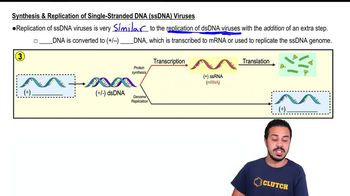
  • Replication of Single-Stranded DNA (ssDNA) Viruses
    04:12
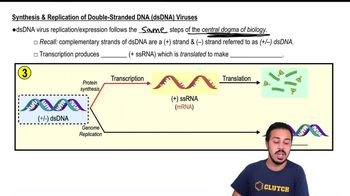
  • Replication of Double-Stranded DNA (dsDNA) Viruses
    03:58

Animal Viruses: RNA Virus Synthesis & Replication

  • Animal Viruses: RNA Virus Synthesis & Replication
    01:30
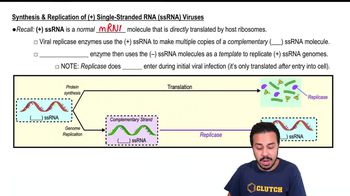
  • Replication of (+) Single Strand RNA (ssRNA) Viruses
    03:52
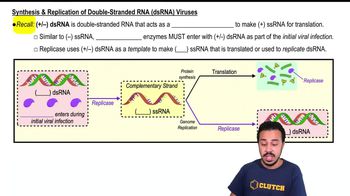
  • Replication of Double-Stranded RNA Viruses
    04:28

Animal Viruses: 4. Assembly Inside Host Cell

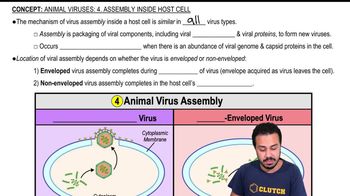
  • Animal Viruses: 4. Assembly Inside Host Cell
    04:26

Animal Viruses: 5. Release from Host Cell

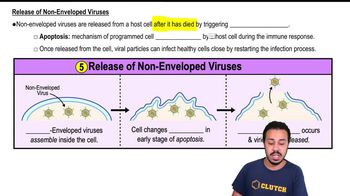
  • Release of Non-Enveloped Viruses
    02:34
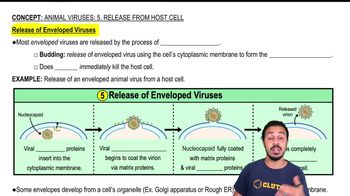
  • Release of Enveloped Viruses
    05:08

Acids and Bases

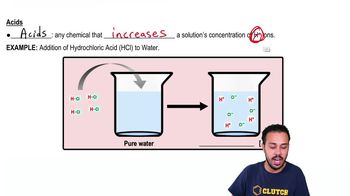
  • Acids
    03:44
  • Acids and Bases
    01:29
  • Bases
    03:48

pH Scale

  • Buffers
    05:38
  • pH Scale
    11:05

Introduction to Biomolecules

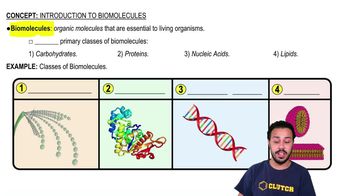
  • Introduction to Biomolecules
    01:17
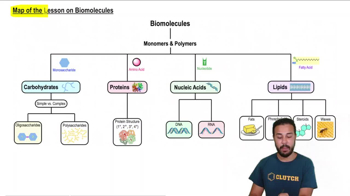
  • Map of the Lesson on Biomolecules
    01:29

Carbohydrates

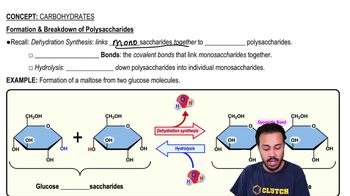
  • Formation & Breakdown of Polysaccharides
    03:08
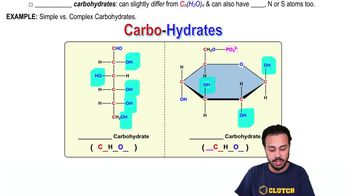
  • Carbohydrates
    04:53
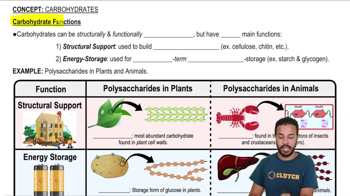
  • Carbohydrate Functions
    04:48

Proteins

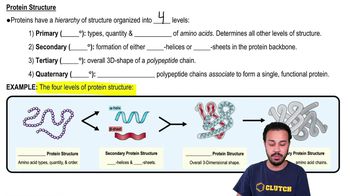
  • Protein Structure
    08:02
  • Amino Acids
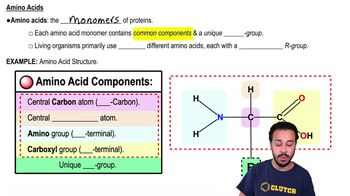
    04:37
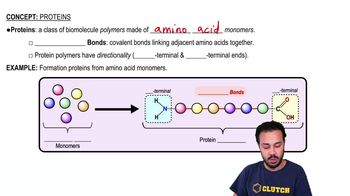
  • Proteins
    02:50

Nucleic Acids

  • Nucleic Acids Example 2
    01:05
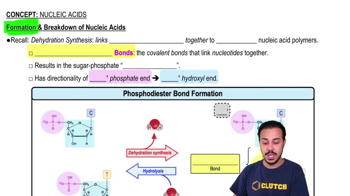
  • Formation & Breakdown of Nucleic Acids
    04:07
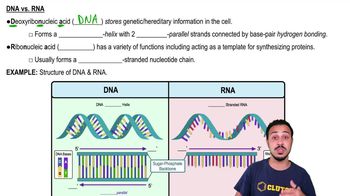
  • DNA vs. RNA
    05:57

Lipids

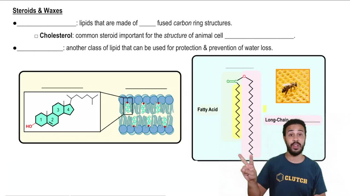
  • Steroids & Waxes
    03:31
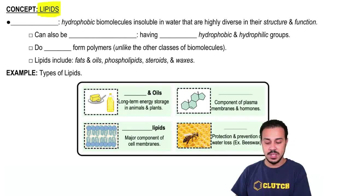
  • Lipids
    04:19
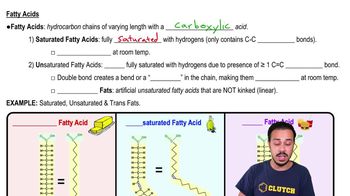
  • Fatty Acids
    06:59

Introduction to Cultivating Microbial Growth

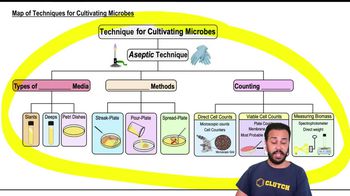
  • Map of Techniques for Cultivating Microbes
    02:05
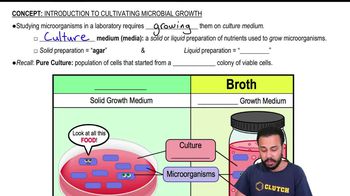
  • Introduction to Cultivating Microbial Growth
    03:49

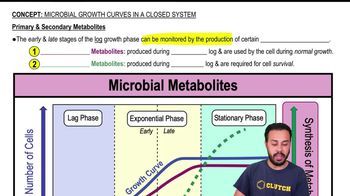
Microbial Growth Curves in a Closed System

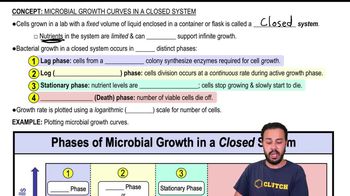
  • Microbial Growth Curves in a Closed System
    08:59
  • Primary & Secondary Metabolites
    02:33

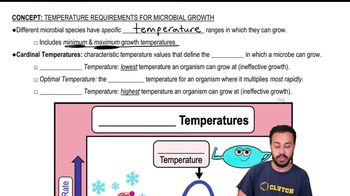
Temperature Requirements for Microbial Growth

  • Temperature Requirements for Microbial Growth
    04:16
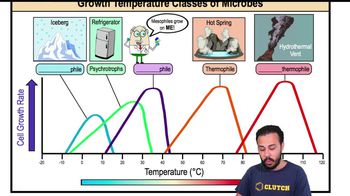
  • Classification of Microbes by Growth Temperature
    04:56
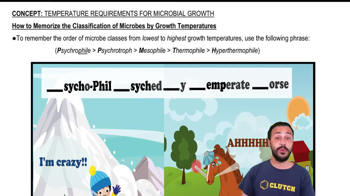
  • How to Memorize the Classification of Microbes by Growth Temperatures
    01:59

Oxygen Requirements for Microbial Growth

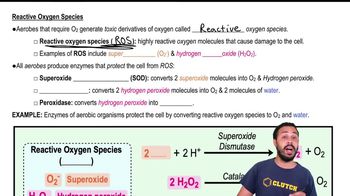
  • Reactive Oxygen Species
    04:43
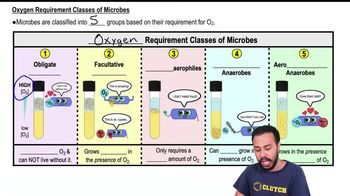
  • Oxygen Requirement Classes of Microbes
    07:27
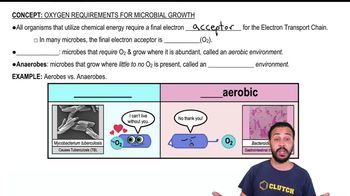
  • Oxygen Requirements for Microbial Growth
    03:52

pH Requirements for Microbial Growth

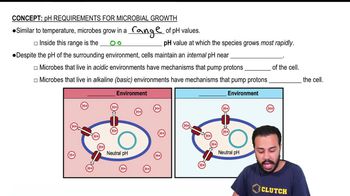
  • pH Requirements for Microbial Growth
    03:11
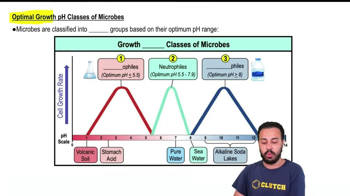
  • Optimal Growth pH Classes of Microbes
    03:23

Nutritional Factors of Microbial Growth

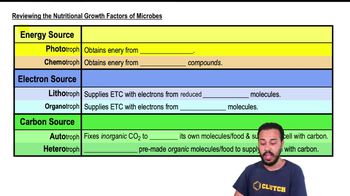
  • Reviewing the Nutritional Growth Factors of Microbes
    02:20
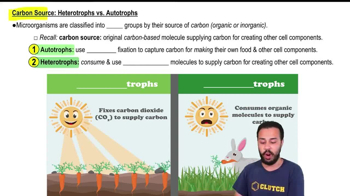
  • Carbon Source:Heterotrophs vs. Autotrophs
    02:59
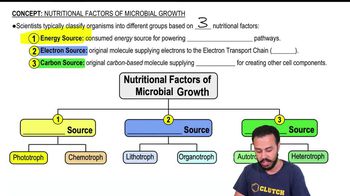
  • Nutritional Factors of Microbial Growth
    02:57

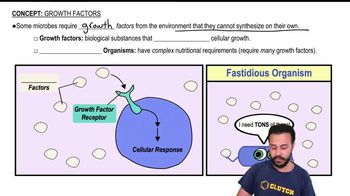
Growth Factors

  • Growth Factors
    01:55

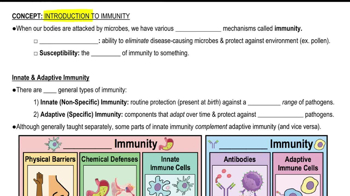
Introduction to Immunity

  • Innate vs. Adaptive Immunity
    05:52
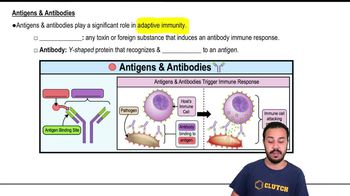
  • Antigens & Antibodies
    02:58

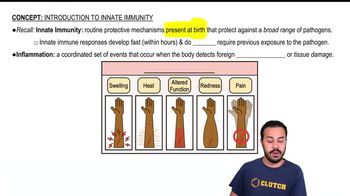
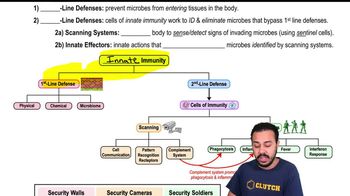
Introduction to Innate Immunity

  • Introduction to Innate Immunity
    02:30
  • Map of Lesson on Innate Immunity
    06:42

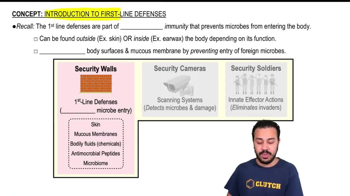
Introduction to First-Line Defenses

  • Introduction to First-Line Defenses
    01:56
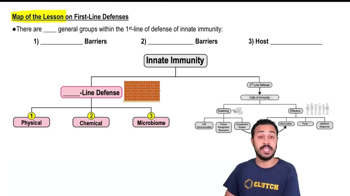
  • Map of the Lesson on First-Line Defenses
    01:37

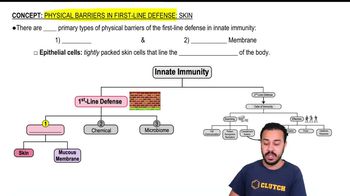
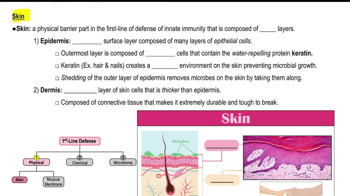
Physical Barriers in First-Line Defenses: Skin

  • Physical Barriers in First-Line Defenses: Skin
    01:28
  • Physical Barriers in First-Line Defenses: Skin
    04:08

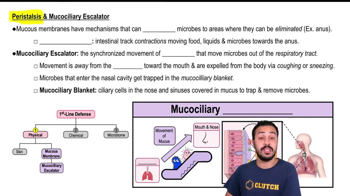
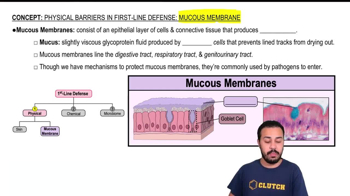
Physical Barriers in First-Line Defenses: Mucous Membrane

  • Peristalsis & Mucociliary Escalator
    04:16
  • Mucous Membranes
    02:34

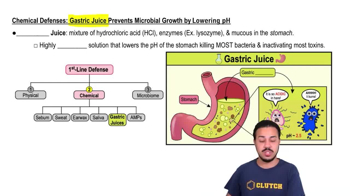
First-Line Defenses: Chemical Barriers

  • Chemical Defenses: Gastric Juice Prevents Microbial Growth by Lowering pH
    02:07
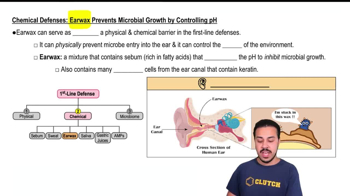
  • Chemical Defenses: Earwax Prevents Microbial Growth by Controlling pH
    02:18
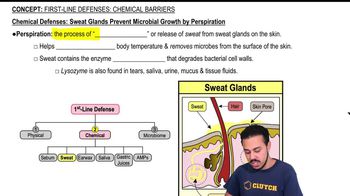
  • Chemical Defenses: Sweat Glands Prevent Microbial Growth by Perspiration
    02:04

First-Line Defenses: Normal Microbiota

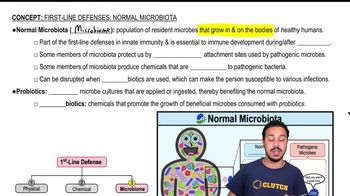
  • Normal Microbiota
    03:43

Introduction to Cells of the Immune System

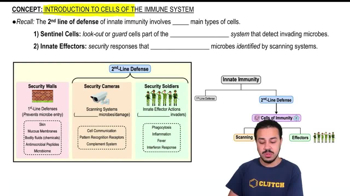
  • Introduction to Cells of the Immune System
    03:27
  • Map of the Lesson on Cells of the Immune System
    06:08
  • Hematopoiesis
    02:33

Cells of the Immune System: Granulocytes

  • Granulocytes
    03:32
  • Neutrophils
    05:32
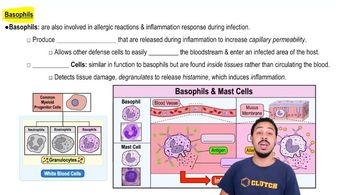
  • Basophils
    03:23

Cells of the Immune System: Agranulocytes

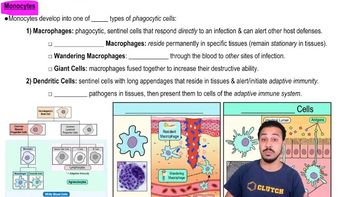
  • Monocytes
    07:16
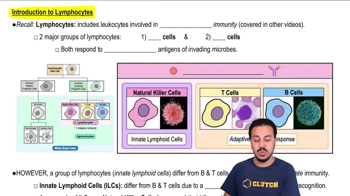
  • Introduction to Lymphocytes
    03:51
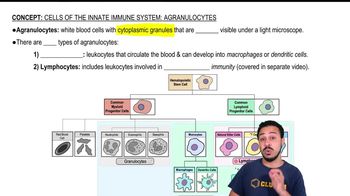
  • Agranulocytes
    03:43

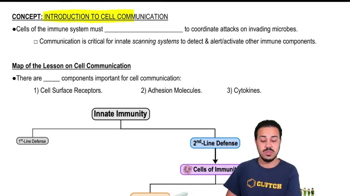
Introduction to Cell Communication

  • Introduction to Cell Communication
    02:59

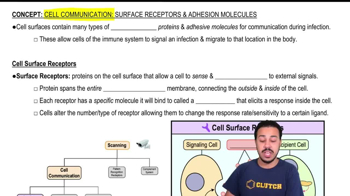
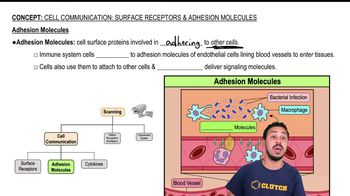
Cell Communication: Surface Receptors & Adhesion Molecules

  • Cell Surface Receptors
    04:05
  • Adhesion Molecules
    02:58

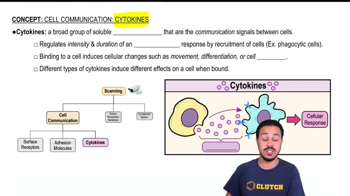
Cell Communication: Cytokines

  • Cytokines
    02:59
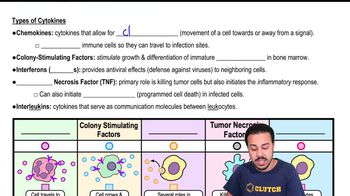
  • Types of Cytokines
    06:08
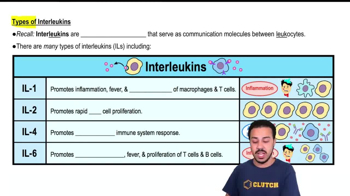
  • Types of Interleukins
    02:14

Pattern Recognition Receptors (PRRs)

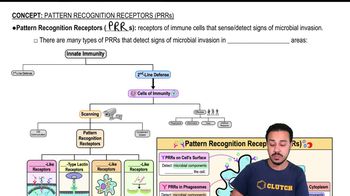
  • Pattern Recognition Receptors
    04:24
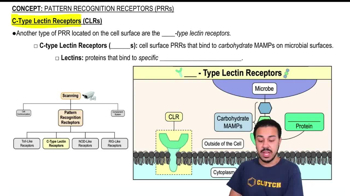
  • C-Type Lectin Receptors
    02:46
  • Retinoic acid Inducible Gene (RIG)-Like Receptors
    04:02

Introduction to the Complement System

  • Map of the Lesson on the Complement System
    03:25
  • Introduction to the Complement System
    04:25
  • Proteins of the Complement System
    04:16

Activation Pathways of the Complement System

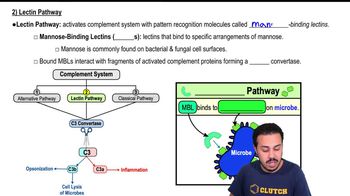
  • 2) Lectin Pathway
    03:04
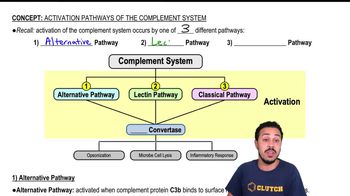
  • 1) Alternative Pathway
    04:40
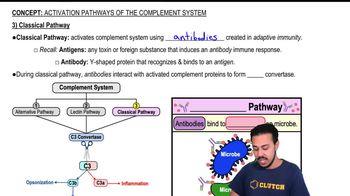
  • 3) Classical Pathway
    03:42

Effects of the Complement System

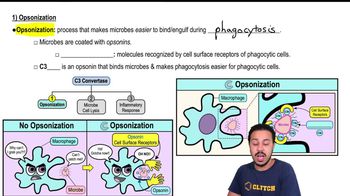
  • 1) Opsonization
    04:09
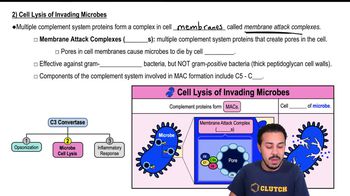
  • 2) Cell Lysis of Invading Microbes
    03:18
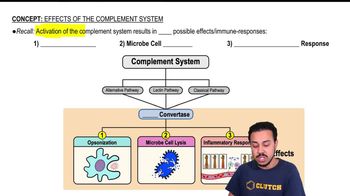
  • Effects of the Complement System
    01:32

Phagoctytosis

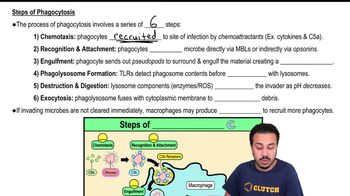
  • Steps of Phagocytosis
    08:57
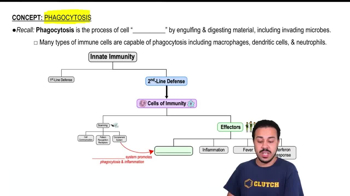
  • Phagoctytosis
    02:19

Introduction to Inflammation

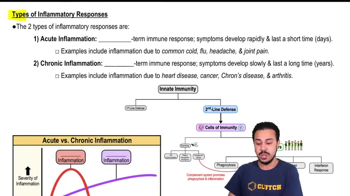
  • Types of Inflammatory Responses
    02:52
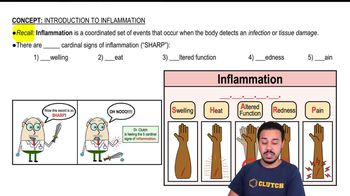
  • Introduction to Inflammation
    01:38
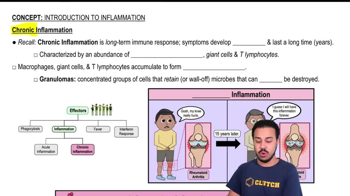
  • Chronic Inflammation
    03:09

Steps of the Inflammatory Response

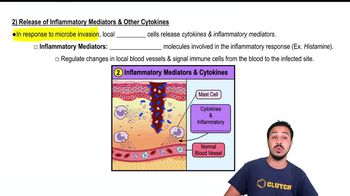
  • 2) Release of Inflammatory Mediators & Other Cytokines
    02:15
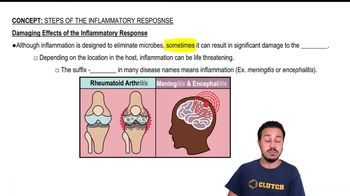
  • Damaging Effects of the Inflammatory Response
    02:10
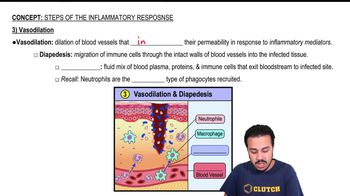
  • 3) Vasodilation
    02:39

Fever

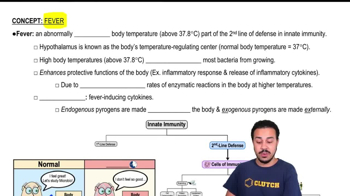
  • Fever
    03:57

Interferon Response

  • Interferon Response
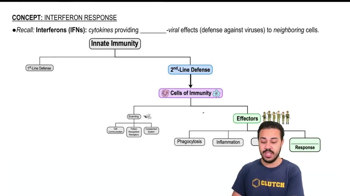
    01:32
  • Steps of the Interferon Response
    09:59

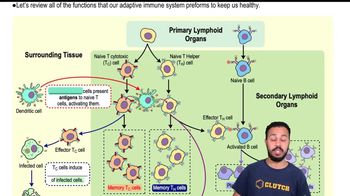
Introduction to Adaptive Immunity

  • Overview of Adaptive Immunity
    04:57
  • Primary vs. Secondary Lymphoid Organs
    04:58
  • Introduction to Adaptive Immunity
    05:47

Antigens

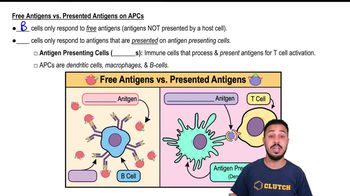
  • Free Antigens vs. Presented Antigens on APCs
    04:11
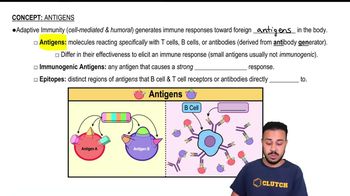
  • Antigens
    03:59

Introduction to T Lymphocytes

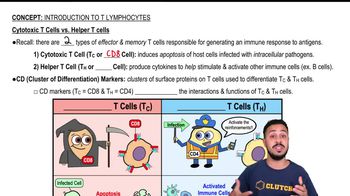
  • Cytotoxic T Cells vs. Helper T Cells
    05:58
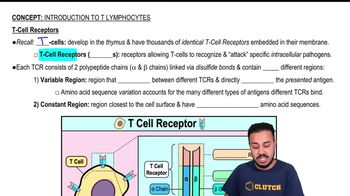
  • T-Cell Receptors
    05:18
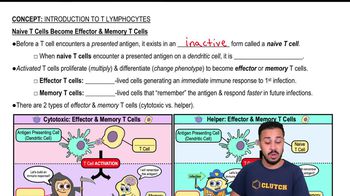
  • Naive T Cells Become Effector & Memory T Cells
    07:56

Major Histocompatibility Complex Molecules

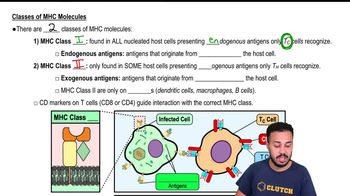
  • Classes of MHC Molecules
    07:17
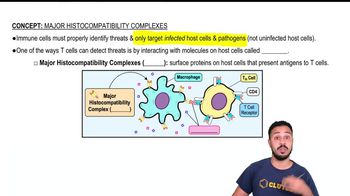
  • Major Histocompatibility Complex Molecules
    02:31

Activation of T Lymphocytes

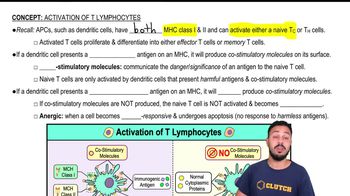
  • Activation of T Lymphocytes
    07:33
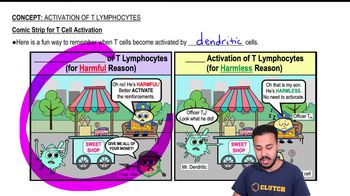
  • Comic Strip for T Cell Activation
    03:29

Functions of T Lymphocytes

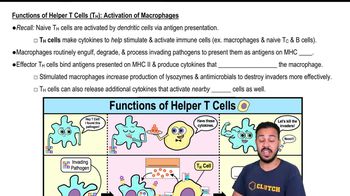
  • Functions of Helper T Cells (TH):Activation of Macrophages
    05:18
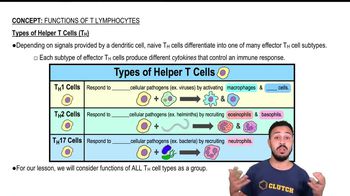
  • Types of Helper T Cells (TH)
    03:19
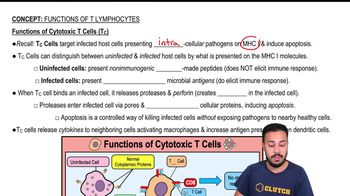
  • Functions of Cytotoxic T Cells (Tc)
    06:21

Review of Cytotoxic vs Helper T Cells

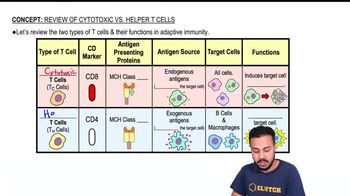
  • Review of Cytotoxic vs Helper T Cells
    04:27
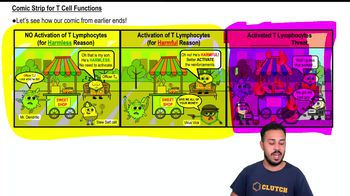
  • Comic Strip for T Cell Functions
    02:58

Introduction to B Lymphocytes

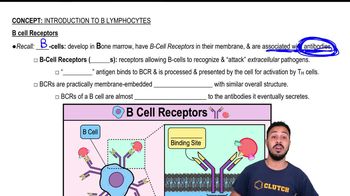
  • B cell Receptors
    04:37
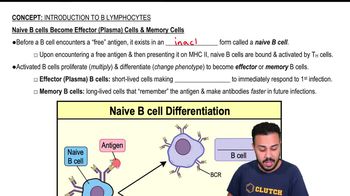
  • Naive B cells Become Effector (Plasma) Cells & Memory Cells
    04:23
  • Introduction to B Lymphocytes
    03:55

Antibodies

  • Antibody Structure
    05:40
  • Antibody Diversity
    02:34
  • Antibodies
    00:48

Classes of Antibodies

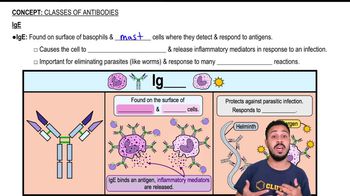
  • IgE
    02:45
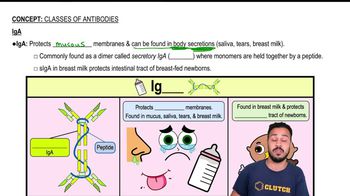
  • IgA
    02:44
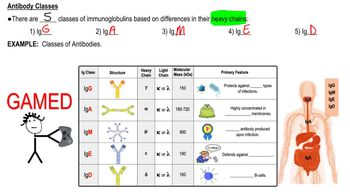
  • Classes of Antibodies
    04:43

Outcomes of Antibody Binding to Antigen

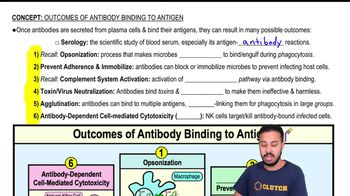
  • Outcomes of Antibody Binding to Antigen
    09:16

T Dependent & T Independent Antigens

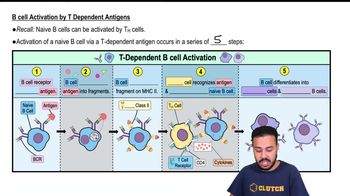
  • B Cell Activation by T Dependent Antigens
    05:09
  • T Dependent & T Independent Antigens
    02:08
  • B Cell Activation by T Independent Antigens
    03:11

Clonal Selection

  • Clonal Selection
    06:43

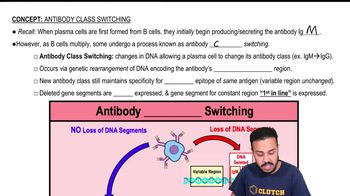
Antibody Class Switching

  • Antibody Class Switching
    07:52

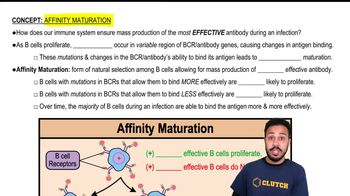
Affinity Maturation

  • Affinity Maturation
    07:27

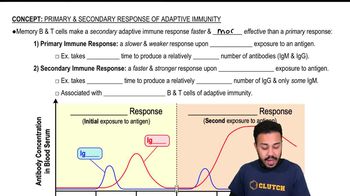
Primary and Secondary Response of Adaptive Immunity

  • Primary and Secondary Response of Adaptive Immunity
    06:59

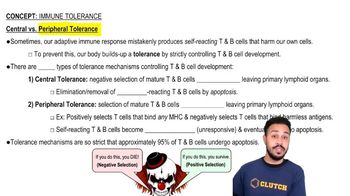
Immune Tolerance

  • Central vs. Peripheral Tolerance
    11:54
  • Immune Tolerance
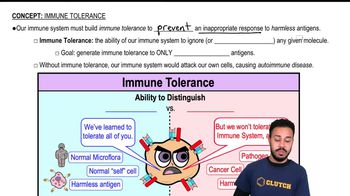
    03:19
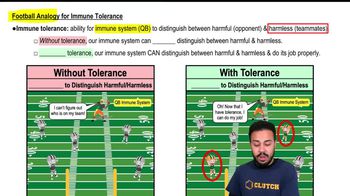
  • Football Analogy for Immune Tolerance
    03:21

Regulatory T Cells

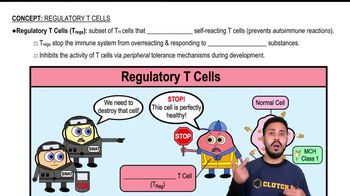
  • Regulatory T Cells
    03:53

Natural Killer Cells

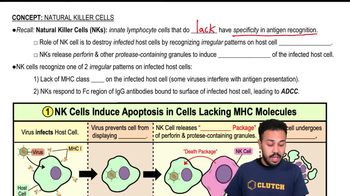
  • Natural Killer Cells
    06:53

Review of Adaptive Immunity

  • Review of Adaptive Immunity
    09:20

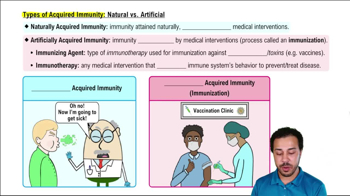
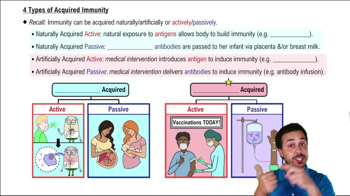
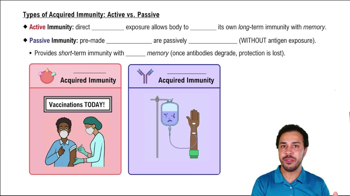
Types of Acquired Immunity

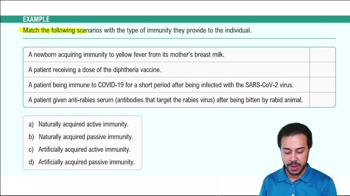
  • Types of Acquired Immunity: Natural vs. Artificial
    02:31
  • 4 Types of Acquired Immunity
    03:52
  • Types of Acquired Immunity: Active vs. Passive
    02:21

Introduction to Vaccines

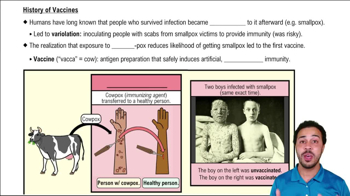
  • History of Vaccines
    04:19
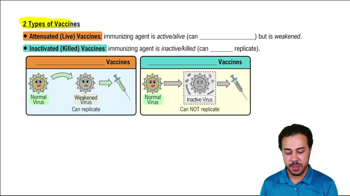
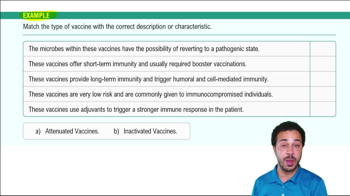
  • 2 Types of Vaccines
    02:03

Attenuated Vaccines

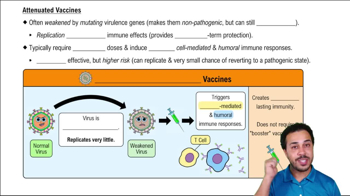
  • Attenuated Vaccines
    03:06

Inactivated Vaccines

  • Inactivated Vaccines Example 1
    02:12
  • Inactivated Vaccines Example 2
    01:23
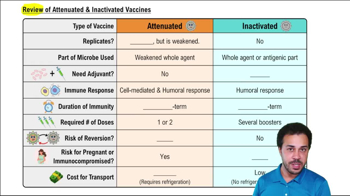
  • Review of Attenuated & Inactivated Vaccines
    03:40