Indietro

Comprehensive Study Guide: Foundations of Microbiology

Guida di studio - Impara con i video

Lezioni curate abbinate al materiale che hai caricato – impara ogni argomento passo dopo passo.

Importance of Microorganisms

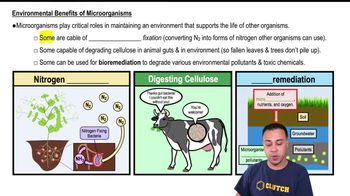
  • Environmental Benefits of Microorganisms
    04:27
  • Importance of Microorganisms
    01:25
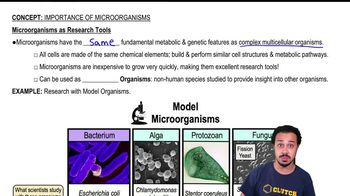
  • Microorganisms as Research Tools
    03:48

Members of the Bacterial World

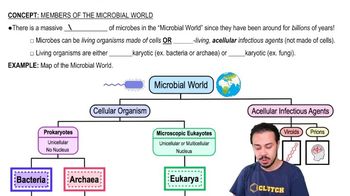
  • Members of the Bacterial World
    06:17

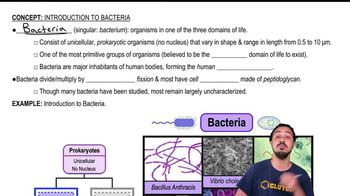
Introduction to Bacteria

  • Introduction to Bacteria
    06:18

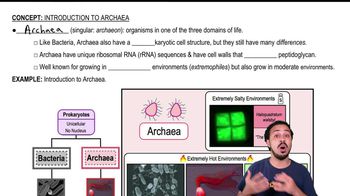
Introduction to Archaea

  • Introduction to Archaea
    04:39

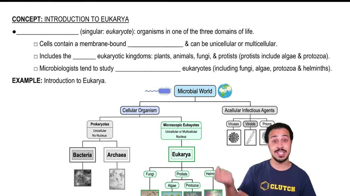
Introduction to Eukarya

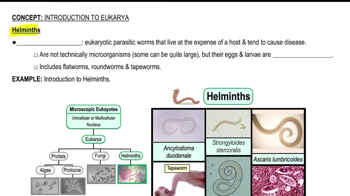
  • Helminths
    01:27
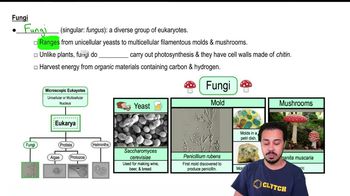
  • Fungi
    02:49
  • Introduction to Eukarya
    03:28

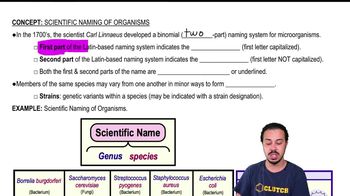
Scientific Naming of Organisms

  • Scientific Naming of Organisms
    05:22

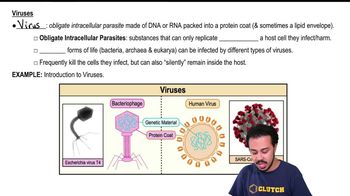
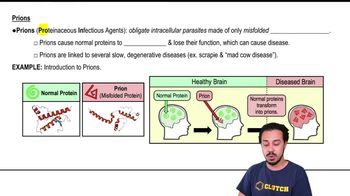
Acellular Infectious Agents: Viruses, Viroids & Prions

  • Viruses
    03:22
  • Prions
    02:48
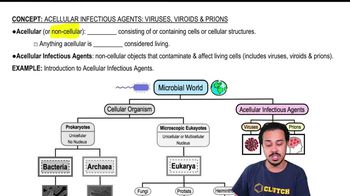
  • Acellular Infectious Agents: Viruses, Viroids & Prions
    02:54

Prokaryotic & Eukaryotic Cells

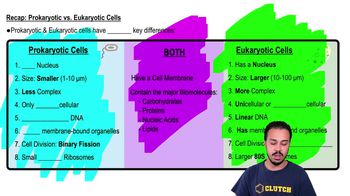
  • Recap:Prokaryotic vs. Eukaryotic Cells
    04:26
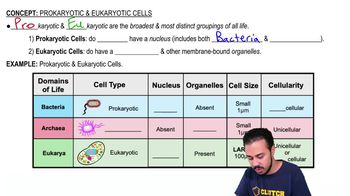
  • Prokaryotic & Eukaryotic Cells
    05:54
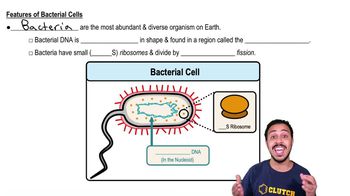
  • Features of Bacterial Cells
    03:54

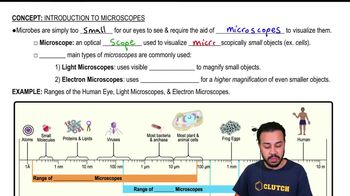
Introduction to Microscopes

  • Introduction to Microscopes
    06:13

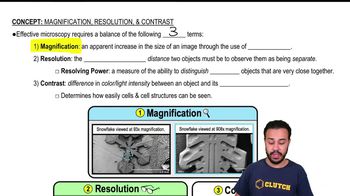
Magnification, Resolution, & Contrast

  • Magnification, Resolution, & Contrast
    07:29

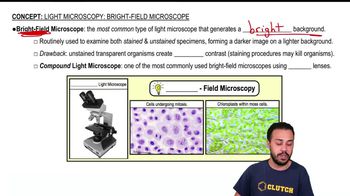
Light Microscopy: Bright-Field Microscopes

  • Light Microscopy: Bright-Field Microscopes
    03:46
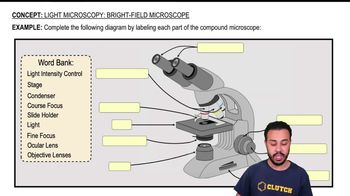
  • Light Microscopy: Bright-Field Microscopes Example 1
    03:41
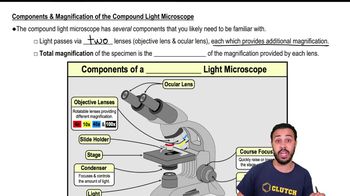
  • Components & Magnification of the Compound Light Microscope
    06:15

Electron Microscopes

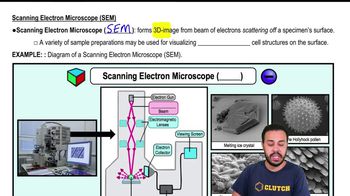
  • Scanning Electron Microscope (SEM)
    02:42
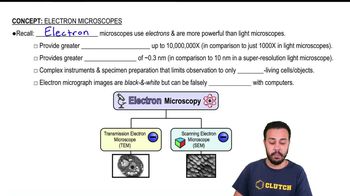
  • Electron Microscopes
    03:08
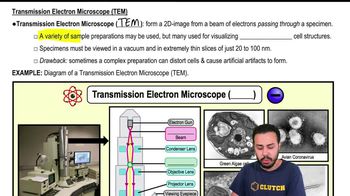
  • Transmission Electron Microscope (TEM)
    04:23

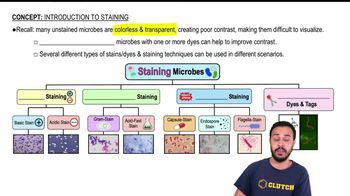
Introduction to Staining

  • Introduction to Staining
    02:10

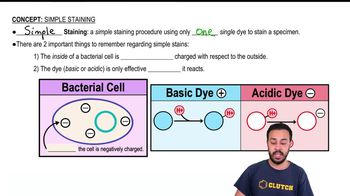
Simple Staining

  • Simple Staining
    03:23
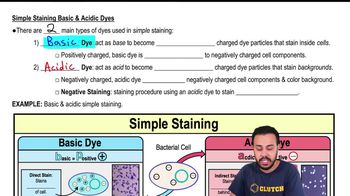
  • Simple Staining Basic & Acidic Dyes
    05:30

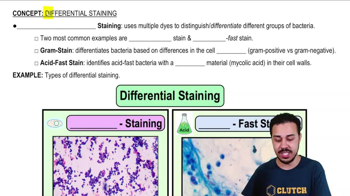
Differential Staining

  • Differential Staining
    04:07

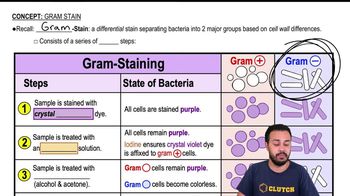
Gram Stain

  • Gram Stain
    04:57

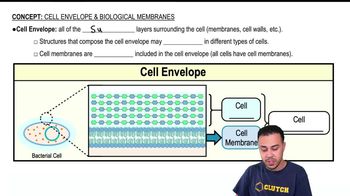
Cell Envelope & Biological Membranes

  • Cell Envelope & Biological Membranes Example 1
    02:21
  • Biological Membranes
    02:10
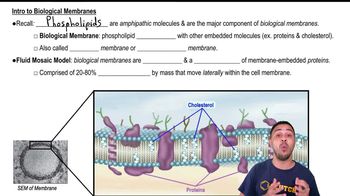
  • Intro to Biological Membranes
    06:16

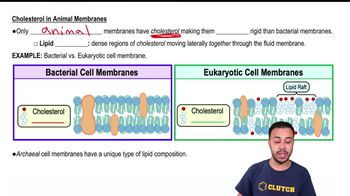
Bacterial & Eukaryotic Cell Membranes

  • Cholesterol in Animal Membranes
    02:38
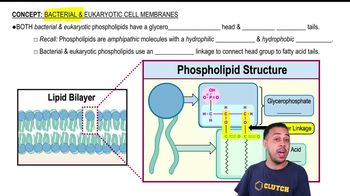
  • Bacterial & Eukaryotic Cell Membranes
    03:58

Archaeal Cell Membranes

  • Archaeal Cell Membranes
    03:59
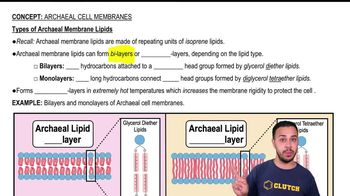
  • Types of Archaeal Membrane Lipids
    04:59

Concentration Gradients and Diffusion

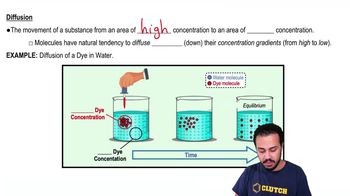
  • Diffusion
    02:44
  • Concentration Gradients and Diffusion
    04:51

Introduction to Membrane Transport

  • Map of the Lesson on Membrane Transport
    02:26
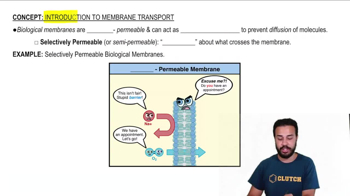
  • Introduction to Membrane Transport
    03:00
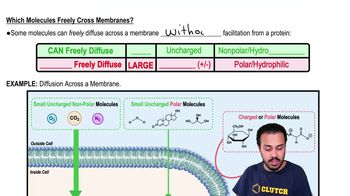
  • Which Molecules Freely Cross Membranes?
    05:31

Passive vs. Active Transport

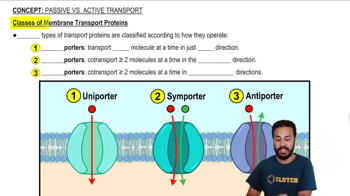
  • Classes of Membrane Transport Proteins
    03:41
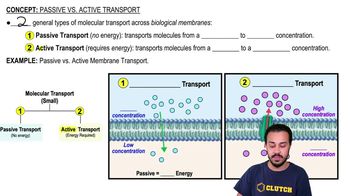
  • Passive vs. Active Transport
    05:05

Osmosis

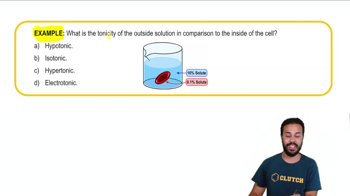
  • Osmosis Example 1
    02:18
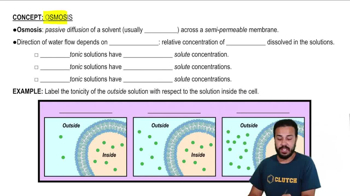
  • Osmosis
    05:59
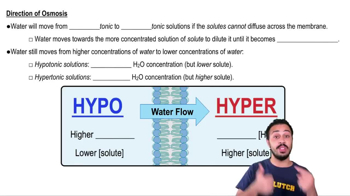
  • Direction of Osmosis
    06:48

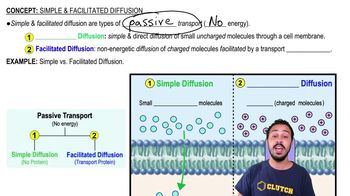
Simple and Facilitated Diffusion

  • Simple and Facilitated Diffusion
    04:59
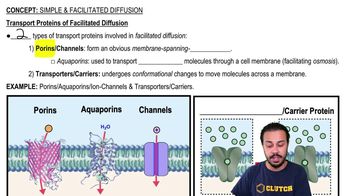
  • Transport Proteins of Facilitated Diffusion
    04:49

Active Transport

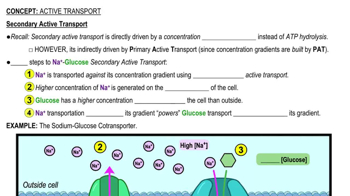
  • Secondary Active Transport
    06:57
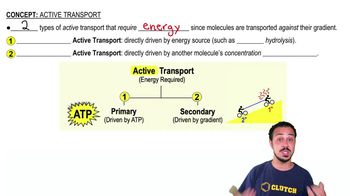
  • Active Transport
    02:37
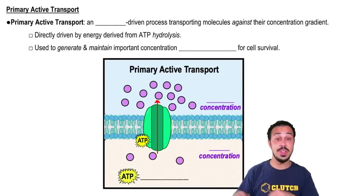
  • Primary Active Transport
    02:53

ABC Transporters

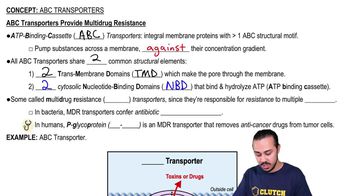
  • ABC Transporters Provide Multidrug Resistance
    06:20

Group Translocation

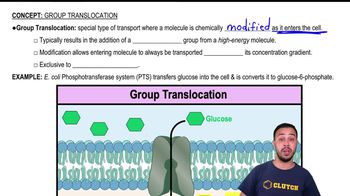
  • Group Translocation
    03:37

Bacterial Cell Morphology & Arrangements

  • Types of Bacterial Cell Morphology
    02:44
  • Bacterial Cell Morphology & Arrangements
    01:13
  • Bacilli Bacterial Cell Arrangements
    03:56

Overview of Prokaryotic Cell Structure

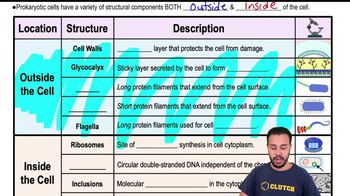
  • Overview of Prokaryotic Cell Structure
    05:59

Introduction to Bacterial Cell Walls

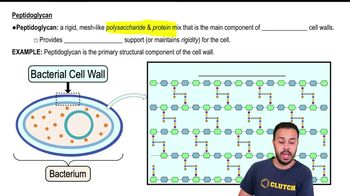
  • Peptidoglycan
    01:58
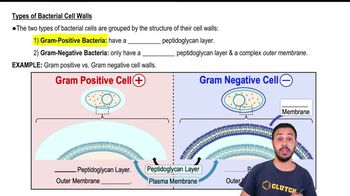
  • Types of Bacterial Cell Walls
    02:44
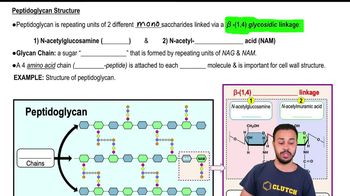
  • Peptidoglycan Structure
    04:44

Gram-Positive Cell Walls

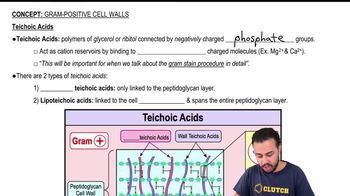
  • Teichoic Acids
    03:58
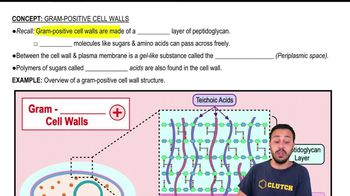
  • Gram-Positive Cell Walls
    02:59

Gram-Negative Cell Walls

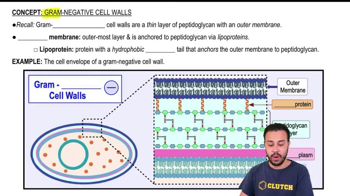
  • Gram-Negative Cell Walls
    3:04
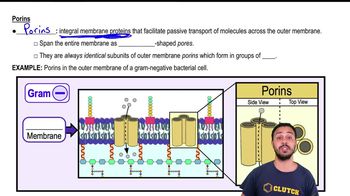
  • Porins
    02:18
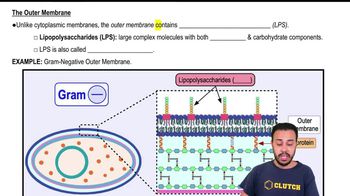
  • The Outer Membrane
    02:15

Gram-Positive vs. Gram-Negative Cell Walls

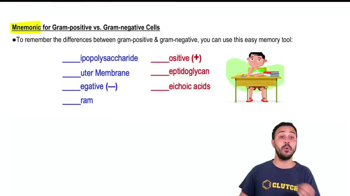
  • Mnemonic for Gram-Positive vs. Gram-Negative Cell Walls
    01:41
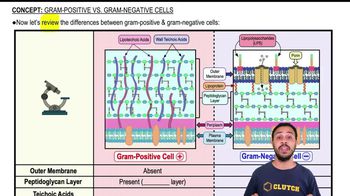
  • Gram-Positive vs. Gram-Negative Cell Walls
    04:46

The Glycocalyx: Capsules & Slime Layers

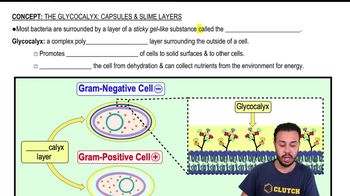
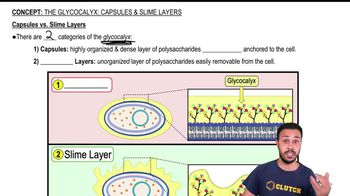
  • The Glycocalyx: Capsules & Slime Layers
    02:26
  • Capsules vs. Slime Layers
    01:53

Introduction to Biofilms

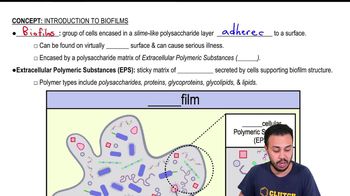
  • Introduction to Biofilms
    03:31

Pili

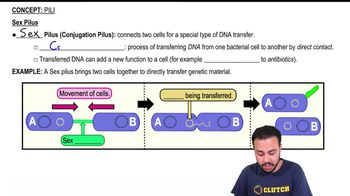
  • Sex Pilus
    03:29
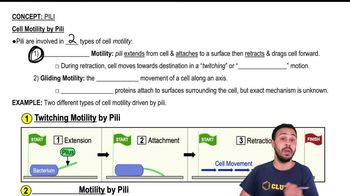
  • Cell Motility by Pili
    02:59
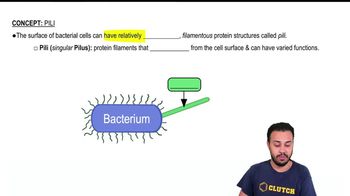
  • Pili
    01:02

Fimbriae & Hami

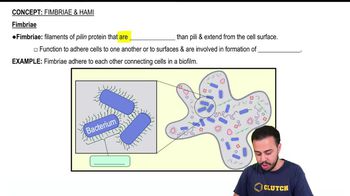
  • Fimbriae & Hami
    01:52
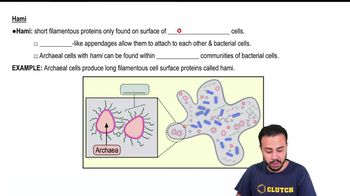
  • Hami
    01:51

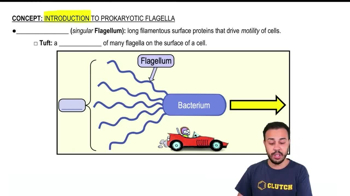
Introduction to Prokaryotic Flagella

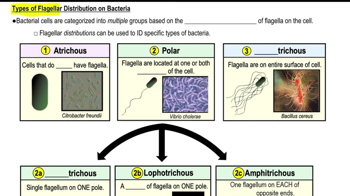
  • Types of Flagellar Distribution on Bacteria
    05:22
  • Introduction to Prokaryotic Flagella
    02:07

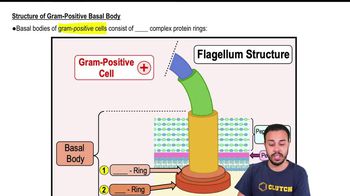
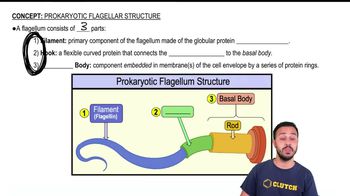
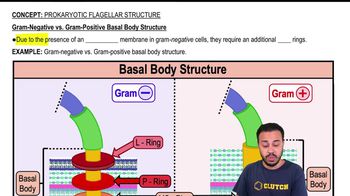
Prokaryotic Flagellar Structure

  • Structure of Gram-Positive Basal Body
    02:28
  • Prokaryotic Flagellar Structure
    02:53
  • Gram-Negative vs. Gram-Positive Basal Body Structure
    01:59

Prokaryotic Flagellar Movement

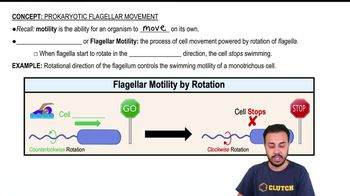
  • Prokaryotic Flagellar Movement
    02:43
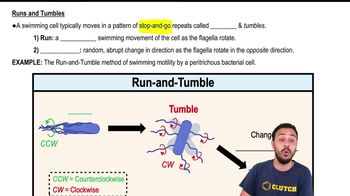
  • Runs and Tumbles
    03:17

Proton Motive Force Drives Flagellar Motility

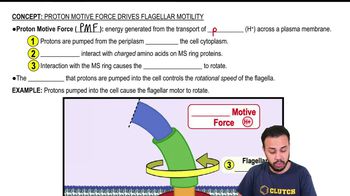
  • Proton Motive Force Drives Flagellar Motility
    04:17

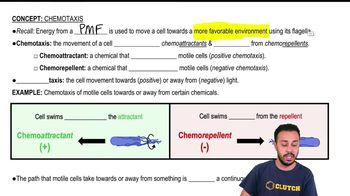
Chemotaxis

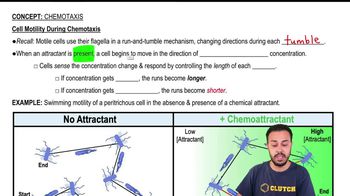
  • Cell Motility During Chemotaxis
    05:11
  • Chemotaxis
    03:21

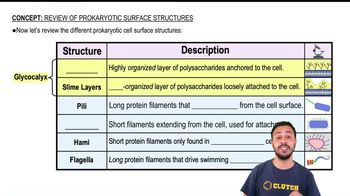
Review of Prokaryotic Surface Structures

  • Review of Prokaryotic Surface Structures
    03:52
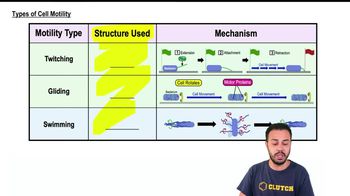
  • Types of Cell Motility
    02:13

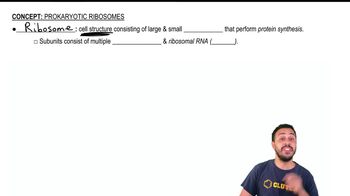
Prokaryotic Ribosomes

  • Prokaryotic Ribosomes
    01:51
  • Structure of Prokaryotic Ribosomes
    08:39

Introduction to Bacterial Plasmids

  • Episomes
    01:47
  • Introduction to Bacterial Plasmids
    02:52

Cell Inclusions

  • Cell Inclusions
    05:20

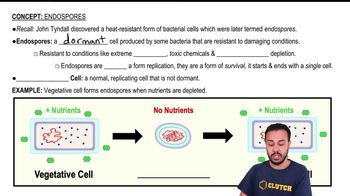
Endospores

  • Endospores
    05:35
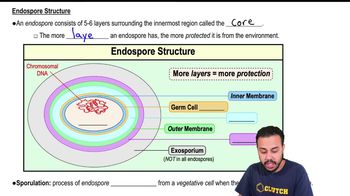
  • Endospore Structure
    03:08

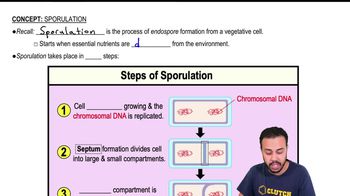
Sporulation

  • Sporulation
    04:08

Germination

  • Germination
    02:59

Introduction to Eukaryotic Organelles

  • Introduction to Eukaryotic Organelles
    03:45
  • Eukaryotic Ribosomes
    05:51
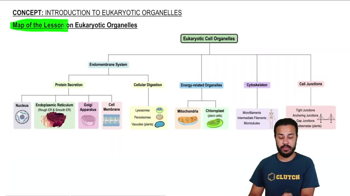
  • Map of the Lesson on Eukaryotic Organelles
    02:04

Endomembrane System: Protein Secretion

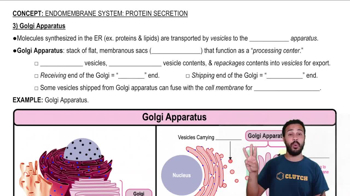
  • Golgi Apparatus
    06:02
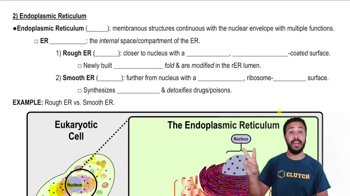
  • Endoplasmic Reticulum
    06:07
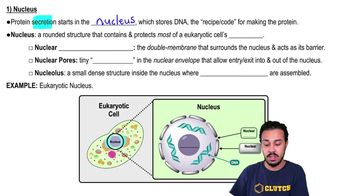
  • Nucleus
    06:32

Endomembrane System: Digestive Organelles

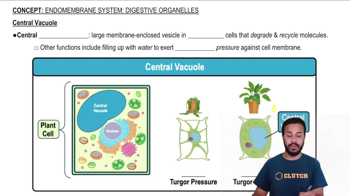
  • Central Vacuole
    03:35
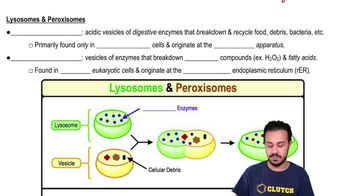
  • Lysosome & Peroxisome
    05:38

Mitochondria & Chloroplasts

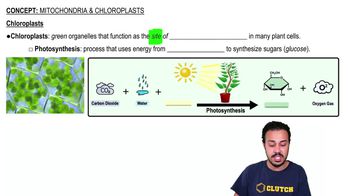
  • Chloroplasts
    03:16
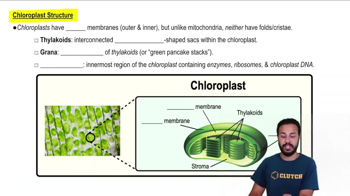
  • Chloroplast Structure
    03:49
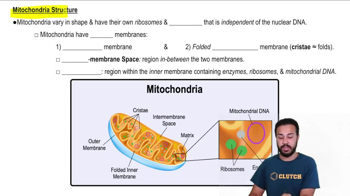
  • Mitochondria Structure
    04:45

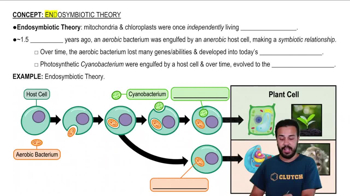
Endosymbiotic Theory

  • Endosymbiotic Theory
    07:29

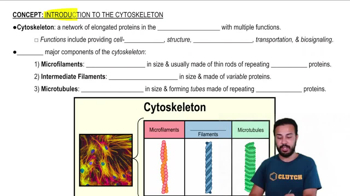
Introduction to the Cytoskeleton

  • Introduction to the Cytoskeleton
    06:05

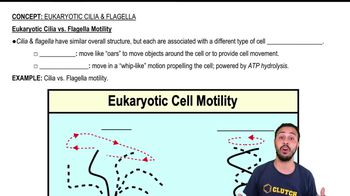
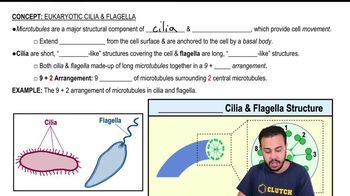
Eukaryotic Cilia & Flagella

  • Eukaryotic Cilia & Flagella Motility
    01:59
  • Eukaryotic Cilia & Flagella
    02:36

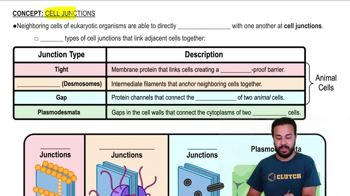
Cell Junctions

  • Cell Junctions
    05:33

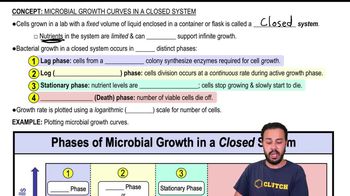
Microbial Growth Curves in a Closed System

  • Microbial Growth Curves in a Closed System
    08:59
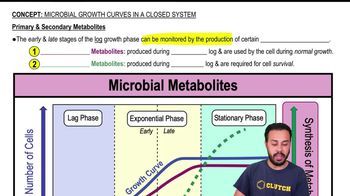
  • Primary & Secondary Metabolites
    02:33

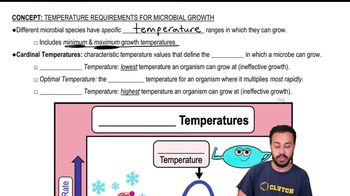
Temperature Requirements for Microbial Growth

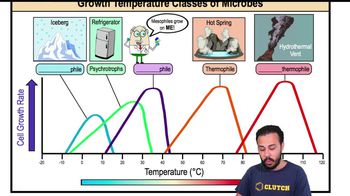
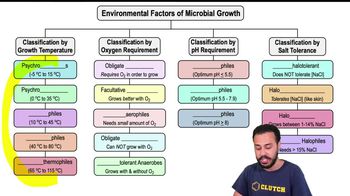
  • Temperature Requirements for Microbial Growth
    04:16
  • Classification of Microbes by Growth Temperature
    04:56
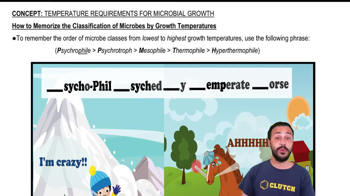
  • How to Memorize the Classification of Microbes by Growth Temperatures
    01:59

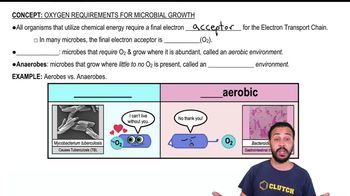
Oxygen Requirements for Microbial Growth

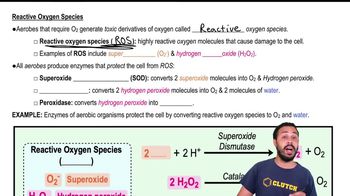
  • Reactive Oxygen Species
    04:43
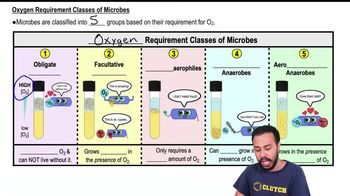
  • Oxygen Requirement Classes of Microbes
    07:27
  • Oxygen Requirements for Microbial Growth
    03:52

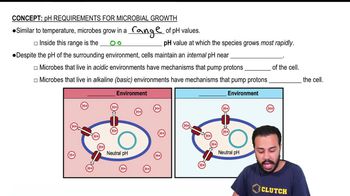
pH Requirements for Microbial Growth

  • pH Requirements for Microbial Growth
    03:11
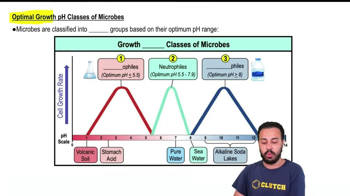
  • Optimal Growth pH Classes of Microbes
    03:23

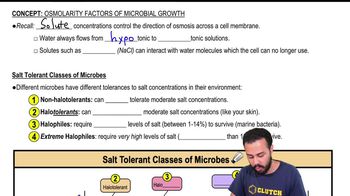
Osmolarity Factors for Microbial Growth

  • Osmolarity Factors for Microbial Growth
    06:30

Reviewing the Environmental Factors of Microbial Growth

  • Reviewing the Environmental Factors of Microbial Growth
    07:21

Nutritional Factors of Microbial Growth

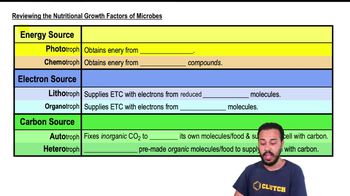
  • Reviewing the Nutritional Growth Factors of Microbes
    02:20
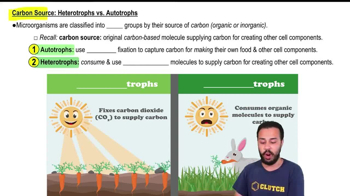
  • Carbon Source:Heterotrophs vs. Autotrophs
    02:59
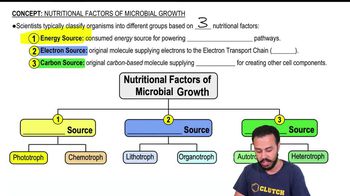
  • Nutritional Factors of Microbial Growth
    02:57
Growth Factors

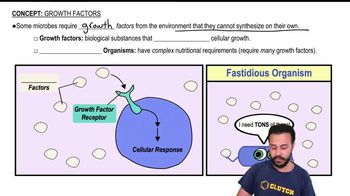
  • Growth Factors
    01:55

Introduction to Cultivating Microbial Growth

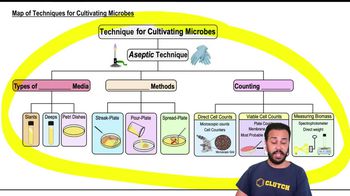
  • Map of Techniques for Cultivating Microbes
    02:05
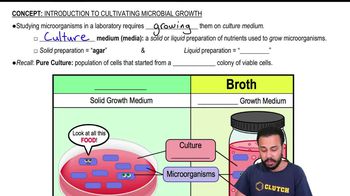
  • Introduction to Cultivating Microbial Growth
    03:49

Types of Solid Culture Media

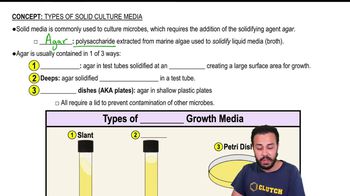
  • Types of Solid Culture Media
    03:16

Plating Methods

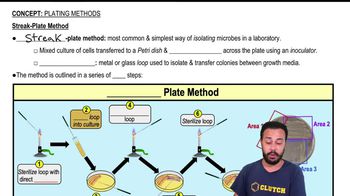
  • Streak-Plate Method
    05:16
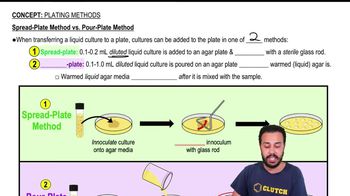
  • Spread-Plate Method vs. Pour-Plate Method
    05:36

Measuring Growth by Direct Cell Counts

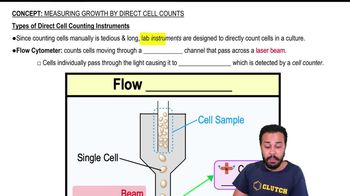
  • Types of Direct Cell Counting Instruments
    02:32
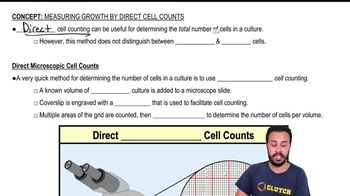
  • Direct Microscopic Cell Counts
    03:28

Measuring Growth by Plate Counts

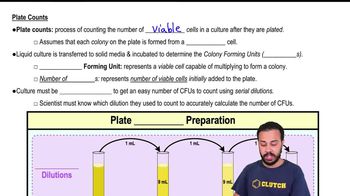
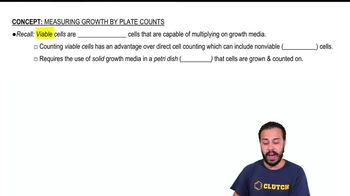
  • Measuring Growth by Plate Counts
    07:16
  • Measuring Growth by Plate Counts
    01:36

Measuring Growth by Membrane Filtration

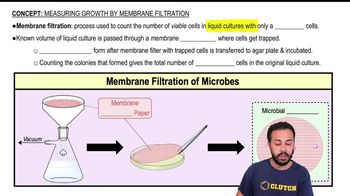
  • Measuring Growth by Membrane Filtration
    02:29

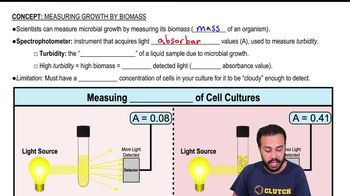
Measuring Growth by Biomass

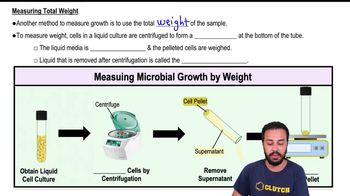
  • Measuring Total Weight
    03:27
  • Measuring Growth by Biomass
    05:58

Introduction to the Types of Culture Media

  • Introduction to the Types of Culture Media
    02:42

Chemically Defined Media

  • Chemically Defined Media
    01:53

Complex Media

  • Complex Media
    02:59

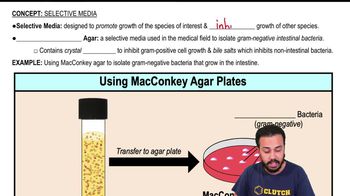
Selective Media

  • Selective Media
    03:27
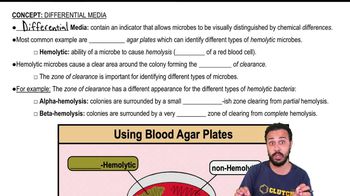
Differential Media

  • Differential Media
    04:34

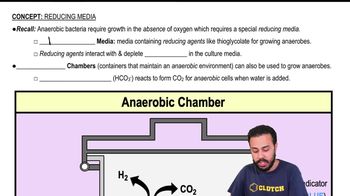
Reducing Media

  • Reducing Media
    02:55

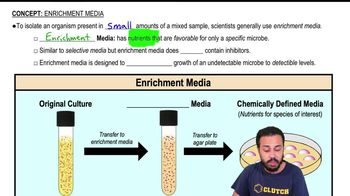
Enrichment Media

  • Enrichment Media
    04:20

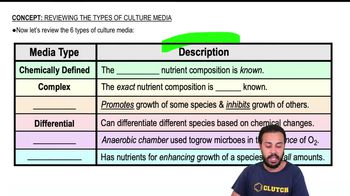
Reviewing the Types of Culture Media

  • Reviewing the Types of Culture Media
    02:55

Introduction to Controlling Microbial Growth

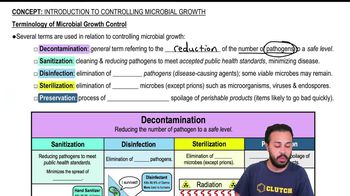
  • Terminology of Microbial Growth Control
    07:36
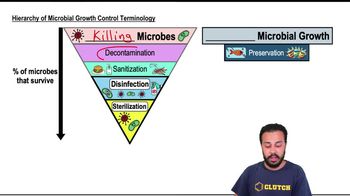
  • Hierarchy of Microbial Growth Control Terminology
    03:09
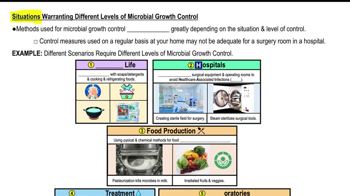
  • Situations Warranting Different Levels of Microbial Growth Control
    05:58

Selecting a Method to Control Microbial Growth

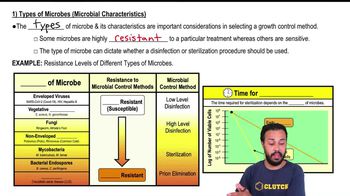
  • Types of Microbes (Microbial Characteristics)
    07:24
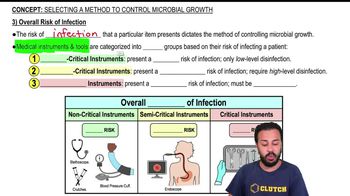
  • Overall Risk of Infection
    04:52
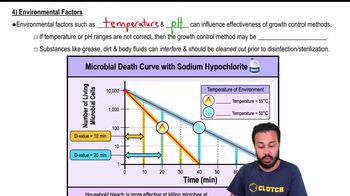
  • Environmental Factors
    04:18

Physical Methods to Control Microbial Growth

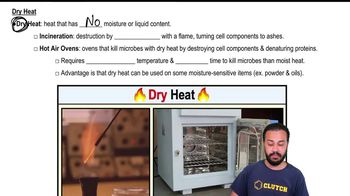
  • Dry Heat
    02:58
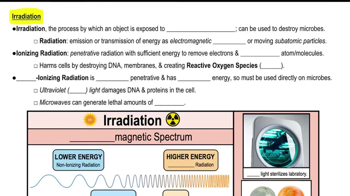
  • Irradiation
    06:18
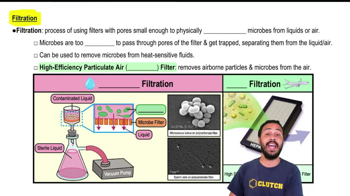
  • Filtration
    04:29

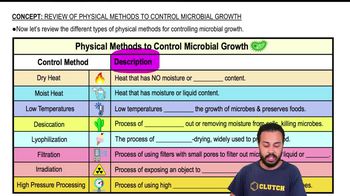
Review of Physical Methods to Control Microbial Growth

  • Review of Physical Methods to Control Microbial Growth
    04:22

Chemical Methods to Control Microbial Growth

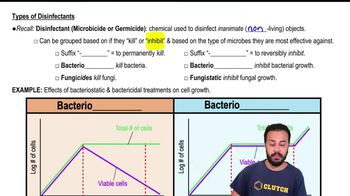
  • Types of Disinfectants
    05:21
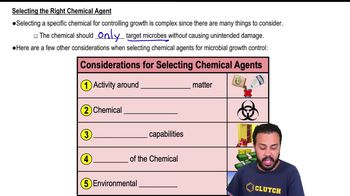
  • Selecting the Right Chemical Agent
    04:52
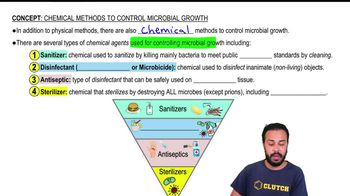
  • Chemical Methods to Control Microbial Growth
    03:58

Chemicals Used to Control Microbial Growth

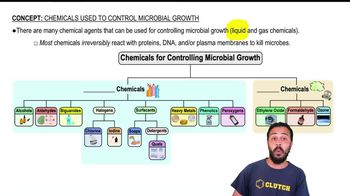
  • Chemicals Used to Control Microbial Growth
    02:29
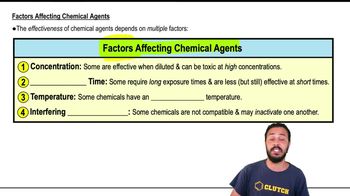
  • Factors Affecting Chemical Agents
    03:17
Liquid Chemicals: Alcohols, Aldehydes, & Biguanides

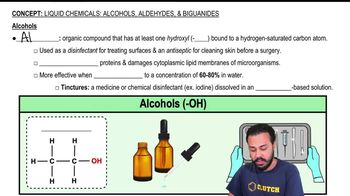
  • Alcohols
    03:39
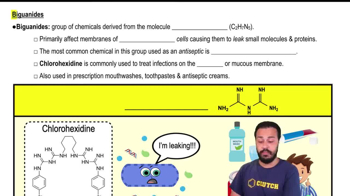
  • Biguanides
    02:41
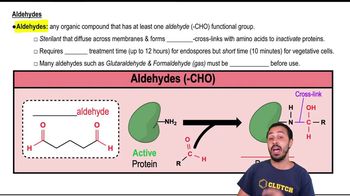
  • Aldehydes
    03:59

Liquid Chemicals: Halogens

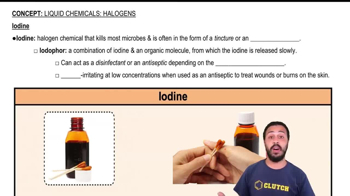
  • Iodine
    02:15
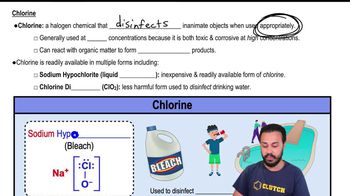
  • Chlorine
    03:16
  • Liquid Chemicals: Halogens
    00:56

Liquid Chemicals: Surface-Active Agents

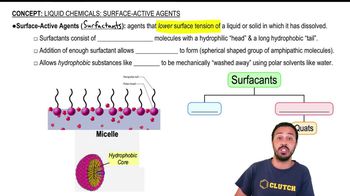
  • Liquid Chemicals: Surface-Active Agents
    04:14
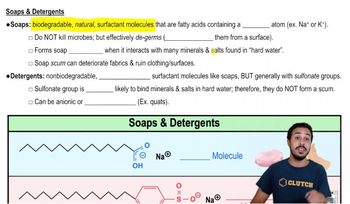
  • Soaps & Detergents
    06:20
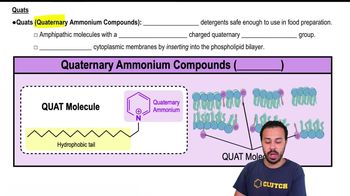
  • Quats
    02:33

Other Types of Liquid Chemicals

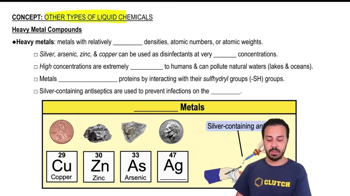
  • Heavy Metal Compounds
    02:19
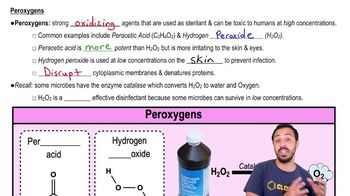
  • Peroxygens
    04:31
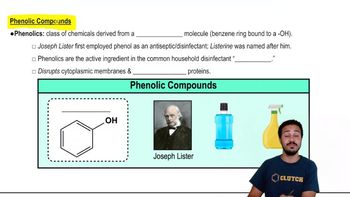
  • Phenolic Compounds
    02:27

Chemical Gases: Ethylene Oxide, Ozone, & Formaldehyde

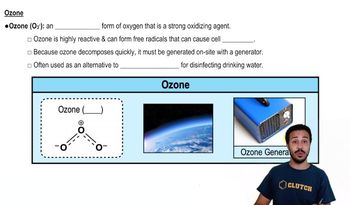
  • Ozone
    02:36
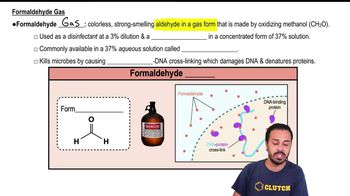
  • Formaldehyde Gas
    02:56
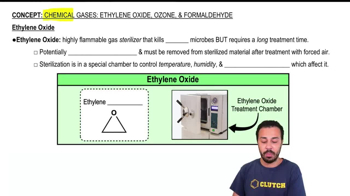
  • Chemical Gases: Ethylene Oxide
    03:22

Review of Chemicals Used to Control Microbial Growth

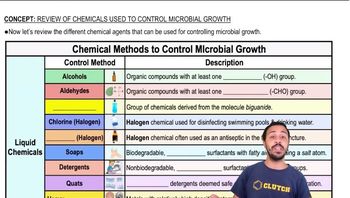
  • Review of Chemicals Used to Control Microbial Growth
    05:41

Chemical Preservation of Perishable Products

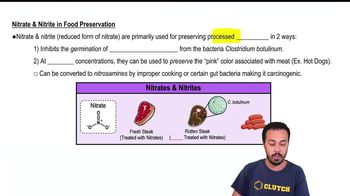
  • Nitrate & Nitrite in Food Preservation
    03:15
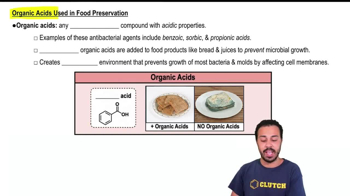
  • Organic Acids Used in Food Preservation
    02:11
  • Chemical Preservation of Perishable Products
    01:16

Introduction to Energy

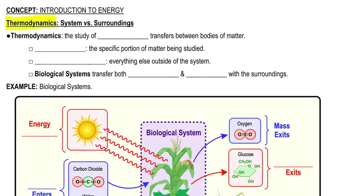
  • Thermodynamics: System vs. Surroundings
    04:21
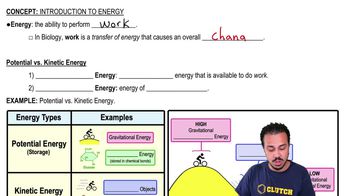
  • Introduction to Energy
    04:58

Laws of Thermodynamics

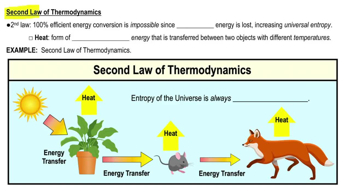
  • Second Law of Thermodynamics
    02:52
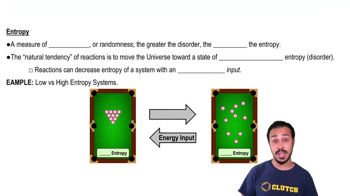
  • Entropy
    03:21
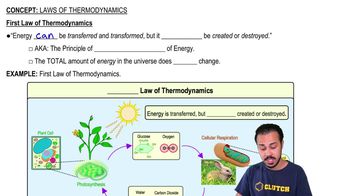
  • First Law of Thermodynamics
    04:41

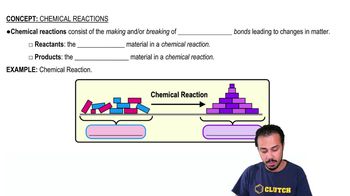
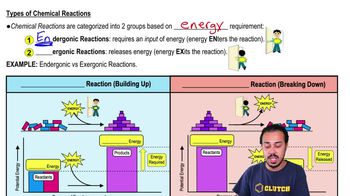
Chemical Reactions

  • Chemical Reactions
    01:56
  • Types of Chemical Reactions
    05:48

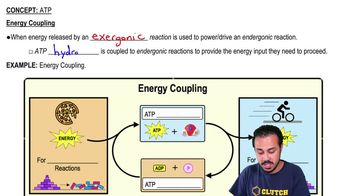
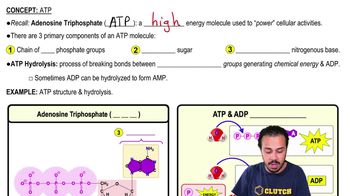
ATP

  • Energy Coupling
    04:57
  • ATP
    06:44
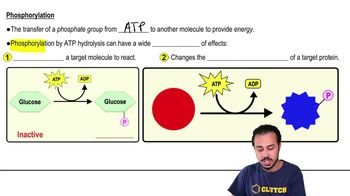
  • Phosphorylation
    03:00

Enzymes

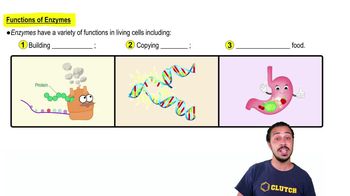
  • Functions of Enzymes
    02:32
  • Enzymes Example 1
    02:25
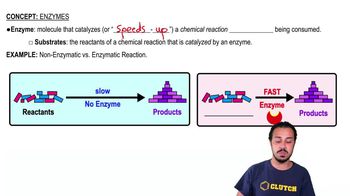
  • Enzymes
    02:55

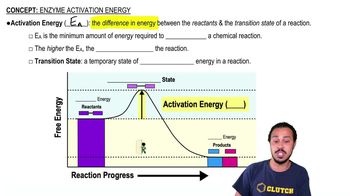
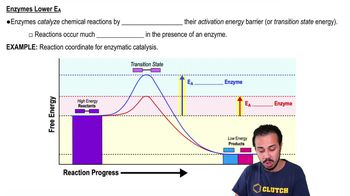
Enzyme Activation Energy

  • Enzyme Activation Energy
    04:18
  • Enzymes Lower EA
    03:26

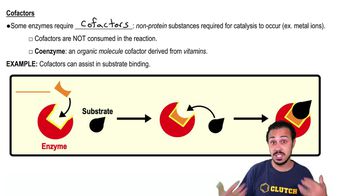
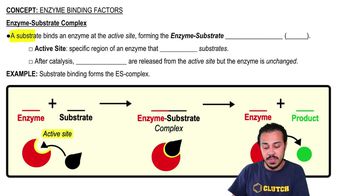
Enzyme Binding Factors

  • Cofactors
    04:22
  • Enzyme-Substrate Complex
    03:49

Enzyme Inhibition

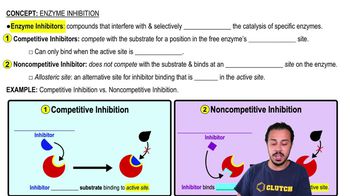
  • Enzyme Inhibition
    05:03

Introduction to Metabolism

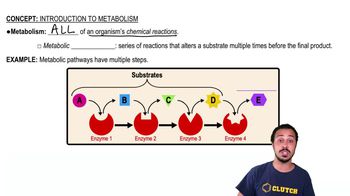
  • Introduction to Metabolism
    02:17
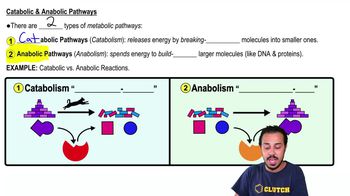
  • Catabolic & Anabolic Pathways
    03:25

Redox Reactions

  • Redox Reactions Example 1
    01:44
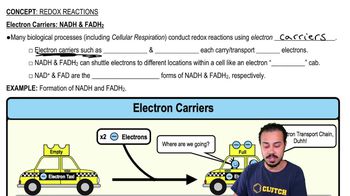
  • Electron Carriers: NADH & FADH2
    05:22
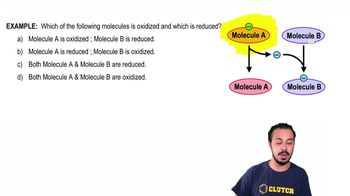
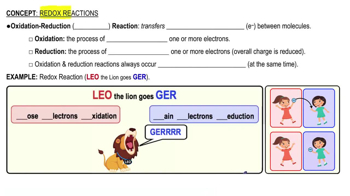
  • Redox Reactions
    04:46

Introduction to Aerobic Cellular Respiration

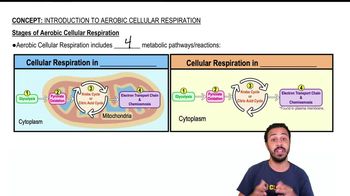
  • Stages of Aerobic Cellular Respiration
    02:32
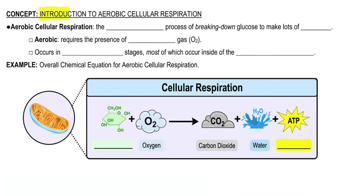
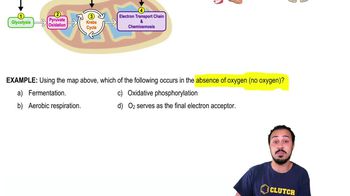
  • Introduction to Aerobic Cellular Respiration
    03:38
  • Introduction to Aerobic Cellular Respiration Example 2
    01:53

Types of Phosphorylation

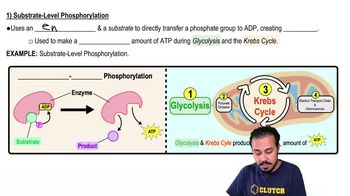
  • Substrate-Level Phosphorylation
    03:00
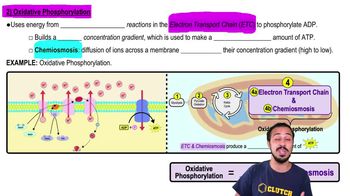
  • Oxidative Phosphorylation
    06:27
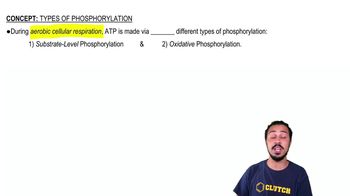
  • Types of Phosphorylation
    01:06

Glycolysis

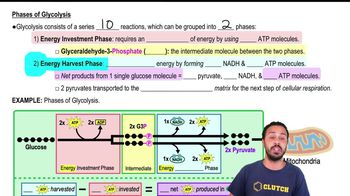
  • Phases of Glycolysis
    05:57
  • Glycolysis Example 1
    01:29
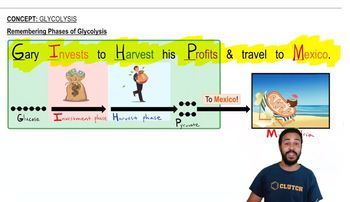
  • Remembering Phases of Glycolysis
    02:49

Entner-Doudoroff Pathway

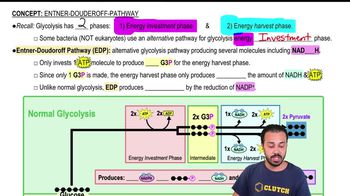
  • Entner-Doudoroff Pathway
    08:59

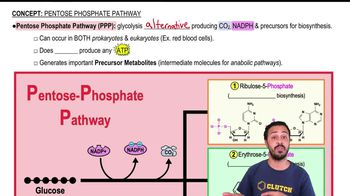
Pentose-Phosphate Pathway

  • Pentose-Phosphate Pathway
    04:44

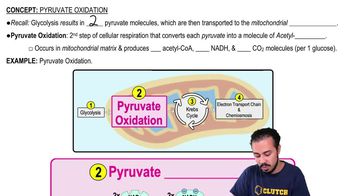
Pyruvate Oxidation

  • Pyruvate Oxidation
    04:38

Krebs Cycle

  • Krebs Cycle Example 1
    01:20
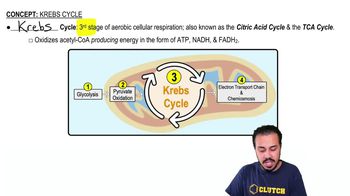
  • Krebs Cycle
    01:37
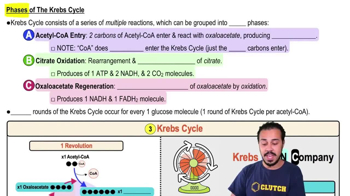
  • Phases of The Krebs Cycle
    09:54

Electron Transport Chain

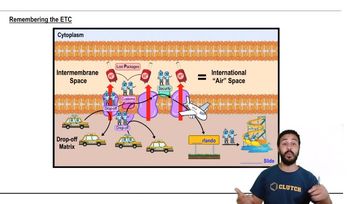
  • Remembering the ETC
    04:43
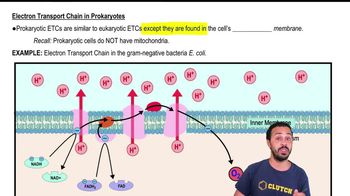
  • Electron Transport Chain in Prokaryotes
    02:49
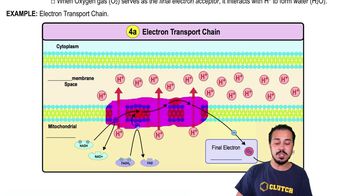
  • Electron Transport Chain
    07:41

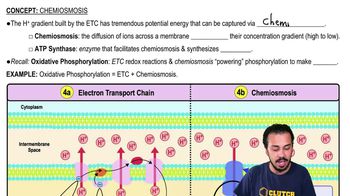
Chemiosmosis

  • Chemiosmosis
    05:01

Review of Aerobic Cellular Respiration

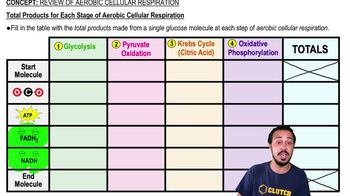
  • Total Products for Each Stage of Aerobic Cellular Respiration
    07:25
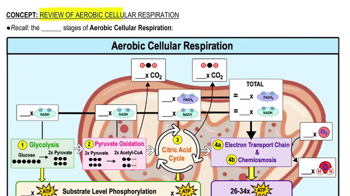
  • Review of Aerobic Cellular Respiration
    07:50

Fermentation & Anaerobic Respiration

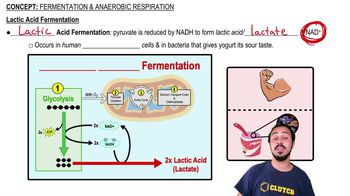
  • Lactic Acid Fermentation
    03:33
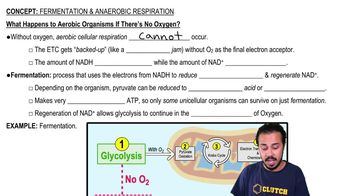
  • What Happens to Aerobic Organisms if There's No Oxygen?
    07:50
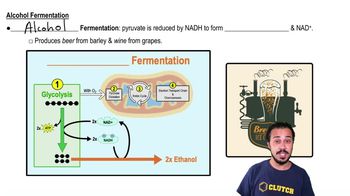
  • Alcohol Fermentation
    01:59

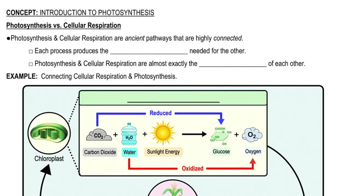
Introduction to Photosynthesis

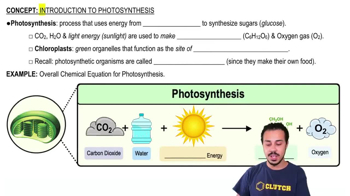
  • Introduction to Photosynthesis
    03:32
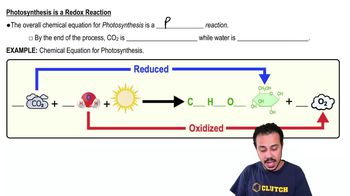
  • Photosynthesis is a Redox Reaction
    03:20
  • Photosynthesis vs. Cellular Respiration
    07:55

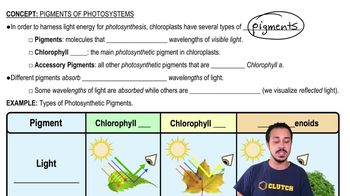
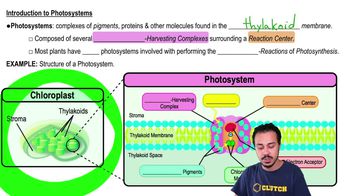
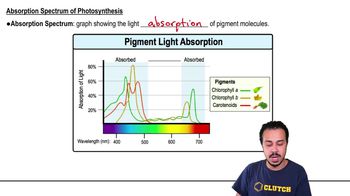
Pigments of Photosynthesis

  • Pigments of Photosynthesis
    05:58
  • Introduction to Photosystems
    04:58
  • Absorption Spectrum of Photosynthesis
    02:52

Stages of Photosynthesis

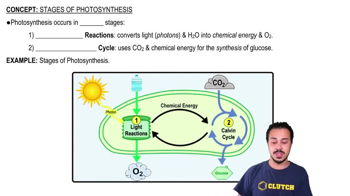
  • Stages of Photosynthesis
    03:16
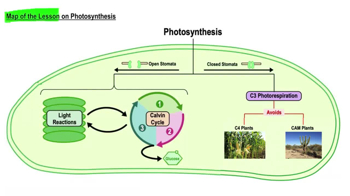
  • Map of the Lesson on Photosynthesis
    02:40

Light Reactions of Photosynthesis

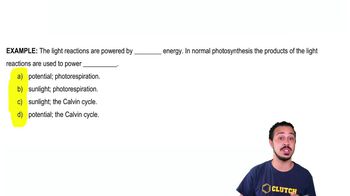
  • Light Reactions of Photosynthesis Example 1
    01:48
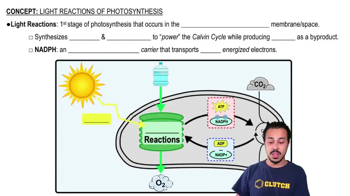
  • Light Reactions of Photosynthesis
    04:06
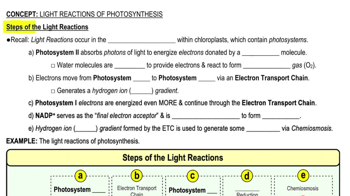
  • Steps of the Light Reactions
    14:56

Cyclic vs. Non-Cyclic Photophosphorylation

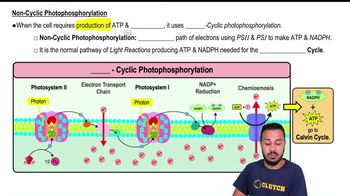
  • Non-Cyclic Photophosphorylation
    03:57
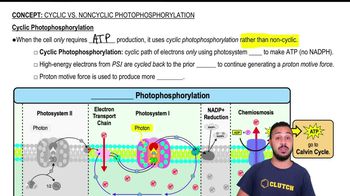
  • Cyclic Photophosphorylation
    04:36
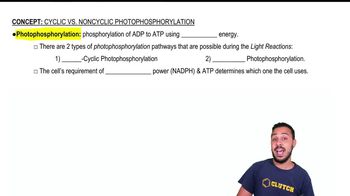
  • Cyclic vs. Non-Cyclic Photophosphorylation
    02:06

Calvin Cycle

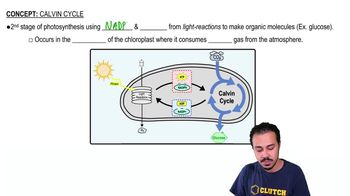
  • Calvin Cycle
    03:42
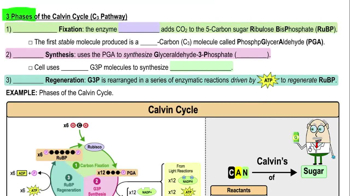
  • 3 Phases of the Calvin Cycle (C3 Pathway)
    11:14

Prokaryotic Photosynthesis

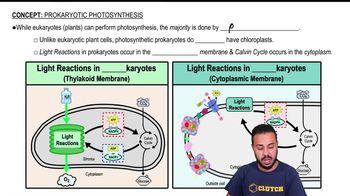
  • Prokaryotic Photosynthesis
    02:42
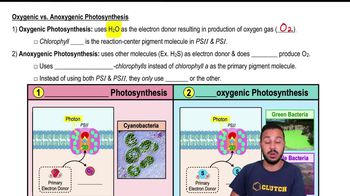
  • Oxygenic vs. Anoxygenic Photosynthesis
    05:23

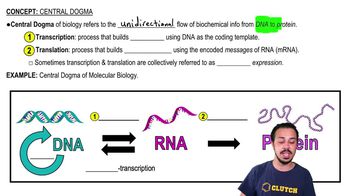
Central Dogma

  • Central Dogma
    05:45

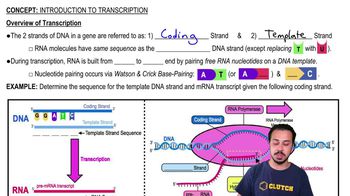
Introduction to Transcription

  • Overview of Transcription
    07:44
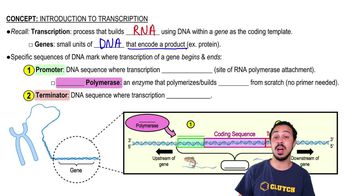
  • Introduction to Transcription
    05:51

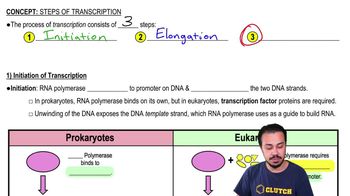
Steps of Transcription

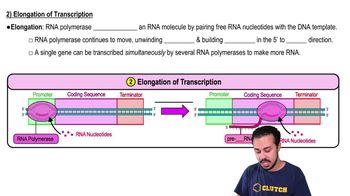
  • Elongation of Transcription
    02:44
  • Initiation of Transcription
    04:16
  • Elongation of Transcription
    04:01

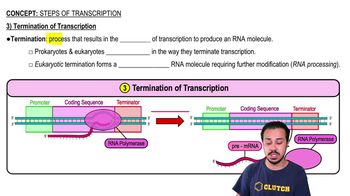
Transcription Termination in Prokaryotes

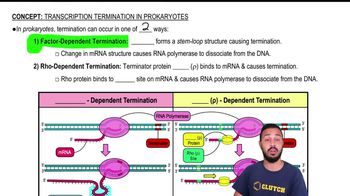
  • Transcription Termination in Prokaryotes
    04:17

Eukaryotic RNA Processing and Splicing

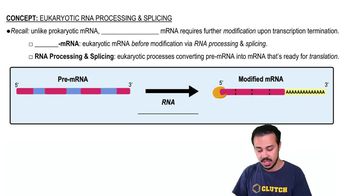
  • Eukaryotic RNA Processing and Splicing
    02:32
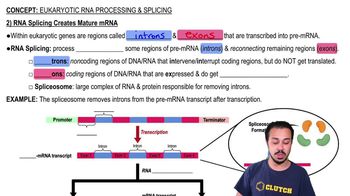
  • 2) RNA Splicing Creates Mature mRNA
    08:44
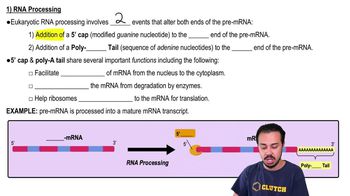
  • 1) RNA Processing
    04:19

Introduction to Types of RNA

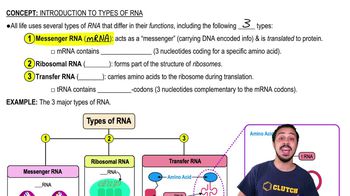
  • Introduction to Types of RNA
    07:20

Genetic Code

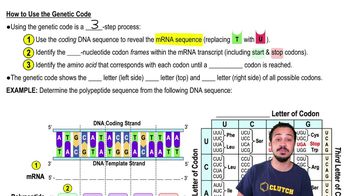
  • How to Use the Genetic Code
    11:39
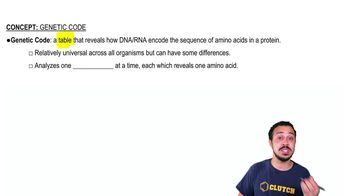
  • Genetic Code
    01:28

Introduction to Translation

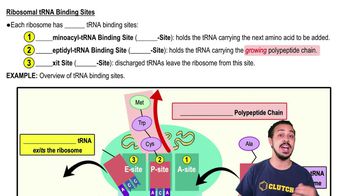
  • Ribosomal tRNA Binding Sites
    06:16
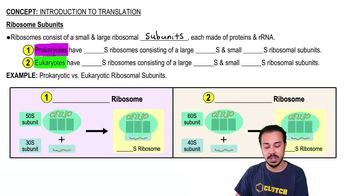
  • Ribosome Subunits
    08:42
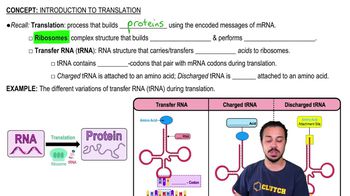
  • Introduction to Translation
    06:12

Steps of Translation

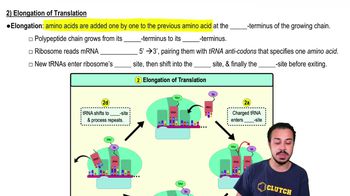
  • Elongation of Translation
    04:59
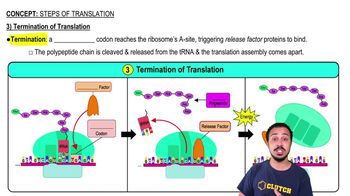
  • Termination of Translation
    02:16
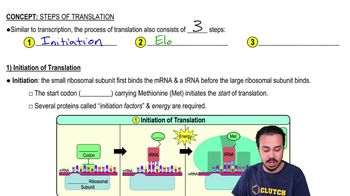
  • Steps of Translation
    05:03

Review of Transcription vs. Translation

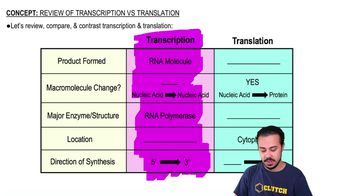
  • Review of Transcription vs. Translation
    04:07

Prokaryotic Gene Expression

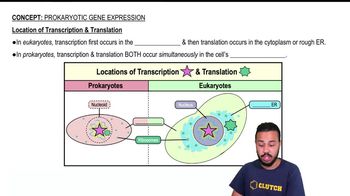
  • Location of Transcription & Translation
    03:17
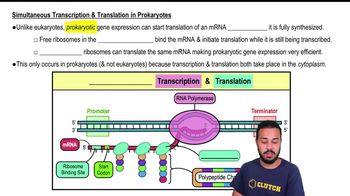
  • Simultaneous Transcription & Translation in Prokaryotes
    03:34
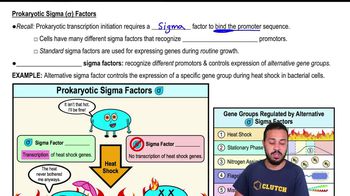
  • Prokaryotic Sigma (σ) Factors
    05:00

Review of Prokaryotic vs. Eukaryotic Gene Expression

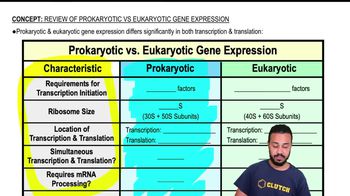
  • Review of Prokaryotic vs. Eukaryotic Gene Expression
    05:30

Introduction to Regulation of Gene Expression

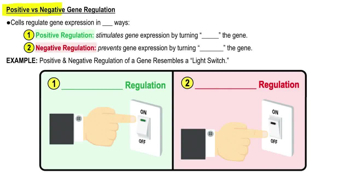
  • Positive vs Negative Gene Regulation
    02:17
  • Introduction to Regulation of Gene Expression
    06:40

Prokaryotic Gene Regulation via Operons

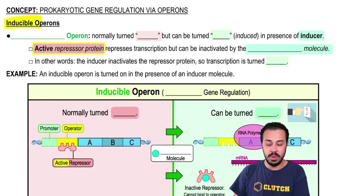
  • Inducible Operons
    04:25
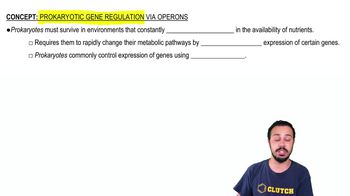
  • Prokaryotic Gene Regulation via Operons
    00:53
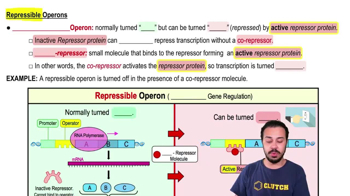
  • Repressible Operons
    03:42

The Lac Operon

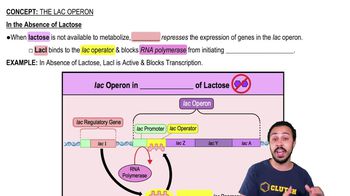
  • In the Absence of Lactose
    04:34
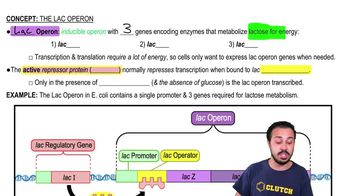
  • The Lac Operon
    07:06
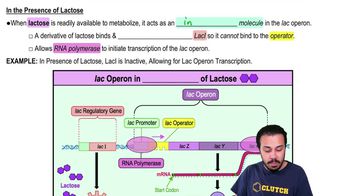
  • In the Presence of Lactose
    03:56

Glucose's Impact on Lac Operon

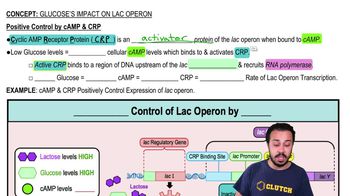
  • Positive Control by cAMP & CRP
    08:32
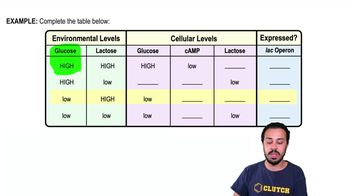
  • Glucose's Impact on Lac Operon Example 1
    06:20
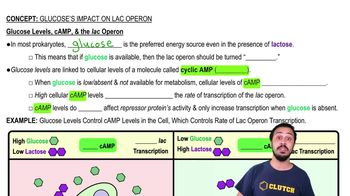
  • Glucose Levels, cAMP, & the Lac Operon
    05:58

The Trp Operon

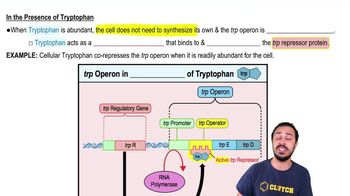
  • In the Presence of Tryptophan
    03:11
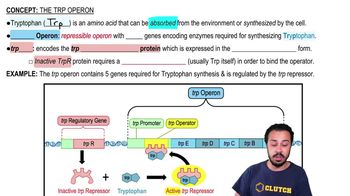
  • The Trp Operon
    05:30
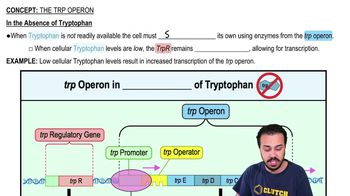
  • In the Absence of Tryptophan
    03:42

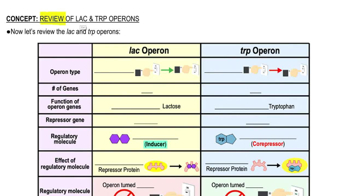
Review of the Lac Operon & Trp Operon

  • Review of the Lac Operon & Trp Operon
    06:24

Introduction to Microbial Genetics

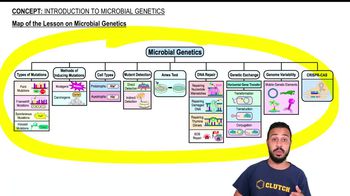
  • Map of the Lesson on Microbial Genetics
    02:04
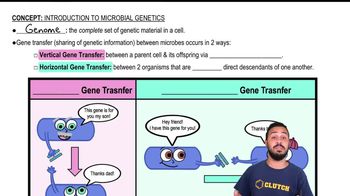
  • Introduction to Microbial Genetics
    04:20

Introduction to Mutations

  • Spontaneous vs. Induced Mutations
    02:47
  • Introduction to Mutations
    00:37
  • Types of Mutations
    08:44

Methods of Inducing Mutations

  • Chemical Mutagens
    05:13
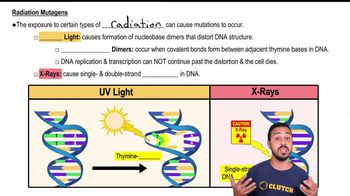
  • Radiation Mutagens
    02:55
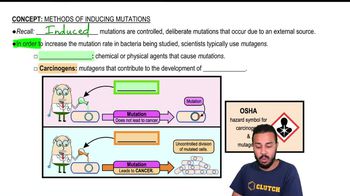
  • Methods of Inducing Mutations
    03:19

Prototrophs vs. Auxotrophs

  • Prototrophs vs. Auxotrophs Example 1
    01:54
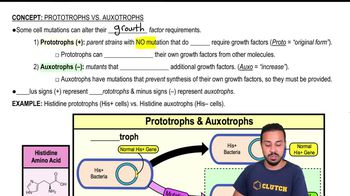
  • Prototrophs vs. Auxotrophs
    07:37

Mutant Detection

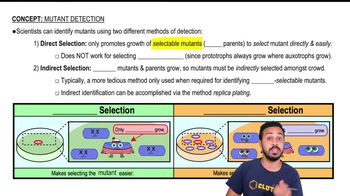
  • Mutant Detection
    06:49
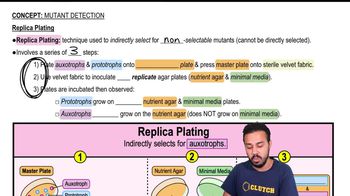
  • Replica Plating
    05:36

The Ames Test

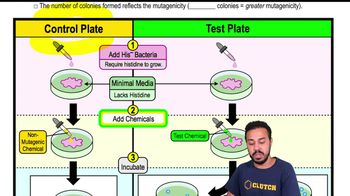
  • The Ames Test
    06:59

Introduction to DNA Repair

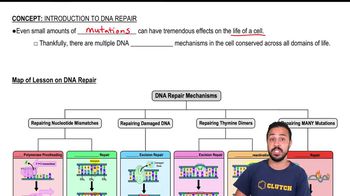
  • Introduction to DNA Repair
    02:47

DNA Repair Mechanisms

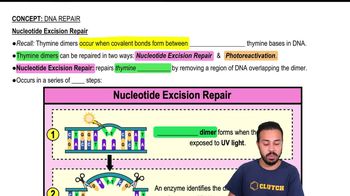
  • Nucleotide Excision Repair
    03:31
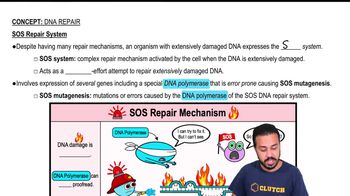
  • SOS Repair System
    03:50
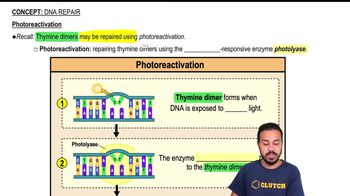
  • Photoreactivation
    02:29

Horizontal Gene Transfer

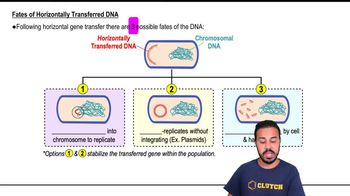
  • Fates of Horizontally Transferred DNA
    03:13
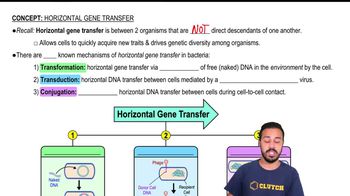
  • Horizontal Gene Transfer
    04:42
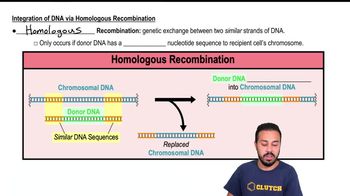
  • Integration of DNA via Homologous Recombination
    02:52

Bacterial Transformation

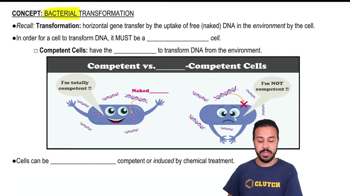
  • Bacterial Transformation
    03:06
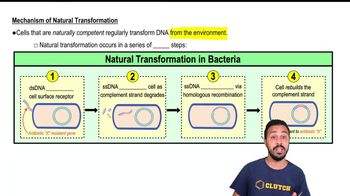
  • Mechanism of Natural Transformation
    03:49

Transduction

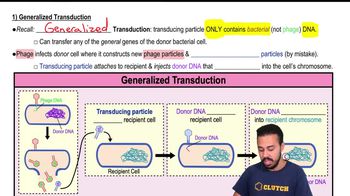
  • Generalized Transduction
    04:24
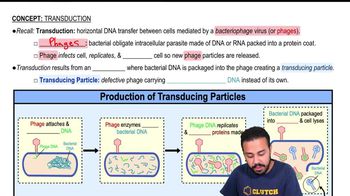
  • Transduction
    06:49
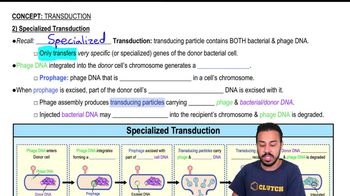
  • Specialized Transduction
    06:34

Introduction to Conjugation

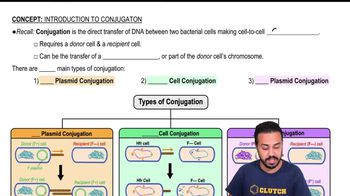
  • Introduction to Conjugation
    04:21

Conjugation: F Plasmids

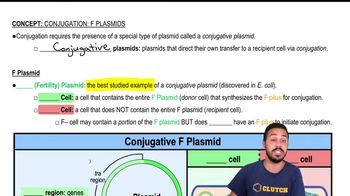
  • F Plasmids
    05:57
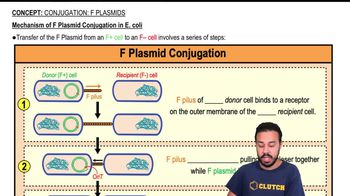
  • Mechanism of F Plasmid Conjugation in E. coli
    04:12

Conjugation: Hfr & F' Cells

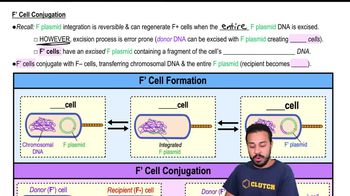
  • F’ Cell Conjugation
    04:31
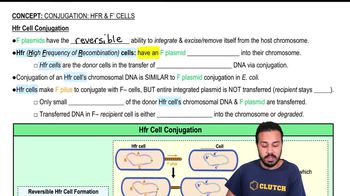
  • Hfr Cell Conjugation
    09:41

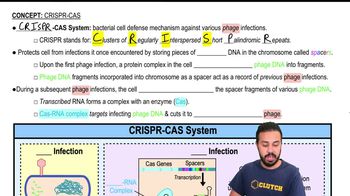
CRISPR CAS

  • CRISPR CAS
    07:43