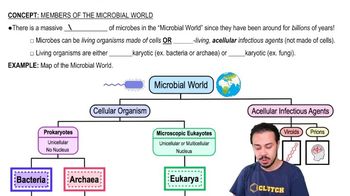
Members of the Bacterial World
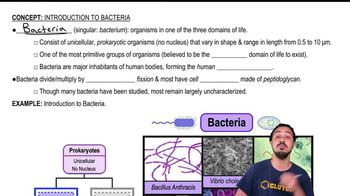
Introduction to Bacteria
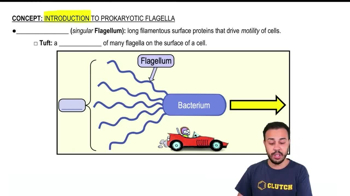
Introduction to Prokaryotic Flagella
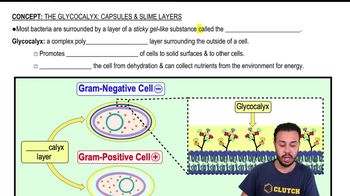
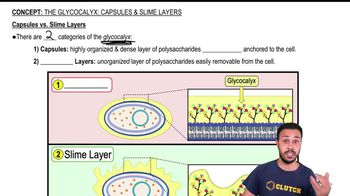
The Glycocalyx: Capsules & Slime Layers
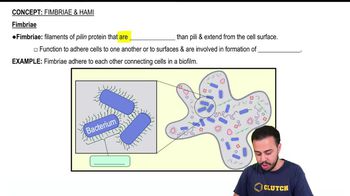
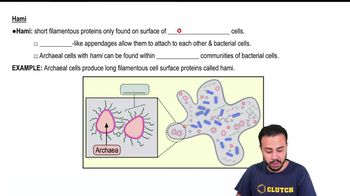
Fimbriae & Hami
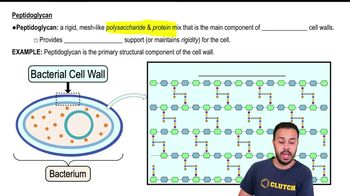
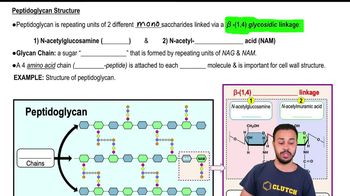
Introduction to Bacterial Cell Walls
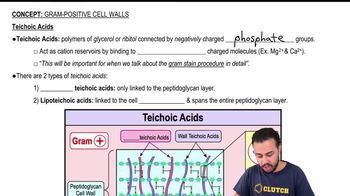
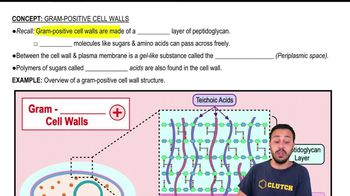
Gram-Positive Cell Walls
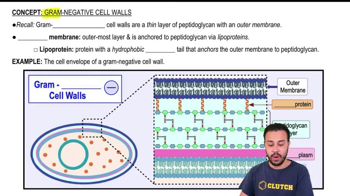
Gram-Negative Cell Walls
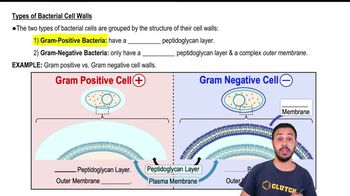
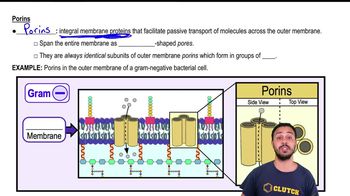
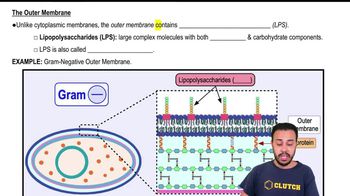
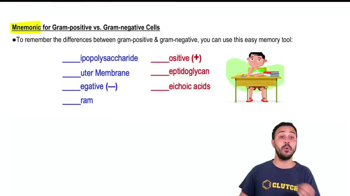
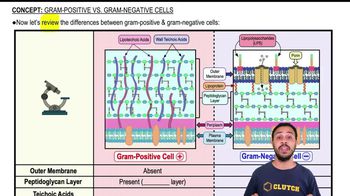
Gram-Positive vs. Gram-Negative Cell Walls
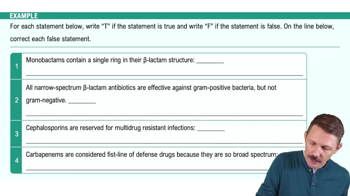
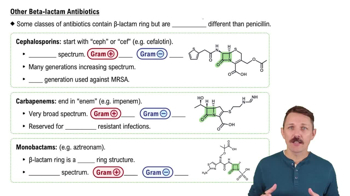
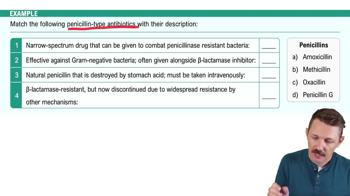
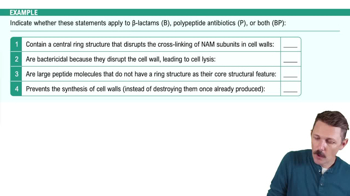
Inhibitors of Cell Wall Synthesis: Beta-lactam & Penicillin
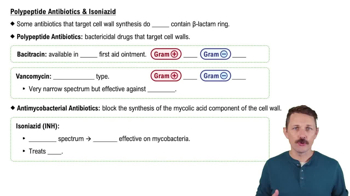
Inhibitors of Cell Wall Synthesis: Polypeptide Antibiotics & Isoniazid
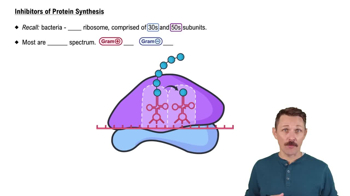
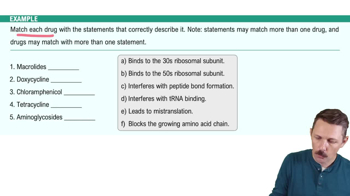
Inhibitors of Protein Synthesis
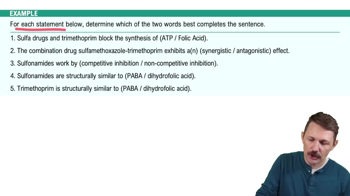
Competitive Inhibitors of Metabolic Pathways
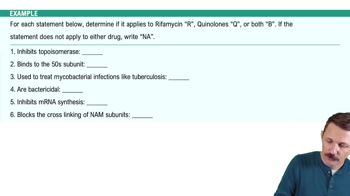
Inhibitors of Nucleic Acid Synthesis
Antimicrobial Resistance
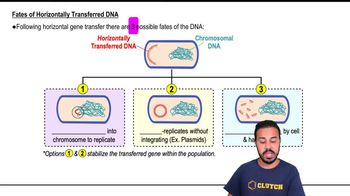
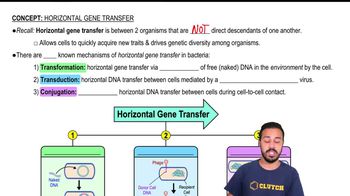
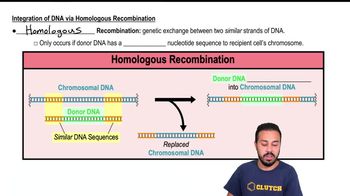
Horizontal Gene Transfer
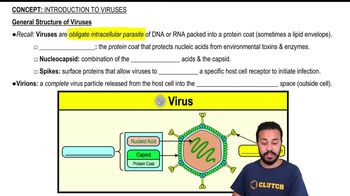
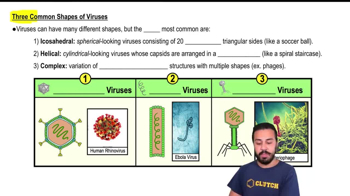
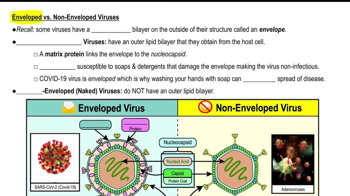
Introduction to Viruses
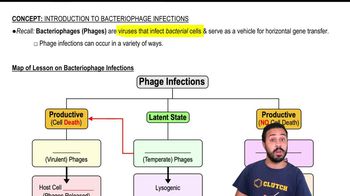
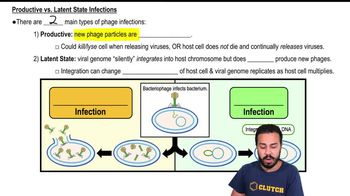
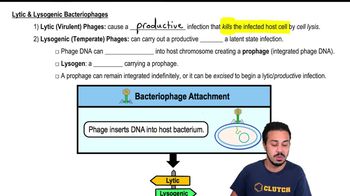
Introduction to Bacteriophage Infections
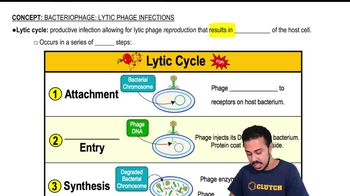
Bacteriophage: Lytic Phage Infections
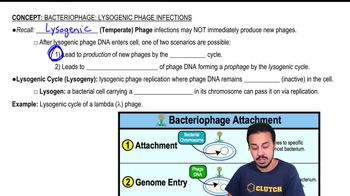
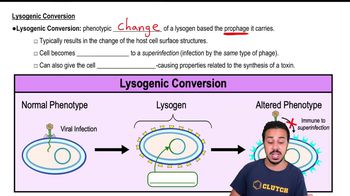
Bacteriophage: Lysogenic Phage Infections
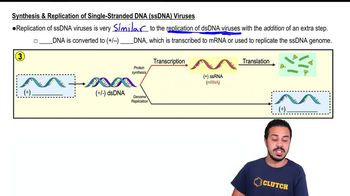
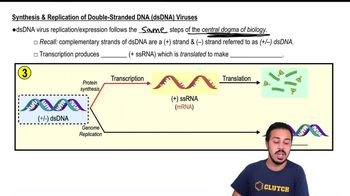
Animal Viruses: DNA Virus Synthesis & Replication
Animal Viruses: RNA Virus Synthesis & Replication
Animal Viruses: Reverse-Transcribing Virus Synthesis & Replication
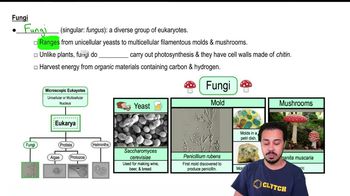
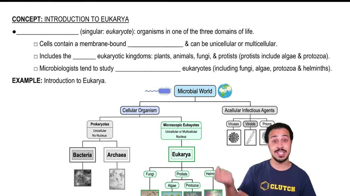
Introduction to Eukarya
Protozoan Diseases of the Digestive System
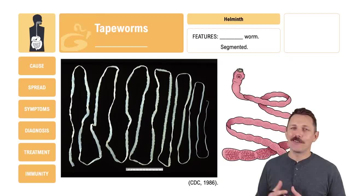
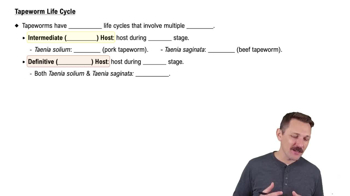
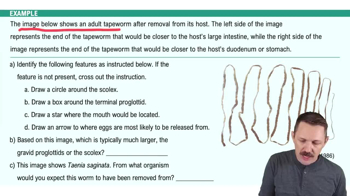
Helminthic Diseases of the Digestive System
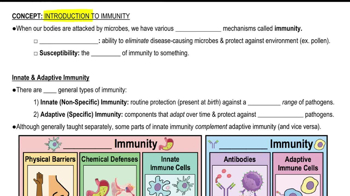
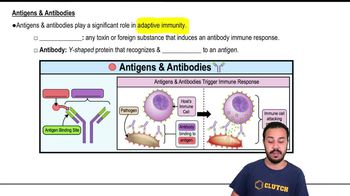
Introduction to Immunity
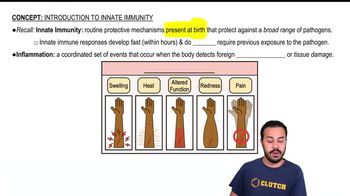
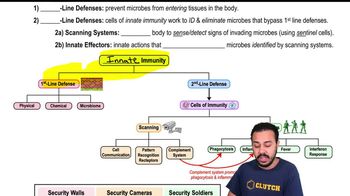
Introduction to Innate Immunity
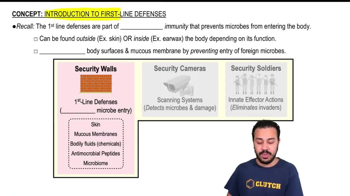
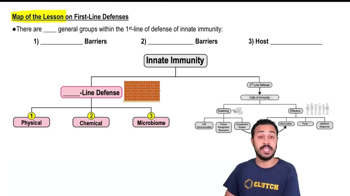
Introduction to First-Line Defenses
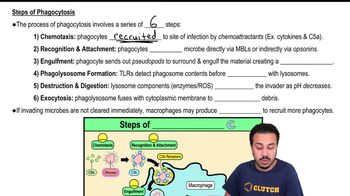
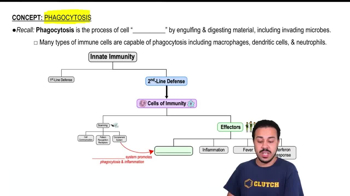
Phagoctytosis
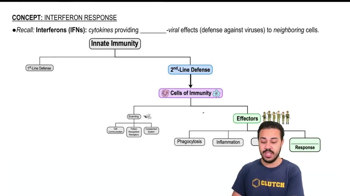
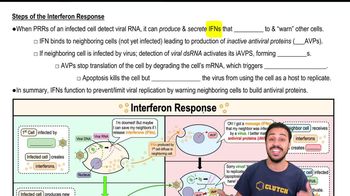
Interferon Response
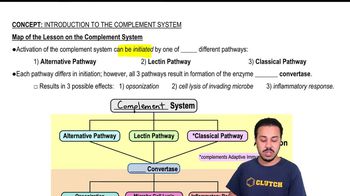
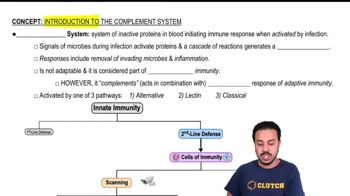
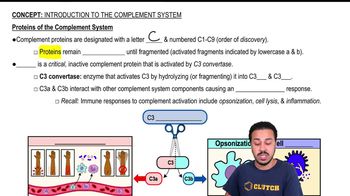
Introduction to the Complement System
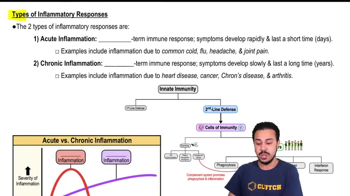
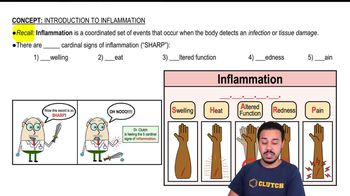
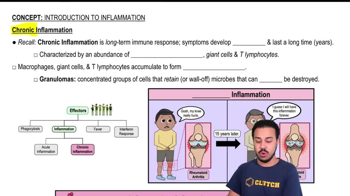
Introduction to Inflammation
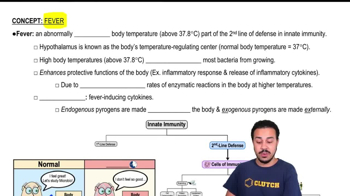
Fever
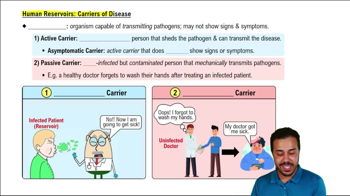
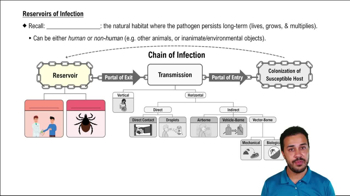
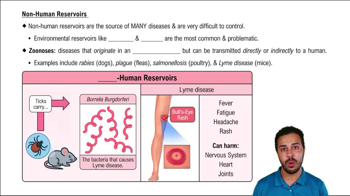
Reservoirs of Infection
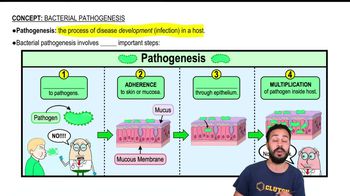
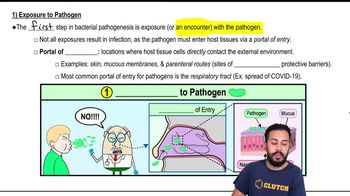
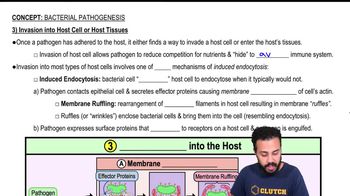
Bacterial Pathogenesis
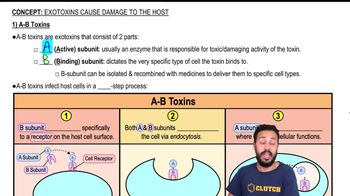
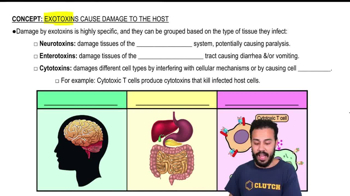
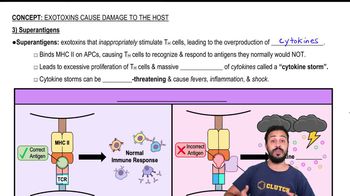
Exotoxins Cause Damage to the Host
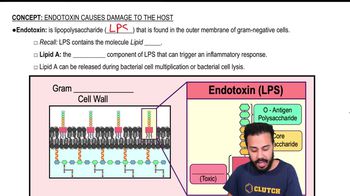
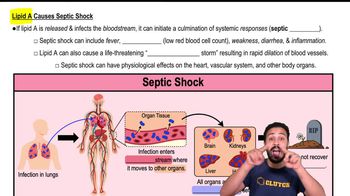
Endotoxin Causes Damage to the Host
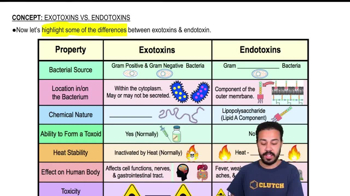
Exotoxins vs. Endotoxin Review
Introduction to Controlling Microbial Growth
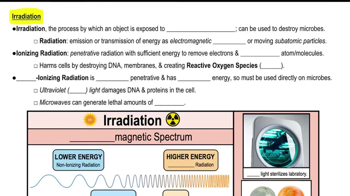
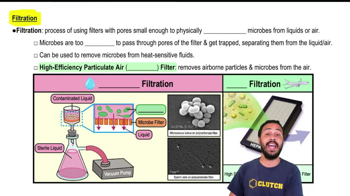
Physical Methods to Control Microbial Growth
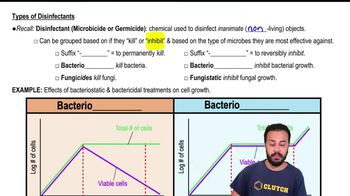
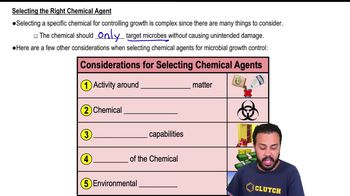
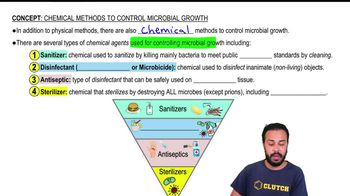
Chemical Methods to Control Microbial Growth
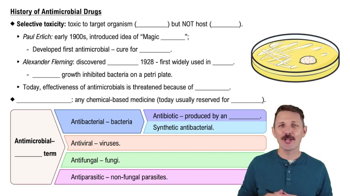
Introduction to Antimicrobial Drugs
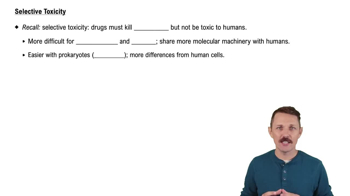
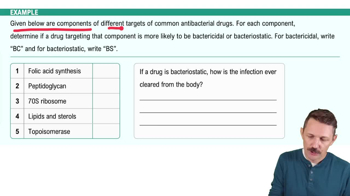
How Antimicrobial Drugs Work
Broad vs Narrow Spectrum Drugs
 Indietro
 Lezioni curate abbinate al materiale che hai caricato – impara ogni argomento passo dopo passo.
 06:17