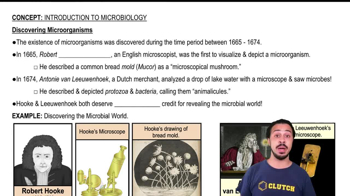
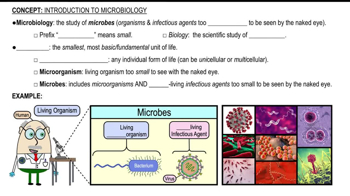
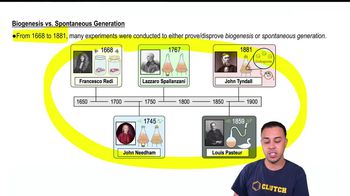
Introduction to Microbiology
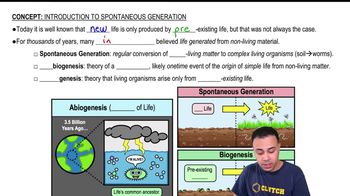
Introduction to Spontaneous Generation
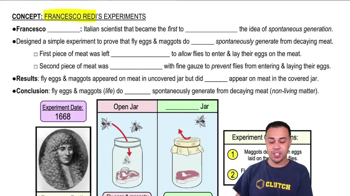
Francesco Redi's Experiments
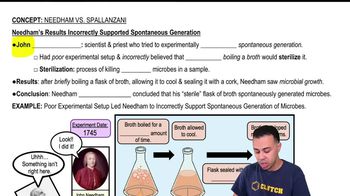
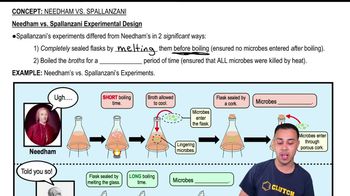
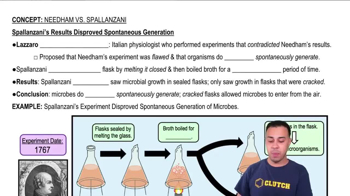
Needham vs. Spallanzani
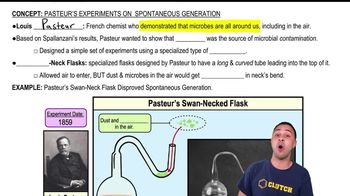
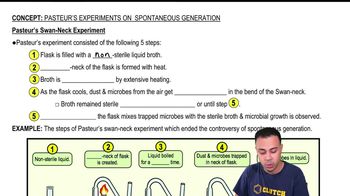
Pasteur's Experiments on Spontaneous Generation
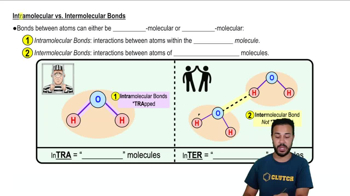
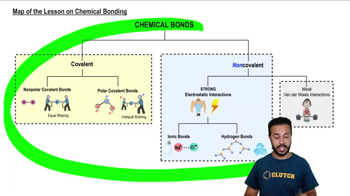
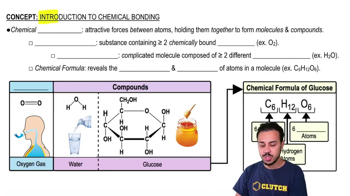
Introduction to Chemical Bonding
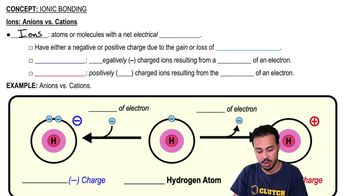
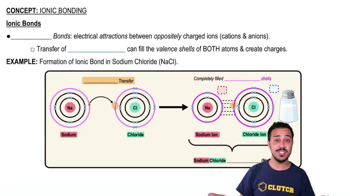
Ionic Bonding
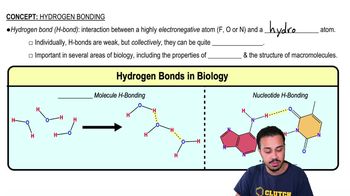
Hydrogen Bonding
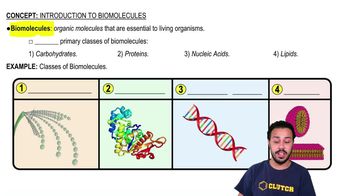
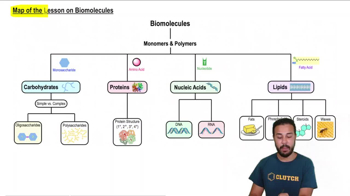
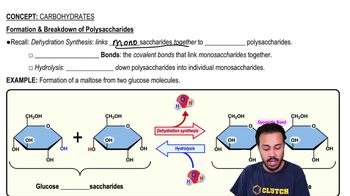
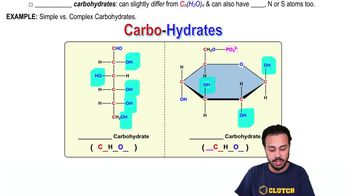
Introduction to Biomolecules
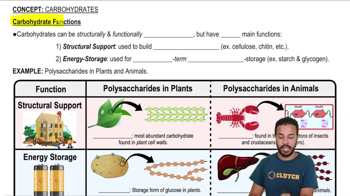
Carbohydrates
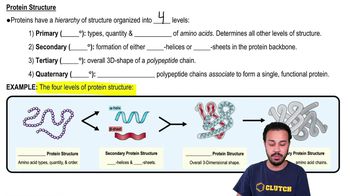
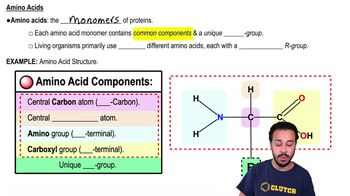
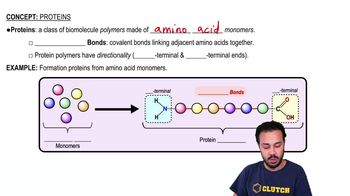
Proteins
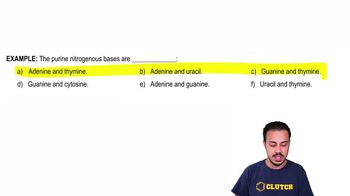
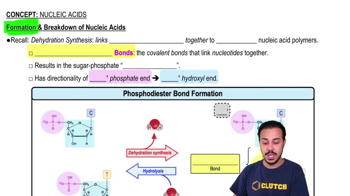
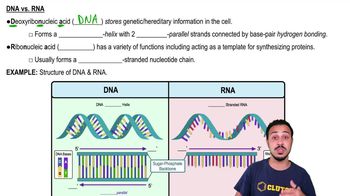
Nucleic Acids
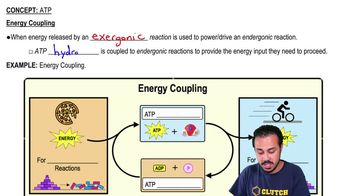
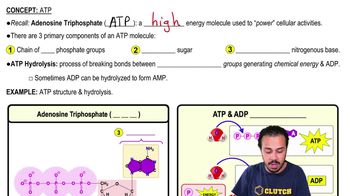
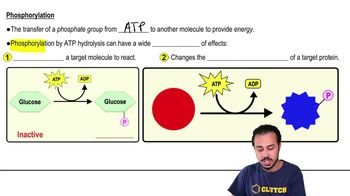
ATP
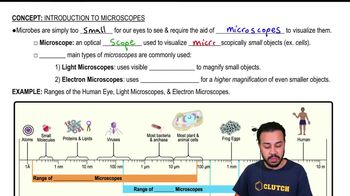
Introduction to Microscopes
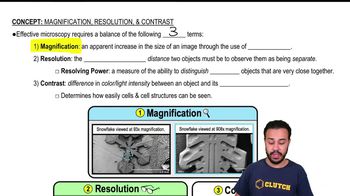
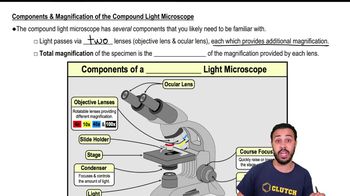
Magnification, Resolution, & Contrast
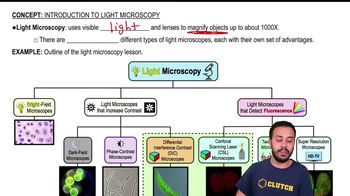
Introduction to Light Microscopy
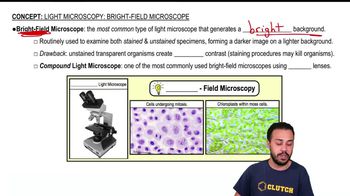
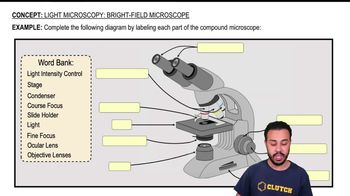
Light Microscopy: Bright-Field Microscopes
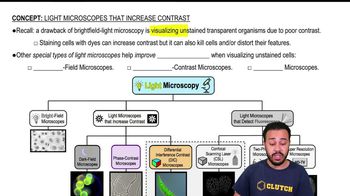
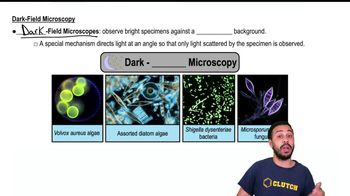
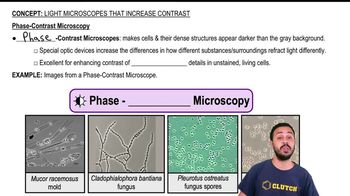
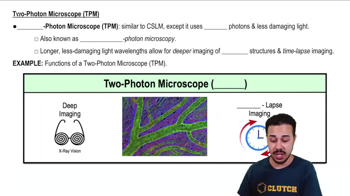
Light Microscopes that Increase Contrast
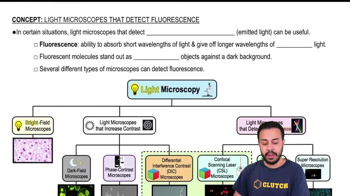
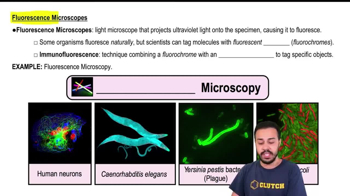
Light Microscopes that Detect Fluorescence
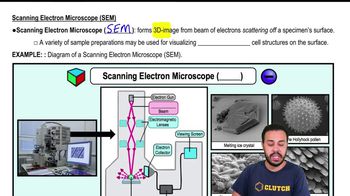
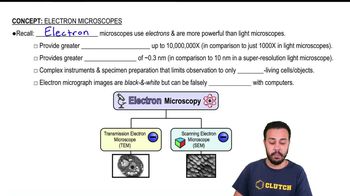
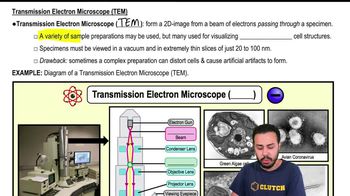
Electron Microscopes
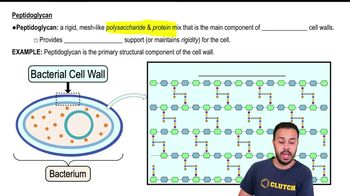
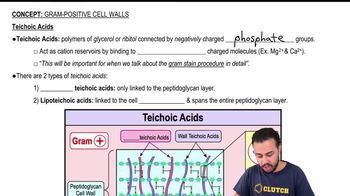
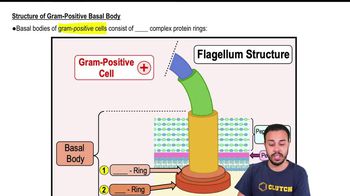
Introduction to Bacterial Cell Walls
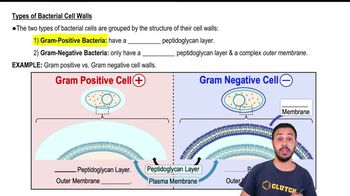
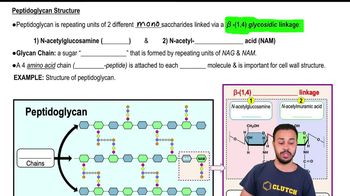
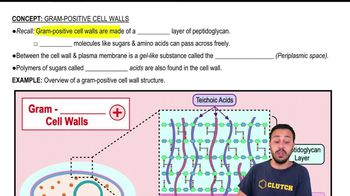
Gram-Positive Cell Walls
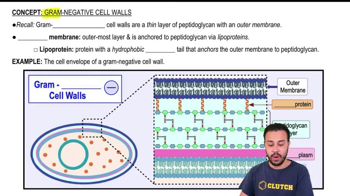
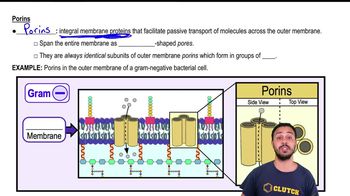
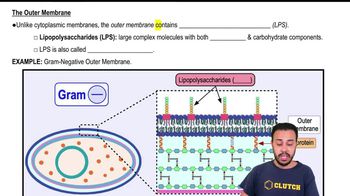
Gram-Negative Cell Walls
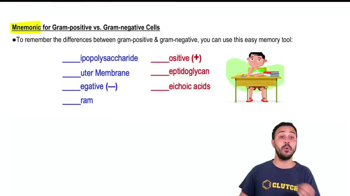
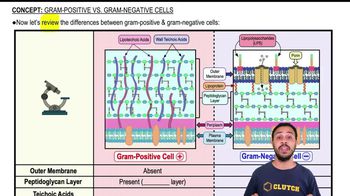
Gram-Positive vs. Gram-Negative Cell Walls
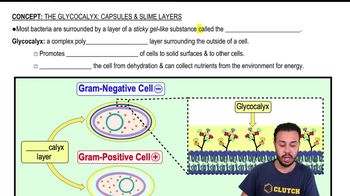
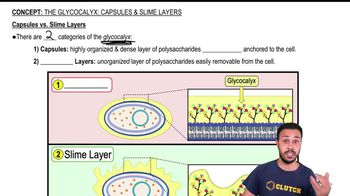
The Glycocalyx: Capsules & Slime Layers
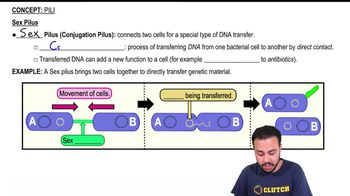
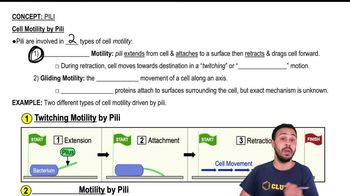
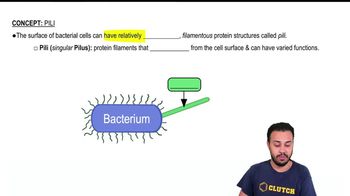
Pili
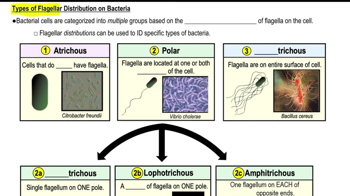
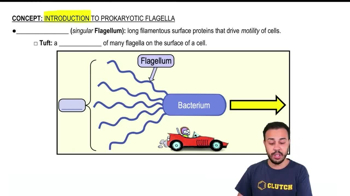
Introduction to Prokaryotic Flagella
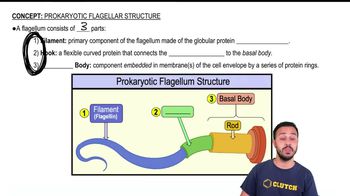
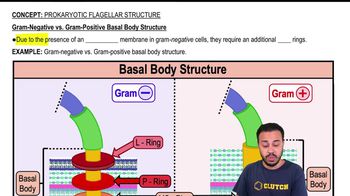
Prokaryotic Flagellar Structure
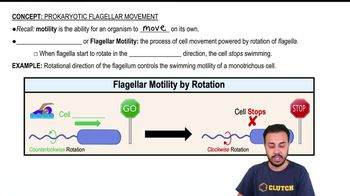
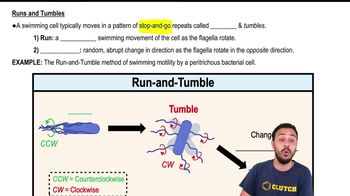
Prokaryotic Flagellar Movement
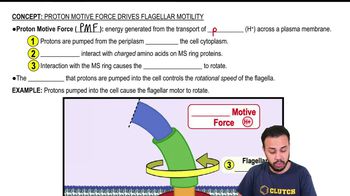
Proton Motive Force Drives Flagellar Motility
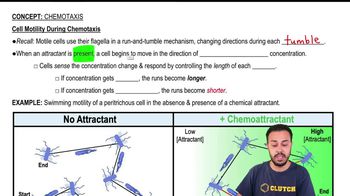
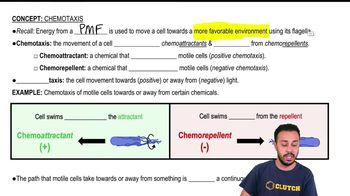
Chemotaxis
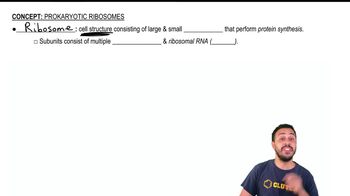
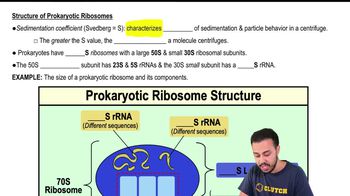
Prokaryotic Ribosomes
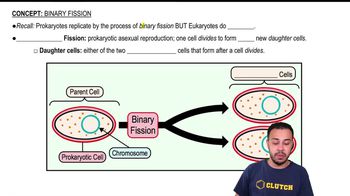
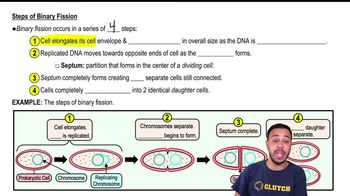
Binary Fission
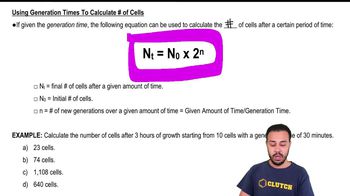
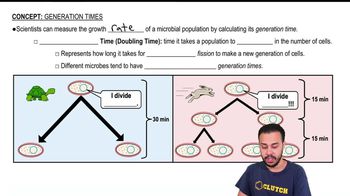
Generation Times
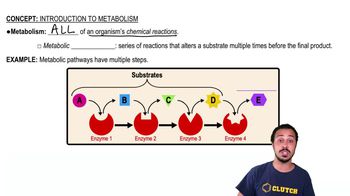
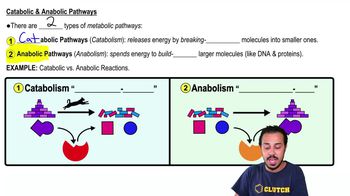
Introduction to Metabolism
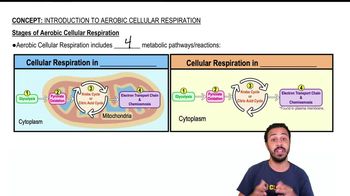
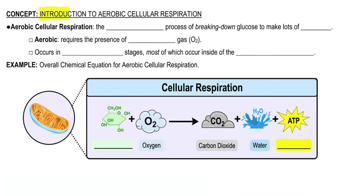
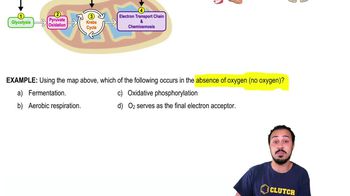
Introduction to Aerobic Cellular Respiration
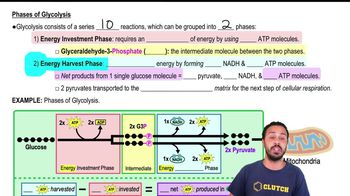
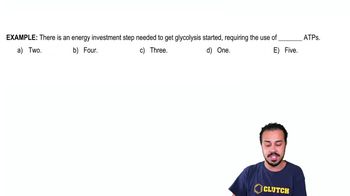
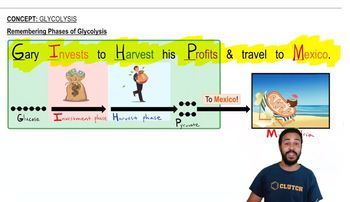
Glycolysis
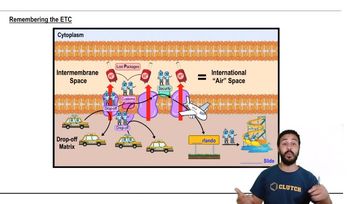
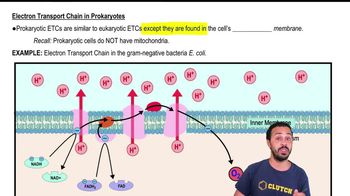
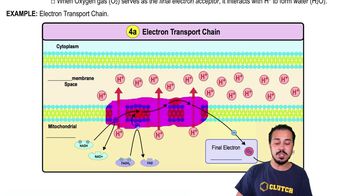
Electron Transport Chain
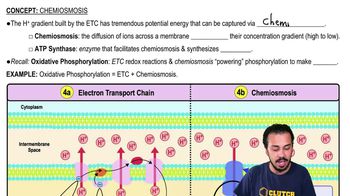
Chemiosmosis
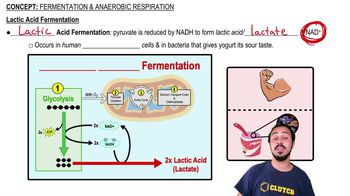
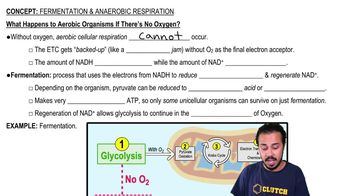
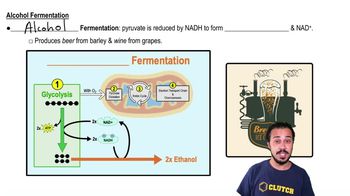
Fermentation & Anaerobic Respiration
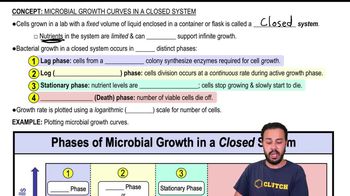
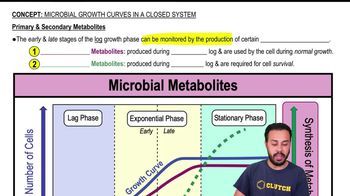
Microbial Growth Curves in a Closed System
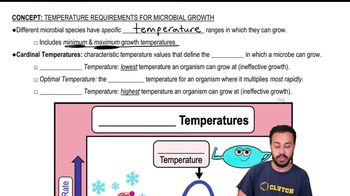
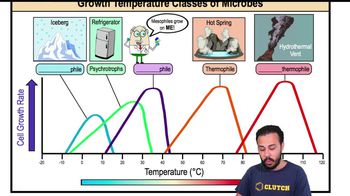
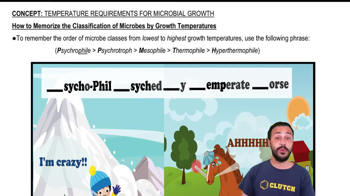
Temperature Requirements for Microbial Growth
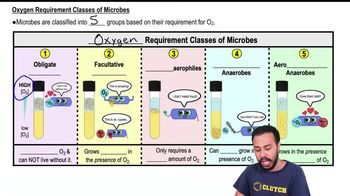
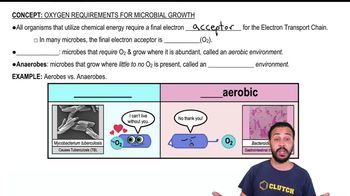
Oxygen Requirements for Microbial Growth
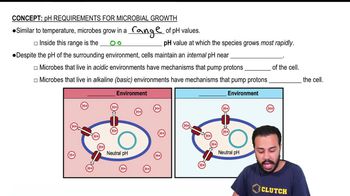
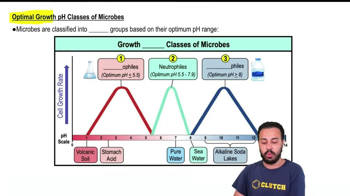
pH Requirements for Microbial Growth
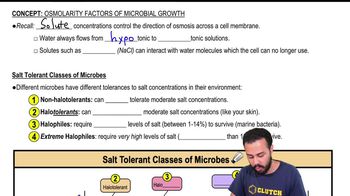
Osmolarity Factors for Microbial Growth
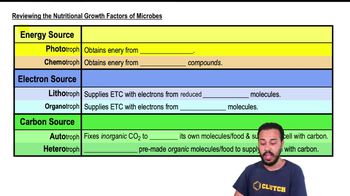
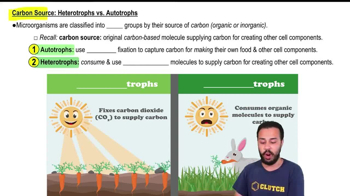
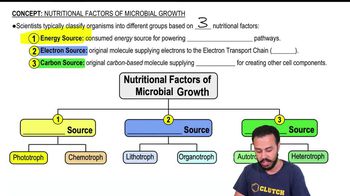
Nutritional Factors of Microbial Growth
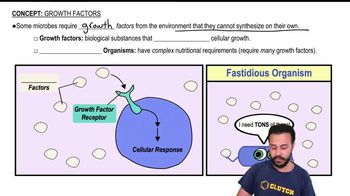
Growth Factors
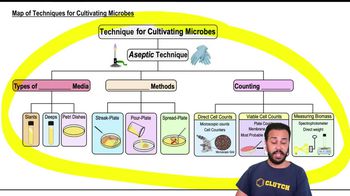
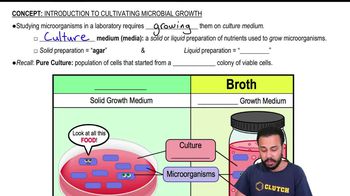
Introduction to Cultivating Microbial Growth
Types of Solid Culture Media
Plating Methods
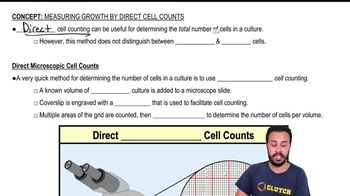
Measuring Growth by Direct Cell Counts
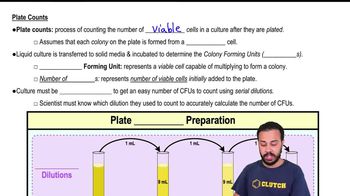
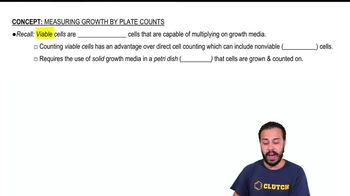
Measuring Growth by Plate Counts
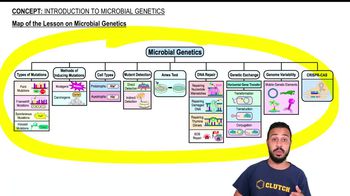
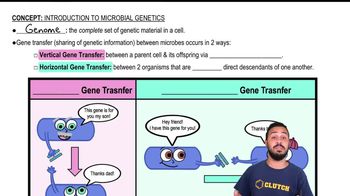
Introduction to Microbial Genetics
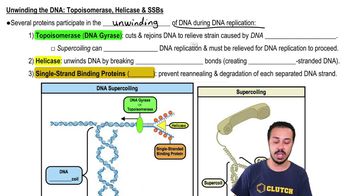
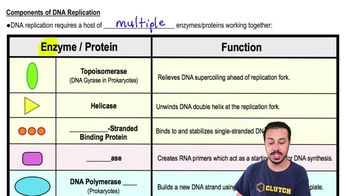
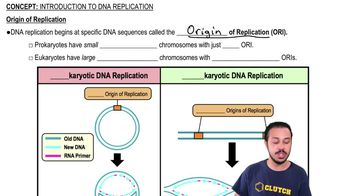
Introduction to DNA Replication
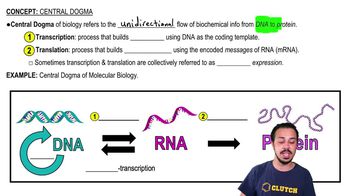
Central Dogma
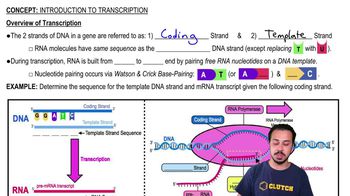
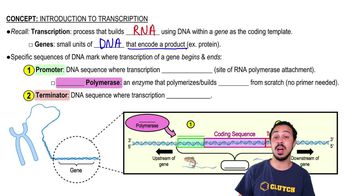
Introduction to Transcription
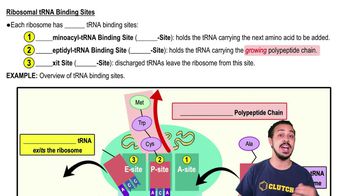
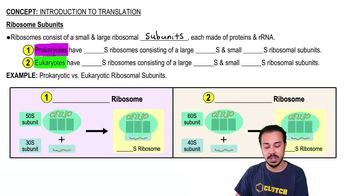
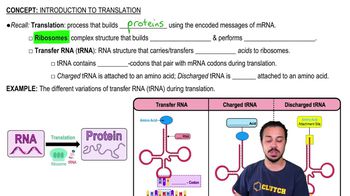
Introduction to Translation
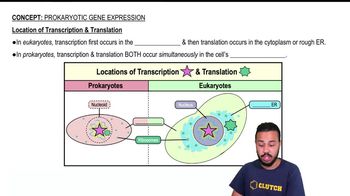
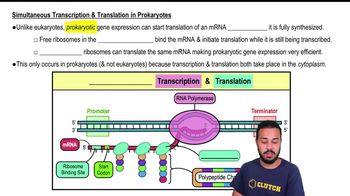
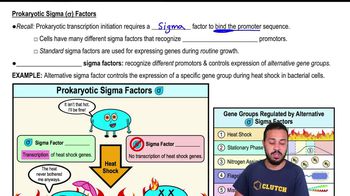
Prokaryotic Gene Expression
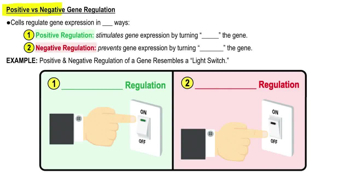
Introduction to Regulation of Gene Expression
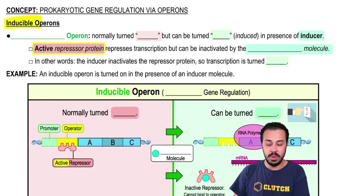
Prokaryotic Gene Regulation via Operons
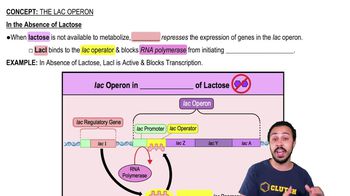
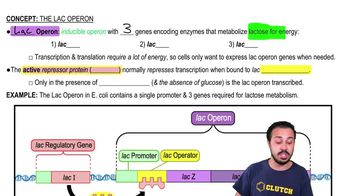
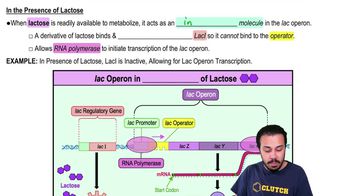
The Lac Operon
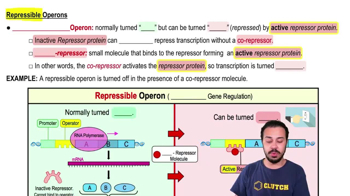
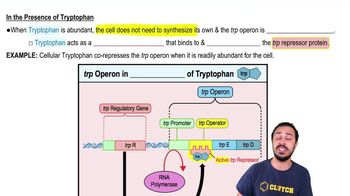
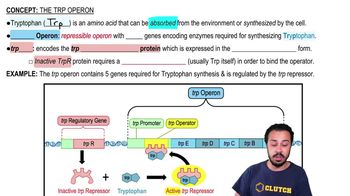
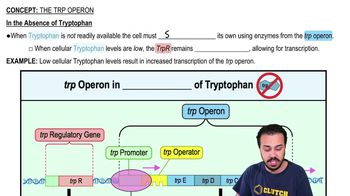
The Trp Operon
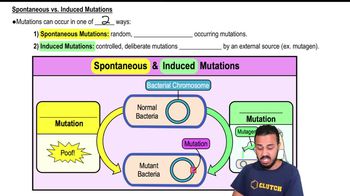
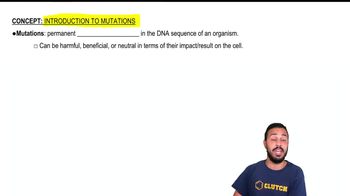
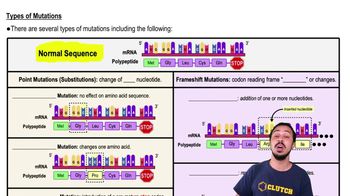
Introduction to Mutations
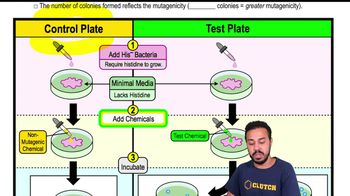
The Ames Test
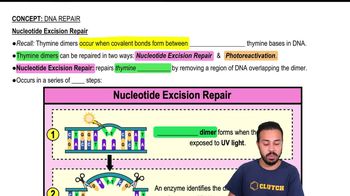
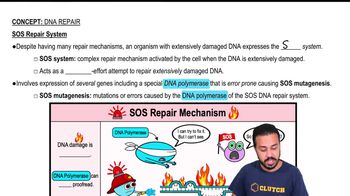
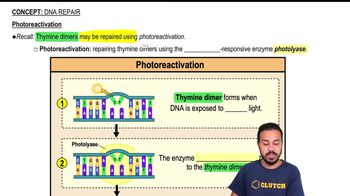
DNA Repair Mechanisms
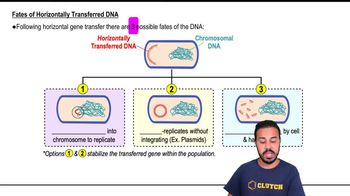
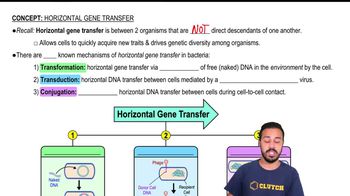
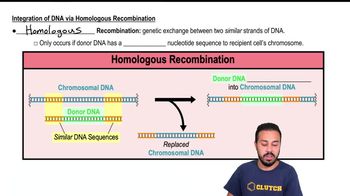
Horizontal Gene Transfer
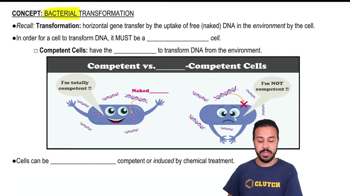
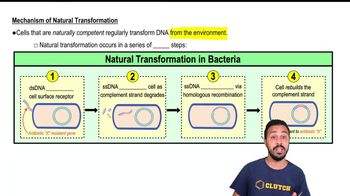
Bacterial Transformation
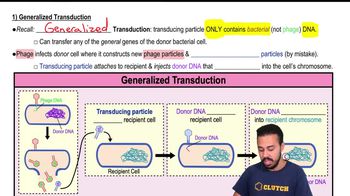
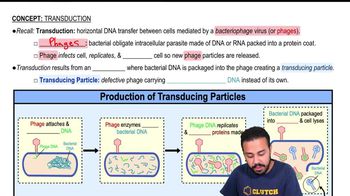
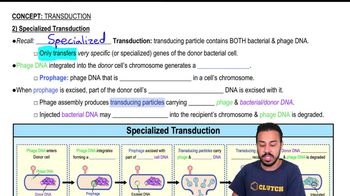
Transduction
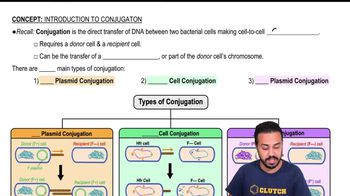
Introduction to Conjugation
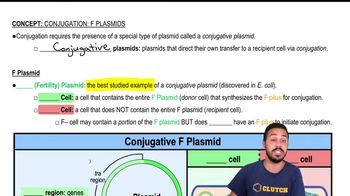
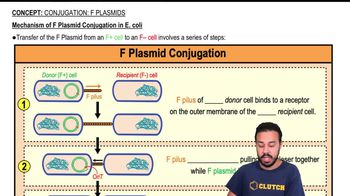
Conjugation: F Plasmids
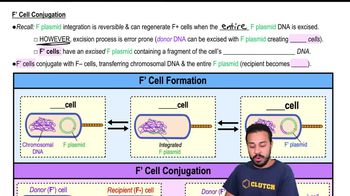
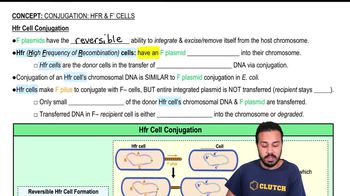
Conjugation: Hfr & F' Cells
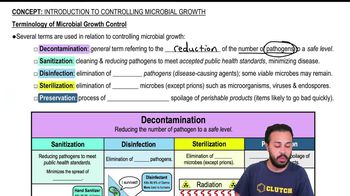
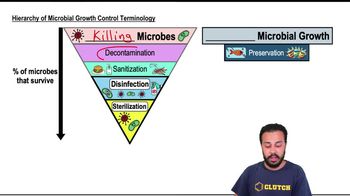
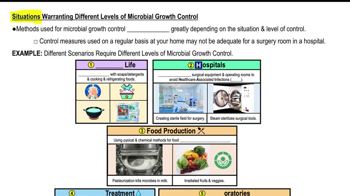
Introduction to Controlling Microbial Growth
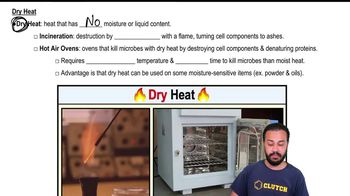
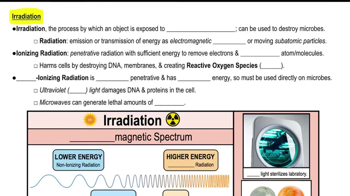
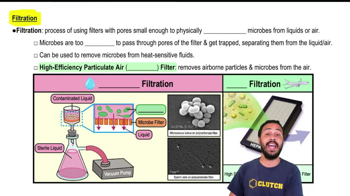
Physical Methods to Control Microbial Growth
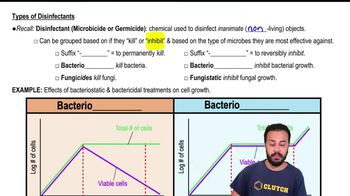
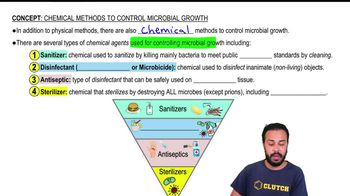
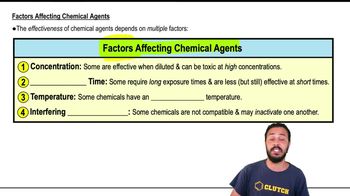
Chemical Methods to Control Microbial Growth
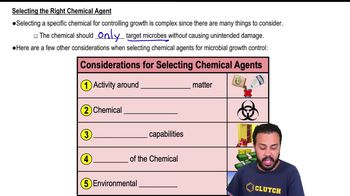
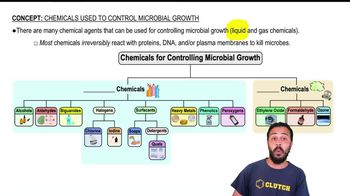
Chemicals Used to Control Microbial Growth
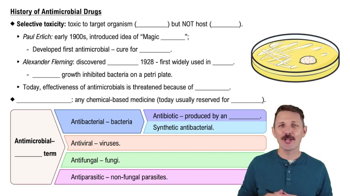
Introduction to Antimicrobial Drugs
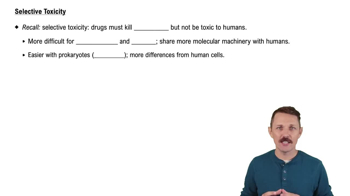
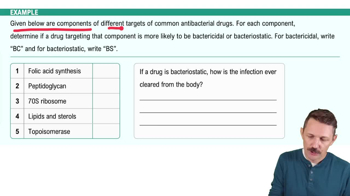
How Antimicrobial Drugs Work
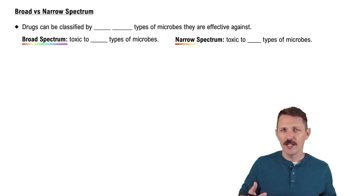
Broad vs Narrow Spectrum Drugs
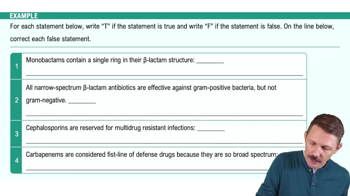
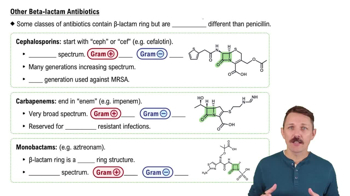
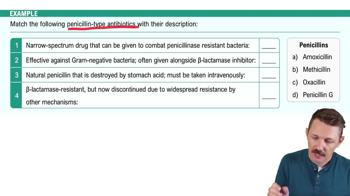
Inhibitors of Cell Wall Synthesis: Beta-lactam & Penicillin
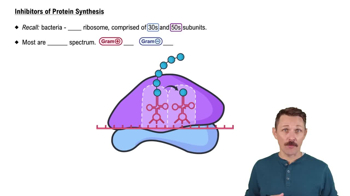
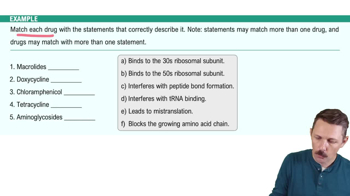
Inhibitors of Protein Synthesis
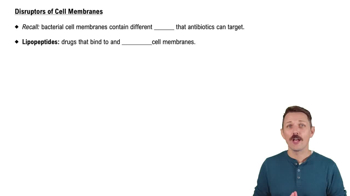
Disruptors of Cell Membranes
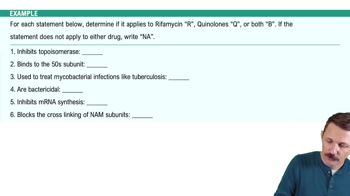
Inhibitors of Nucleic Acid Synthesis
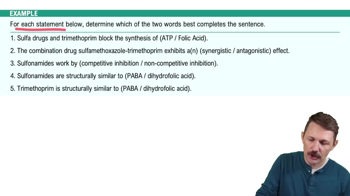
Competitive Inhibitors of Metabolic Pathways
Antimicrobial Resistance
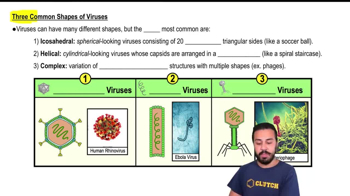
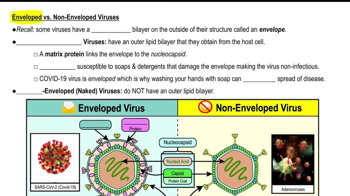
Introduction to Viruses
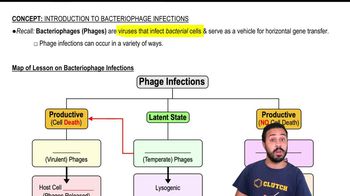
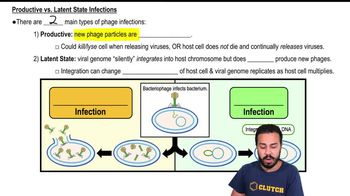
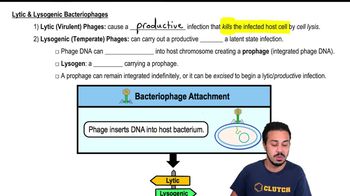
Introduction to Bacteriophage Infections
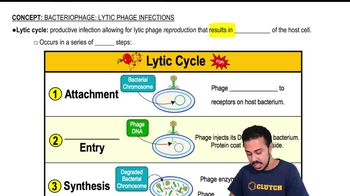
Bacteriophage: Lytic Phage Infections
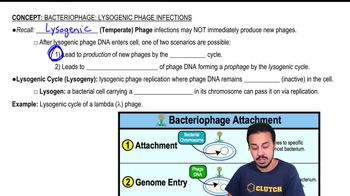
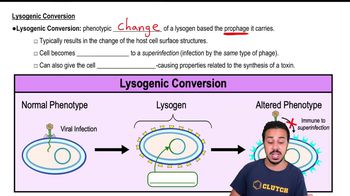
Bacteriophage: Lysogenic Phage Infections
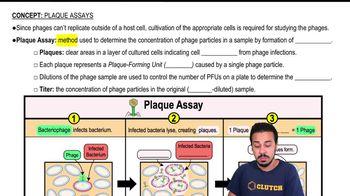
Plaque Assays
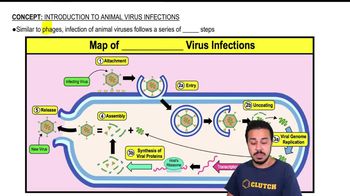
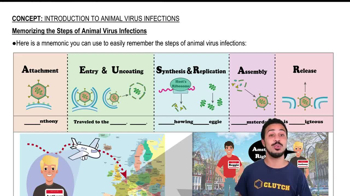
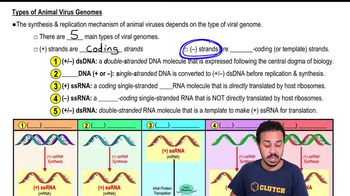
Introduction to Animal Virus Infections
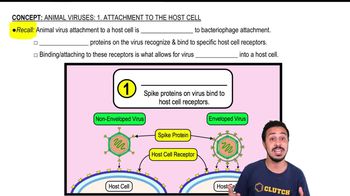
Animal Viruses: 1. Attachment to the Host Cell
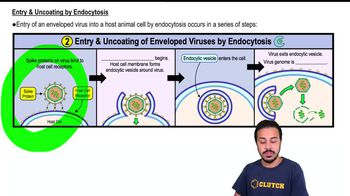
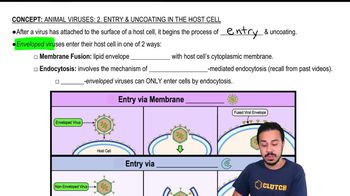
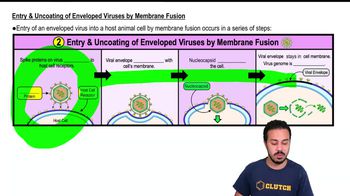
Animal Viruses: 2. Entry & Uncoating in the Host Cell
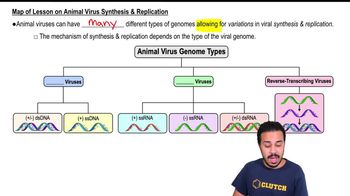
Animal Viruses: 3. Synthesis & Replication
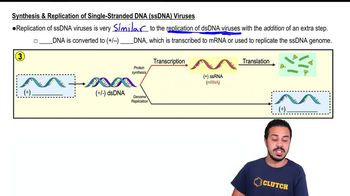
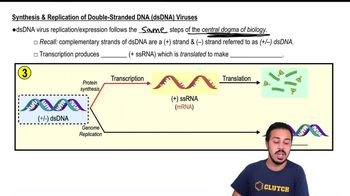
Animal Viruses: DNA Virus Synthesis & Replication
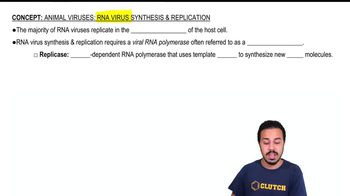
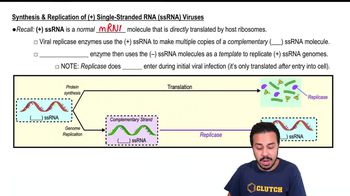
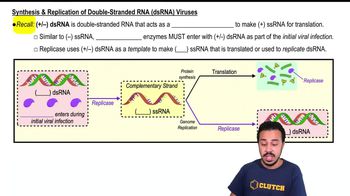
Animal Viruses: RNA Virus Synthesis & Replication
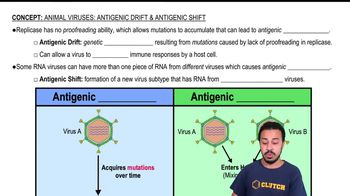
Animal Viruses: Antigenic Drift vs. Antigenic Shift
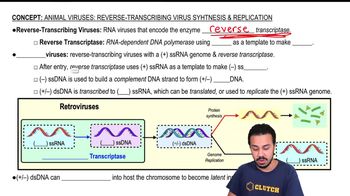
Animal Viruses: Reverse-Transcribing Virus Synthesis & Replication
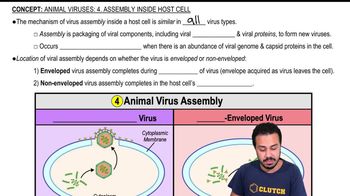
Animal Viruses: 4. Assembly Inside Host Cell
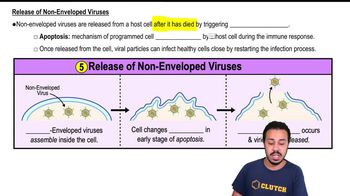
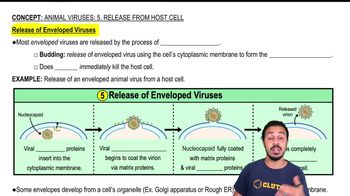
Animal Viruses: 5. Release from Host Cell
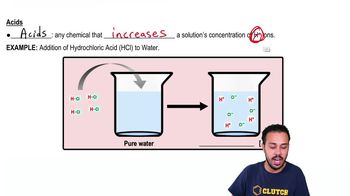
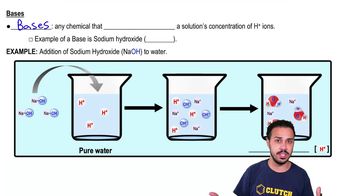
Acids and Bases
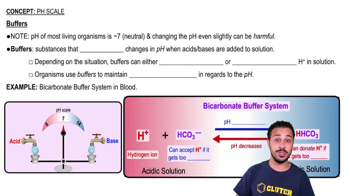
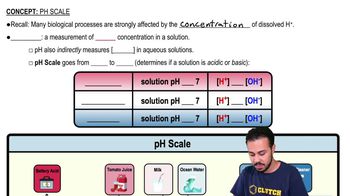
pH Scale
 Indietro
 Lezioni curate abbinate al materiale che hai caricato – impara ogni argomento passo dopo passo.
 03:36