 Indietro
Control of Microbial Growth: Principles, Methods, and Applications
Guida di studio - Note intelligenti
 Appunti personalizzati basati sui tuoi materiali, ampliati con definizioni chiave, esempi e contesto.
Control of Microbial Growth
Introduction
The control of microbial growth is essential in healthcare, food safety, and laboratory settings. This topic covers the definitions, principles, and methods used to inhibit or eliminate microorganisms, including both physical and chemical approaches.
Definitions and Key Terms in Microbial Control
Basic Terminology
Sepsis: Refers to bacterial contamination.
Asepsis: The absence of significant contamination. Aseptic techniques are used to prevent microbial contamination of wounds during surgery.
Sterilization: The process of killing or removing all forms of microbial life, including endospores, from a material or object. Heating is the most common method.
Commercial Sterilization: Heat treatment that kills Clostridium botulinum endospores in canned food. Thermophilic endospores may survive but are not pathogenic.
Disinfection: Reducing the number of pathogenic microorganisms to a level where they no longer cause disease. May use physical or chemical methods.
Disinfectant: Chemical applied to inanimate objects.
Antiseptic: Chemical applied to living tissue (antisepsis).
Degerming: Mechanical removal of microbes from a limited area (e.g., alcohol swab on skin).
Sanitization: Use of chemical agents on food-handling equipment to meet public health standards (e.g., hot soap & water).
Bacteriostatic Agent: Inhibits bacterial growth without necessarily killing them (suffix -stasis means to stop or steady).
Germicide: Agent that kills certain microorganisms.
Bactericide: Agent that kills bacteria (most do not kill endospores).
Viricide: Agent that inactivates viruses.
Fungicide: Agent that kills fungi.
Sporicide: Agent that kills bacterial or fungal spores.
Principles of Microbial Death
Rate of Microbial Death
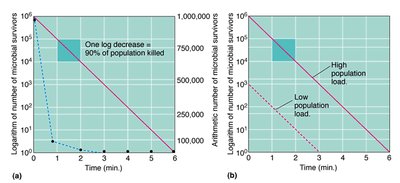
When microbial populations are exposed to antimicrobial agents, they typically die at a constant rate. Several factors influence the effectiveness of antimicrobial treatments:
Number of Microbes: Larger populations require more time to eliminate.
Type of Microbes: Endospores are highly resistant; vegetative cells vary in susceptibility.
Environmental Influences: Organic matter, pH, and other factors can inhibit antimicrobial action.
Time of Exposure: Longer exposure increases effectiveness, especially at lower temperatures.
Physical Methods of Microbial Control
Heat
Heat kills microorganisms by denaturing their enzymes and proteins. Microbial heat resistance varies widely.
Thermal Death Point (TDP): Lowest temperature at which all microbes in a liquid suspension are killed in 10 minutes.
Thermal Death Time (TDT): Minimum time required to kill all microbes at a given temperature.
Decimal Reduction Time (DRT): Time (in minutes) to kill 90% of a population at a given temperature. Used in the canning industry.
Moist Heat
Boiling: Kills most vegetative bacteria, viruses, and fungi within 10 minutes. Some endospores and viruses are more resistant (e.g., hepatitis virus can survive 30 minutes; endospores can survive 20+ hours).
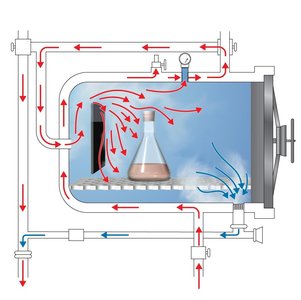
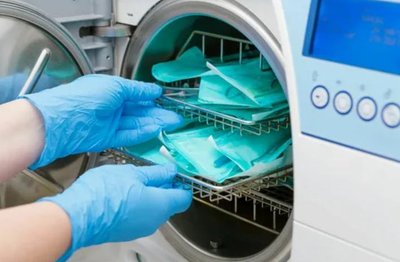
Autoclaving: Uses steam under pressure (121°C, 15 psi) to sterilize. Kills all organisms and endospores within 15 minutes. Most effective when steam contacts items directly or in small volumes.
Pasteurization: Reduces spoilage organisms and pathogens in beverages. Methods include:
Classic: 65°C for 30 min
HTST (High Temperature Short Time): 72°C for 15 sec
UHT (Ultra High Temperature): 140°C for 3 sec (milk can be stored at room temperature for months)
Dry Heat
Direct Flaming: Sterilizes inoculating loops/needles by heating until red hot.
Incineration: Used for disposable items and biological waste.
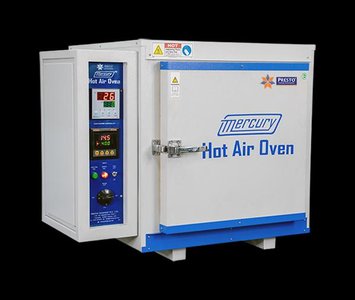
Hot Air Sterilization: Items placed in an oven at 170°C for 2 hours. Less efficient than moist heat.
Low Temperature
Refrigeration (0–7°C): Bacteriostatic; slows metabolism and reproduction.
Freezing (<0°C): Flash freezing does not kill most microbes; slow freezing is more damaging due to ice crystal formation.
Lyophilization (freeze-drying): Preserves microbes by removing water under vacuum.
High Pressure
Denatures proteins and inactivates cells without heat.
Desiccation
Absence of water prevents metabolism. Some microbes remain viable for years and resume growth when water is available. Susceptibility varies:
Neisseria gonorrhoeae: Survives ~1 hour
Mycobacterium tuberculosis: Survives months
Viruses: Fairly resistant
Clostridium and Bacillus spp.: May survive decades
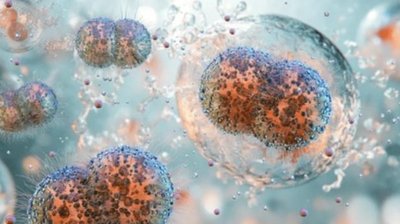
Osmotic Pressure
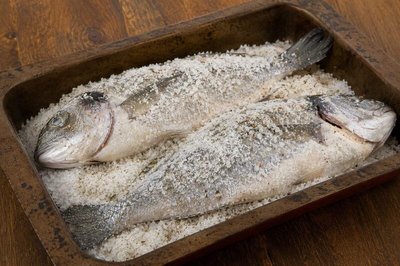
High concentrations of salts and sugars create a hypertonic environment, causing plasmolysis (cell membrane shrinks from cell wall). Used in food preservation (e.g., salted fish, jams).
Yeasts and molds: More resistant to high osmotic pressure
Staphylococcus spp.: Fairly resistant
Filtration
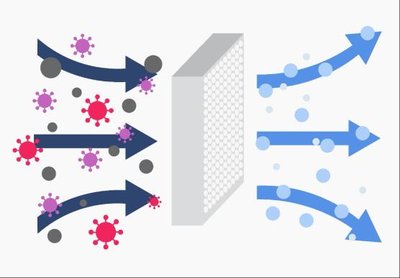
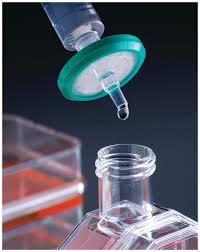
Removes microbes from liquids or gases by passing them through filters with small pores. Used for heat-sensitive materials (e.g., vaccines, antibiotics).
HEPA Filters: Remove bacteria from air in operating rooms and burn units.
Membrane Filters: Uniform pore sizes (0.22–0.45 μm for bacteria; 0.01 μm for viruses).
Radiation
Ionizing Radiation: (Gamma rays, X-rays, electron beams) Short wavelength, high energy. Dislodges electrons, forms ions, causes DNA mutations. Used for sterilizing pharmaceuticals and medical supplies. Penetrates tissues; may cause genetic mutations.
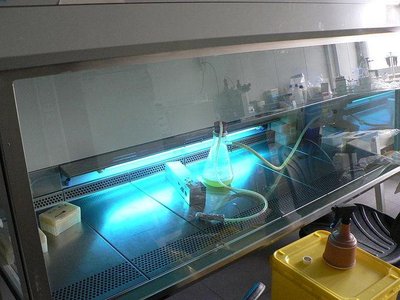
Nonionizing Radiation (UV): Longer wavelength. Damages DNA by forming thymine dimers. Used for disinfecting surfaces (e.g., operating rooms). Does not penetrate solids.
Microwave Radiation: Kills by heating water in cells. Not especially antimicrobial; uneven penetration.
Chemical Methods of Microbial Control
Principles of Effective Disinfection
Concentration of disinfectant
Presence of organic matter
pH
Time of exposure
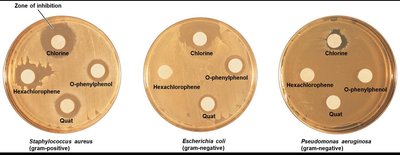
Evaluating Disinfectants: Disk-Diffusion Method
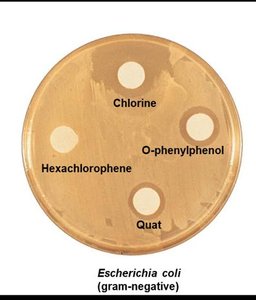
Filter paper disks soaked in chemicals are placed on microbial cultures. Zones of inhibition indicate effectiveness.
Types of Disinfectants
1. Phenols and Phenolics
Phenol (carbolic acid): First used by Lister. Rarely used today due to irritation and odor. Still found in some throat sprays and lozenges.
Phenolics: Derivatives of phenol (e.g., cresols, biphenols). Disrupt plasma membranes and denature proteins. Effective against Gram-positive bacteria.
2. Halogens
Iodine: Tincture (alcohol solution) and iodophors (slow-releasing compounds) used as antiseptics. Denature proteins by binding to amino acids. Not effective against endospores.
Chlorine: Forms hypochlorous acid in water, a strong oxidizer. Used to disinfect water, pools, and sewage. Sodium hypochlorite is the active ingredient in bleach. Inactivated by organic matter.
3. Alcohols
Kill bacteria and fungi, not endospores or non-enveloped viruses. Denature proteins and disrupt membranes. Used for skin antisepsis (e.g., before injections). Ethanol (70%) and isopropanol are common types.
4. Heavy Metals
Include silver, mercury, copper, selenium, and zinc. Exhibit oligodynamic action (effective in tiny amounts).
Silver nitrate: Used to prevent neonatal gonorrheal eye infections.
Copper sulfate: Used to control algae in water.
Selenium: Used for fungal infections and in dandruff shampoos.
Zinc: Used in mouthwashes and as antifungal agent in paints.
5. Quaternary Ammonium Compounds (Quats)
Cationic detergents effective against Gram-positive bacteria, fungi, amoebas, and enveloped viruses. Used for surface disinfection (e.g., Zephiran, Cepacol). Ineffective against some Gram-negative bacteria (e.g., Pseudomonas).
Advantages: Colorless, odorless, tasteless, stable, nontoxic.
Disadvantages: Inactivated by organic matter and soaps.
6. Aldehydes
Formaldehyde: Used as formalin (37% solution) for preserving specimens and inactivating pathogens in vaccines. Irritating and strong odor.
Glutaraldehyde: Less irritating, more effective. 2% solution is bactericidal, tuberculocidal, and viricidal in 10 minutes; sporicidal in 3–10 hours. Used for hospital instruments.
7. Gaseous Sterilizers
Ethylene oxide: Sterilizes in a chamber. Kills all microbes and endospores with 4–18 hours exposure. Highly penetrating but toxic and explosive. Used for mattresses and large equipment.
8. Peroxygens (Oxidizing Agents)
Ozone: Used with chlorine to disinfect water; more effective but less stable.
Hydrogen peroxide: Used as antiseptic and disinfectant; sporicidal at high temperatures.
Benzoyl peroxide: Used in acne medications.
Peracetic acid: Highly effective liquid sporicide; used for food and medical instruments.
9. Essential Oils
Plant-derived mixtures (e.g., peppermint, pine, orange oils). Antimicrobial action due to phenolics and terpenes. More effective against Gram-positive bacteria.
Summary Table: Resistance of Microbes to Disinfectants
Microbe Type | Relative Resistance |
|---|---|
Prions | Most resistant |
Bacterial endospores | Very resistant |
Coccidia (Cryptosporidium) | Highly resistant |
Mycobacterium | Resistant |
Nonlipid viruses (e.g., HepA, Polio) | Moderately resistant |
Fungi | Moderately resistant |
Rickettsiae, Chlamydiae | Less resistant |
Vegetative bacteria | Less resistant |
Lipid-containing viruses (e.g., HIV) | Least resistant |
Practice Questions
Q: A heat-sensitive liquid in a laboratory has been contaminated with E. coli. Which form(s) of microbial growth control could you use to remove this E. coli population from the liquid? A: Filtering the liquid (filtration is suitable for heat-sensitive solutions).
Q: How does desiccation control microbial growth? A: Desiccation removes all moisture from living cells, inhibiting or killing microbes.
Q: Which of the following chemicals is most effective in inhibiting the growth of E. coli? A: The answer cannot be determined based on the information provided (requires experimental data).
Q: Quaternary ammonium compounds: A: Are cationic detergents that help wash surfaces.
Additional info: These notes are based on Chapter 7 of Tortora, Case, et al., "Microbiology: An Introduction," and are suitable for college-level microbiology students preparing for exams on microbial control.
