 Indietro
Control of Microorganisms in the Body: Antimicrobial Drugs
Guida di studio - Note intelligenti
 Appunti personalizzati basati sui tuoi materiali, ampliati con definizioni chiave, esempi e contesto.
Control of Microorganisms in the Body: Antimicrobial Drugs
Overview of Antimicrobial Drugs
Antimicrobial drugs are essential tools in modern medicine, used to treat infections caused by bacteria, fungi, viruses, protozoa, and helminths. Their effectiveness depends on their ability to selectively target pathogens without harming the host.
Chemotherapy: The use of drugs to treat diseases, especially infections.
Antimicrobial drugs: Compounds that interfere with the growth of microbes within a host.
Antibiotic: A substance produced by a microbe that inhibits the growth of another microbe.
Selective toxicity: The principle that drugs should kill or inhibit pathogens without damaging host cells.
History and Development of Antibiotics
The discovery and development of antibiotics revolutionized the treatment of infectious diseases. Early pioneers such as Paul Ehrlich and Selman Waksman contributed significantly to the field.
Paul Ehrlich: Introduced the concept of selective toxicity.
Selman Waksman: Coined the term "antibiotic" and discovered streptomycin, effective against tuberculosis.
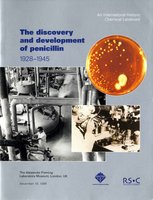
Penicillin: The first antibiotic discovered, produced by the fungus Penicillium.
Attributes of an Ideal Antimicrobial Drug
An ideal antimicrobial drug should possess several key attributes to maximize efficacy and minimize harm.
Solubility in body fluids
Selective toxicity
Non-allergenic
Stability (slow degradation and excretion)
Resistance not easily acquired
Long shelf life
Reasonable cost
Spectrum of Action
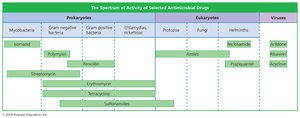
The spectrum of action refers to the range of pathogens a drug can affect. Drugs may be narrow-spectrum (targeting few organisms) or broad-spectrum (targeting many organisms).
Narrow-spectrum: Effective against specific groups of microbes.
Broad-spectrum: Effective against a wide variety of microbes, but may disrupt normal flora and lead to superinfections.
Major Modes of Action for Antimicrobial Drugs
Mechanisms of Action
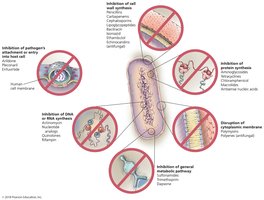
Antimicrobial drugs act by targeting specific structures or processes in microbial cells. The main mechanisms include inhibition of cell wall synthesis, protein synthesis, cell membrane function, metabolic pathways, and nucleic acid synthesis.
Inhibition of cell wall synthesis
Inhibition of protein synthesis
Disruption of cell membrane function
Inhibition of metabolic pathways
Inhibition of nucleic acid synthesis
Inhibition of Cell Wall Synthesis
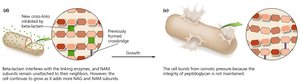
Drugs targeting cell wall synthesis are particularly effective against bacteria and fungi. Beta-lactam antibiotics, such as penicillins and cephalosporins, prevent cross-linking of peptidoglycan, leading to cell lysis.
Beta-lactams: Bind to enzymes that cross-link NAM subunits in peptidoglycan.
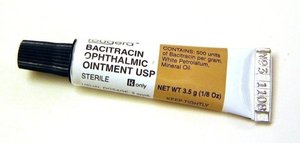
Bacitracin: Blocks secretion of NAG and NAM from cytoplasm; used topically.
Isoniazid: Disrupts mycolic acid formation in mycobacteria.
Vancomycin: Interferes with bridges linking NAM subunits; last line of defense against MRSA.
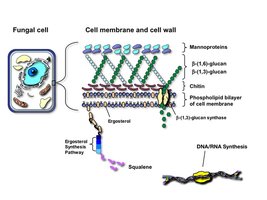
Echinocandins (fungi): Inhibit synthesis of β-glucan in fungal cell walls.
Disruption of Cell Membrane Function
Some drugs disrupt the integrity of microbial cell membranes, causing leakage of cellular contents and cell death.
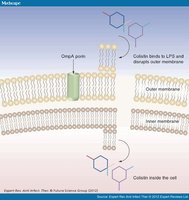
Polymyxins (bacteria): Attach to LPS and disrupt phospholipids; nephrotoxicity is a concern.
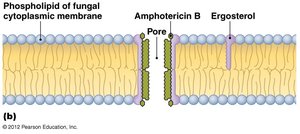
Polyenes (fungi): Amphotericin B binds to ergosterol, forming pores in fungal membranes.
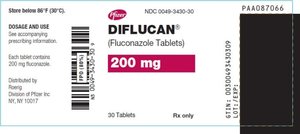
Azoles (fungi): Inhibit ergosterol synthesis, affecting membrane structure.
Inhibition of Protein Synthesis
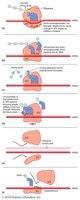
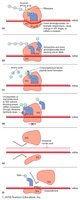
Protein synthesis inhibitors exploit differences between prokaryotic (70S) and eukaryotic (80S) ribosomes. These drugs selectively target bacterial translation.
Aminoglycosides: Bind to 30S subunit, causing misreading of mRNA.
Tetracyclines: Block attachment of tRNA to ribosome.
Chloramphenicol: Inhibits peptide bond formation.
Macrolides: Bind to 50S subunit, inhibiting translocation.
Inhibition of Metabolic Pathways and Nucleic Acid Synthesis
Drugs targeting metabolic pathways or nucleic acid synthesis are effective when pathogen and host processes differ.
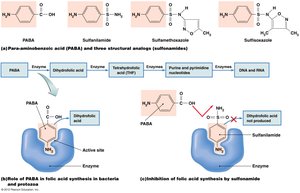
Sulfa drugs: Inhibit folic acid synthesis in bacteria; animals lack this pathway.
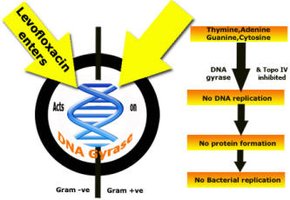
Quinolones: Inhibit DNA gyrase, preventing DNA replication.
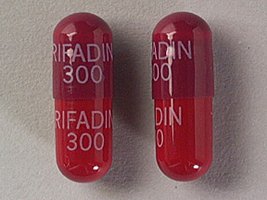
Rifamycins: Target RNA polymerase, especially in Mycobacterium.
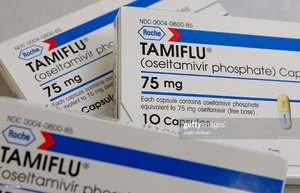
Viral enzyme inhibitors: Block viral replication enzymes (e.g., protease, neuraminidase, reverse transcriptase).
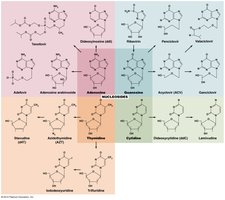
Nucleoside analogs: Mimic nucleotides, disrupting viral DNA/RNA synthesis.
Antiprotozoan and Antihelminthic Drugs
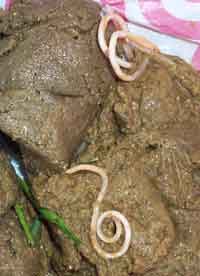
Drugs targeting protozoa and helminths are used to treat diseases such as malaria and intestinal worm infections.
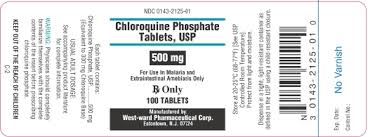
Chloroquine: Inhibits DNA synthesis in Plasmodium (malaria).
Artemisinin: Kills malaria sporozoites.
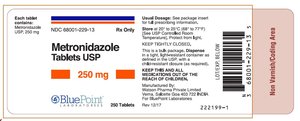
Metronidazole: Interferes with anaerobic metabolism in protozoa.
Niclosamide: Prevents ATP generation in tapeworms.
Praziquantel: Alters membrane permeability in flatworms.
Mebendazole/Albendazole: Interfere with nutrient absorption in roundworms.
Ivermectin: Causes paralysis of helminths.
Clinical Considerations and Resistance
Safety and Side Effects
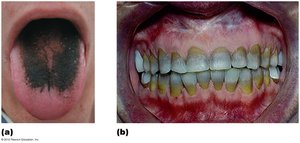
Antimicrobial drugs can disrupt normal microbiota, leading to secondary infections or superinfections. Toxicity and allergic reactions are also concerns.
Disruption of normal flora may cause overgrowth of opportunistic pathogens.
Side effects can include toxicity to organs and allergic reactions.
Resistance to Antimicrobial Drugs
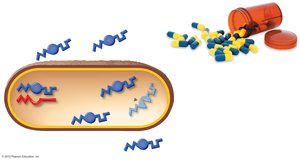
Microbial resistance arises through mutations or acquisition of resistance genes. Misuse of antibiotics accelerates resistance development.
Resistance mechanisms include enzyme production, altered drug targets, reduced drug entry, and efflux pumps.
Misuse includes incomplete regimens, use for non-bacterial infections, and use in animal feed.

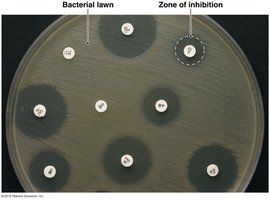
Testing for Antibiotic Resistance: Kirby-Bauer Test
The Kirby-Bauer disc diffusion test is used to measure bacterial susceptibility to antibiotics. Zones of inhibition indicate effectiveness.
Discs containing antibiotics are placed on a bacterial lawn.
Clear zones around discs indicate inhibition of bacterial growth.
Summary and Take Home Points
Selective toxicity is crucial for effective antimicrobial therapy.
Antibiotics vary in spectrum and mode of action.
Major drug targets include cell wall, protein synthesis, cell membrane, metabolic pathways, and nucleic acid synthesis.
Resistance is a growing concern, driven by misuse and selective pressure.
Testing for resistance is essential for appropriate therapy.
