 Indietro
Controlling Microbial Growth in the Body: Antimicrobial Drugs
Guida di studio - Note intelligenti
 Appunti personalizzati basati sui tuoi materiali, ampliati con definizioni chiave, esempi e contesto.
Controlling Microbial Growth in the Body: Antimicrobial Drugs
Introduction to Antimicrobial Drugs
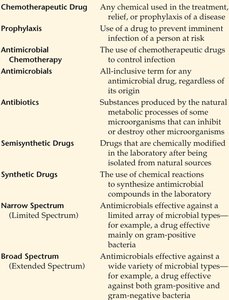
Antimicrobial drugs are essential tools in the treatment and prevention of infectious diseases. Their primary goal is to destroy or inhibit the growth of pathogenic microbes while minimizing harm to the host. The concept of selective toxicity is central to antimicrobial therapy, ensuring that drugs target microbial structures or functions not found in host cells.
Selective toxicity: The drug should harm the microbe without damaging host tissues.
Microbicidal vs. Microbistatic: Ideally, drugs should kill microbes (microbicidal) rather than merely inhibit their growth (microbistatic).
Prevention of resistance: Drugs should not easily lead to the development of microbial resistance.

Pioneering Contributions in Antimicrobial Therapy
The development of antimicrobial drugs is rooted in the discoveries of several Nobel laureates:
Paul Ehrlich: Developed "magic bullets" like Salvarsan for syphilis.
Alexander Fleming: Discovered penicillin, the first true antibiotic.
Gerhard Domagk: Discovered sulfonamides, the first widely used antibiotics.
Selman Waksman: Discovered streptomycin and coined the term "antibiotic." Many antibiotics are natural metabolites of Streptomyces (bacteria) and molds such as Penicillium and Cephalosporium.


Mechanisms of Antimicrobial Action
Antimicrobial drugs target essential microbial structures and processes, exploiting differences between microbes and host cells. The main mechanisms include:
Inhibition of cell wall synthesis (e.g., beta-lactams, vancomycin, bacitracin)
Disruption of cell membrane integrity (e.g., polymyxins, polyenes)
Inhibition of protein synthesis (e.g., aminoglycosides, tetracyclines, macrolides)
Inhibition of nucleic acid synthesis (e.g., fluoroquinolones, rifamycins)
Inhibition of metabolic pathways (e.g., sulfonamides, trimethoprim)

Inhibitors of Cell Wall Synthesis
Beta-Lactam Antibiotics
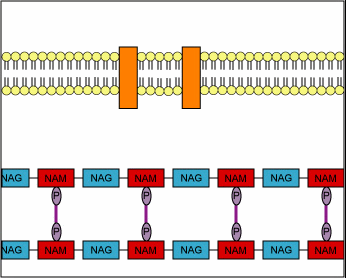
Beta-lactam antibiotics, including penicillins, cephalosporins, and carbapenems, inhibit bacterial cell wall synthesis by blocking the transpeptidase enzyme (also known as penicillin-binding proteins, PBPs). This prevents the formation of peptide cross-links in peptidoglycan, leading to cell lysis.
Penicillins: Penicillin G, methicillin
Cephalosporins, Carbapenems: Broader spectrum beta-lactams
Beta-lactamase inhibitors: Clavulanic acid protects beta-lactam drugs from enzymatic degradation (e.g., Augmentin = amoxicillin + clavulanic acid)



Vancomycin and Bacitracin
Vancomycin: Binds to D-Ala-D-Ala termini of peptidoglycan precursors, blocking cross-linking. Effective against MRSA and Clostridium difficile infections.
Bacitracin: Inhibits the recycling of bactoprenol, a carrier molecule for peptidoglycan precursors. Used topically due to nephrotoxicity.

Isoniazid and Ethambutol
These drugs are used against Mycobacterium species (e.g., tuberculosis):
Isoniazid (INH): Inhibits mycolic acid synthesis.
Ethambutol: Inhibits synthesis of the mycobacterial cell wall outer membrane.


Inhibitors of Protein Synthesis
Ribosomal Targets
Prokaryotic ribosomes (70S) differ from eukaryotic ribosomes (80S), allowing selective targeting. However, mitochondrial ribosomes resemble prokaryotic ribosomes, which can lead to toxicity in host cells.
Aminoglycosides (e.g., streptomycin): Bind 16S rRNA of 30S subunit, causing misreading of mRNA.
Tetracyclines: Block tRNA binding to the 30S subunit, preventing protein elongation.
Macrolides (e.g., erythromycin): Bind 23S rRNA of 50S subunit, inhibiting peptide bond formation.
Chloramphenicol: Inhibits peptide bond formation; reserved for severe infections due to toxicity.
Oxazolidinones, Lincosamides: Inhibit initiation or elongation steps of translation.


Inhibitors of Cell Membrane Function
Few antibiotics target cell membranes due to similarities with host membranes. Notable examples include:
Polymyxins: Disrupt Gram-negative bacterial membranes; used topically due to toxicity.
Polyenes (e.g., amphotericin B, nystatin): Bind ergosterol in fungal membranes, forming pores.
Azoles: Inhibit ergosterol synthesis in fungi.
Inhibitors of Metabolic Pathways
Some antibiotics inhibit unique microbial metabolic pathways, such as folic acid synthesis:
Sulfonamides: Competitive inhibitors of PABA, blocking folic acid synthesis.
Trimethoprim: Inhibits a later step in folic acid synthesis.
Inhibitors of Nucleic Acid Synthesis
Fluoroquinolones (e.g., ciprofloxacin): Inhibit DNA gyrase and topoisomerase IV, blocking DNA replication.
Rifamycins (e.g., rifampin): Inhibit bacterial RNA polymerase, blocking transcription.
Metronidazole: Causes DNA strand breaks in anaerobic bacteria and protozoa.
Side Effects and Resistance
Common side effects: Allergic reactions (e.g., penicillin rash), toxicity (e.g., nephrotoxicity, ototoxicity), and disruption of normal flora.
Resistance mechanisms: Enzymatic degradation (e.g., beta-lactamases), target modification, efflux pumps, and reduced permeability.
Summary Table: Key Antimicrobial Drug Classes and Targets
Drug Class | Target | Example(s) | Notes |
|---|---|---|---|
Beta-lactams | Cell wall synthesis | Penicillins, cephalosporins | Inhibit transpeptidase |
Glycopeptides | Cell wall synthesis | Vancomycin | Binds D-Ala-D-Ala |
Bacitracin | Cell wall synthesis | Bacitracin | Blocks bactoprenol recycling |
Aminoglycosides | Protein synthesis (30S) | Streptomycin | Misreading of mRNA |
Tetracyclines | Protein synthesis (30S) | Doxycycline | Blocks tRNA binding |
Macrolides | Protein synthesis (50S) | Erythromycin | Blocks peptide bond formation |
Polymyxins | Cell membrane | Polymyxin B | Disrupts membrane |
Sulfonamides | Folic acid synthesis | Sulfamethoxazole | Blocks PABA utilization |
Fluoroquinolones | DNA synthesis | Ciprofloxacin | Inhibits DNA gyrase |
Rifamycins | RNA synthesis | Rifampin | Inhibits RNA polymerase |
