 Indietro
Controlling Microbial Growth in the Environment
Guida di studio - Note intelligenti
 Appunti personalizzati basati sui tuoi materiali, ampliati con definizioni chiave, esempi e contesto.
Controlling Microbial Growth in the Environment
Basic Principles of Microbial Control
Microbial control is essential in healthcare, food production, and laboratory settings to prevent infection, spoilage, and contamination. The main goal is to reduce or eliminate the presence of harmful microorganisms using physical or chemical methods.
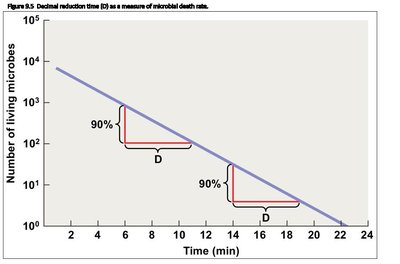
Microbial death rate: Microbes die at a constant rate when exposed to lethal agents, typically measured as the percentage killed per unit time.
Key targets: Cell walls, membranes, proteins, and nucleic acids are common targets for antimicrobial agents.
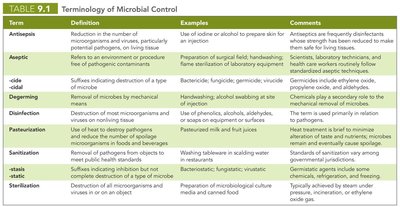
Terminology: Terms such as antisepsis, disinfection, sterilization, and sanitization describe different levels of microbial control.
Action of Antimicrobial Agents
Antimicrobial agents act by damaging essential cellular structures or functions, leading to microbial death or inhibition.
Cell wall and membrane disruption: Damaging the cell wall causes cells to burst due to osmotic pressure; damaging the membrane leads to leakage of cellular contents.
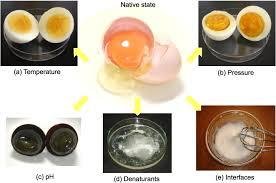
Protein and nucleic acid damage: Denaturation of proteins and alteration or destruction of nucleic acids halt vital cellular processes.
Nonenveloped viruses: These are generally more resistant to harsh conditions than enveloped viruses.
Selection of Microbial Control Methods
Criteria for Selecting Methods
Choosing an appropriate microbial control method depends on several factors to ensure efficacy and safety.
Cost-effectiveness: Agents should be inexpensive and stable during storage.
Speed and safety: Methods should act quickly and be harmless to humans, animals, and objects.
Site to be treated: The nature of the site (e.g., living tissue vs. inanimate object) determines the suitability of certain methods.
Relative Susceptibility of Microorganisms
Microorganisms vary in their resistance to antimicrobial agents. This influences the choice of control method.
High-level germicides: Kill all pathogens, including endospores.
Intermediate-level germicides: Kill fungal spores, protozoan cysts, viruses, and pathogenic bacteria.
Low-level germicides: Kill vegetative bacteria, fungi, protozoa, and some viruses.



Environmental Conditions
Environmental factors such as temperature, pH, and the presence of organic materials can affect the efficacy of antimicrobial methods.
Temperature and pH: Higher temperatures and optimal pH can enhance the effectiveness of antimicrobial agents.
Organic materials: Substances like blood or feces can protect microbes from antimicrobial agents by interfering with their action.
Biosafety Levels
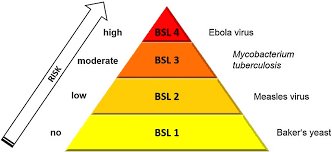
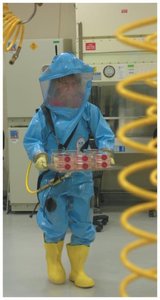
Laboratories are classified into four biosafety levels (BSL-1 to BSL-4) based on the risk associated with the pathogens handled.
BSL-1: For non-pathogenic microbes (e.g., Baker's yeast).
BSL-2: For moderately hazardous agents (e.g., Measles virus).
BSL-3: For microbes that can cause serious disease (e.g., Mycobacterium tuberculosis).
BSL-4: For highly dangerous and exotic microbes (e.g., Ebola virus).
Physical Methods of Microbial Control
Heat-Related Methods
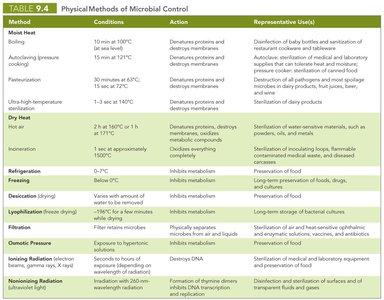
Heat is one of the most common physical methods for controlling microbial growth. It works by denaturing proteins, disrupting membranes, and destroying nucleic acids.
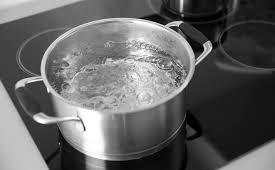
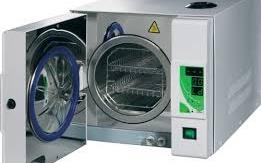
Moist heat: Includes boiling, autoclaving, pasteurization, and ultrahigh-temperature sterilization. More effective than dry heat.
Dry heat: Used for materials that cannot be sterilized with moist heat; requires higher temperatures and longer times.
Thermal death point: Lowest temperature that kills all cells in 10 minutes.
Thermal death time: Time required to sterilize a volume of liquid at a set temperature.

Indicators of Sterility
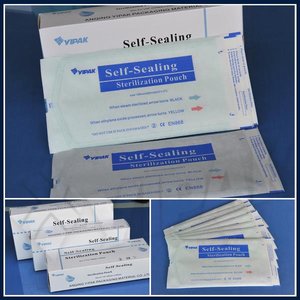
Sterility indicators are used to confirm the effectiveness of autoclaving and other sterilization methods.
Endospore strips: Used to test whether autoclaving has killed all spores.
Color change: Indicates whether sterilization was successful.
Refrigeration and Freezing
Low temperatures inhibit microbial metabolism, growth, and reproduction. Refrigeration halts the growth of most pathogens, while freezing can kill or preserve microbes depending on the method and organism.
Slow freezing: More effective than quick freezing due to formation of ice crystals that damage cells.
Some microbes: Can multiply in refrigerated foods (e.g., Listeria).
Desiccation and Lyophilization
Desiccation (drying) removes water, inhibiting microbial growth. Lyophilization (freeze-drying) is used for long-term preservation of microbial cultures by preventing ice crystal formation.
Desiccation: Used for preserving foods like dried fruits.
Lyophilization: Combines freezing and drying for preservation.
Membrane Filtration
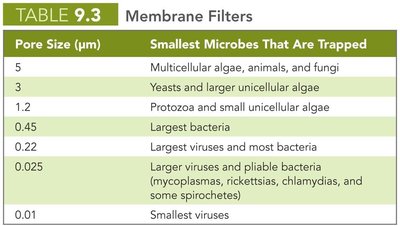
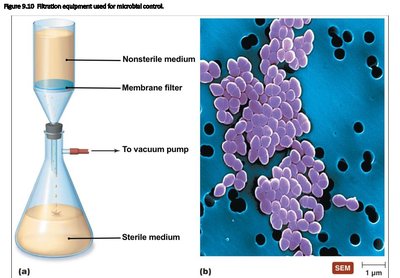
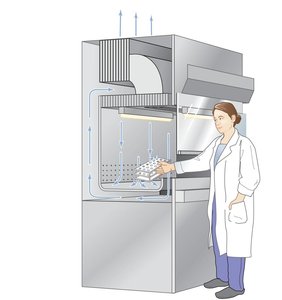
Filtration physically removes microbes from air and liquids using filters with specific pore sizes. It is essential for sterilizing heat-sensitive solutions and maintaining sterile environments.
HEPA filters: Used in biological safety cabinets to remove airborne microbes.
Membrane filters: Trap microbes based on size; pore sizes range from 5 µm to 0.01 µm.
Osmotic Pressure
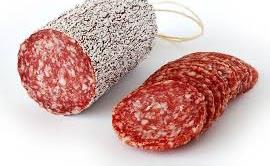
High concentrations of salt or sugar create hypertonic environments, causing cells to lose water and inhibiting microbial growth. This method is commonly used in food preservation (e.g., jams, salted meats).
Fungi: More resistant to osmotic pressure than bacteria.


Radiation
Radiation is used to control microbial growth by damaging DNA and other cellular components.
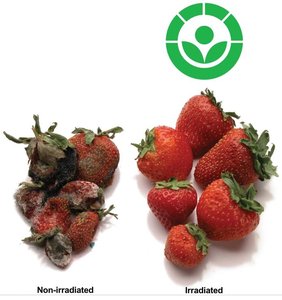
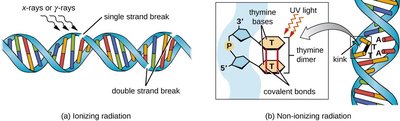
Ionizing radiation: (e.g., gamma rays, X-rays) creates ions that disrupt DNA and proteins; used for sterilizing medical equipment and food.
Nonionizing radiation: (e.g., UV light) causes thymine dimers in DNA, inhibiting replication; used for disinfecting air, surfaces, and transparent fluids.
Summary Table: Physical Methods of Microbial Control
Chemical Methods of Microbial Control
Overview
Chemical agents are widely used to control microbial growth on living tissues and inanimate objects. Their effectiveness depends on concentration, exposure time, and environmental conditions.
Targets: Cell walls, membranes, proteins, and DNA.
Effectiveness: Often more effective against enveloped viruses and vegetative cells.
Phenol and Phenolics
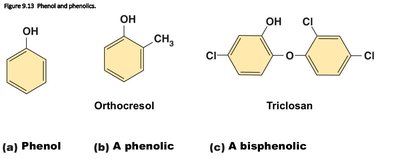
Phenol (carbolic acid) and its derivatives disrupt cell membranes and denature proteins. They are effective in the presence of organic matter and remain active for prolonged periods.
Uses: Health care settings, laboratories, and homes.
Drawbacks: Disagreeable odor and possible side effects.
Alcohols
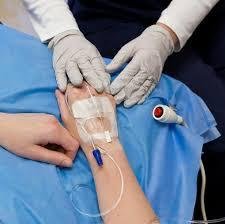
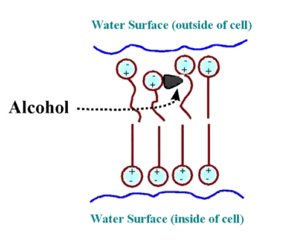
Alcohols are intermediate-level disinfectants that denature proteins and disrupt membranes. They are more effective than soap for degerming and are commonly used for skin antisepsis before injections.
Examples: Ethanol and isopropanol.
Halogens
Halogens (iodine, chlorine, bromine, fluorine) are intermediate-level antimicrobial chemicals that damage enzymes by denaturation. They are widely used for disinfecting water, surfaces, and medical instruments.
Examples: Iodine tablets, bleach, chloramines.
Oxidizing Agents
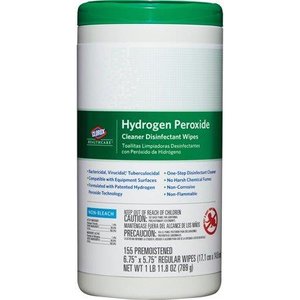
Oxidizing agents such as hydrogen peroxide, ozone, and peracetic acid kill microbes by oxidizing their enzymes. They are high-level disinfectants and antiseptics.
Hydrogen peroxide: Used for disinfecting surfaces, but not effective for open wounds due to catalase activity.
Ozone: Used for water treatment.
Peracetic acid: Effective sporicide for sterilizing equipment.
Surfactants
Surfactants are surface-active chemicals that reduce surface tension, aiding in the removal of microbes. Soaps are good degerming agents, while detergents (especially quaternary ammonium compounds) are low-level disinfectants.
Soaps: Have hydrophilic and hydrophobic ends; not antimicrobial but useful for cleaning.
Quats: Disrupt cellular membranes; used in medical and industrial applications.
Heavy Metals
Heavy-metal ions (e.g., silver, mercury, copper) denature proteins and are low-level bacteriostatic and fungistatic agents.
Examples: Silver nitrate for preventing neonatal blindness, thimerosal in vaccines, copper for controlling algal growth.
Aldehydes
Aldehydes (e.g., glutaraldehyde, formaldehyde) are highly effective disinfectants that cross-link functional groups in proteins and nucleic acids, inactivating them.
Uses: Disinfection and sterilization of medical equipment, embalming.
Gaseous Agents
Gaseous agents such as ethylene oxide are used in closed chambers to sterilize items by denaturing proteins and DNA. They are effective but can be hazardous, explosive, and potentially carcinogenic.
Enzymes
Antimicrobial enzymes, such as lysozyme, act against microorganisms by breaking down cell walls. They are used in food production and for decontaminating medical instruments.
Lysozyme: Found in human tears; used to reduce bacteria in cheese.
Prionzyme: Used to remove prions from medical instruments.
Antimicrobial Drugs
Antibiotics, semisynthetic, and synthetic chemicals are primarily used to treat infectious diseases but can also be used for microbial control outside the body.
Methods for Evaluating Disinfectants and Antiseptics
Phenol Coefficient
The phenol coefficient test compares the efficacy of a disinfectant to phenol. A value greater than 1.0 indicates greater effectiveness than phenol. This method has largely been replaced by newer tests.
Use-Dilution Test
This test involves contaminating metal cylinders with bacteria, exposing them to disinfectants, and then checking for microbial growth. It is the current standard in the United States for evaluating disinfectant efficacy.
Kelsey-Sykes Capacity Test
Approved by the European Union, this test measures the minimum time required for a disinfectant to be effective by monitoring bacterial survival over time.
In-Use Test
Swabs are taken from objects before and after disinfectant application, inoculated into growth media, and monitored for microbial growth. This test provides an accurate determination of the proper strength and application procedure for each situation.
