 Indietro
Controlling Microbial Growth in the Environment
Guida di studio - Note intelligenti
 Appunti personalizzati basati sui tuoi materiali, ampliati con definizioni chiave, esempi e contesto.
Controlling Microbial Growth in the Environment
Terminology of Microbial Control
Understanding the terminology of microbial control is essential for effective application in laboratory and clinical settings. The following terms are foundational:
Sanitation: Reduction of microbial populations to safe levels as determined by public health standards.
Sterilization: The complete destruction or removal of all forms of microbial life, including endospores.
Pasteurization: The use of heat to kill pathogens and reduce the number of spoilage microorganisms in food and beverages without sterilizing the product.
Antiseptic: Chemical agents applied to living tissue to reduce the possibility of infection, sepsis, or putrefaction.
Disinfectant: Chemical agents used on inanimate objects to destroy or inhibit the growth of harmful microorganisms.
Antibiotic: Substances produced by microorganisms that inhibit or kill other microorganisms; used in the treatment of infectious diseases.
Example: Milk and fruit juices are commonly treated with pasteurization to reduce microbial load while preserving taste and nutritional value.
Physical and Chemical Methods of Microbial Control
Microbial control can be achieved through physical or chemical means, each with specific applications and limitations.
Physical Methods: Include heat (moist and dry), refrigeration/freezing, osmotic pressure, filtration, and radiation (ionizing and nonionizing).
Chemical Methods: Involve the use of disinfectants, antiseptics, and sterilants such as alcohols, halogens, oxidizing agents, surfactants, aldehydes, and heavy metals.
Heat-Related Methods
Moist Heat: More effective than dry heat; includes boiling, autoclaving, and pasteurization. Autoclaving uses pressurized steam at 121°C for 15 minutes to achieve sterilization.
Dry Heat: Requires higher temperatures and longer exposure times; used for materials that cannot be sterilized by moist heat.
Refrigeration/Freezing: Slows microbial metabolism and growth; not all organisms are equally susceptible.
Osmotic Pressure: High solute concentrations cause water to leave microbial cells, inhibiting growth or killing the cells.
Nonionizing Radiation (UV): Causes DNA damage by forming thymine dimers, inhibiting replication and transcription. Effective for disinfecting air, surfaces, and transparent fluids.
Chemical Methods
Alcohols: Intermediate-level disinfectants that denature proteins and disrupt membranes.
Halogens: Damage enzymes by denaturation; widely used as disinfectants and antiseptics.
Oxidizing Agents: High-level disinfectants that inactivate microbial enzymes by oxidation (e.g., hydrogen peroxide, ozone).
Surfactants: Surface-active agents (soaps and detergents) that reduce surface tension; quaternary ammonium compounds (quats) disrupt membranes.
Heavy Metals: Denature proteins; used as low-level bacteriostatic and fungistatic agents (e.g., silver, mercury, copper).
Aldehydes: Cross-link functional groups in proteins and nucleic acids, leading to inactivation.
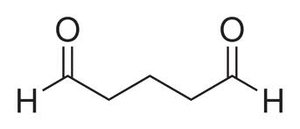
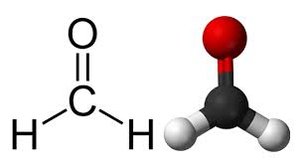
Example: Hydrogen peroxide is used to disinfect surfaces, while glutaraldehyde and formaldehyde are used for high-level disinfection and sterilization of medical equipment.
Relative Susceptibility of Microbes to Antimicrobial Agents
Microorganisms vary in their resistance to antimicrobial agents. The most resistant groups include:
Bacterial endospores (e.g., Bacillus, Clostridium)
Mycobacteria (due to waxy cell walls)
Protozoan cysts
The most susceptible groups include:
Enveloped viruses
Gram-positive bacteria
Vegetative fungal cells
Additional info: The resistance of endospores is due to their tough spore coat and metabolic inactivity, while enveloped viruses are easily disrupted by detergents and alcohols.
Biosafety Levels (BSL)
Laboratories are classified into four biosafety levels based on the risk associated with the pathogens handled:
BSL-1: For agents not known to cause disease in healthy humans. Standard aseptic techniques are sufficient.
BSL-2: For moderately hazardous agents (e.g., MRSA, influenza virus). Requires limited access and safety cabinets for aerosol-generating procedures.
BSL-3: For agents causing severe disease if inhaled (e.g., SARS-CoV-2, TB). Requires safety cabinets, double-door access, and negative air pressure.
BSL-4: For agents causing severe or fatal disease (e.g., Ebola, smallpox). Requires isolated facilities, biohazard suits, and complete air/water filtration.
Example: BSL-4 labs are used for research on Ebola virus, requiring workers to wear pressurized suits to prevent exposure.
Mechanisms of Action of Antimicrobial Agents
Antimicrobial agents act by targeting essential cellular structures and functions:
Disruption of cell walls and membranes
Denaturation of proteins and enzymes
Alteration or destruction of nucleic acids, leading to mutations
Example: UV light induces thymine dimers in DNA, preventing replication and transcription.
Development of Resistant Microbes
There is ongoing concern that the widespread use of antiseptics and disinfectants in consumer products may contribute to the evolution of resistant microbes. Studies have shown:
Resistance in both human microbiome isolates and pathogens (e.g., E. coli O157:H7, Salmonella enterica).
Cross-resistance between quaternary ammonium compounds and antibiotics.
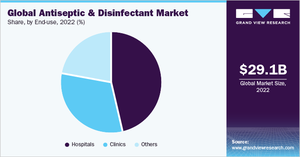
Additional info: The FDA banned triclosan from over-the-counter antimicrobial hygiene products due to lack of evidence for safety and effectiveness, and concerns about resistance.
Review Questions and Applications
Why are BSL-4 suits pressurized? To prevent pathogens from entering the suit in case of a breach; thick suits alone do not provide this level of protection.
Rank the toxicity of chemicals: Disinfectant > Antiseptic > Antibiotic (in decreasing order of toxicity to humans and animals).
High osmolarity: Causes water to leave bacterial cells, leading to plasmolysis and inhibition of growth.
Bacterial endospores as sterility indicators: Their high resistance ensures that if they are destroyed, all other microbes are also eliminated.
Sterility in microbiology: The absence of all living microorganisms, including spores and viruses.
