 Indietro
Environmental Limits on Microbial Growth: Temperature, pH, Osmolarity, and Oxygen
Guida di studio - Note intelligenti
 Appunti personalizzati basati sui tuoi materiali, ampliati con definizioni chiave, esempi e contesto.
Environmental Limits on Microbial Growth
Introduction
Microorganisms can only grow, divide, and survive within specific physical and chemical conditions. Environmental factors such as temperature, pH, water availability (osmolarity), and oxygen concentration set the boundaries for microbial life. When these factors exceed an organism’s tolerance range, microbial growth slows, stops, or cells die.
Temperature and Microbial Growth
Temperature as a Key Environmental Factor
Temperature is a critical determinant of microbial growth because it influences enzyme activity, metabolic rates, and membrane fluidity. Microbes are unable to regulate their internal temperature and must adapt to their surroundings to survive.
Classification of Microbes by Temperature Preference
Psychrophiles: Grow best at 0–15°C; found in polar regions.
Psychrotrophs: Prefer cool temperatures; can grow in refrigerators and are common food spoilage organisms.
Mesophiles: Thrive at 20–45°C; most human pathogens are mesophiles, optimal at 37°C.
Thermophiles: Grow best at 50–80°C; inhabit hot environments.
Hyperthermophiles: Prefer temperatures above 80°C; found in hot springs and deep-sea vents.
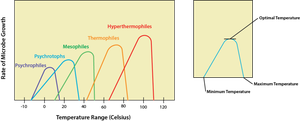
Growth Rate and Temperature
Each microbe has a minimum, optimum, and maximum temperature for growth. The optimum temperature is where growth rate is highest, while temperatures above or below this range slow or halt growth due to enzyme and membrane instability.
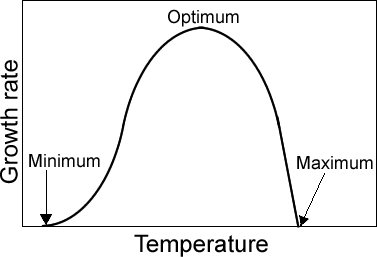
Effects of Temperature Extremes
Above Optimum: Proteins and enzymes denature, membranes become too fluid, and cells die.
Below Optimum: Enzyme activity slows, membranes stiffen, and nutrient transport is impaired.
Microbial Adaptations to High Temperatures
Protein Stabilization
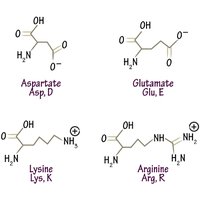
Amino Acid Composition: Thermophiles use more charged amino acids (arginine, lysine) to form strong ionic bonds and salt bridges, stabilizing protein structure.
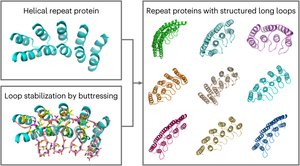
Tighter Protein Structure: Heat-stable proteins have shorter loops and are more densely packed, reducing vulnerability to heat damage.
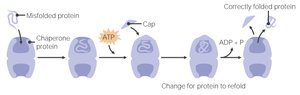
Chaperone Proteins: Heat-shock proteins refold damaged proteins and prevent aggregation under heat stress.
Membrane Adaptations
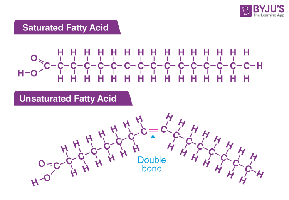
Saturated Fatty Acids: Thermophiles incorporate saturated fatty acids into membranes, making them less fluid and more heat-resistant.
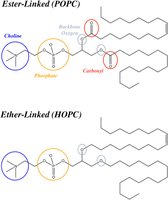
Ether Linkages: Some Archaea use ether-linked lipids, which are chemically more stable than ester-linked lipids found in bacteria.
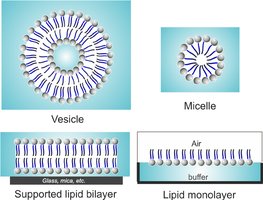
Lipid Monolayers: Hyperthermophiles may form a single-layer membrane (monolayer) that is more resistant to heat than a bilayer.
DNA Protection
Reverse Gyrase: Enzyme that introduces positive supercoils, stabilizing DNA at high temperatures.
Stabilizing Solutes: Accumulation of salts and small molecules to protect DNA structure.
High GC Content: DNA regions with more guanine-cytosine pairs (three hydrogen bonds) are more heat-stable than AT-rich regions.
Microbial Adaptations to Low Temperatures
Membrane Flexibility
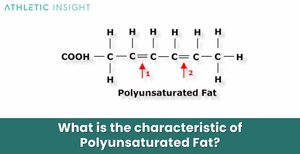
Polyunsaturated Fatty Acids: Cold-adapted microbes use unsaturated and polyunsaturated fatty acids to keep membranes fluid in cold environments.
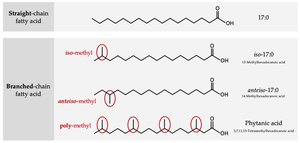
Branched Fatty Acids: Branched chains prevent tight packing, maintaining membrane flexibility.
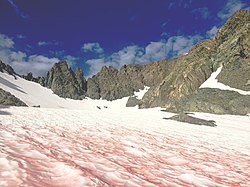
Protective Pigments: Some cold-loving microbes produce pigments that protect membranes from cold-induced damage.
Cold-Adapted Enzymes (Psychrozymes)
Enzymes remain flexible and active at low temperatures but are heat-sensitive.
Active sites are more accessible, allowing reactions to proceed with less energy.
Molecular Helpers for Cold Survival
Cold Shock Proteins: Prevent misfolding of RNA and maintain protein synthesis during sudden temperature drops.
Antifreeze Proteins: Bind to ice crystals, inhibiting their growth and protecting cells from freezing damage.
Cryoprotectants: Small molecules (e.g., trehalose, glycerol) lower the freezing point inside cells and stabilize cellular structures.
pH, Osmolarity, and Oxygen: Additional Environmental Factors
pH and Microbial Growth
Microbes have specific pH ranges for optimal growth. Extreme pH values can denature proteins, disrupt enzyme activity, and damage cell membranes.
Neutrophiles: Grow best at pH 5–9 (most bacteria).
Acidophiles: Thrive at pH < 5.5 (certain fungi and archaea).
Alkaliphiles: Prefer pH > 8.0 (found in soda lakes and alkaline soils).
Osmolarity and Microbial Growth
Osmolarity refers to solute concentration in the environment. High osmolarity (hypertonic conditions) causes water to leave cells, leading to dehydration and growth inhibition. Microbes adapt by accumulating compatible solutes or, in extreme cases, matching internal salt concentrations to the environment.
Halophiles: Require high salt concentrations.
Halotolerant: Tolerate moderate salt.
Osmophiles: Adapted to high sugar environments.
Xerophiles: Survive in very dry conditions.
Oxygen and Microbial Growth
Oxygen availability determines microbial energy production and survival. Microbes are classified by their oxygen requirements:
Obligate aerobes: Require oxygen for growth.
Obligate anaerobes: Oxygen is toxic; cannot survive in its presence.
Facultative anaerobes: Grow better with oxygen but can survive without it.
Aerotolerant anaerobes: Do not use oxygen but are not harmed by it.
Microaerophiles: Require low levels of oxygen.
Controlling Microbial Growth
Physical Methods
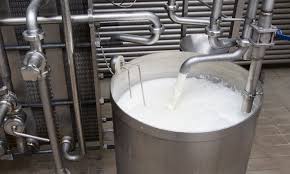
Heat: Moist heat (autoclaving), dry heat, boiling, and pasteurization are effective for killing microbes.
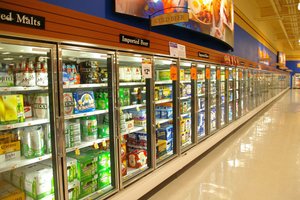
Low Temperatures: Refrigeration and freezing slow microbial growth; freeze-drying preserves microbes.
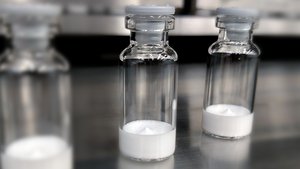
Other Methods: UV radiation, filtration, desiccation, and high pressure can also control microbial populations.
Chemical Methods
Disinfectants: Used on non-living surfaces to kill microbes.
Antiseptics: Safe for use on skin to kill or inhibit microbes.
Sanitizers: Reduce microbial numbers to safe levels.
Degerming: Physical removal of microbes (e.g., handwashing).
Antibiotics: Target specific microbes; can be bacteriostatic (inhibit growth) or bactericidal (kill microbes).
Levels of Microbial Control
Sterilization: Destroys all microbes, including spores and viruses.
Disinfection/Antisepsis: Kills most harmful microbes but not all spores.
Sanitization: Reduces microbial numbers to safe public health levels.
Bacteriostatic: Inhibits microbial growth without killing.
Factors Affecting Microbial Control
Concentration: Higher concentrations of chemicals are generally more effective.
Time: Longer exposure increases effectiveness.
Temperature & pH: Can enhance or reduce treatment efficacy.
Material: Some materials require specific methods due to heat sensitivity or other properties.
