Indietro
Eukaryotic Cell Structures & Functions: Membranes, Organelles, and Transport
Guida di studio - Note intelligenti
 Appunti personalizzati basati sui tuoi materiali, ampliati con definizioni chiave, esempi e contesto.
Eukaryotic Cell Structures & Functions
Cell Membrane Structure
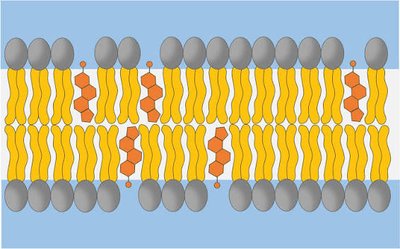
The cell membrane, also known as the plasma membrane, is a selectively permeable barrier that surrounds the cell, maintaining its integrity and regulating the movement of substances in and out. It is primarily composed of a phospholipid bilayer with embedded proteins, cholesterol, and carbohydrates.
Phospholipid Bilayer: Consists of hydrophilic heads facing outward and hydrophobic tails facing inward, forming a double layer.
Membrane Proteins: Integral and peripheral proteins serve various functions including transport, signaling, and structural support.
Cholesterol: Stabilizes membrane fluidity.
Membrane Transport Mechanisms
Cells utilize several mechanisms to transport molecules across the membrane, including passive and active transport.
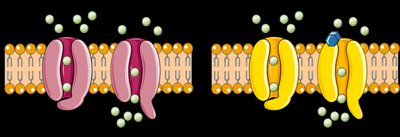
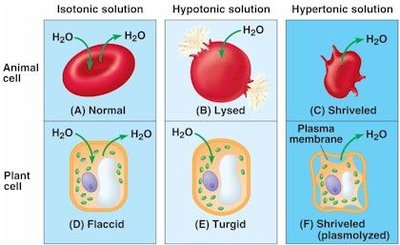
Passive Transport: Movement of substances down their concentration gradient without energy input (e.g., diffusion, facilitated diffusion, osmosis).
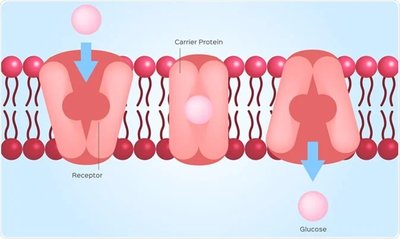
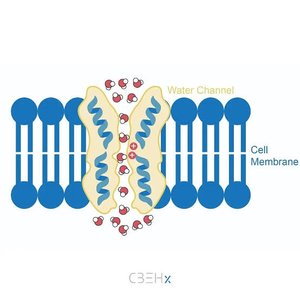
Facilitated Diffusion: Uses carrier or channel proteins to move molecules across the membrane.
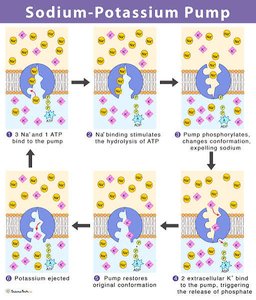
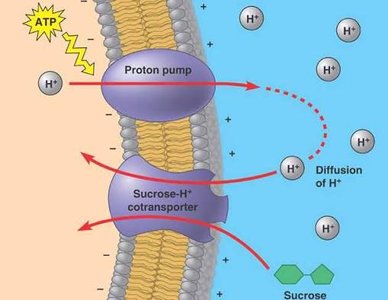
Active Transport: Requires energy (ATP) to move substances against their concentration gradient (e.g., sodium-potassium pump, proton pump).
Endocytosis and Exocytosis
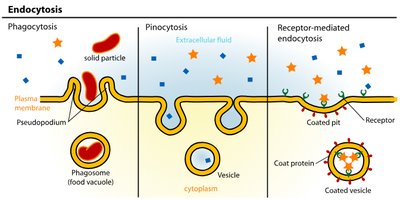
Endocytosis and exocytosis are processes by which cells transport large molecules or particles across the membrane.
Endocytosis: The cell engulfs material by wrapping its membrane around it, forming a vesicle. Types include phagocytosis (solid particles), pinocytosis (liquids), and receptor-mediated endocytosis (specific molecules).
Exocytosis: The process by which cells expel materials in vesicles that fuse with the plasma membrane.
Functions of Membrane Proteins
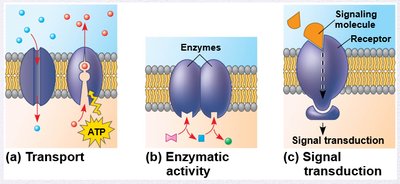
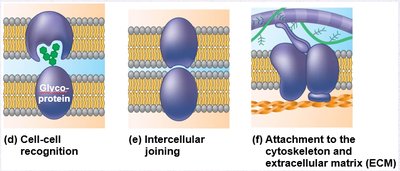
Membrane proteins are essential for various cellular functions, including transport, enzymatic activity, signal transduction, cell-cell recognition, intercellular joining, and attachment to the cytoskeleton and extracellular matrix.
Transport: Move substances across the membrane.
Enzymatic Activity: Catalyze reactions at the membrane surface.
Signal Transduction: Relay signals from outside to inside the cell.
Cell-Cell Recognition: Allow cells to identify each other.
Intercellular Joining: Connect adjacent cells.
Attachment: Anchor the membrane to the cytoskeleton and extracellular matrix.
Eukaryotic Organelles
Mitochondria
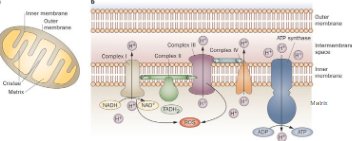
Mitochondria are double-membraned organelles responsible for cellular respiration and energy production. They contain their own DNA and are often referred to as the "powerhouse" of the cell.
Structure: Outer membrane, inner membrane, intermembrane space, matrix, and cristae.
Function: ATP production via oxidative phosphorylation.
Electron Transport Chain: Located in the inner membrane, it transfers electrons from NADH and FADH2 to oxygen, pumping protons to generate a gradient used by ATP synthase.
Lysosomes and Autophagy
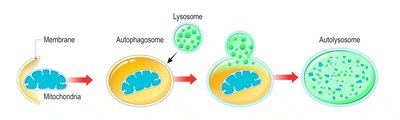
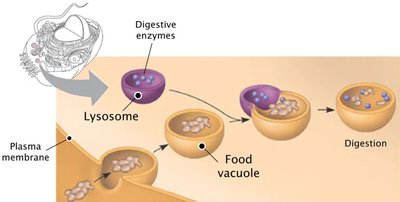
Lysosomes are membrane-bound organelles containing digestive enzymes. They break down waste materials, cellular debris, and foreign substances. Autophagy is the process by which cells degrade and recycle their own components, often involving lysosomes.
Lysosome Function: Digestion of macromolecules, old organelles, and pathogens.
Autophagy: Formation of autophagosomes that fuse with lysosomes to degrade cellular components.
Cytoskeleton
Structure and Function
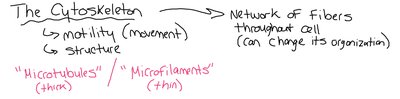
The cytoskeleton is a dynamic network of protein fibers that provides structural support, enables cell movement, and organizes cellular components.
Microtubules: Thick, hollow tubes made of tubulin; involved in cell shape, transport, and division.
Microfilaments: Thin, solid rods made of actin; involved in cell movement and muscle contraction.
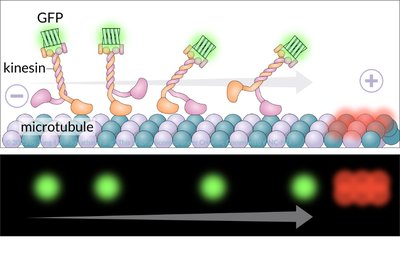
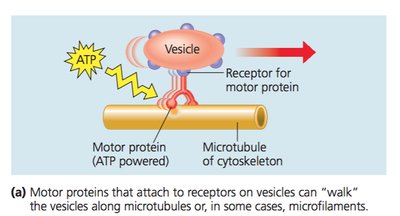
Motility: Cytoskeleton enables movement of organelles and vesicles within the cell.
Cell Division and Movement
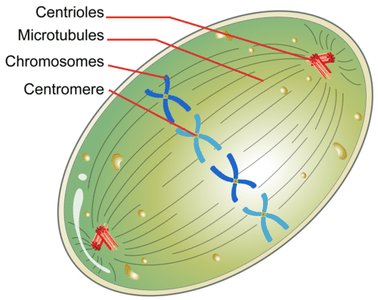
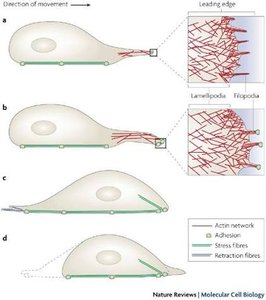
Microtubules play a crucial role in cell division by forming the mitotic spindle, which separates chromosomes. Actin filaments are involved in cell movement, such as amoeboid motion.
Centrioles: Organize microtubules during cell division.
Chromosome Movement: Microtubules attach to chromosomes at the centromere.
Cell Migration: Actin networks drive cell movement and shape changes.
Cell Junctions and Communication
Types of Cell Junctions
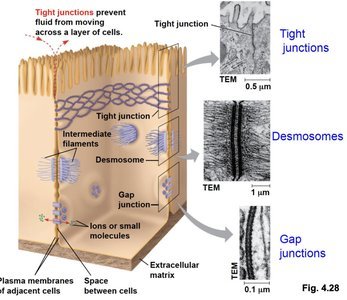
Cell junctions are specialized structures that connect cells to each other and to the extracellular matrix, facilitating communication and maintaining tissue integrity.
Tight Junctions: Prevent leakage of extracellular fluid between cells.
Desmosomes: Provide mechanical strength by anchoring cells together.
Gap Junctions: Allow direct communication between cells via channels for ions and small molecules.
Plasmodesmata in Plant Cells
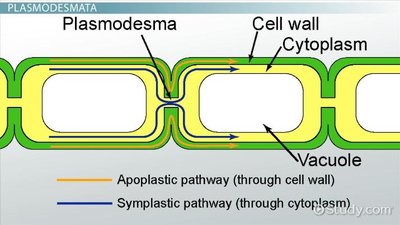
Plasmodesmata are channels that traverse the cell walls of plant cells, enabling transport and communication between adjacent cells.
Apoplastic Pathway: Movement through cell walls.
Symplastic Pathway: Movement through cytoplasm via plasmodesmata.