 Indietro
Eukaryotic Microbes: Fungi – Structure, Reproduction, and Clinical Relevance
Guida di studio - Note intelligenti
 Appunti personalizzati basati sui tuoi materiali, ampliati con definizioni chiave, esempi e contesto.
Eukaryotic Microbes: Fungi
General Characteristics of Fungi
Fungi are a diverse group of eukaryotic organisms that play essential roles in ecological systems and human health. They are characterized by their heterotrophic nutrition, unique cell wall composition, and ability to reproduce both sexually and asexually.
Heterotrophic Nutrition: Fungi acquire nutrients from substrates by secreting enzymes and absorbing the resulting small molecules.
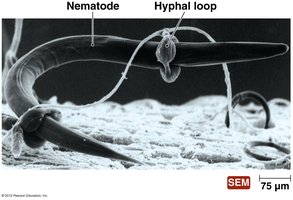
Saprobic and Parasitic Lifestyles: Most fungi are saprobes, decomposing dead organic matter, but some are parasites or predators (e.g., trapping nematodes).
Physical and Chemical Requirements: Fungi generally grow at room temperature, with pathogens able to grow at 37°C. They prefer mildly acidic environments (pH 5-6) and are mostly aerobic, though some yeasts are facultative anaerobes.
Form and Function of the Eukaryotic Cell Wall of Fungi
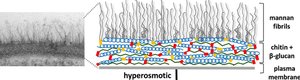
The fungal cell wall is a complex structure that provides rigidity and protection. It is primarily composed of chitin, β-glucan, and mannan fibrils.
Chitin: A polysaccharide that forms the structural backbone of the cell wall.
β-glucan: Provides additional strength and flexibility.
Mannan: Contributes to cell wall integrity and immune recognition.
Organizational Features of Hyphae
Hyphae are the fundamental structural units of fungi, forming networks called mycelia. They can be classified based on the presence or absence of septa and their function.
Septate Hyphae: Divided into segments by cross-walls (septa); most fungi possess these.
Nonseptate (Aseptate) Hyphae: Continuous, multinucleate cells without septa.
Pseudohyphae: Chains of yeast cells that remain attached after budding, distinguished by their growth method.
Types of Hyphae Based on Function
Hyphae can also be specialized for predation, such as haustoria, which trap and kill microscopic soil-dwelling nematodes.
Reproduction in Fungi
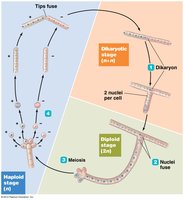
Nuclear Division: Mitosis vs. Meiosis
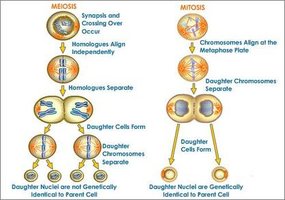
Fungi reproduce by both mitosis and meiosis, producing haploid or diploid daughter cells. Mitosis results in genetically identical cells, while meiosis introduces genetic variation.
Mitosis: Chromosomes align at the metaphase plate and separate, producing identical daughter nuclei.
Meiosis: Involves synapsis and crossing over, homologous chromosomes separate, and daughter nuclei are not genetically identical to the parent cell.
Life Cycles of Fungi
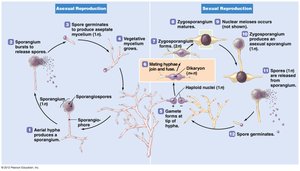
Fungal life cycles generally involve a vegetative growth phase and a reproductive phase. Most fungi reproduce asexually, and many also reproduce sexually, increasing genetic diversity.
Vegetative Growth: Molds form mycelia, while yeasts divide by fission (symmetrically) or budding (asymmetrically).
Dimorphism: Some pathogenic fungi exhibit dimorphism, growing as yeast at 37°C and as mold at 25°C.
Asexual Reproduction
Fungi produce asexual spores that disperse widely. Yeasts reproduce by budding, forming pseudohyphae.
Sporangiospores: Formed within a sporangium and released upon rupture.
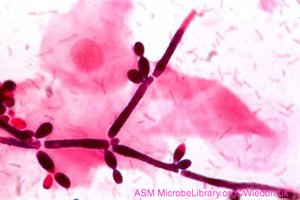
Conidiospores (Conidia): Free spores formed by pinching off or segmentation of hyphae.
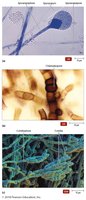
Sexual Reproduction
Sexual reproduction in fungi involves the fusion of opposite mating types, resulting in the formation of sexual spores.
Zygospore: Fusion of haploid cells produces a zygospore.
Ascospore: Formed in a sac (ascus).
Basidiospore: Formed externally on a pedestal (basidium).
Fungal Identification and Cultivation
Methods of Identification
Fungi are identified by their reproductive structures, hyphal type, colony texture, pigmentation, physiological characteristics, and genetic makeup. Medical specimens are isolated on specialized media and observed macroscopically and microscopically.
Classification: Four Main Groups of Fungi
Division Zygomycota
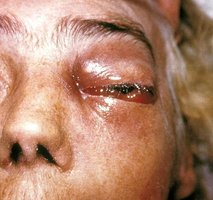
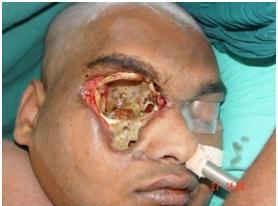
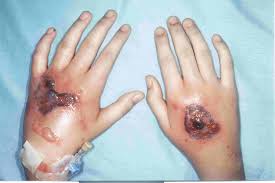
Zygomycota are characterized by aseptate hyphae and produce both sexual and asexual spores. Clinically relevant species include Mucor sp., which can cause mucormycosis, an opportunistic infection affecting the face or oropharyngeal cavity.
Sexual Spores: Produced after fusion of gametes at hyphal tips (zygosporangia).
Asexual Spores: Produced in sporangium.
Division Ascomycota
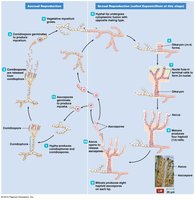
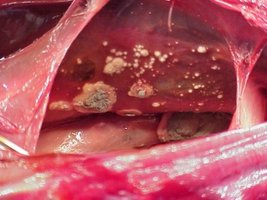
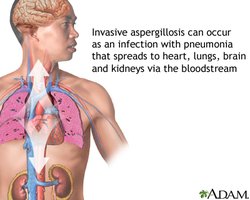
Ascomycota possess septate hyphae and account for more than a third of all fungi. They produce sexual spores (ascospores) in sacs (asci) and asexual spores (conidiospores). Clinically relevant species include Aspergillus sp., which causes aspergillosis, a respiratory disease.
Sexual Spores: Meiosis in ascus produces four haploid cells, followed by mitosis to yield eight ascospores.
Asexual Spores: Conidiospores.
Division Basidiomycota
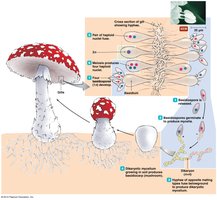
Basidiomycota have septated hyphae and produce basidiospores on club-like structures called basidia. Examples include mushrooms, toadstools, rusts, and smuts.
Sexual Spores: Basidiospores produced on basidium after karyogamy and meiosis.
Asexual Reproduction: Some species reproduce asexually.

Deuteromycetes (Fungi Imperfecti)
Deuteromycetes are fungi whose sexual reproductive stages have not been observed. They reproduce only asexually by conidiospores and include many pathogenic fungi and yeasts.
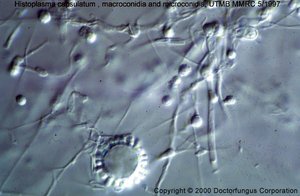
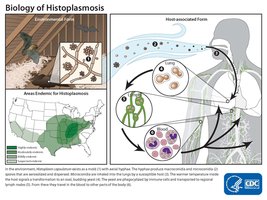
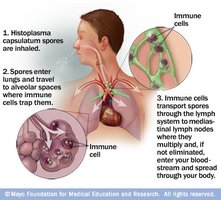
Pathogenic Examples: Histoplasma capsulatum causes histoplasmosis, primarily affecting the lungs.
Key Points for Study
Understand fungal vocabulary and terminology.
Know the characteristics shared by all fungi.
Comprehend the organization, reproduction, and nutritional requirements of fungi.
Identify the four main groups of fungi and their clinically significant examples.
Distinguish between asexual and sexual reproductive structures.
Table: Comparison of Fungal Groups
Division | Hyphal Type | Sexual Spores | Asexual Spores | Clinical Relevance |
|---|---|---|---|---|
Zygomycota | Aseptate | Zygospores | Sporangiospores | Mucormycosis (Mucor sp.) |
Ascomycota | Septate | Ascospores | Conidiospores | Aspergillosis (Aspergillus sp.) |
Basidiomycota | Septate | Basidiospores | Varies | Mushrooms, toadstools |
Deuteromycetes | Septate | None observed | Conidiospores | Histoplasmosis (Histoplasma capsulatum) |
