 Indietro
Eukaryotic Parasites: Protozoa, Helminths, and Exoparasites
Guida di studio - Note intelligenti
 Appunti personalizzati basati sui tuoi materiali, ampliati con definizioni chiave, esempi e contesto.
Eukaryotic Parasites
Introduction to Parasitism
Parasitism is a biological relationship in which two organisms live together, with one organism (the parasite) benefiting at the expense of the other (the host). Parasites are classified into three main groups: protozoans, metazoans (helminths), and exoparasites. Understanding their structure, life cycles, and clinical significance is essential in microbiology.
Protozoans: Unicellular eukaryotes, often pathogenic.
Metazoans: Multicellular helminths (worms).
Exoparasites: Arthropods that infest hosts and may transmit diseases.
Protozoans (Protists)
General Characteristics
Protozoans are eukaryotic, unicellular organisms that lack a cell wall and require moist environments. Most are not pathogenic, but some cause significant human diseases.
Distribution: Found in moist soil, sand, and decaying organic matter.
Pathogenicity: Only a few protozoans are pathogenic to humans.
Summary of Protozoa Characteristics
Cell Structure: Some have two nuclei (macronucleus and micronucleus), variable mitochondria, and contractile vacuoles.
Life Forms: All produce trophozoites; some produce cysts.
Protozoan Life Cycle
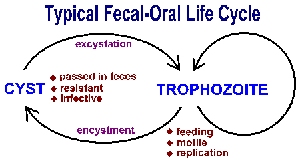
Protozoans often alternate between two forms: trophozoite (active, feeding stage) and cyst (dormant, resistant stage). The fecal-oral life cycle is common among intestinal protozoa.
Trophozoite: Active, feeding, motile, and replicating form.
Cyst: Resistant, infective form passed in feces.
Encystation: Formation of cysts under adverse conditions.
Excystation: Conversion of cysts to trophozoites in the host.
Protozoan Reproduction
Asexual: Fission, budding, or schizogony.
Sexual: Gametocyte fusion (zygote formation), conjugation in ciliates.
Protozoan Nutrition
Most protozoans are chemoheterotrophic, feeding on decaying matter, bacteria, or host tissues. Some are photoautotrophic (e.g., Euglena, dinoflagellates).
Chemoheterotrophs: Apicomplexa, trypanosomes, amoebae.
Photoautotrophs: Euglenids, dinoflagellates.
Protozoan Classification
Classification is based on genetic relationships (18S rRNA) and visible features. Major groups include Parabasala, Diplomonadida, Euglenozoa, Alveolates, and Amoebozoa.
Parabasala
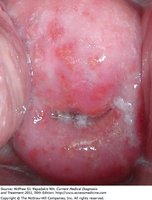
Features: Flagellated, lack mitochondria (use hydrogenosomes), no cyst stage.
Example: Trichomonas vaginalis (causes trichomoniasis).
Diplomonadida
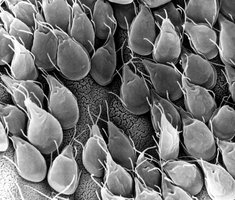
Features: Flagellated, lack mitochondria (use mitosomes), two equal-sized nuclei.
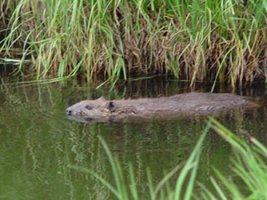
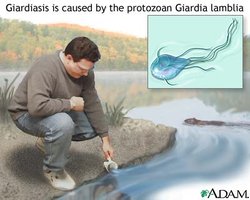
Example: Giardia lamblia (causes giardiasis).

Euglenozoa
Features: Flagellated, some with chloroplasts, includes kinetoplastids.
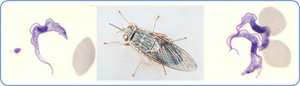
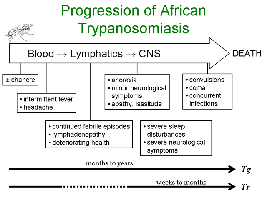
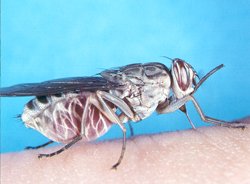
Clinically Important: Trypanosoma brucei (causes African sleeping sickness).
Alveolates
Apicomplexa: Nonmotile, intracellular parasites, complex life cycles (e.g., Cryptosporidium parvum).
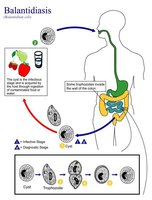
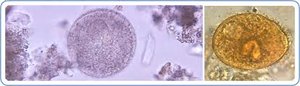
Ciliates: Move by cilia, complex cells (e.g., Balantidium coli).
Dinoflagellates: Marine flagellates, some with chloroplasts.
Metazoans (Helminths)
General Characteristics
Metazoans are multicellular eukaryotic parasites, commonly known as helminths. They include trematodes (flukes), cestodes (tapeworms), and nematodes (roundworms).
Life Stages: Ova, larval stage (in some), adult stage.
Reproduction: Monecious (male and female organs in one animal) or diecious (sexually distinct).
Trematodes (Flukes)
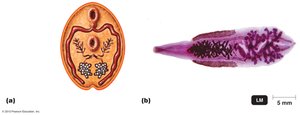
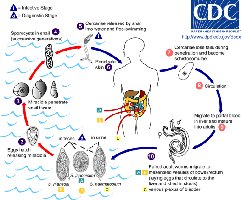
Features: Flatworms, complex life cycles, most are endoparasites.
Clinically Important: Schistosoma mansoni (blood fluke).
Cestodes (Tapeworms)
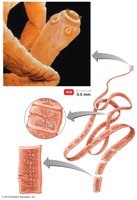
Features: Parasitic flatworms, live in digestive tract, segmented body (proglottids).
Clinically Important: Taenia solium (pork tapeworm), Taenia saginata (beef tapeworm).
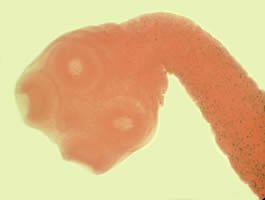
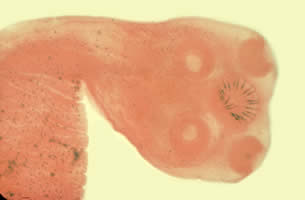
Nematodes (Roundworms)
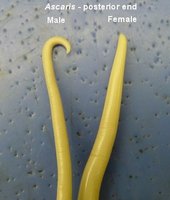
Features: Roundworms, threadworms, live in soil, freshwater, marine, and terrestrial habitats.
Example: Ascaris lumbricoides (intestinal roundworm).
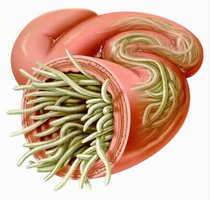
Exoparasites
General Characteristics
Exoparasites are arthropods that infest hosts and may transmit diseases as vectors. They belong to the Kingdom Animalia, Phylum Arthropoda, and are classified as insects (6 legs) or arachnids (8 legs).
Insects: Lice, fleas, mosquitoes.
Arachnids: Mites, ticks.
Role: Responsible for infestations and disease transmission, not direct infection.
Key Points to Know
Three types of parasites: protozoans, metazoans, exoparasites.
Interactions in parasitism: host-parasite relationship.
Protist nutrition and reproduction: life cycle includes cysts and/or trophozoites.
Protist classifications and clinically significant examples.
Unique characteristics of each group.
Life stages of important protozoa, metazoan, and exoparasites.
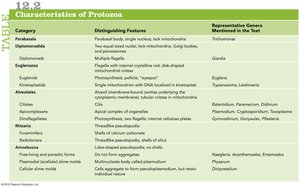
Table: Characteristics of Protozoa
Category | Distinguishing Features | Representative Genera |
|---|---|---|
Parabasala | Parabasal body; multiple flagella; lack mitochondria; lack microtubules; lack cysts | Trichomonas |
Diplomonadida | Two equal-sized nuclei; lack mitochondria, Golgi bodies, peroxisomes; cysts | Giardia |
Euglenozoa | Flagellated; some with chloroplasts; kinetoplastid DNA | Euglena, Trypanosoma, Leishmania |
Alveolates | Membrane-bound sacs (alveoli); complex life cycles; internal cellular plates | Balantidium, Paramecium, Dinoflagellates, Plasmodium, Cryptosporidium |
Amoebozoa | Move by pseudopodia; lack cilia; cysts | Entamoeba, Acanthamoeba, Naegleria |
