 Indietro
Fundamentals of Microbial Growth and Decontamination
Guida di studio - Note intelligenti
 Appunti personalizzati basati sui tuoi materiali, ampliati con definizioni chiave, esempi e contesto.
Microbial Growth: Principles and Mechanisms
Definition and Overview
Microbial growth refers to the increase in cell number through cell division, resulting in a larger population of microorganisms. In laboratory settings, microbes are often grown as pure cultures, while in nature, they exist in complex communities influenced by environmental factors. - Microbial growth: Cell division producing new daughter cells and increasing population size - Pure cultures: Single-species cultures used in laboratory studies - Biofilms: Structured communities of microbes that communicate and collaborate for survival 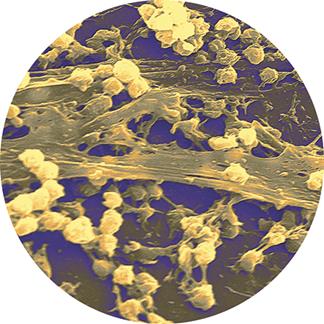
Modes of Reproduction
Microbes reproduce through several mechanisms, each with distinct features. - Binary fission: Asexual process where a single cell divides into two genetically identical cells - Budding: Asexual reproduction in some fungi and bacteria, where a new cell forms as an outgrowth - Spore formation: Used by certain bacteria and fungi for reproduction and survival under harsh conditions 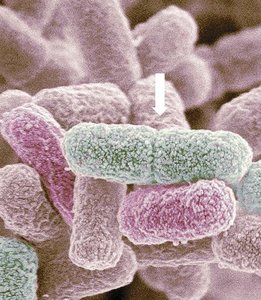
Binary Fission: Steps
Binary fission is the most common method of bacterial reproduction. - 1. DNA replication - 2. Cell elongation - 3. Septum formation - 4. Partitioning of the cell - 5. Separation of daughter cells Prokaryotic chromosome: Double-stranded DNA molecule
Generation Time and Calculation
Generation time is the period required for a cell to divide. Bacteria exhibit exponential growth during binary fission. - Generation time (GT): - Example: E. coli generation time is about 20 minutes under optimal conditions
Growth Phases in Batch Culture
Bacterial populations in closed systems undergo four distinct growth phases: - Lag phase: Cells adjust to new environment, no significant increase in cell number - Log (exponential) phase: Rapid cell division and population growth - Stationary phase: Nutrient depletion and waste accumulation; cell division rate equals cell death rate - Death phase: Exponential cell death due to unfavorable conditions 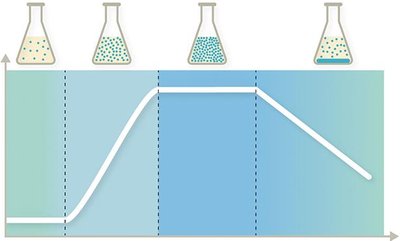
Maintaining Growth: Chemostat
Industrial and research applications often require maintaining cells at a specific growth phase. - Chemostat: Device that continuously supplies fresh medium and removes waste to sustain growth 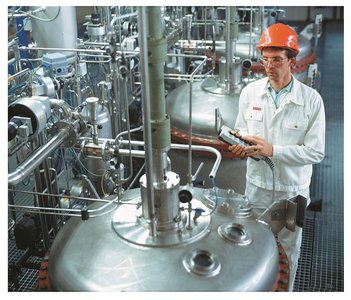
Environmental Factors Affecting Microbial Growth
Temperature
Microbes adapt to various temperature ranges, which affect enzymatic reactions and cell viability. - Maximum temperature: Highest temperature supporting growth - Minimum temperature: Lowest temperature supporting growth - Optimal temperature: Temperature at which growth rate is highest 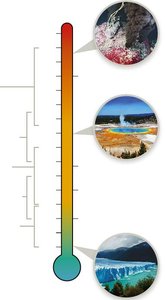 - Psychrophiles: Grow at -20 to 10°C - Psychrotrophs: Grow at 0 to 30°C (often associated with foodborne illness) - Mesophiles: Grow at 10 to 50°C (most pathogens) - Thermophiles: Grow at 40 to 75°C - Extreme thermophiles: Grow at 65 to 120°C
Adaptations to Temperature Extremes
- Low temperatures: Increased unsaturated fats in membranes for fluidity - High temperatures: Specialized proteins and saturated fats for stability
pH and Microbial Growth
Microbes thrive in different pH environments, classified as acidophiles, neutralophiles, or alkaliphiles. - Acidophiles: Grow best at pH < 5 - Neutralophiles: Grow best at pH 5–8 (majority of microorganisms) - Alkaliphiles: Grow best at pH 9–11 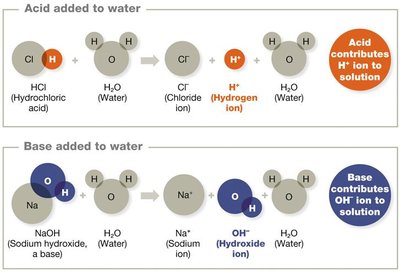
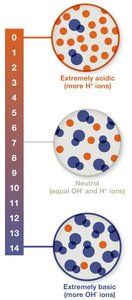
Adaptations to pH Extremes
- Acidic environments: Proton pumps export excess H+ to maintain neutral cytoplasmic pH - Basic environments: Membrane enriched with acidic compounds to attract H+ and reduce cytoplasmic pH
High-Salt Conditions
- Halophiles: Thrive in environments with up to 35% salt concentration (e.g., Dead Sea, Great Salt Lake) - Facultative halophiles: Tolerate higher salt (up to 15%) but may not grow optimally 
Oxygen Requirements
Microbes are classified based on their oxygen requirements and ability to detoxify reactive oxygen species (ROS). - Aerobes: Use oxygen in metabolism and eliminate ROS - Obligate aerobes: Absolute dependence on O2 - Microaerophiles: Require low O2 - Anaerobes: Do not use O2 - Obligate anaerobes: Cannot detoxify ROS, die in presence of O2 - Aerotolerant anaerobes: Tolerate O2, do not use it - Facultative anaerobes: Can grow with or without O2, prefer O2
Nutritional Requirements
- Essential nutrients: Required for cell growth, obtained from environment - Macronutrients: Carbon, hydrogen, oxygen, nitrogen (90% of cell dry weight) - Micronutrients: Sulfur, phosphorus, potassium, sodium, calcium, magnesium, chlorine, metal ions
Growth Factors
- Growth factors: Substances a cell cannot synthesize (e.g., amino acids, vitamins) - Fastidious organisms: Require multiple growth factors, need enriched media
Energy and Carbon Sources
Microbes are classified based on how they obtain energy and carbon.
Energy Source | Carbon Source | Example | |
|---|---|---|---|
Photoautotroph | Light | Inorganic (CO2) | Cyanobacteria |
Photoheterotroph | Light | Organic | Heliobacillus mobilis |
Chemoautotroph | Nutrient breakdown | Inorganic (CO2) | Thiobacillus denitrificans |
Chemoheterotroph | Nutrient breakdown | Organic | Escherichia coli |
Strategies for Controlling Microbial Growth
Definitions
- Decontamination: Removal or reduction of microbial populations to make objects safe - Sterilization: Elimination of all microbes, including endospores and prions - Disinfection: Reduction of microbial numbers - Bacteriostatic: Inhibits microbial growth - Bactericidal: Kills microbes - Disinfectant: Used on inanimate objects - Antiseptic: Used on living tissue
Physical Control Methods
Temperature Changes
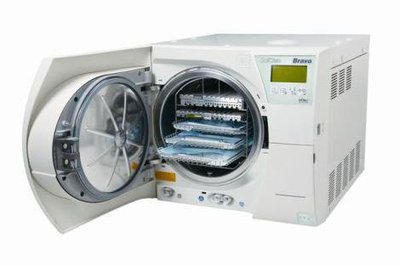
- Freezing/Refrigeration: Slows microbial growth and metabolism 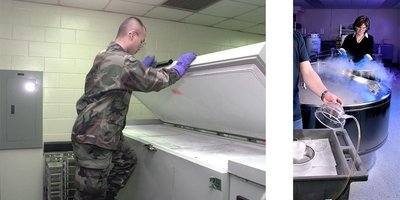 - Autoclave: Uses steam heat and pressure for sterilization; effective against endospores
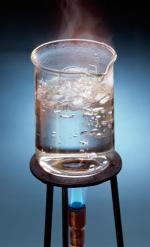
 - Boiling: Eliminates most pathogens, but not endospores
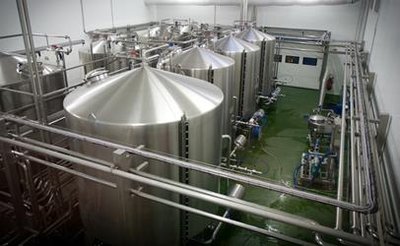
 - Pasteurization: Moderate heat treatment to eliminate pathogens in liquids; does not sterilize
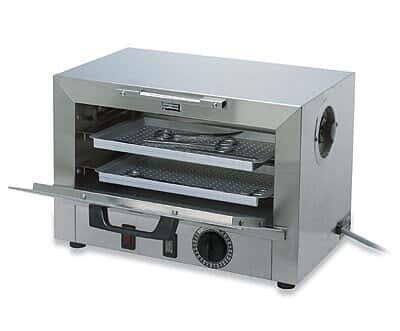
 - Dry heat: Incineration or hot-air ovens for sterilization or disinfection
Radiation
- Ionizing radiation: Gamma rays and X-rays generate ions that damage nucleic acids; used for sterilizing food and medical supplies - Non-ionizing radiation: UV rays cause DNA mutations; used for disinfecting surfaces 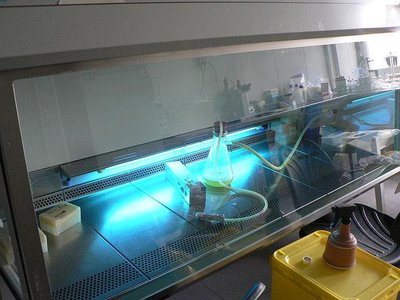
Filtration
- Membrane filters: Sterilize liquids by capturing microbes; pore size determines effectiveness - HEPA filters: Remove 99.97% of airborne particles; used in air purification 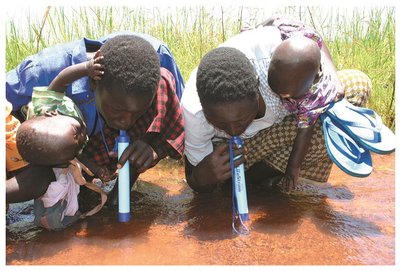
Chemical Control Methods: Germicides
Germicides are classified by their effectiveness and application.
Level | Germicide | Mode of Action | Pros | Cons |
|---|---|---|---|---|
Low | Detergents | Target lipid membranes | Cheap, low toxicity, pleasant scent | Decreased activity in hard water, easily contaminated |
Intermediate | Alcohols (Isopropanol, Ethanol) | Target proteins and lipid membranes | Cheap, easily applied | Flammable, reacts with plastics |
Intermediate | Phenols | Target proteins and lipid membranes | Effective in hard water | Residue, irritant, harsh scent |
High | Aldehydes (Formaldehyde, Glutaraldehyde) | Target proteins, nucleic acids | Achieve sterility | Toxic, residue |
High | Halogens (Chlorine, Iodine) | Oxidizing agents | Sterilant, cheap | Inactivated by organic material, corrosive |
High | Peroxygens (Hydrogen peroxide, Peracetic acid) | Oxidizing agents | Effective sterilization | Inactivated by organic matter, corrosive |
High | Ethylene oxide | Targets proteins, nucleic acids | Gentle on equipment | Toxic, flammable |
Medical Equipment Decontamination Tiers
Risk Category | Description | Recommended Decontamination | Examples |
|---|---|---|---|
Critical | Contact with sterile body sites | Sterilization; high-level disinfectants | Surgical instruments, syringes |
Semicritical | Contact with mucous membranes or non-intact skin | High-level disinfection | Respiratory implants, bed pans |
Noncritical | Contact with intact skin | Cleaning; low-level disinfectants | Stethoscope, blood pressure cuffs |
Factors in Germicide Selection
- Item use and likelihood of transmitting infection - Germicide reactivity and compatibility with materials - Concentration and treatment time - Types of infectious agents present - Presence of organic/inorganic matter - Residue impact and toxicity
Control of Specific Microbes
Mycobacterium
- Cell walls rich in mycolic acids; resistant to many disinfectants - Control: Isolation, ventilation, glutaraldehyde or hydrogen peroxide-based germicides
Endospores
- Highly resistant dormant structures - Control: Autoclaving, hydrogen peroxide vapor, bleach-based sporicidal agents
Viruses
- Enveloped viruses: Sensitive to heat, drying, detergents - Naked viruses: Inactivated by chlorine-based agents
Protozoans
- Resistant life cycle stages; control by filtration, UV, ozone, boiling
Prions
- Extremely resistant; eliminated by combined chemical and autoclave treatments
Summary Table: Microbial Growth and Control
Growth Phase | Description |
|---|---|
Lag | Adjustment to environment |
Log | Exponential cell division |
Stationary | Division equals death |
Death | Exponential cell death |
Physical Control | Application |
|---|---|
Autoclave | Sterilization of media/equipment |
Boiling | Disinfection of liquids/tools |
Pasteurization | Pathogen elimination in liquids |
Dry heat | Sterilization of metal/glass |
Radiation | Disinfection/sterilization of surfaces, food |
Filtration | Sterilization of air/liquids |
Chemical Control | Application |
|---|---|
Detergents | Disinfectant/antiseptic |
Alcohols | Disinfectant/antiseptic |
Phenols | Disinfectant/antiseptic |
Aldehydes | Sterilization |
Halogens | Disinfectant/sterilant |
Peroxygens | Disinfectant/sterilant |
Ethylene oxide | Sterilization |
Additional info: These notes expand on the original content by providing definitions, examples, and structured tables for clarity. All images included are directly relevant to the adjacent explanations, visually reinforcing key microbiological concepts.
