 Indietro
Immunological Assays: Precipitation, Agglutination, Hemagglutination, and Complement Fixation
Guida di studio - Note intelligenti
 Appunti personalizzati basati sui tuoi materiali, ampliati con definizioni chiave, esempi e contesto.
Immunological Assays
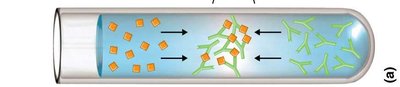
Precipitation Reactions
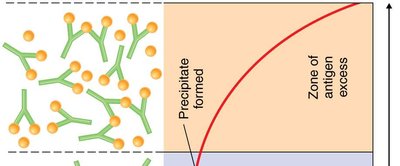
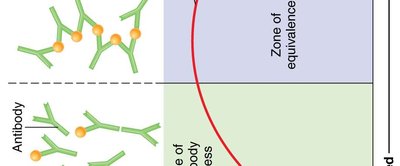
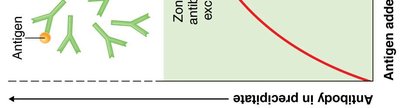
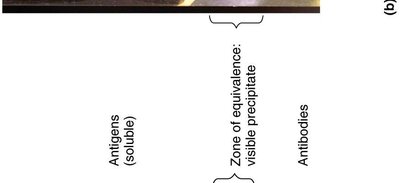
Precipitation reactions are used to detect the presence of soluble antigens and antibodies. When optimal proportions of antigen and antibody are mixed, they form an insoluble complex that precipitates out of solution. This reaction is fundamental in immunology for quantifying and identifying antigens or antibodies.
Key Point 1: Precipitation occurs in the zone of equivalence, where antigen and antibody concentrations are optimal for lattice formation.
Key Point 2: Excess antigen or antibody prevents precipitation, resulting in the zone of antigen excess or zone of antibody excess.
Example: Immunodiffusion assays use precipitation reactions to detect specific antigens in a sample.

Agglutination Reactions
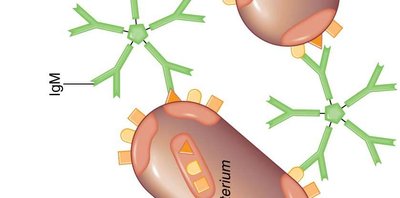
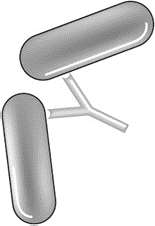
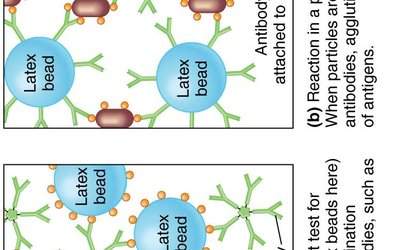
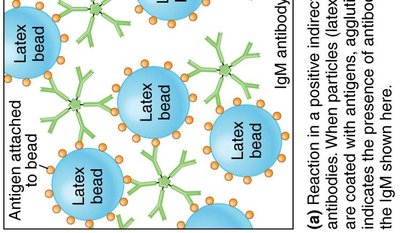
Agglutination reactions involve the clumping of particles, such as cells or latex beads, when they are cross-linked by antibodies. These reactions are widely used for blood typing, bacterial identification, and detection of specific antigens or antibodies.
Key Point 1: Direct agglutination uses antibodies to detect antigens on the surface of cells (e.g., bacteria, red blood cells).
Key Point 2: Indirect (passive) agglutination uses particles (e.g., latex beads) coated with antigens or antibodies to detect their counterparts.
Example: Latex agglutination tests are used to detect bacterial antigens or antibodies in patient samples.



Hemagglutination and Hemagglutination Inhibition
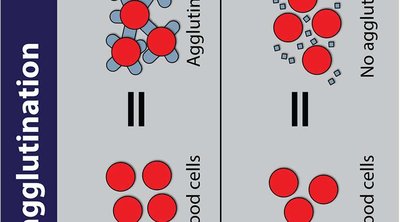
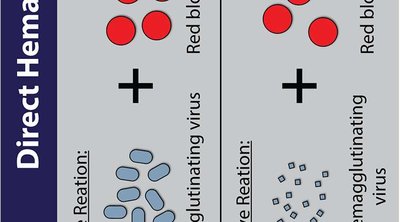
Hemagglutination is the clumping of red blood cells by viruses or antibodies. This reaction is used for blood typing and for detecting viral infections. Hemagglutination inhibition assays are used to detect antibodies against viruses that cause hemagglutination.
Key Point 1: Direct hemagglutination occurs when viruses or antibodies cause red blood cells to clump.
Key Point 2: Hemagglutination inhibition is used to detect antibodies that block viral hemagglutination.
Example: Influenza virus detection by hemagglutination inhibition assay.




Complement Fixation Test
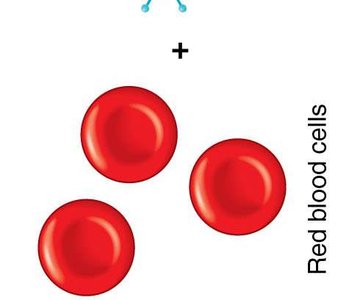
The complement fixation test is used to detect the presence of specific antibodies in serum. It relies on the activation of the complement system by antigen-antibody complexes. If complement is fixed by the antigen-antibody reaction, it will not be available to lyse indicator red blood cells, indicating a positive result.
Key Point 1: Complement fixation occurs when antigen-antibody complexes activate complement, preventing hemolysis of indicator cells.
Key Point 2: The test is used for detecting antibodies to various pathogens, including viruses and bacteria.
Example: Diagnosis of viral infections such as influenza or measles using complement fixation.


Summary Table: Immunological Assays
Assay | Principle | Application |
|---|---|---|
Precipitation | Soluble antigen-antibody complex forms precipitate | Immunodiffusion, quantification of antigens/antibodies |
Agglutination | Particulate antigen-antibody complex forms clumps | Blood typing, bacterial identification, latex tests |
Hemagglutination | Clumping of red blood cells by viruses or antibodies | Blood typing, viral detection |
Complement Fixation | Complement activation by antigen-antibody complex | Detection of antibodies to pathogens |
Additional info: These immunological assays are fundamental tools in microbiology for diagnosing infectious diseases, monitoring immune responses, and studying antigen-antibody interactions.
