 Indietro
Microbial Cardiovascular and Systemic Diseases: Study Notes
Guida di studio - Note intelligenti
 Appunti personalizzati basati sui tuoi materiali, ampliati con definizioni chiave, esempi e contesto.
Microbial Cardiovascular and Systemic Diseases
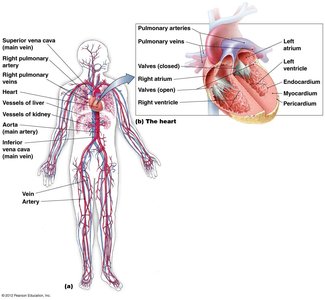
Overview of the Cardiovascular System
The cardiovascular system is essential for transporting nutrients, gases, and waste products throughout the body. It consists of the heart, blood, and blood vessels, and is a primary target for various microbial diseases.
Heart: Pumps blood through arteries, capillaries, and veins.
Arteries: Carry blood away from the heart.
Veins: Return blood to the heart.
Blood Composition: Includes serum (liquid portion) and formed elements (erythrocytes, leukocytes, platelets).
Bacterial Cardiovascular and Systemic Diseases
Septicemia, Bacteremia, and Toxemia
These conditions involve the presence and effects of bacteria or their toxins in the bloodstream, leading to systemic symptoms and potentially life-threatening complications.
Septicemia: Presence and multiplication of bacteria in the blood.
Bacteremia: Presence of bacteria in the blood without multiplication.
Toxemia: Release of bacterial toxins into the blood.
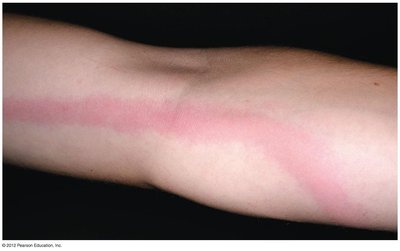
Lymphangitis: Infection and inflammation of lymphatic vessels, often visible as red streaks under the skin.
Signs, Symptoms, and Pathogenesis
Common symptoms: fever, chills, nausea, vomiting, diarrhea, malaise, disseminated intravascular clotting, hypotension.
Septic shock and petechiae (small hemorrhagic lesions) may develop.
Exotoxins (from living bacteria) and endotoxins (from Gram-negative bacteria) cause variable symptoms.
Gram-negative bacteria are more likely to cause severe septicemia due to endotoxin release.
Bacteria with capsules resist phagocytosis; siderophores capture iron for growth.
Diagnosis and Treatment: Based on clinical signs and symptoms; prompt antimicrobial therapy is critical. Prevention includes immediate treatment of infections, especially in immunocompromised individuals.
Endocarditis
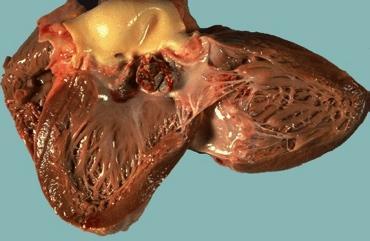
Endocarditis is an infection of the inner lining of the heart, typically affecting the valves and leading to the formation of vegetations.
Signs and Symptoms: Fever, fatigue, malaise, tachycardia.
Pathogens: Most commonly caused by Viridans streptococci.
Risk Factors: Abnormal heart structures increase susceptibility.
Treatment: Intravenous antibacterial drugs; prophylactic antibiotics for high-risk patients.
Lyme Disease
Etiology and Clinical Manifestations
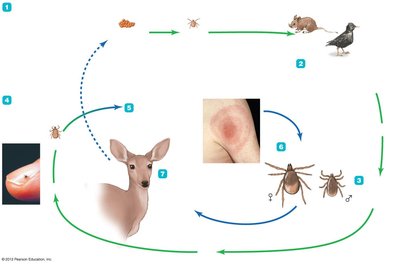
Lyme disease is a vector-borne illness caused by the spirochete Borrelia burgdorferi, transmitted by ticks. It progresses through multiple phases if untreated.
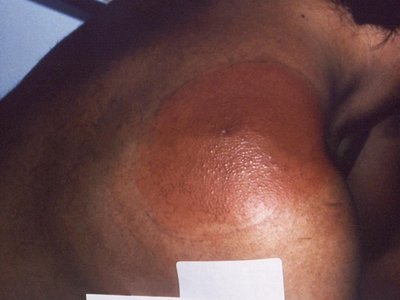
Early Phase: Bull's-eye rash (erythema migrans) at the infection site.
Later Phases: Neurological symptoms and severe arthritis.
Virulence: Uses manganese instead of iron, alters membrane proteins to evade immunity.
Transmission and Epidemiology
Transmitted by Ixodes ticks (deer ticks).
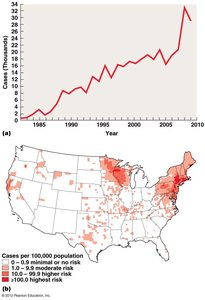
Increased incidence due to human encroachment into woodlands and deer population protection.
Diagnosis, Treatment, and Prevention
Diagnosis based on clinical signs; bacterium rarely detected in blood.
Early treatment with antimicrobials is effective; late treatment is more difficult.
Prevention: Use DEET repellents and protective clothing.
Viral Cardiovascular and Systemic Diseases
Infectious Mononucleosis
Also known as the "kissing disease," infectious mononucleosis is caused by the Epstein-Barr virus (EBV).
Symptoms: Severe sore throat, fever, swollen lymph nodes, fatigue, appetite loss.
Pathogenesis: EBV infects B lymphocytes and establishes latency; transmitted via saliva.
Diagnosis: Presence of large, lobed B lymphocytes and neutropenia.
Treatment: Symptomatic relief; prevention is difficult due to widespread EBV.
Cytomegalovirus (CMV) Disease
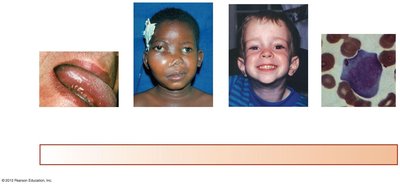
CMV is a common viral infection, often asymptomatic but potentially severe in neonates and immunodeficient individuals.
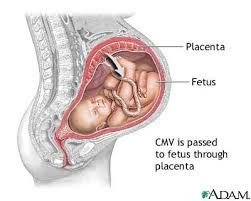
Transmission: Direct contact with body fluids or transplacentally (vertical transmission).
Complications: Teratogenic effects, especially hearing loss in newborns.
Prevention: No vaccine available; vaccine development is a priority for protecting pregnant women.
African Viral Hemorrhagic Fevers (Ebola and Marburg)
These are severe, often fatal diseases caused by filamentous viruses, primarily affecting populations in Africa.
Symptoms: Fever, fatigue, petechiae, severe internal hemorrhaging.
Transmission: Contact with bodily fluids of infected individuals.
Treatment: Supportive care with fluids and electrolytes; vaccines are under study.
Protozoan and Helminthic Cardiovascular Diseases
Malaria
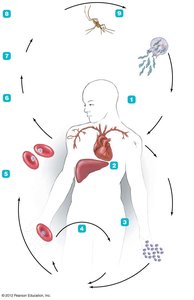
Malaria is a protozoan disease caused by Plasmodium species, transmitted by Anopheles mosquitoes. It is characterized by cyclical fevers and anemia.
Symptoms: Fever, chills (every 2-3 days), anemia, weakness, fatigue.
Pathogenesis: Parasite hides from immune system, injects toxins, and alters host cell adhesion.
Diagnosis: Identification of Plasmodium in blood smears.
Treatment: Varies by species and severity; drug resistance is an issue.
Prevention: Mosquito control is essential.
Disease | Pathogen | Transmission | Key Symptoms | Prevention |
|---|---|---|---|---|
Septicemia | Various bacteria (often Gram-negative) | Direct inoculation into blood | Fever, shock, petechiae | Prompt infection treatment |
Endocarditis | Viridans streptococci | Bacteremia in at-risk patients | Fever, heart murmur | Prophylactic antibiotics |
Lyme Disease | Borrelia burgdorferi | Tick bite | Bull's-eye rash, arthritis | Tick avoidance |
Mononucleosis | Epstein-Barr virus | Saliva | Sore throat, fatigue | None (widespread) |
CMV Disease | Cytomegalovirus | Body fluids, placenta | Asymptomatic or birth defects | Vaccine (in development) |
Malaria | Plasmodium spp. | Mosquito bite | Cyclic fever, anemia | Mosquito control |
