 Indietro
Microbial Diseases of the Nervous System: Structure, Function, and Pathogenesis
Guida di studio - Note intelligenti
 Appunti personalizzati basati sui tuoi materiali, ampliati con definizioni chiave, esempi e contesto.
Structure and Function of the Nervous System
Central and Peripheral Nervous System
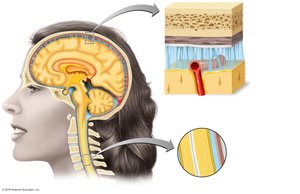
The nervous system is divided into the central nervous system (CNS) and the peripheral nervous system (PNS). The CNS consists of the brain and spinal cord, while the PNS comprises nerves that branch from the CNS to the rest of the body. The meninges, which are protective membranes, surround the CNS and consist of three layers: dura mater (outer), arachnoid mater (middle), and pia mater (innermost). The subarachnoid space contains cerebrospinal fluid (CSF), which cushions and protects the CNS. - Central Nervous System (CNS): Brain and spinal cord - Peripheral Nervous System (PNS): Nerves branching from CNS - Meninges: Dura, arachnoid, and pia mater layers - Subarachnoid space: Contains CSF 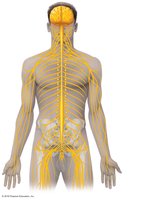
Blood–Brain Barrier
The blood–brain barrier is a selective barrier that prevents certain substances, including pathogens and toxins, from entering the brain from the bloodstream. This barrier is crucial for protecting the CNS from infection and maintaining neural function.
Meningitis and Encephalitis
- Meningitis: Inflammation of the meninges - Encephalitis: Inflammation of the brain tissue - Meningoencephalitis: Inflammation of both meninges and brain
Bacterial Diseases of the Nervous System
Bacterial Meningitis
Bacterial meningitis is a severe infection of the meninges, often presenting with fever, headache, stiff neck, nausea, and vomiting. It can progress to convulsions, coma, and death due to shock and inflammation caused by endotoxins and cell wall components. Viral meningitis is more common and generally milder.
Major Bacterial Pathogens
Pathogen | Characteristics | Prevention | Mortality |
|---|---|---|---|
Haemophilus influenzae | Gram-negative aerobic; normal throat microbiota | Hib vaccine | 6% |
Neisseria meningitidis | Gram-negative aerobic cocci with capsule; outbreaks in dorms/barracks | Vaccine available | 9–12% (treated), 80% (untreated) |
Streptococcus pneumoniae | Gram-positive encapsulated diplococcus; common in children | Conjugated vaccine | 30% (children), 80% (elderly) |
Listeria monocytogenes | Gram-positive facultative anaerobic rod; foodborne | Food safety | Variable |
Diagnosis and Treatment
- Diagnosis: CSF sampling via spinal tap (lumbar puncture), latex agglutination tests - Treatment: Broad-spectrum third-generation cephalosporins; chemotherapy initiated before diagnosis 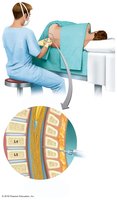
Listeriosis
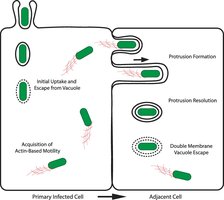
Listeria monocytogenes causes listeriosis, which is often foodborne and asymptomatic but can lead to meningitis in immunocompromised individuals. The bacterium reproduces in phagocytes and spreads from cell to cell, infecting pregnant women and causing stillbirth. - Transmission: Foodborne, crosses placenta - Pathogenesis: Invades bloodstream, reproduces in phagocytes 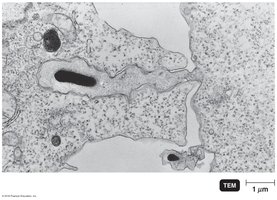
Tetanus
Tetanus is caused by Clostridium tetani, a Gram-positive, endospore-forming, obligate anaerobe. The disease is characterized by muscle spasms due to the tetanospasmin exotoxin, which blocks relaxation pathways in muscles. Death can occur from respiratory muscle spasms. - Prevention: Tetanus toxoid vaccine (DTaP), booster every 10 years - Treatment: Tetanus immune globulin (TIG), debridement of infected tissue 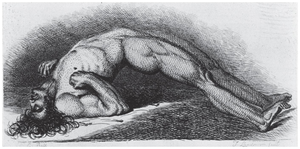
Botulism
Botulism is caused by Clostridium botulinum, a Gram-positive, endospore-forming, obligate anaerobe. The botulinal exotoxin blocks acetylcholine release, causing flaccid paralysis and potentially fatal respiratory or cardiac failure. - Transmission: Foodborne, wound, infant, iatrogenic - Treatment: Respiratory assistance, antitoxins (BIG) - Prevention: Proper canning, nitrites in foods
Leprosy (Hansen's Disease)
Leprosy is caused by Mycobacterium leprae, an acid-fast rod that grows in peripheral nerves and skin cells. It survives in macrophages and invades the myelin sheath. Transmission requires prolonged contact or inhalation of secretions. - Diagnosis: Skin biopsy or smear - Treatment: Dapsone (folic acid synthesis inhibitor), Rifampin (RNA-polymerase inhibitor), 6–24 months
Forms of Leprosy
Form | Symptoms |
|---|---|
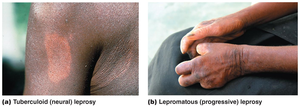
Tuberculoid (neural) | Loss of sensation in skin areas |
Lepromatous (progressive) | Disfiguring nodules, mucous membrane involvement |
Viral Diseases of the Nervous System
Poliomyelitis
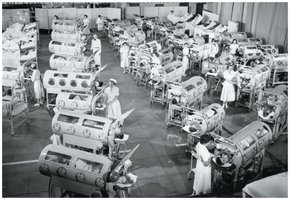
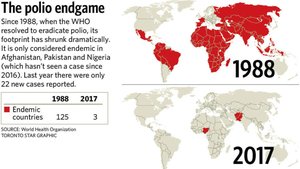
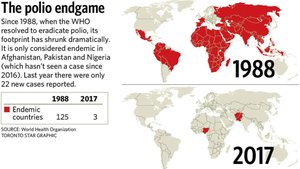
Poliomyelitis is caused by the poliovirus, a naked, ssRNA virus transmitted via fecal-contaminated water. It can cause sore throat, nausea, viremia, CNS entry, and paralysis in 1% of cases. Postpolio syndrome may occur decades later. - Vaccines: Salk (IPV, inactivated, injectable), Sabin (OPV, attenuated, oral, lifelong immunity) - Global Impact: Polio cases reduced by 99% from 1988 to 2000; persistent reservoirs remain in some countries 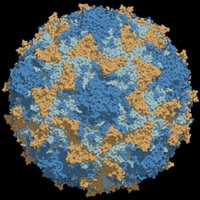

Rabies
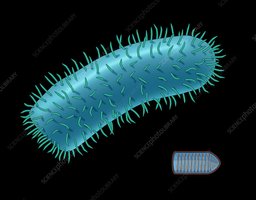
Rabies is caused by the rabies virus (genus Lyssavirus), an enveloped, ssRNA virus with a bullet shape. It is usually transmitted by animal bites, especially from bats in the U.S. The virus multiplies in skeletal muscles and travels to the brain, causing encephalitis. - Symptoms: Muscle spasms, hydrophobia, encephalitis - Forms: Furious (excitable), paralytic (dumb) rabies - Diagnosis: DFA test on bodily fluids - Treatment: Pre-exposure (3 doses killed virus), post-exposure prophylaxis (4 doses killed virus + immune globulin) 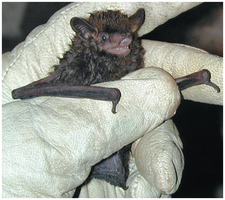
Fungal Diseases of the Nervous System
Cryptococcus neoformans Meningitis (Cryptococcosis)
Cryptococcosis is caused by Cryptococcus neoformans, a soil fungus associated with pigeon and chicken droppings. It is transmitted via the respiratory route and can spread to the CNS in immunocompromised individuals. - Symptoms: Meningitis - Treatment: Amphotericin B and flucytosine
Protozoan Diseases of the Nervous System
African Trypanosomiasis
African trypanosomiasis is caused by Trypanosoma brucei gambiense (human reservoir) and T. b. rhodesiense (animal reservoir), transmitted by the tsetse fly. The parasite evades antibodies through antigenic variation, making vaccine development difficult. - Symptoms: Fever, headache, CNS deterioration - Treatment: Eflornithine (crosses blood–brain barrier) - Prevention: Elimination of tsetse fly vectors
Amebic Meningoencephalitis
Naegleria fowleri causes primary amebic meningoencephalitis (PAM), infecting the nasal mucosa from swimming water and feeding on brain tissue. It is nearly always fatal. Acanthamoeba causes granulomatous amebic encephalitis (GAE), forming granulomas and multiple brain lesions.
Nervous System Diseases Caused by Prions
Prion Diseases
Prion diseases are caused by abnormally folded proteins (prions) that induce normal proteins in brain tissue to misfold, leading to spongiform degeneration. These diseases are chronic, fatal, and transmissible. - Transmissible Spongiform Encephalopathies (TSE): Includes chronic wasting disease (deer/elk), Creutzfeldt-Jakob disease (CJD, humans), Kuru (humans, cannibalism), bovine spongiform encephalopathy (BSE, mad cow disease), sheep scrapie - Variant CJD (vCJD): Occurs in younger individuals; some forms are inherited - Prion Resistance: Difficult to destroy; requires NaOH and extended autoclaving at 134°C
Mechanism of Prion Infection
PrPc (normal protein) is converted to PrPSc (abnormal prion) upon contact, leading to accumulation and cell death.
Disease | Host | Transmission |
|---|---|---|
Chronic wasting disease | Deer, elk | Unknown |
CJD | Humans | Inherited, sporadic, iatrogenic |
Kuru | Humans | Cannibalism |
BSE | Cattle | Feed containing infected bone meal |
Scrapie | Sheep | Unknown |
Additional info: Prion diseases are unique in that they are caused by protein misfolding rather than conventional pathogens, and their resistance to standard sterilization poses significant challenges in healthcare settings.
