 Indietro
Microbial Growth and Its Control: Physical, Chemical, and Biological Methods
Guida di studio - Note intelligenti
 Appunti personalizzati basati sui tuoi materiali, ampliati con definizioni chiave, esempi e contesto.
Microbial Growth and Its Control
Introduction to Microbial Control
Controlling microbial growth is essential in preventing food spoilage, disease, and contamination in various environments. This topic covers the principles and methods used to kill or inhibit microorganisms using physical, chemical, and biological agents.
Key Definitions in Microbial Control
Frequently Used Terms
Sterilization: The destruction or removal of all viable organisms, including endospores. Requires extreme conditions.
Disinfection: The killing, inhibition, or removal of disease-causing (pathogenic) organisms, but not endospores. Disinfectants are typically used on inanimate objects.
Sanitization: Reduction of microbial population to levels deemed safe by public health standards (e.g., hand sanitizers).
Antisepsis: Prevention of infection of living tissue by microorganisms. Antiseptics are chemical agents applied to tissue.
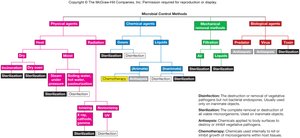
Example: Alcohol can act as an antiseptic, disinfectant, sanitizer, or sterilant depending on its concentration and application method.
Types of Antimicrobial Agents
-cidal and -static Agents
-cidal agents: Agents that kill microorganisms (e.g., bactericides, fungicides, viricides).
-static agents: Agents that inhibit the growth of microorganisms without killing them (e.g., bacteriostatic, fungistatic).
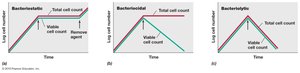
Example: Formaldehyde is a chemical sterilant, while some antibiotics are bacteriostatic.
Environmental Factors Affecting Microbial Growth
Physical and Chemical Limits
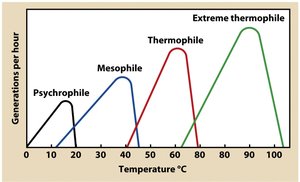
Temperature: Microbial growth rates are influenced by temperature. Proteins denature at high temperatures, and microbes are classified by their temperature preferences:
Psychrophiles: 0–20°C
Mesophiles: 12–45°C
Thermophiles: 40–80°C
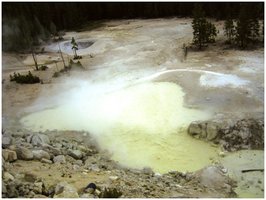
Extreme thermophiles: 65–113°C
pH: Microbes are classified by their optimal pH range:
Neutralophiles: pH 5–8
Acidophiles: pH 0–5
Alkalophiles: pH 9–11
Osmolarity: High solute concentrations reduce water activity, affecting microbial survival. Halophiles require high NaCl concentrations.
Oxygen: Aerobes use O2 as an electron acceptor, while anaerobes are harmed by oxygen-derived reactive species.
Pressure: Barophiles thrive at high pressures, barotolerant organisms tolerate but do not prefer high pressure, and barosensitive organisms are killed by high pressure.
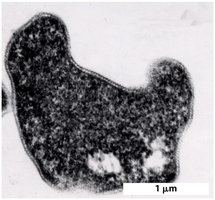
Microbial Death and Killing Efficiency
Exponential Death and D-Value
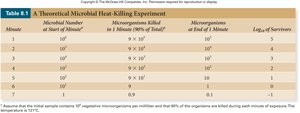
Microbial populations are not killed instantly; instead, death occurs exponentially. The decimal reduction time (D-value) is the time required to kill 90% of the population under specific conditions.
Persister cells: Some cells may survive in a viable but nonculturable (VBNC) state and can cause infection if they recover.
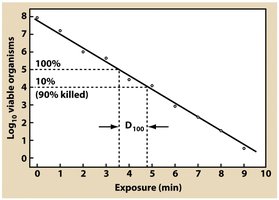
Equation: The exponential death rate can be described as: where is the number of survivors at time , is the initial number, and is the decimal reduction time.
Physical Methods of Microbial Control
Temperature-Based Methods
Pasteurization: Controlled heating (e.g., 63°C for 30 min or 72°C for 15 sec) reduces microbial load but does not sterilize. UHT (Ultra-High Temperature) at 150°C for 3 sec sterilizes liquids.
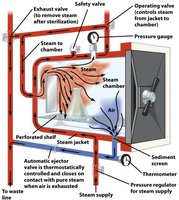
Autoclaving: Uses steam under pressure (121°C, 15 psi for 20 min) to sterilize and kill endospores.
Cold temperatures: Refrigeration slows growth; freezing can preserve but not kill all microbes.
Irradiation: UV, X-rays, and gamma rays can sterilize surfaces and food.
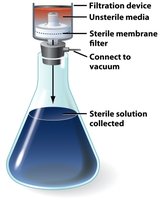
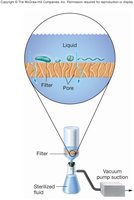
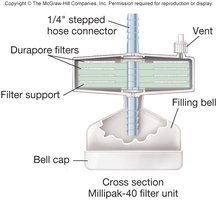
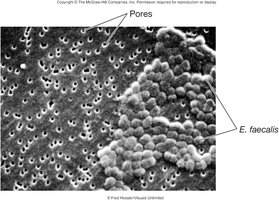
Filtration: Physically removes microbes from liquids and air using membrane filters.
Chemical Methods of Microbial Control
Disinfectants, Antiseptics, and Antibiotics
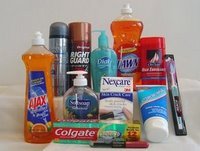
Disinfectants: Kill most microbes (not endospores), used on surfaces (e.g., bleach, iodine).
Antiseptics: Used on living tissue to prevent infection (e.g., alcohol, hydrogen peroxide).
Antibiotics: Selectively kill or inhibit bacteria, often by targeting cell wall synthesis or protein synthesis. Can be used internally in patients.
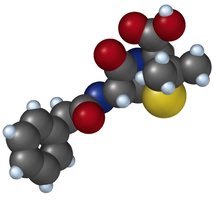
Example: Penicillin blocks bacterial cell wall synthesis, causing cell lysis in growing bacteria.
Biological Methods of Microbial Control
Probiotics and Bacteriophages
Probiotics: Beneficial bacteria that outcompete pathogens in the body.
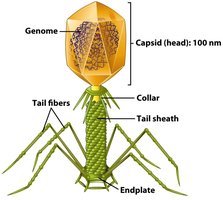
Bacteriophages: Viruses that specifically infect and kill bacteria without harming eukaryotic cells.
Summary Table: Microbial Heat-Killing Experiment
Minute | Microbial Number at Start of Minute | Microorganisms Killed in 1 Minute (90% of Total) | Microorganisms at End of Minute | Log10 of Survivors |
|---|---|---|---|---|
0 | 107 | 9 × 10⁶ | 106 | 6 |
1 | 106 | 9 × 10⁵ | 105 | 5 |
2 | 105 | 9 × 10⁴ | 104 | 4 |
3 | 104 | 9 × 10³ | 103 | 3 |
4 | 103 | 9 × 10² | 102 | 2 |
5 | 102 | 9 × 101 | 101 | 1 |
6 | 101 | 9 | 1.0 | 0 |
Additional info: This table illustrates the exponential decline in microbial numbers during heat treatment, emphasizing the concept of D-value.
Summary
Effective microbial control requires understanding the differences between sterilization, disinfection, sanitization, and antisepsis, as well as the mechanisms and limitations of physical, chemical, and biological agents. Environmental factors such as temperature, pH, osmolarity, oxygen, and pressure significantly influence microbial survival and the efficacy of control methods.
