 Indietro
Microbial Growth: Physical and Chemical Requirements, Culture Media, and Biofilms
Guida di studio - Note intelligenti
 Appunti personalizzati basati sui tuoi materiali, ampliati con definizioni chiave, esempi e contesto.
Microbial Growth
Definition of Microbial Growth
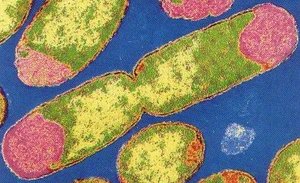
Microbial growth refers to the increase in the number of cells, not the size of individual cells. This process is fundamental to understanding how microorganisms colonize environments, cause disease, and are controlled in laboratory and clinical settings.
Physical Requirements for Microbial Growth
Temperature
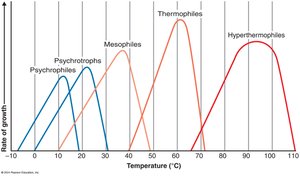
Temperature is a critical factor influencing microbial growth. Microorganisms are classified based on their preferred temperature ranges:
Psychrophiles: Cold-loving microbes; optimum growth at 15°C, found in Antarctic environments.
Psychrotrophs: Grow between 0°C and 20–30°C; responsible for food spoilage (e.g., Listeria monocytogenes).
Mesophiles: Grow best at moderate temperatures (25–40°C); most human pathogens are mesophiles.
Thermophiles: Heat-loving microbes; optimum growth between 50–60°C.
Hyperthermophiles (Extreme Thermophiles): Grow at 80°C or higher; found in hot springs and hydrothermal vents.
Example: Thermophilic bacteria are used in industrial processes such as PCR (polymerase chain reaction) due to their heat-stable enzymes.
pH
The pH of the environment affects microbial growth. Most bacteria grow best between pH 6.5 and 7.5. Molds and yeasts prefer slightly acidic conditions (around pH 5), while acidophiles can grow at pH values below 4.
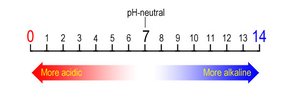
Acidophiles: Thrive in acidic environments (pH < 4).
Neutrophiles: Prefer neutral pH (6.5–7.5).
Alkaliphiles: Grow in basic environments (pH > 8).
Osmotic Pressure
Osmotic pressure influences water availability for microbial cells. In hypertonic environments, water leaves the cell, causing plasmolysis (cell shrinkage). Microbes are classified based on their salt tolerance:
Extreme halophiles: Require high salt concentrations for growth.
Obligate halophiles: Must have salt to grow.
Facultative halophiles: Do not require salt but can tolerate it.
Example: Halobacterium species thrive in salt lakes.
Chemical Requirements for Microbial Growth
Major Elements
Microbes require various chemical elements for growth:
Carbon: Main structural component of organic molecules.
Nitrogen: Needed for amino acids, proteins, and nucleic acids.
Sulfur: Found in some amino acids and vitamins.
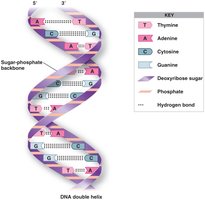
Phosphorus: Essential for nucleic acids, ATP, and phospholipids.
Trace Elements
Trace elements are inorganic minerals required in small amounts, usually as enzyme cofactors. Examples include iron, copper, zinc, and molybdenum.
Organic Growth Factors
These are essential organic compounds that microbes cannot synthesize themselves, such as vitamins, amino acids, purines, and pyrimidines.
Oxygen Requirements
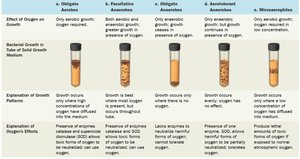
Effect of Oxygen on Growth
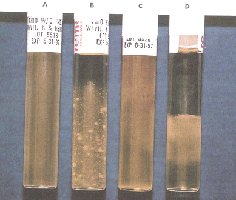
Microorganisms vary in their oxygen requirements:
Obligate aerobes: Require oxygen for growth.
Facultative anaerobes: Can grow with or without oxygen but grow better with oxygen.
Obligate anaerobes: Harmed by oxygen; cannot grow in its presence (e.g., Clostridium).
Aerotolerant anaerobes: Do not use oxygen but are not harmed by it.
Microaerophiles: Require low levels of oxygen (e.g., Campylobacter, Helicobacter).
Biofilms
Formation and Characteristics
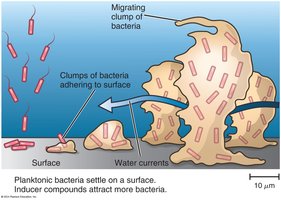
Biofilms are complex microbial communities that form on surfaces, embedded in a self-produced matrix of slime or hydrogels. Bacteria in biofilms communicate via chemical signaling (quorum sensing) and are protected from harmful factors such as antibiotics and the immune system.
Biofilms can cause persistent infections and are common on medical devices.
Bacteria in biofilms are more resistant to antimicrobial agents.
Culture Media and Growth Measurement
Culture Media
Culture media are nutrient preparations used to grow microorganisms in the laboratory. Key terms include:
Sterile: Free of living microbes.
Inoculum: Introduction of microbes into the medium.
Culture: Microbes growing in or on the medium.
Criteria for Culture Media
Sterility
Proper nutrients
Correct pH and incubation temperature
Appropriate atmosphere (air, CO2, etc.)
Agar
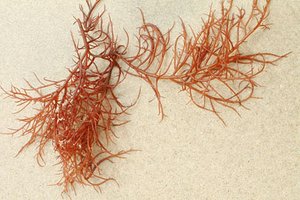
Agar is a complex polysaccharide used as a solidifying agent in culture media. It is not metabolized by most microbes, liquefies at 100°C, and solidifies at about 40°C.
Chemically Defined Media
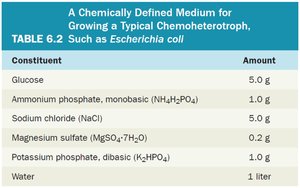
In chemically defined media, the exact chemical composition is known. These are used for specific research applications.
Constituent | Amount |
|---|---|
Glucose | 5.0 g |
Ammonium phosphate, monobasic (NH4H2PO4) | 1.0 g |
Sodium chloride (NaCl) | 5.0 g |
Magnesium sulfate (MgSO4·7H2O) | 0.2 g |
Potassium phosphate, dibasic (K2HPO4) | 1.0 g |
Water | 1 liter |
Complex Media
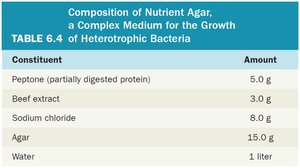
Complex media contain extracts and digests of yeasts, meat, or plants. The exact composition varies from batch to batch.
Constituent | Amount |
|---|---|
Peptone (partially digested protein) | 5.0 g |
Beef extract | 3.0 g |
Sodium chloride | 8.0 g |
Agar | 15.0 g |
Water | 1 liter |
Special Culture Techniques
Reducing media: Contain chemicals (e.g., sodium thioglycolate) that remove oxygen, allowing growth of obligate anaerobes.
Enriched media: Supplemented with special nutrients to support the growth of fastidious organisms (e.g., Neisseria gonorrhoeae, Haemophilus influenzae).
Chocolate agar: Contains hemoglobin, vitamins, amino acids, and NAD for growing pathogenic Neisseria and Haemophilus.
Additional Info
Microbial growth can be measured by direct methods (e.g., plate counts, microscopy) and indirect methods (e.g., turbidity, metabolic activity).
Biofilms are a major concern in clinical settings due to their resistance to antibiotics and role in chronic infections.
