 Indietro
Microbial Growth: Physical and Chemical Requirements, Biofilms, and Culture Methods
Guida di studio - Note intelligenti
 Appunti personalizzati basati sui tuoi materiali, ampliati con definizioni chiave, esempi e contesto.
Microbial Growth Requirements
Physical Requirements for Microbial Growth
Microorganisms require specific physical conditions to grow, including temperature, pH, and osmotic pressure. These factors influence the rate and extent of microbial growth, and different species are adapted to distinct environmental niches.
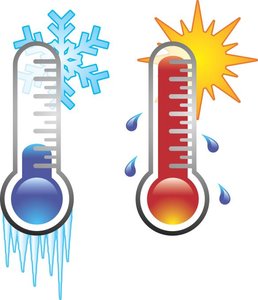
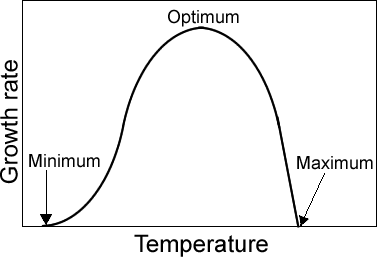
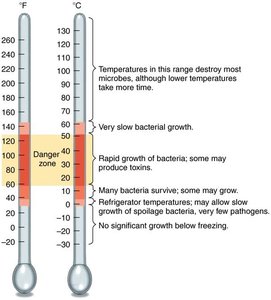
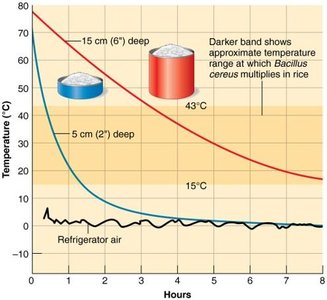
Temperature: Microbes are classified based on their preferred temperature ranges. The minimum, optimum, and maximum growth temperatures define the limits for each species.
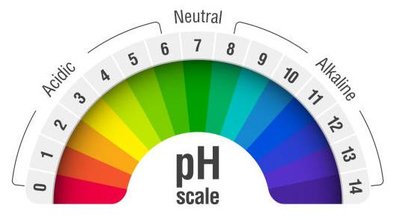
pH: Most bacteria grow best between pH 6.5 and 7.5, while molds and yeasts prefer slightly acidic conditions (pH 5–6). Acidophiles thrive in highly acidic environments.
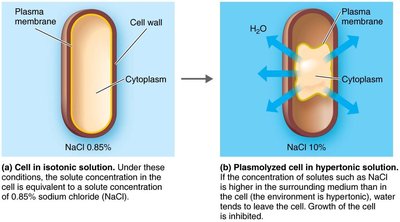
Osmotic Pressure: The concentration of solutes in the environment affects water movement across cell membranes. Hypertonic environments can cause plasmolysis, inhibiting growth.
Microbial Temperature Groups
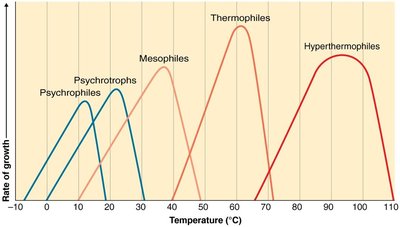
Microbes are classified into five groups based on their temperature preferences:
Psychrophiles: Cold-loving, optimal growth at 10°C.
Psychrotrophs: Grow between 0°C and 20–30°C; often cause food spoilage.
Mesophiles: Moderate-temperature-loving, optimal at 35°C.
Thermophiles: Heat-loving, optimal at 64°C.
Hyperthermophiles: Grow at 65–110°C, optimal at 95°C.
pH and Microbial Growth
Microbial growth is highly sensitive to pH. Most bacteria prefer neutral pH, while fungi and acidophiles can tolerate or require acidic conditions.
Osmotic Pressure and Halophiles
Osmotic pressure affects microbial cells by controlling water movement. Halophiles are adapted to high-salt environments, while facultative halophiles can tolerate but do not require high salt.
Chemical Requirements for Microbial Growth
Major Elements
Microbes require several elements in large amounts for growth:
Carbon: Backbone of organic molecules; used by chemoheterotrophs and autotrophs.
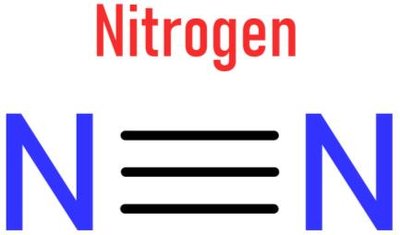
Nitrogen: Essential for proteins, DNA, and ATP; obtained from protein decomposition, ammonium, nitrate, or nitrogen fixation.
Sulfur: Needed for amino acids, thiamine, and biotin; sourced from protein decomposition or sulfate/hydrogen sulfide.
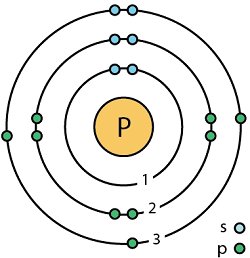
Phosphorus: Component of DNA, RNA, ATP, and membranes; supplied as phosphate.
Trace Elements
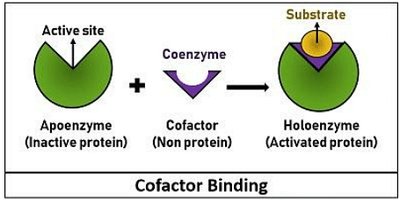
Trace elements such as iron, copper, molybdenum, and zinc are required in small amounts, usually as enzyme cofactors.

Oxygen Requirements
Microbes are classified by their oxygen requirements:
Obligate aerobes: Require oxygen.
Facultative anaerobes: Can grow with or without oxygen.
Obligate anaerobes: Cannot tolerate oxygen.
Aerotolerant anaerobes: Tolerate but do not use oxygen.
Microaerophiles: Require low oxygen concentrations.
Organic Growth Factors
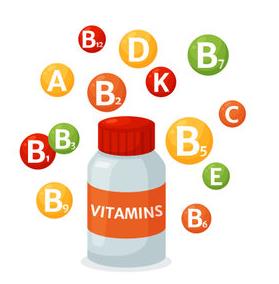
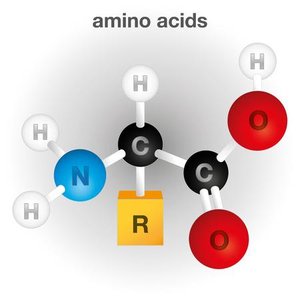
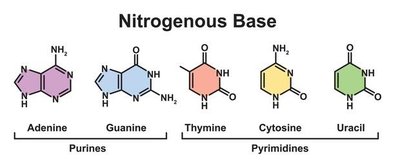
Organic compounds such as vitamins, amino acids, purines, and pyrimidines must be obtained from the environment by some microbes.
Biofilms
Formation and Significance
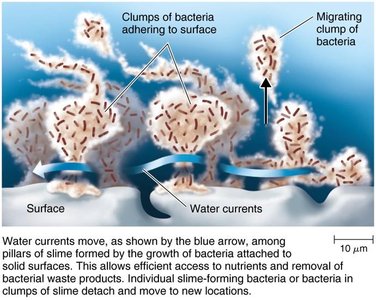
Biofilms are complex microbial communities that form slime or hydrogels adhering to surfaces. Bacteria communicate via quorum sensing and secrete signaling chemicals to attract other cells. Biofilms share nutrients and provide shelter from environmental hazards.
Biofilms are found in natural and artificial environments, including digestive systems, sewage treatment, catheters, heart valves, contact lenses, and dental caries.
Biofilms are highly resistant to microbicides and are involved in 70% of infections.
Culture Media and Methods
Types of Culture Media
Culture media provide nutrients for microbial growth. They can be classified as:
Chemically defined media: Exact chemical composition is known; used for fastidious organisms.
Complex media: Contains extracts and digests of yeasts, meat, or plants; composition varies.
Reducing media: Used for anaerobic bacteria; contains chemicals to deplete oxygen.
Selective media: Suppresses unwanted microbes and encourages desired ones.
Differential media: Distinguishes colonies of different microbes.
Enrichment media: Increases numbers of desired microbes to detectable levels.
Obtaining Pure Cultures
A pure culture contains only one species or strain. Colonies arise from single cells or spores. The streak plate method is commonly used to isolate pure cultures.
Preserving Bacterial Cultures
Microorganisms can be preserved by deep-freezing (−50° to −95°C) or lyophilization (freeze-drying at −54° to −72°C and dehydrated in a vacuum).
Growth of Bacterial Cultures
Bacterial Division and Growth Curve
Bacterial growth refers to an increase in cell number, not cell size. Most bacteria divide by binary fission, doubling the population each generation. The growth curve consists of four phases:
Lag phase: Metabolic activity is high, but cell number changes little.
Log phase: Rapid cell division and population growth.
Stationary phase: Equilibrium between cell division and cell death.
Death phase: Cell death exceeds new cell formation.
Measuring Microbial Growth
Microbial growth can be measured by direct and indirect methods:
Direct methods: Plate count, filtration, most probable number (MPN), direct microscopic count.
Indirect methods: Turbidity (spectrophotometer), metabolic activity, dry weight.
Temperature Group | Range (°C) | Optimal (°C) |
|---|---|---|
Psychrophiles | -10 to 20 | 10 |
Psychrotrophs | 0 to 30 | 20–30 |
Mesophiles | 10 to 50 | 35 |
Thermophiles | 40 to 72 | 64 |
Hyperthermophiles | 65 to 110 | 95 |
Oxygen Requirement | Growth Pattern | Explanation |
|---|---|---|
Obligate Aerobe | Only aerobic growth; oxygen required | Growth occurs where high concentrations of oxygen have diffused into the medium |
Facultative Anaerobe | Both aerobic and anaerobic growth; greater growth in presence of oxygen | Growth is best where most oxygen is present, but occurs throughout tube |
Obligate Anaerobe | Only anaerobic growth; oxygen is toxic | Growth occurs only where there is no oxygen |
Aerotolerant Anaerobe | Only anaerobic growth; oxygen has no effect | Growth occurs evenly; oxygen has no effect |
Microaerophile | Only aerobic growth; oxygen required in low concentration | Growth occurs only where a low concentration of oxygen has diffused into medium |
Additional info: These notes expand on the original content by providing definitions, examples, and structured tables for temperature and oxygen requirements, as well as detailed explanations of physical and chemical growth factors, biofilms, and culture methods.
