 Indietro
Microbial Mechanisms of Pathogenicity: Study Notes
Guida di studio - Note intelligenti
 Appunti personalizzati basati sui tuoi materiali, ampliati con definizioni chiave, esempi e contesto.
Bacterial Pathogenesis
Overview of Pathogenesis
Bacterial pathogenesis is the study of how pathogens cause disease or infect host cells. Understanding these mechanisms is fundamental to microbiology, as it explains how microbes overcome host defenses and establish infection.
Opportunistic Pathogens: Cause disease mainly in immunocompromised individuals; often part of normal flora or environmental organisms. Examples include E. coli, C. perfringens, C. tetani, Klebsiella, Neisseria meningitidis, Proteus mirabilis, Pseudomonas, Streptococcus pneumoniae, Serratia marcescens, Staphylococcus aureus.
Virulence: Refers to the degree of pathogenicity. Virulent pathogens promote disease, while avirulent organisms are non-infectious. Virulence can be qualitative or quantitative.
Pathogenesis Steps: Successful infection involves portal of entry, adherence, colonization/invasion, damage to host, exit from host, and survival for transmission.
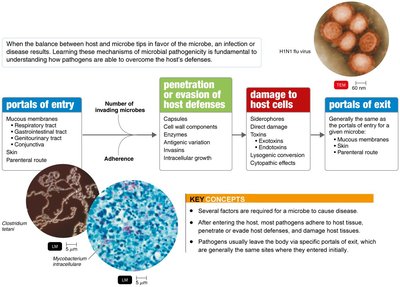
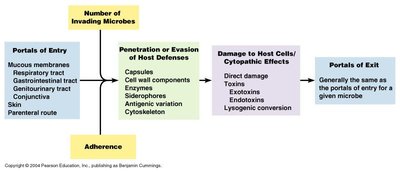
Virulence Factors
Mechanisms Promoting Pathogenicity
Virulence factors are molecules produced by pathogens that assist in causing disease. They enable bacteria to invade hosts, evade immune responses, and cause damage.
Examples: Pili, capsules, endotoxins, exotoxins, surface antigen variation, ability to trigger endocytosis.
Virulence Plasmids: Some bacteria acquire plasmids carrying virulence genes, such as those for toxin production or colonization factors.
Portals of Entry
How Pathogens Enter the Host
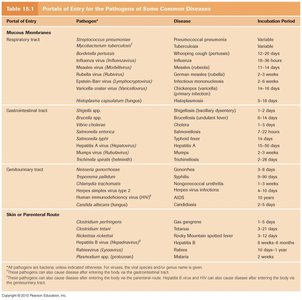
Pathogens must enter the host through specific portals to initiate infection. The preferred portal of entry is often essential for successful colonization.
Mucous Membranes: Respiratory, gastrointestinal, genitourinary, conjunctiva.
Skin: Entry through abrasions, cuts, or wounds.
Parenteral Route: Entry via injections, bites, or other breaches.
Numbers of Invading Microbes: Infectious dose (ID50) and lethal dose (LD50) measure virulence and potency.

Adherence
Attachment to Host Cells
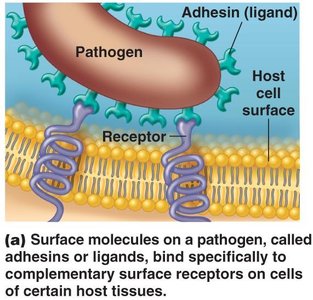
Adherence is the process by which bacteria stick to host cell surfaces, a critical step for establishing infection. Host defenses are designed to prevent this step.
Host Defenses: Skin dryness, acidity, shedding; respiratory mucus and ciliary action; GI tract acidity and enzymes; vaginal lactobacilli; urinary tract flushing.
Ligand-Receptor Interactions: Pathogen ligands (adhesins) bind to specific host cell receptors. Examples: E. coli binds to mannose, Vibrio cholerae to fucose, Mycoplasma to sialic acid.
Glycocalyx and Pili: Sticky polysaccharides (glycocalyx) and pili facilitate attachment. Phase variation allows bacteria to alter pili types to evade immune responses.
Colonization and Invasion
Establishing Infection in Host Tissues
Colonization and invasion involve pathogens entering and multiplying within host tissues. Microbes must compete with normal flora and overcome physical barriers.
Entry Mechanisms: Bites, burns, abrasions, wounds, surgery, disruption of cell membranes, degradation of intercellular layers, endocytosis.
Colonization: Microbes must find suitable conditions for multiplication and compete for resources.
Reproductive Strategies: Obligate intracellular pathogens (e.g., Chlamydia, Rickettsia, viruses) reproduce inside cells; extracellular organisms live outside cells.
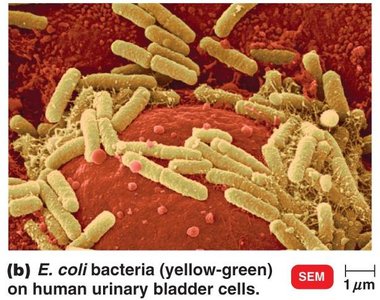
Disease and Damage
Mechanisms of Host Injury
Pathogens cause disease and damage through various mechanisms, including capsules, cell wall components, toxins, and enzymes.
Capsules: Prevent phagocytosis (e.g., Streptococcus pneumoniae, Klebsiella pneumoniae, Haemophilus influenzae, Yersinia pestis).
Cell Wall Components: M protein resists phagocytosis (Streptococcus pyogenes), Opa protein aids attachment (Neisseria gonorrhoeae), mycolic acid resists digestion (Mycobacterium tuberculosis).
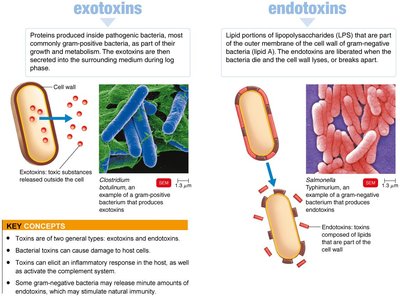
Toxins: Substances contributing to pathogenicity. Types include exotoxins (proteins) and endotoxins (LPS).
Enzymes: Collagenase, coagulases, hyaluronidase facilitate invasion and protection from immune responses.
Antigenic Variation: Pathogens change surface antigens to evade immune detection (e.g., Neisseria, influenza virus).
Superantigens: Cause intense immune responses, leading to fever, shock, and death.
Exotoxins vs Endotoxins
Comparison of Bacterial Toxins
Exotoxins and endotoxins are two major classes of bacterial toxins, each with distinct properties and effects on the host.
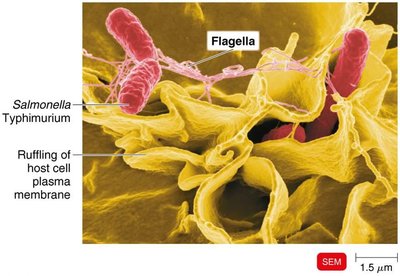
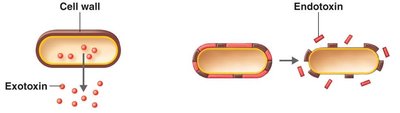
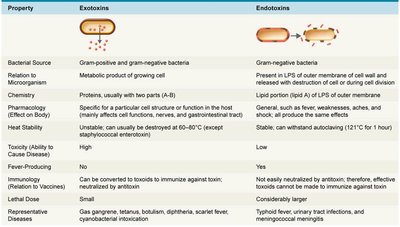
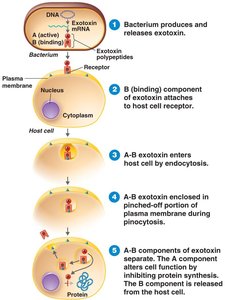
Exotoxins: Secreted proteins produced by both Gram-positive and Gram-negative bacteria; usually heat-labile; specific effects; can be converted to toxoids for vaccines.
Endotoxins: Lipopolysaccharide (LPS) from Gram-negative cell walls; released during cell lysis; heat-stable; general effects (fever, shock); cannot be made into toxoids.
AB Toxins: Two-component toxins (A: active, B: binding) found in cholera, tetanus, Shigella, diphtheria.
Diseases Caused by Exotoxins
Major Bacterial Diseases and Their Toxins
Exotoxins are responsible for a variety of diseases, each with specific mechanisms of action.
Disease | Bacterium | Type of Exotoxin | Mechanism |
|---|---|---|---|
Botulism | Clostridium botulinum | A-B | Neurotoxin prevents transmission of nerve impulses; flaccid paralysis results. |
Tetanus | Clostridium tetani | A-B | Neurotoxin blocks nerve impulses to muscle relaxation pathway; results in uncontrollable muscle contractions. |
Diphtheria | Corynebacterium diphtheriae | A-B | Cytotoxin inhibits protein synthesis, especially in nerve, heart, and kidney cells. |
Scalded skin syndrome | Staphylococcus aureus | A-B | Exotoxin causes skin layers to separate and slough off. |
Cholera | Vibrio cholerae | A-B | Enterotoxin causes secretion of large amounts of fluids and electrolytes that result in diarrhea. |
Toxic shock syndrome | S. aureus | Superantigen | Toxin causes secretion of fluids and electrolytes from capillaries that decreases blood volume and lowers blood pressure. |
Traveler’s diarrhea | Enterotoxigenic E. coli and Shigella spp. | A-B | Enterotoxin causes secretion of large amounts of fluids and electrolytes that result in diarrhea. |
Anthrax | Bacillus anthracis | A-B | Two A components enter the cell via the same B. The A proteins cause shock and reduce the immune response. |
Gastric cancer | Helicobacter spp. | A-B toxin | Genotoxin causes breaks in DNA. |
Skin and soft tissue infection | MRSA | Membrane-disrupting | Panton-Valentine leukocidin makes pores in WBC membranes. |
Gas gangrene and food poisoning | Clostridium perfringens | Membrane-disrupting | Cytotoxin causes massive RBC destruction; enterotoxin causes diarrhea. |
Antibiotic-associated diarrhea | Clostridium difficile | Membrane-disrupting | Enterotoxin causes secretion of fluids and electrolytes; cytotoxin disrupts host cytoskeleton. |
Food poisoning | S. aureus | Superantigen | Enterotoxin causes secretion of fluids and electrolytes that results in diarrhea. |
Toxic shock syndrome | S. aureus | Superantigen | Toxin causes secretion of fluids and electrolytes from capillaries that decreases blood volume and lowers blood pressure. |
Endotoxins
Properties and Effects of Endotoxins
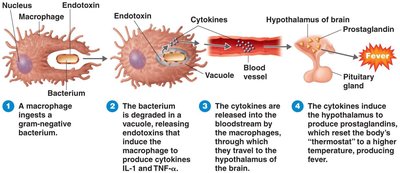
Endotoxins are components of Gram-negative bacterial cell walls, specifically the lipid A portion of lipopolysaccharide (LPS). They are released during bacterial lysis and cause systemic effects such as fever and septic shock.
Structure: Composed of O polysaccharide and lipid A (toxic portion).
Heat Resistance: Cannot be made into toxoids; heat-stable.
Mode of Action: Induces release of interleukin-1 (fever inducer) and can cause septic shock when distributed in the bloodstream.
Pathogenic Properties of Viruses, Fungi, Protozoa, and Helminths
Non-Bacterial Pathogenic Mechanisms
Pathogens other than bacteria also cause disease through unique mechanisms.
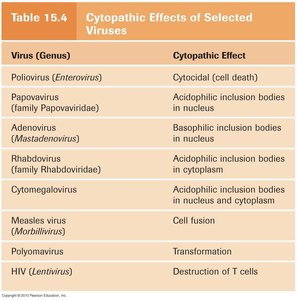
Viruses: Cause cytopathic effects such as cell death, inclusion bodies, cell fusion, transformation, and destruction of immune cells.
Fungi: Waste products, chronic infections provoke allergies, proteases, capsules, ergot toxin, aflatoxin, and neurotoxins.
Protozoa: Waste products, growth in phagocytes, antigenic variation.
Helminths: Use host tissue, interfere with host function, metabolic waste causes symptoms.

Portals of Exit and Spread
Transmission of Pathogens
Pathogens exit the host through specific portals, facilitating transmission to new hosts. Survival outside the host is essential for continued spread.
Respiratory Tract: Coughing, sneezing.
Gastrointestinal Tract: Fecal-oral transmission.
Genitourinary Tract: Sexually transmitted.
Skin and Blood: Biting arthropods, needles, syringes.
Spread Mechanisms: Direct contact, oral-fecal, pus, diarrhea, vomiting, discharges.
Host Factors for Infection
Susceptibility to Disease
Host factors influence susceptibility to infection and disease severity.
Impaired Body Defenses: Immunocompromised states (immunodeficiency, cancer, transplants, steroid medication).
Genetics: Genetic susceptibility (e.g., Mad-Cow, HIV).
Age: Infants and elderly are more susceptible.
Stress: Increased corticosteroids during stress can suppress immunity.
Malnutrition and Vitamin Deficiency: Reduce immune function.
----------------------------------------
