 Indietro
Microbial Metabolism and Biosynthesis: Study Notes for Microbiology
Guida di studio - Note intelligenti
 Appunti personalizzati basati sui tuoi materiali, ampliati con definizioni chiave, esempi e contesto.
Microbial Metabolism
Overview of Microbial Metabolic Pathways
Microbial metabolism encompasses the chemical reactions that allow microorganisms to obtain energy and build cellular components. The main metabolic pathways include glycolysis, the tricarboxylic acid (TCA) cycle, electron transport chain, fermentation, chemolithotrophy, and phototrophy. - Glycolysis: The breakdown of glucose to pyruvate, generating ATP and NADH. - TCA Cycle: Oxidizes pyruvate to CO2, producing NADH and FADH2 for the electron transport chain. - Electron Transport Chain: Transfers electrons from NADH/FADH2 to an external acceptor, generating ATP. - Fermentation: Occurs in the absence of external electron acceptors, regenerating NAD+ and producing reduced organic compounds. 
Fermentation
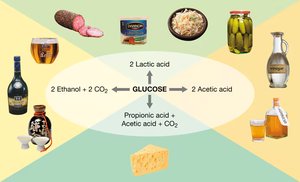
Fermentation is a metabolic process used by microbes to achieve redox balance when external electron acceptors are unavailable. Pyruvate acts as the internal electron acceptor, and its reduction leads to the formation of products such as ethanol, lactic acid, or other organic acids. - Yeast: Converts glucose to ethanol and CO2. - Lactic Acid Bacteria: Converts glucose to lactic acid. - Redox Balance: NADH is oxidized back to NAD+ by reducing pyruvate. 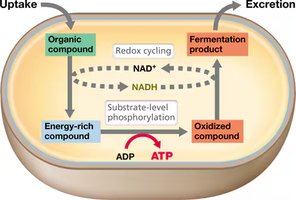
Energetics of Fermentation
Fermentation yields less ATP compared to respiration. Only 2 ATP are produced per glucose molecule via substrate-level phosphorylation. Fermentation products retain significant free energy. 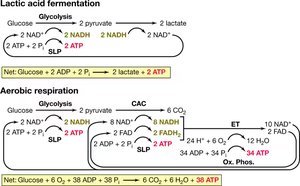
Respiration in E. coli
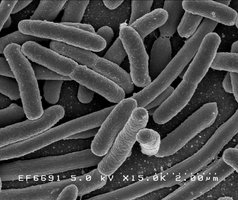
E. coli is a versatile chemoorganotroph capable of aerobic respiration, fermentation, and anaerobic respiration (using nitrate as an electron acceptor). Its electron transport chain contains multiple proteins, allowing adaptation to various conditions. 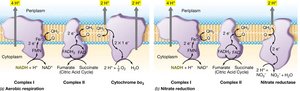
Chemolithotrophy
Chemolithotrophs use inorganic electron donors (e.g., H2S, H2, Fe2+, NH4+) for energy. Ralstonia eutropha grows aerobically with H2 as its electron donor, using hydrogenases for electron transport and NADH production. 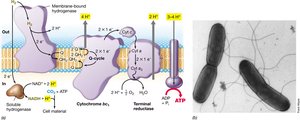
Phototrophy
Phototrophs harness light energy to drive electron flow and generate a proton motive force. ATP is produced by photophosphorylation. Phototrophy can be oxygenic (producing O2) or anoxygenic. 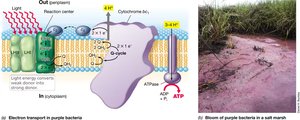
Catabolism and Anabolism
Catabolic Pathways
Catabolism involves the breakdown of compounds to generate ATP. Key pathways include glycolysis, TCA cycle, electron transport chain, and fermentation.
Anabolic Pathways
Anabolism is the synthesis of cellular molecules, consuming energy. Pathways include gluconeogenesis, reverse TCA cycle, pentose phosphate pathway, amino acid synthesis, protein synthesis, nucleotide synthesis, fatty acid synthesis, and lipid synthesis.
Autotrophic Biosynthesis
Calvin Cycle
The Calvin Cycle is used by autotrophs to fix CO2 into organic molecules. It requires NADPH, ATP, and key enzymes (RuBisCo and phosphoribulokinase). 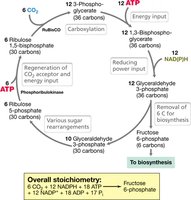
Nitrogen Fixation
Mechanism and Protection
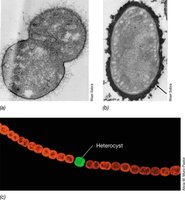
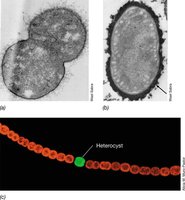
Many bacteria and archaea convert atmospheric N2 to ammonia via nitrogenase, which is oxygen-sensitive. Protective mechanisms include rapid respiration, slime layers, and heterocyst formation. 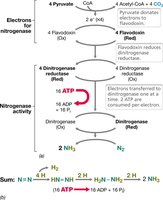
Gluconeogenesis
Reverse Glycolysis
Gluconeogenesis synthesizes glucose from non-carbohydrate precursors (pyruvate, lactate, glycerol, amino acids). It is highly endergonic and requires ATP. 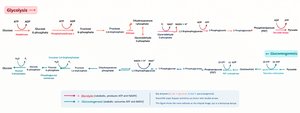
Pentose Phosphate Pathway
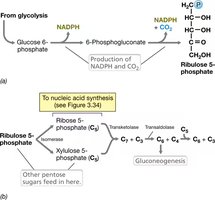
Production of Pentoses and NADPH
The pentose phosphate pathway generates C5 sugars (pentoses) and NADPH, essential for nucleotide synthesis and other biosynthetic reactions. 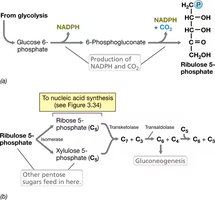
Amino Acid Biosynthesis
Carbon Skeletons and Nitrogen Incorporation
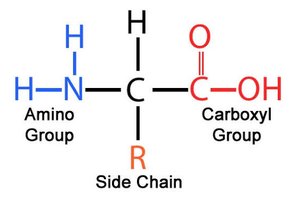
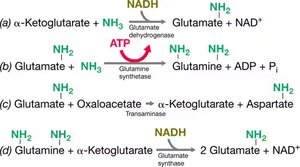
Microbes synthesize amino acids from glycolysis and TCA cycle intermediates. The amino group is typically derived from inorganic nitrogen sources (NH3), incorporated via glutamate dehydrogenase and glutamine synthetase. 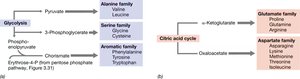
Nucleotide Biosynthesis
Purines and Pyrimidines
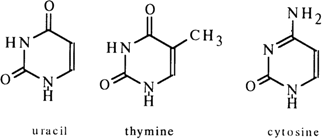
Purines and pyrimidines are synthesized atom by atom from carbon and nitrogen sources, including CO2. - Purines: Adenine and guanine. - Pyrimidines: Uracil, thymine, cytosine. 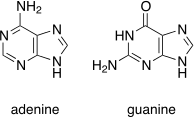
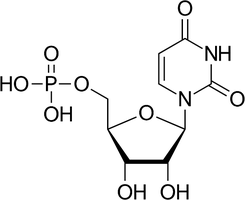
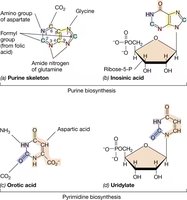
Fatty Acid and Lipid Biosynthesis
Fatty Acid Biosynthesis
Fatty acids are synthesized two carbons at a time by acyl carrier protein (ACP). Growth conditions affect chain length and saturation. 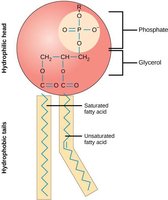
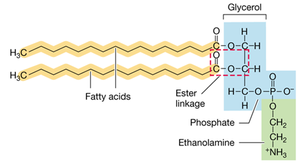
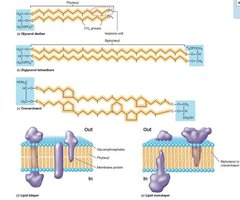
Lipid Biosynthesis
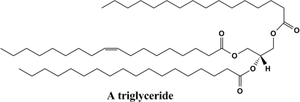
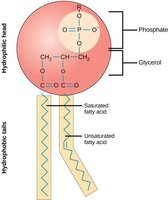
Lipids are major membrane components and energy reserves. Simple triglycerides are formed by esterifying glycerol with three fatty acids. One carbon may be modified with a polar group. 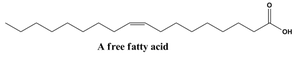

Summary Table: Key Metabolic Pathways
Pathway | Main Function | Key Products |
|---|---|---|
Glycolysis | Breakdown of glucose | ATP, NADH, pyruvate |
TCA Cycle | Oxidation of pyruvate | NADH, FADH2, CO2 |
Fermentation | Redox balance without external acceptor | Organic acids, alcohols |
Electron Transport Chain | ATP generation via electron transfer | ATP, H2O (or other reduced products) |
Calvin Cycle | CO2 fixation | Organic molecules |
Nitrogen Fixation | Conversion of N2 to NH3 | Ammonia |
Pentose Phosphate Pathway | Pentose and NADPH production | Pentoses, NADPH |
Amino Acid Synthesis | Protein building blocks | Amino acids |
Nucleotide Synthesis | DNA/RNA building blocks | Nucleotides |
Fatty Acid/Lipid Synthesis | Membrane and energy storage | Fatty acids, lipids |
