Indietro

Microbial Taxonomy, Classification, and Diversity: Study Notes

Guida di studio - Impara con i video

Lezioni curate abbinate al materiale che hai caricato – impara ogni argomento passo dopo passo.

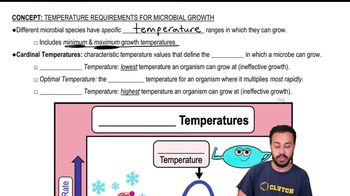
Temperature Requirements for Microbial Growth

  • Temperature Requirements for Microbial Growth
    04:16
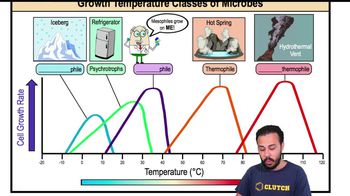
  • Classification of Microbes by Growth Temperature
    04:56
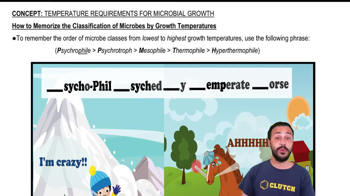
  • How to Memorize the Classification of Microbes by Growth Temperatures
    01:59

pH Requirements for Microbial Growth

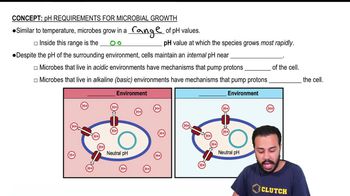
  • pH Requirements for Microbial Growth
    03:11
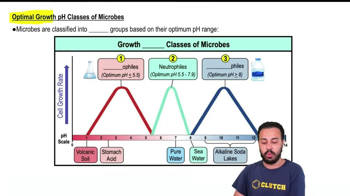
  • Optimal Growth pH Classes of Microbes
    03:23

Osmolarity Factors for Microbial Growth

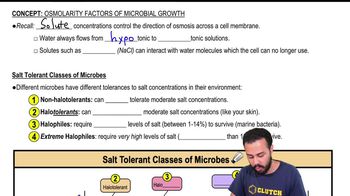
  • Osmolarity Factors for Microbial Growth
    06:30

Nutritional Factors of Microbial Growth

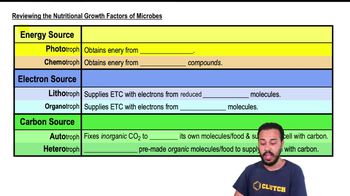
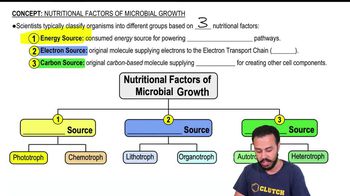
  • Reviewing the Nutritional Growth Factors of Microbes
    02:20
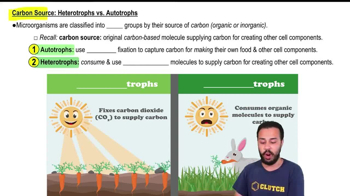
  • Carbon Source:Heterotrophs vs. Autotrophs
    02:59
  • Nutritional Factors of Microbial Growth
    02:57

Growth Factors

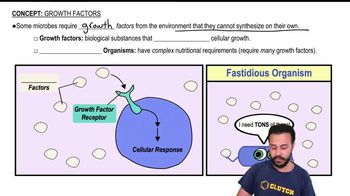
  • Growth Factors
    01:55

Introduction to Biofilms

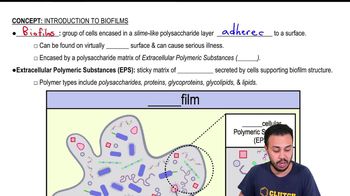
  • Introduction to Biofilms
    03:31

Biofilms

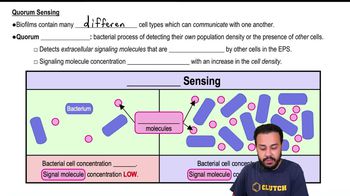
  • Quorum Sensing
    04:13
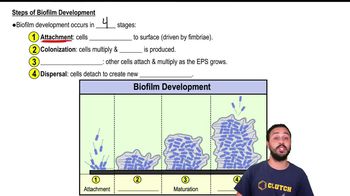
  • Steps of Biofilm Development
    04:32
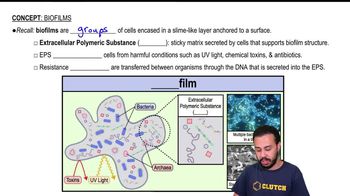
  • Biofilms
    03:14

Types of Solid Culture Media

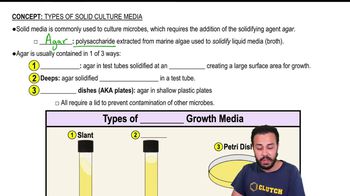
  • Types of Solid Culture Media
    03:16

Selective Media

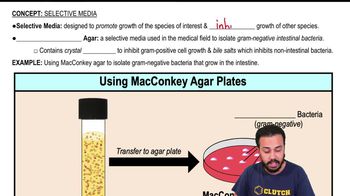
  • Selective Media
    03:27

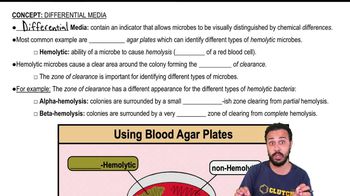
Differential Media

  • Differential Media
    04:34

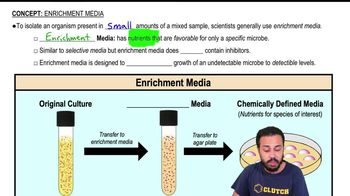
Enrichment Media

  • Enrichment Media
    04:20

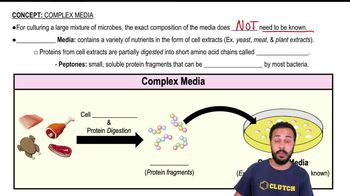
Complex Media

  • Complex Media
    02:59

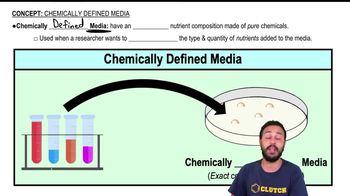
Chemically Defined Media

  • Chemically Defined Media
    01:53

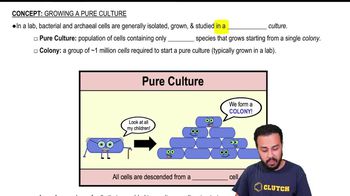
Growing a Pure Culture

  • Growing a Pure Culture
    02:58

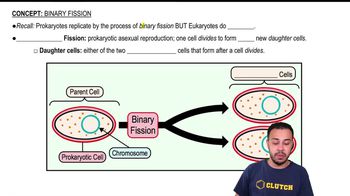
Binary Fission

  • Binary Fission
    02:16
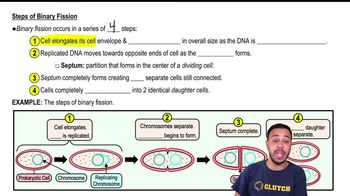
  • Steps of Binary Fission
    04:57

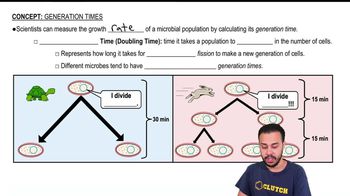
Generation Times

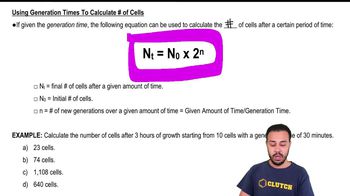
  • Calculating Generation Times
    05:48
  • Generation Times
    02:54

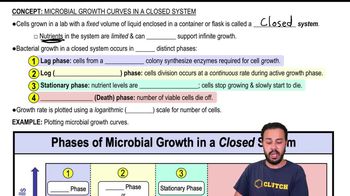
Microbial Growth Curves in a Closed System

  • Microbial Growth Curves in a Closed System
    08:59
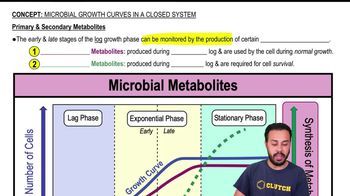
  • Primary & Secondary Metabolites
    02:33

Introduction to Cultivating Microbial Growth

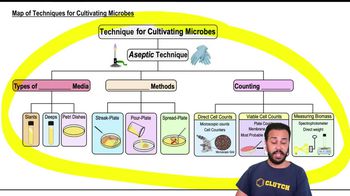
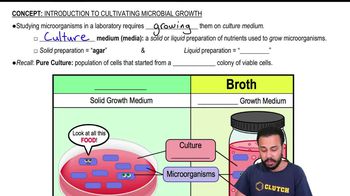
  • Map of Techniques for Cultivating Microbes
    02:05
  • Introduction to Cultivating Microbial Growth
    03:49

Introduction to Controlling Microbial Growth

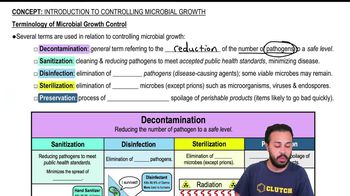
  • Terminology of Microbial Growth Control
    07:36
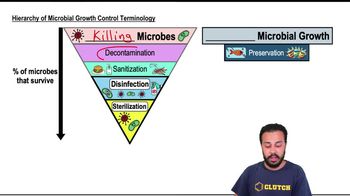
  • Hierarchy of Microbial Growth Control Terminology
    03:09
  • Situations Warranting Different Levels of Microbial Growth Control
    05:58

Physical Methods to Control Microbial Growth

  • Dry Heat
    02:58
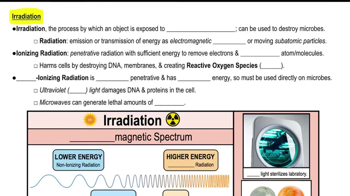
  • Irradiation
    06:18
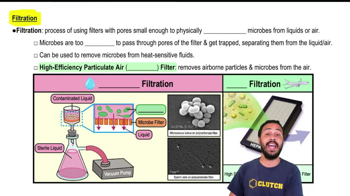
  • Filtration
    04:29

Chemical Methods to Control Microbial Growth

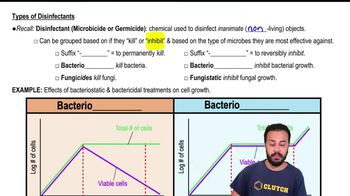
  • Types of Disinfectants
    05:21
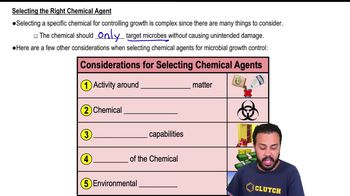
  • Selecting the Right Chemical Agent
    04:52
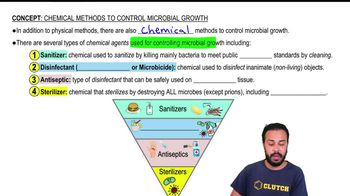
  • Chemical Methods to Control Microbial Growth
    03:58

Chemicals Used to Control Microbial Growth

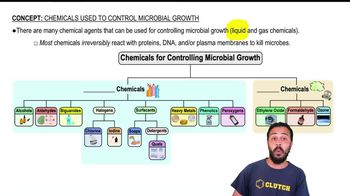
  • Chemicals Used to Control Microbial Growth
    02:29
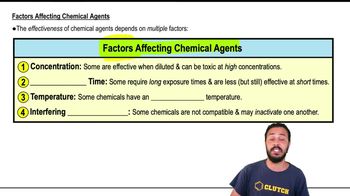
  • Factors Affecting Chemical Agents
    03:17

Selecting a Method to Control Microbial Growth

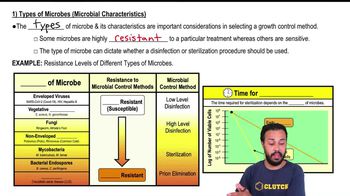
  • Types of Microbes (Microbial Characteristics)
    07:24
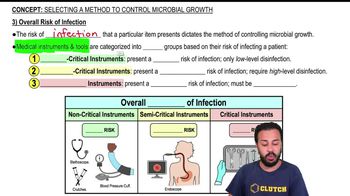
  • Overall Risk of Infection
    04:52
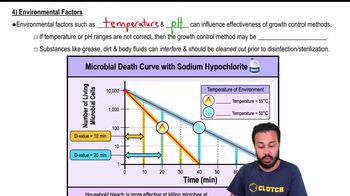
  • Environmental Factors
    04:18

Introduction to Microbial Genetics

  • Map of the Lesson on Microbial Genetics
    02:04
  • Introduction to Microbial Genetics
    04:20

Introduction to DNA Replication

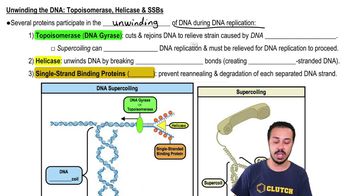
  • Unwinding the DNA:Topoisomerase, Helicase & SSBs
    05:10
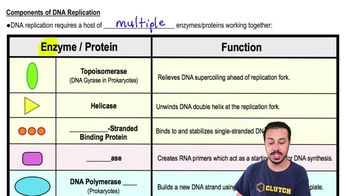
  • Components of DNA Replication
    04:47
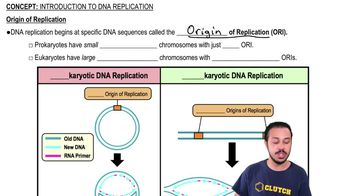
  • Origin of Replication
    03:33

DNA Polymerases

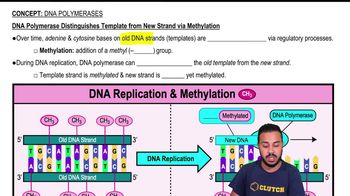
  • DNA Polymerase Distinguishes Template from New Strand via Methylation
    03:47
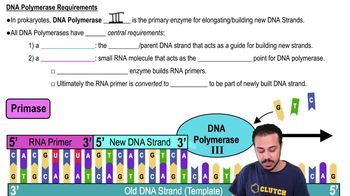
  • DNA Polymerases Requirements
    05:03
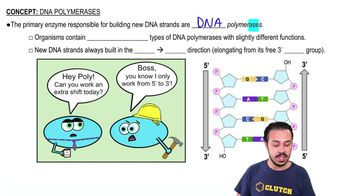
  • DNA Polymerases
    04:01

Leading & Lagging DNA Strands

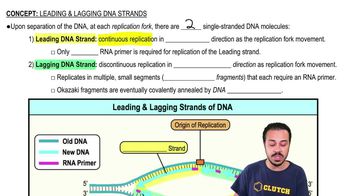
  • Leading & Lagging DNA Strands
    05:15

Steps of DNA Replication

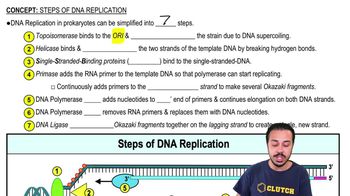
  • Steps of DNA Replication
    09:29

DNA Repair

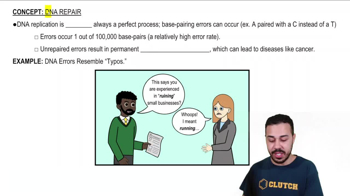
  • DNA Repair
    03:20
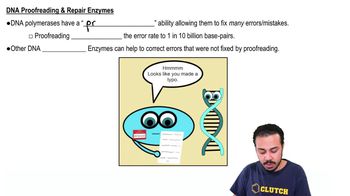
  • DNA Proofreading & Repair Enzymes
    02:12

Central Dogma

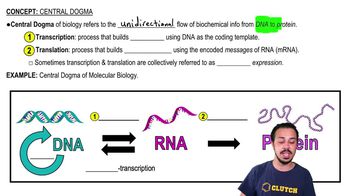
  • Central Dogma
    05:45

Introduction to Transcription

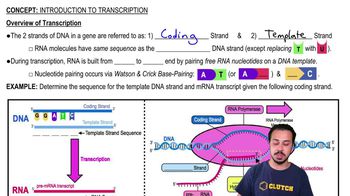
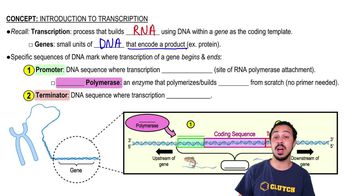
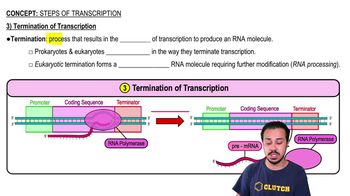
  • Overview of Transcription
    07:44
  • Introduction to Transcription
    05:51

Steps of Transcription

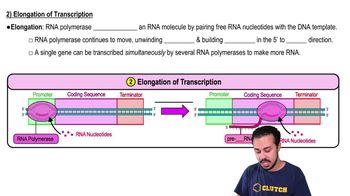
  • Elongation of Transcription
    02:44
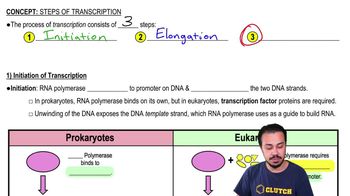
  • Initiation of Transcription
    04:16
  • Elongation of Transcription
    04:01

Introduction to Types of RNA

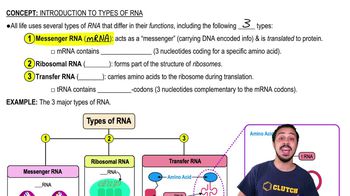
  • Introduction to Types of RNA
    07:20

Genetic Code

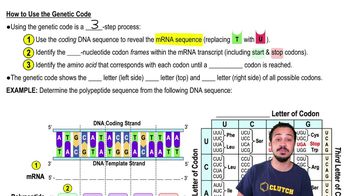
  • How to Use the Genetic Code
    11:39
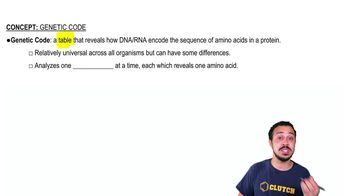
  • Genetic Code
    01:28

Introduction to Translation

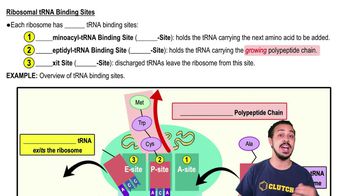
  • Ribosomal tRNA Binding Sites
    06:16
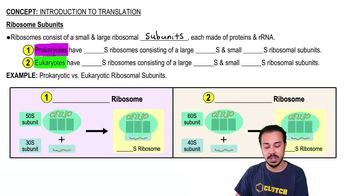
  • Ribosome Subunits
    08:42
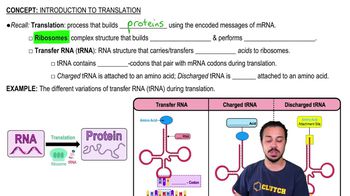
  • Introduction to Translation
    06:12

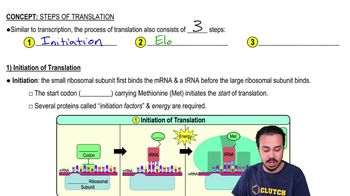
Steps of Translation

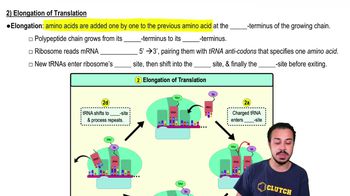
  • Elongation of Translation
    04:59
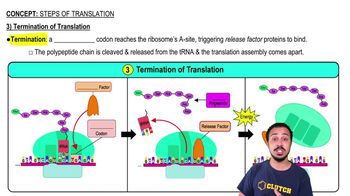
  • Termination of Translation
    02:16
  • Steps of Translation
    05:03

Prokaryotic Gene Expression

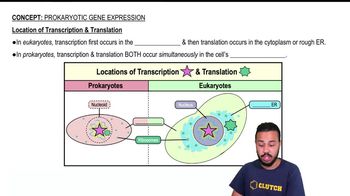
  • Location of Transcription & Translation
    03:17
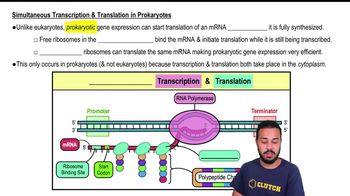
  • Simultaneous Transcription & Translation in Prokaryotes
    03:34
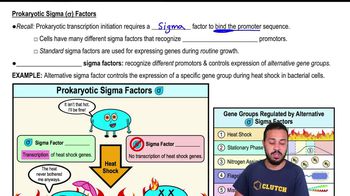
  • Prokaryotic Sigma (σ) Factors
    05:00

Introduction to Regulation of Gene Expression

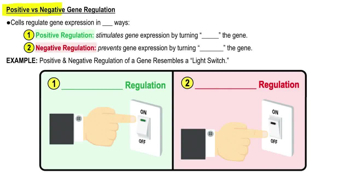
  • Positive vs Negative Gene Regulation
    02:17
  • Introduction to Regulation of Gene Expression
    06:40

Prokaryotic Gene Regulation via Operons

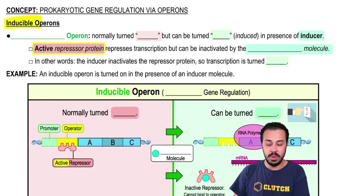
  • Inducible Operons
    04:25
  • Prokaryotic Gene Regulation via Operons
    00:53
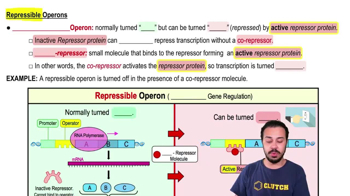
  • Repressible Operons
    03:42

The Lac Operon

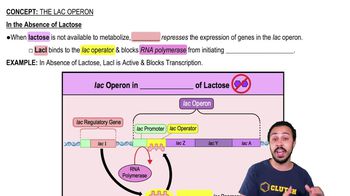
  • In the Absence of Lactose
    04:34
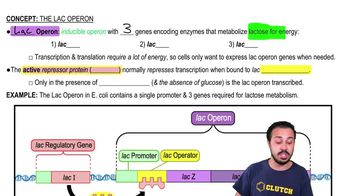
  • The Lac Operon
    07:06
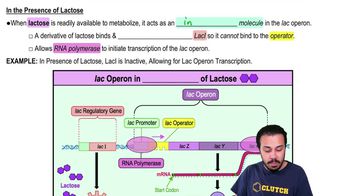
  • In the Presence of Lactose
    03:56
The Trp Operon

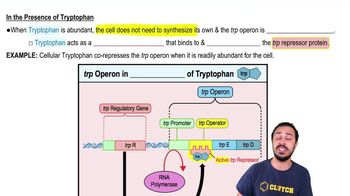
  • In the Presence of Tryptophan
    03:11
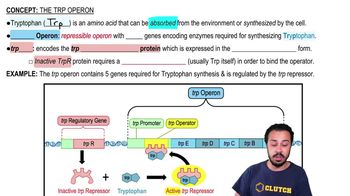
  • The Trp Operon
    05:30
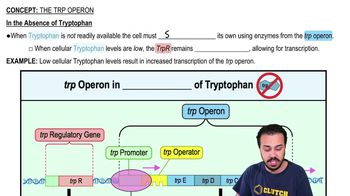
  • In the Absence of Tryptophan
    03:42

Introduction to Mutations

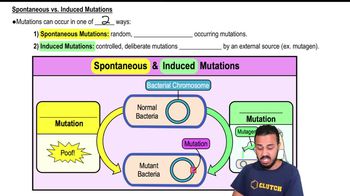
  • Spontaneous vs. Induced Mutations
    02:47
  • Introduction to Mutations
    00:37
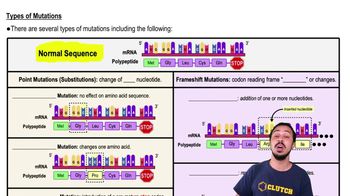
  • Types of Mutations
    08:44

DNA Repair Mechanisms

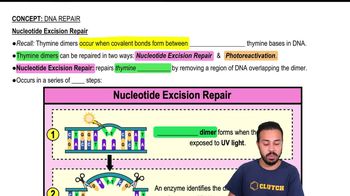
  • Nucleotide Excision Repair
    03:31
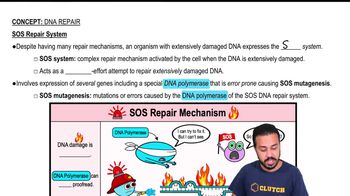
  • SOS Repair System
    03:50
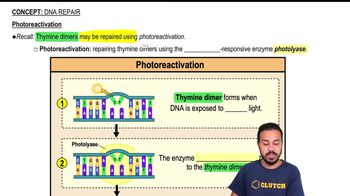
  • Photoreactivation
    02:29

Horizontal Gene Transfer

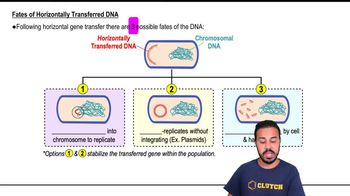
  • Fates of Horizontally Transferred DNA
    03:13
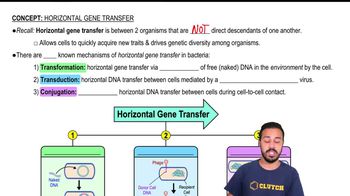
  • Horizontal Gene Transfer
    04:42
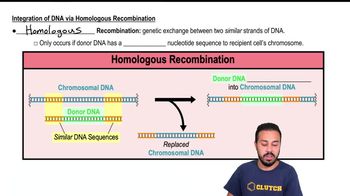
  • Integration of DNA via Homologous Recombination
    02:52

Bacterial Transformation

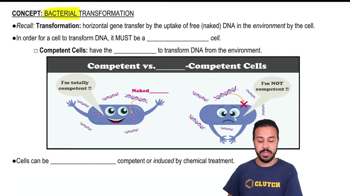
  • Bacterial Transformation
    03:06
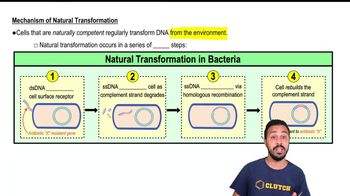
  • Mechanism of Natural Transformation
    03:49

Transduction

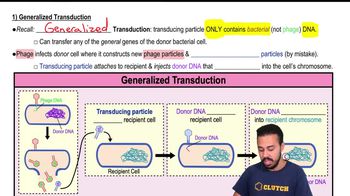
  • Generalized Transduction
    04:24
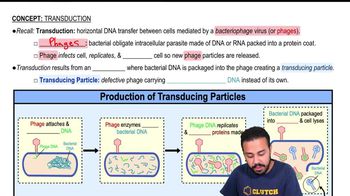
  • Transduction
    06:49
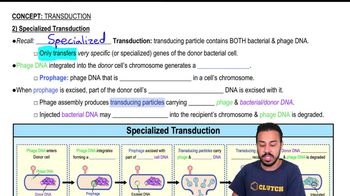
  • Specialized Transduction
    06:34

Introduction to Conjugation

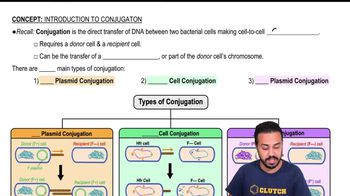
  • Introduction to Conjugation
    04:21

Genome Variability

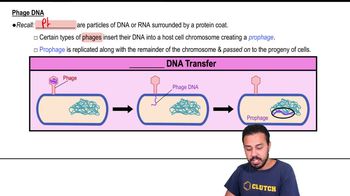
  • Phage DNA
    01:44
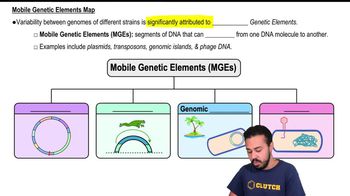
  • Genome Variability
    01:59
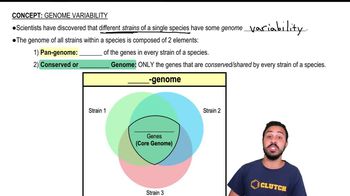
  • Genome Variability
    03:18

CRISPR CAS

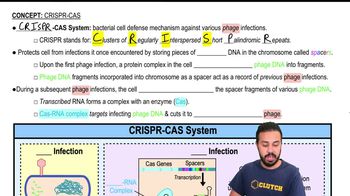
  • CRISPR CAS
    07:43

Introduction to DNA-Based Technology

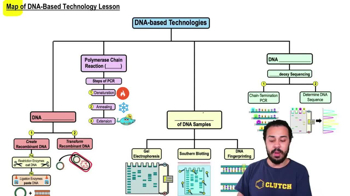
  • Map of DNA-Based Technology Lesson
    03:12
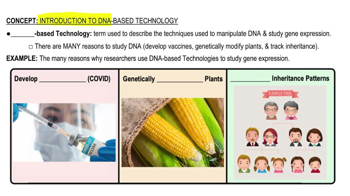
  • Introduction to DNA-Based Technology
    02:30

Introduction to DNA Cloning

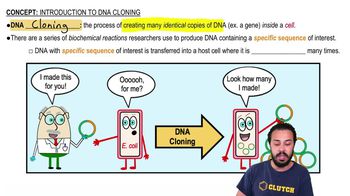
  • Introduction to DNA Cloning
    02:25
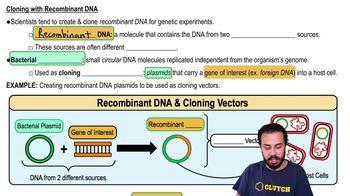
  • Cloning with Recombinant DNA
    03:41

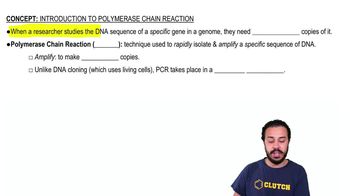
Introduction to Polymerase Chain Reaction

  • Introduction to Polymerase Chain Reaction
    01:31
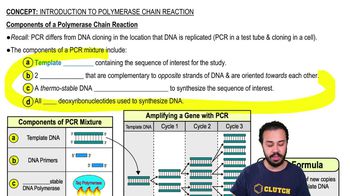
  • Components of a Polymerase Chain Reaction
    05:57
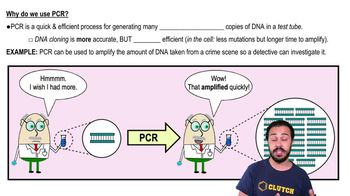
  • Why do we use PCR?
    02:53

The Steps of PCR

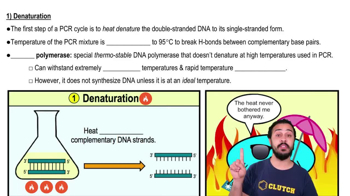
  • 1) Denaturation
    03:33
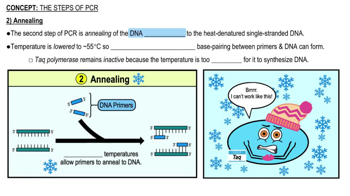
  • 2) Annealing
    02:56
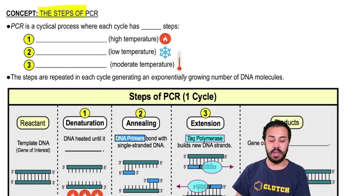
  • The Steps of PCR
    04:39

Gel Electrophoresis

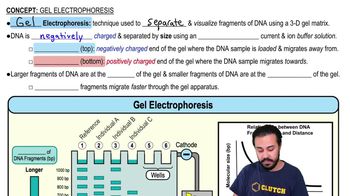
  • Gel Electrophoresis
    07:58
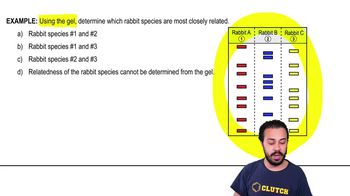
  • Gel Electrophoresis Example 1
    02:34

DNA Fingerprinting

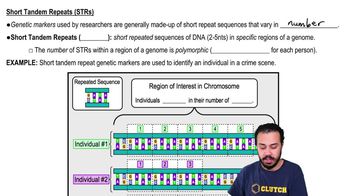
  • Short Tandem Repeats (STRs)
    03:41
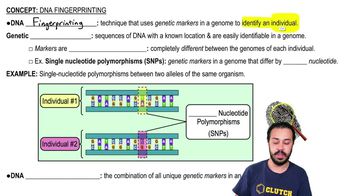
  • DNA Fingerprinting
    03:30

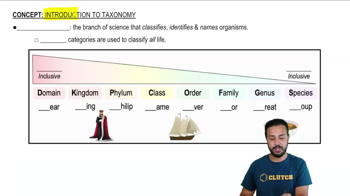
Introduction to Taxonomy

  • Introduction to Taxonomy Example 2
    01:37
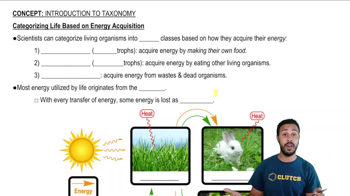
  • Categorizing Life Based on Energy Acquisition
    06:14
  • Introduction to Taxonomy
    02:23

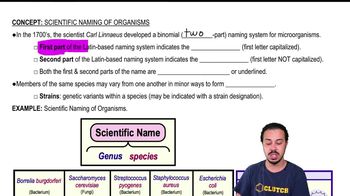
Scientific Naming of Organisms

  • Scientific Naming of Organisms
    05:22

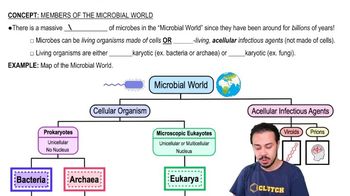
Members of the Bacterial World

  • Members of the Bacterial World
    06:17

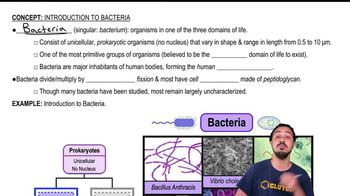
Introduction to Bacteria

  • Introduction to Bacteria
    06:18

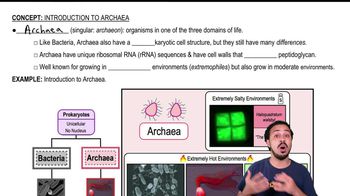
Introduction to Archaea

  • Introduction to Archaea
    04:39

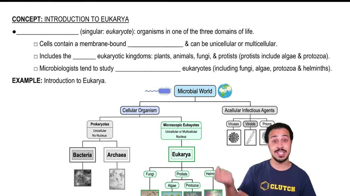
Introduction to Eukarya

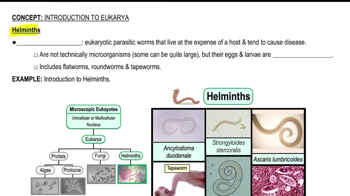
  • Helminths
    01:27
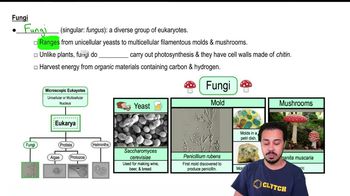
  • Fungi
    02:49
  • Introduction to Eukarya
    03:28

The Human Microbiome

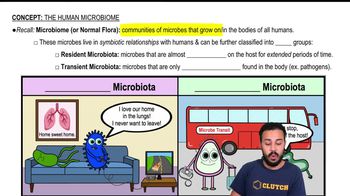
  • The Human Microbiome
    03:25
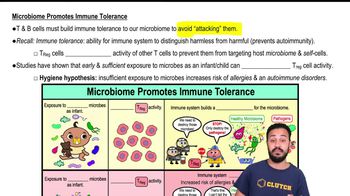
  • Microbiome Promotes Immune Tolerance
    05:48
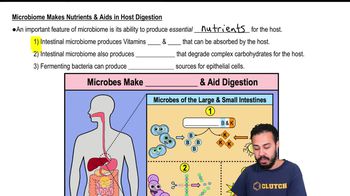
  • Microbiome Makes Nutrients & Aids in Host Digestion
    03:26

Importance of Microorganisms

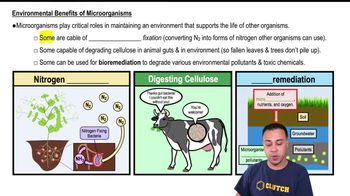
  • Environmental Benefits of Microorganisms
    04:27
  • Importance of Microorganisms
    01:25
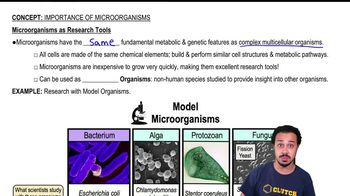
  • Microorganisms as Research Tools
    03:48