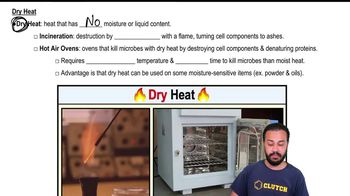
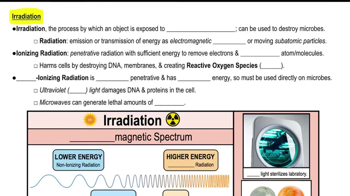
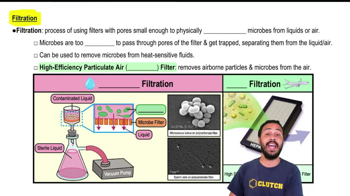
Physical Methods to Control Microbial Growth
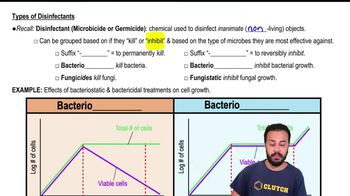
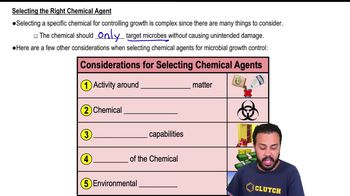
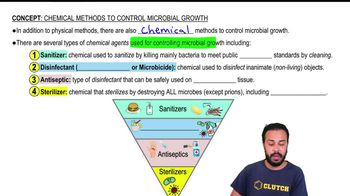
Chemical Methods to Control Microbial Growth
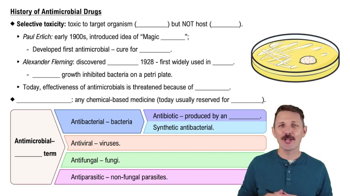
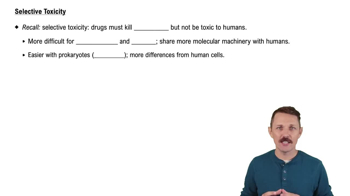
Introduction to Antimicrobial Drugs
How Antimicrobial Drugs Work
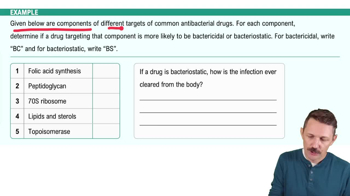
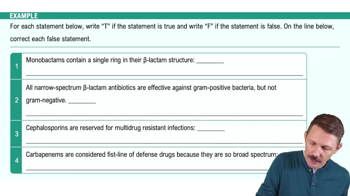
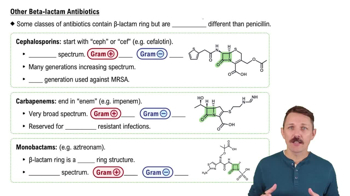
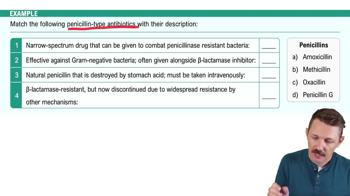
Inhibitors of Cell Wall Synthesis: Beta-lactam & Penicillin
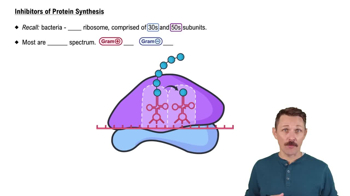
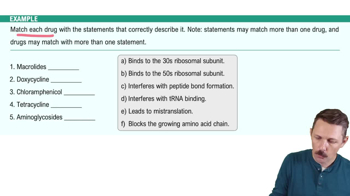
Inhibitors of Protein Synthesis
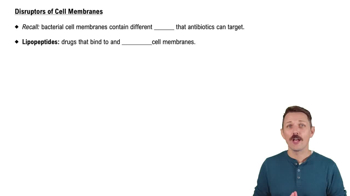
Disruptors of Cell Membranes
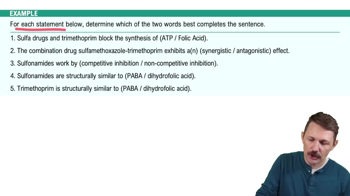
Competitive Inhibitors of Metabolic Pathways
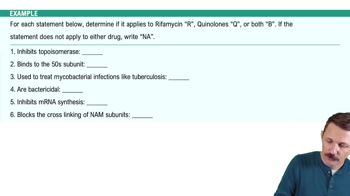
Inhibitors of Nucleic Acid Synthesis
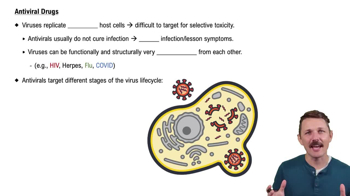
Antiviral Drugs
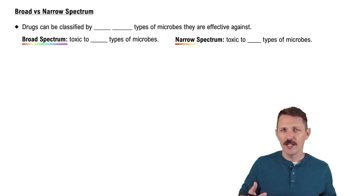
Broad vs Narrow Spectrum Drugs
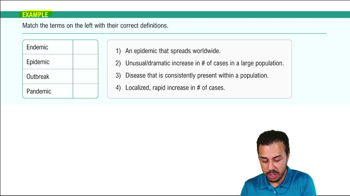
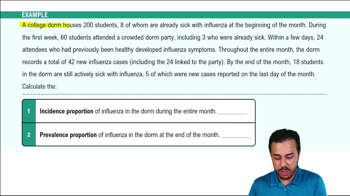
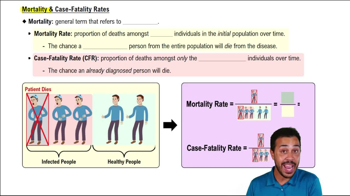
Introduction to Epidemiology
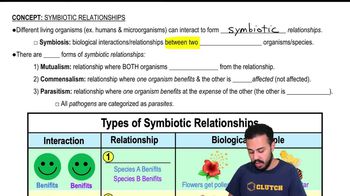
Symbiotic Relationships
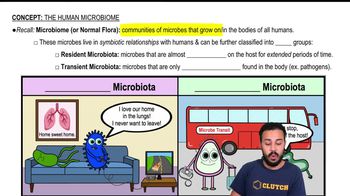
The Human Microbiome
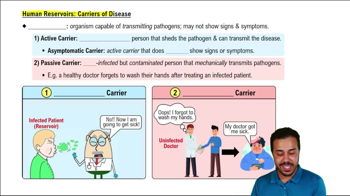
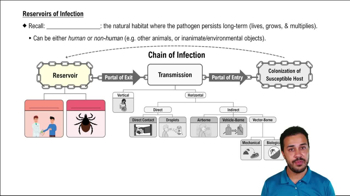
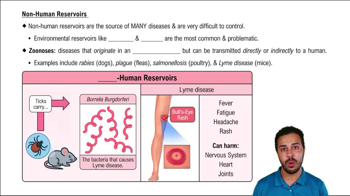
Reservoirs of Infection
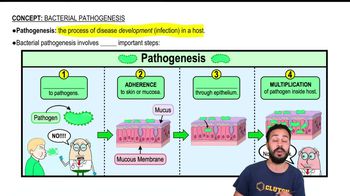
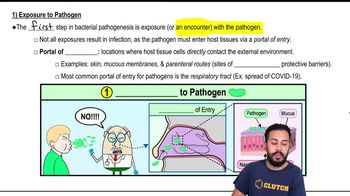
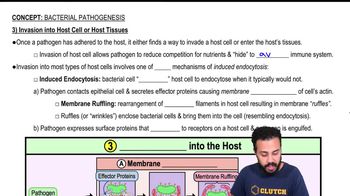
Bacterial Pathogenesis
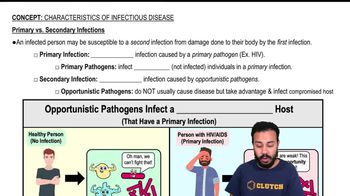
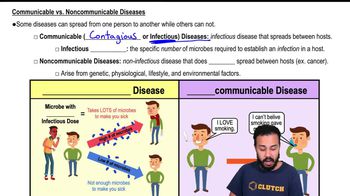
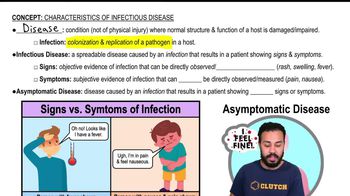
Characteristics of Infectious Disease
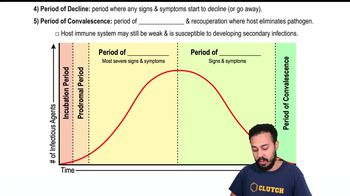
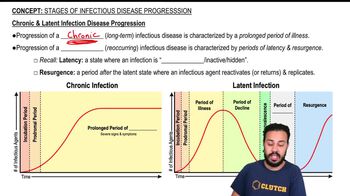
Stages of Infectious Disease Progression
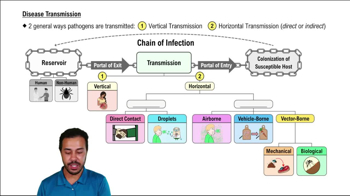
Disease Transmission
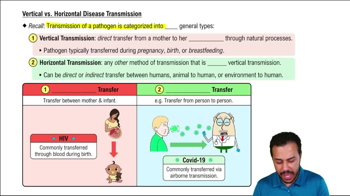
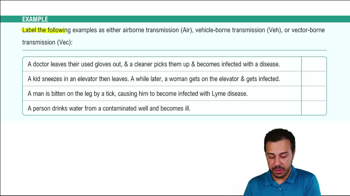
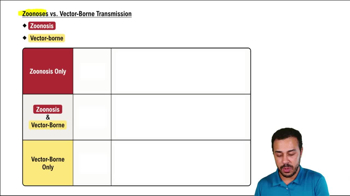
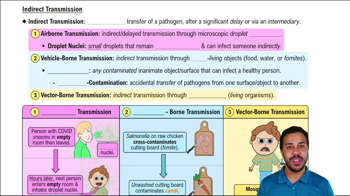
Horizontal Disease Transmission
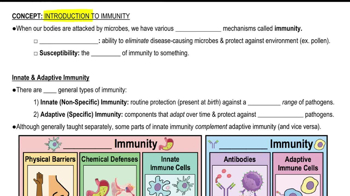
Introduction to Immunity
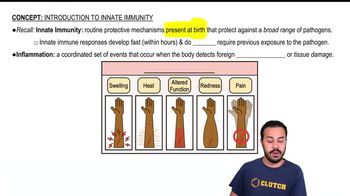
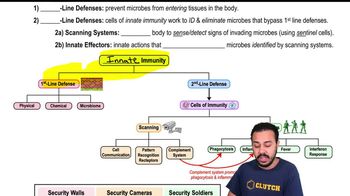
Introduction to Innate Immunity
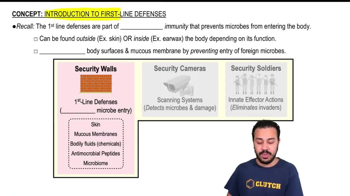
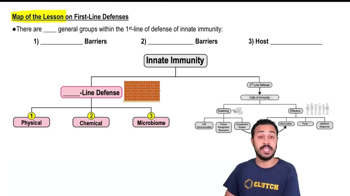
Introduction to First-Line Defenses
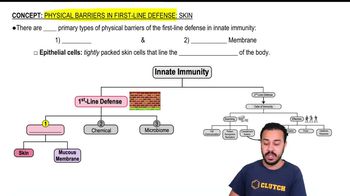
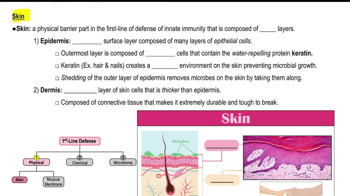
Physical Barriers in First-Line Defenses: Skin
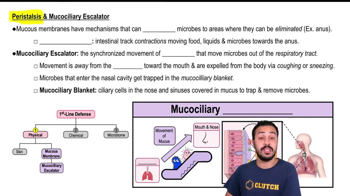
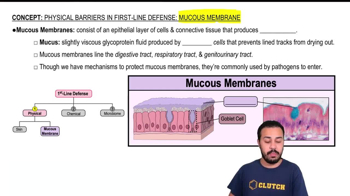
Physical Barriers in First-Line Defenses: Mucous Membrane
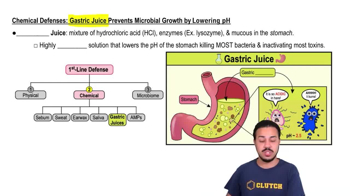
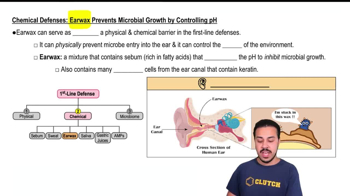
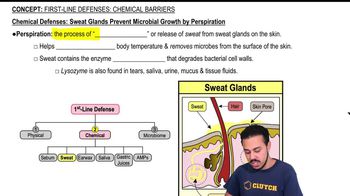
First-Line Defenses: Chemical Barriers
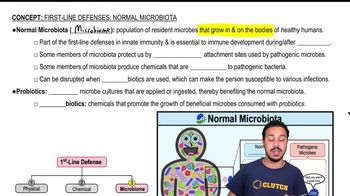
First-Line Defenses: Normal Microbiota
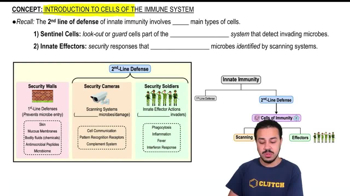
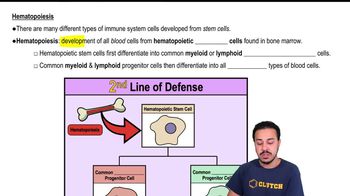
Introduction to Cells of the Immune System
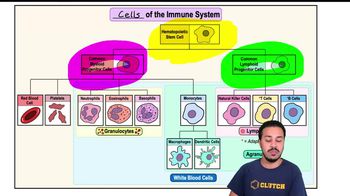
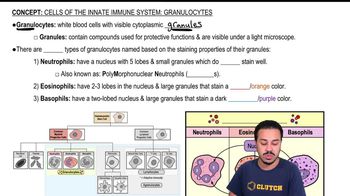
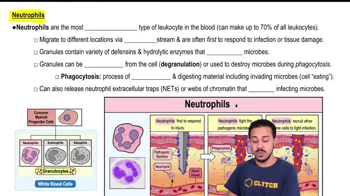
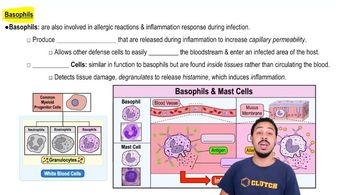
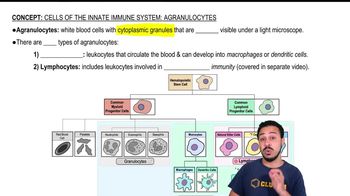
Cells of the Immune System: Granulocytes
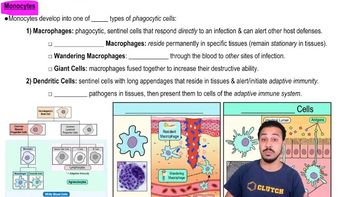
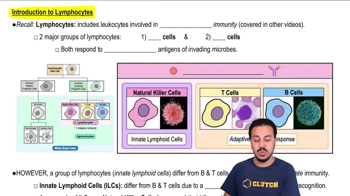
Cells of the Immune System: Agranulocytes
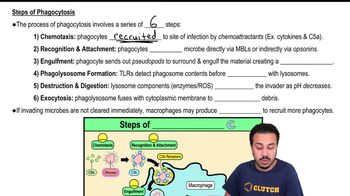
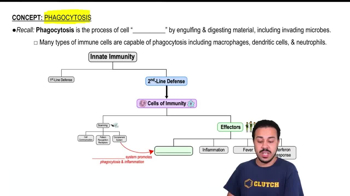
Phagoctytosis
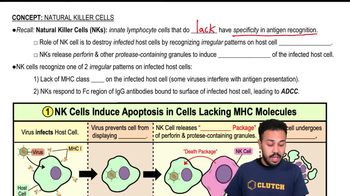
Natural Killer Cells
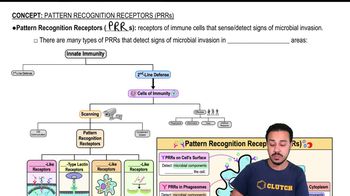
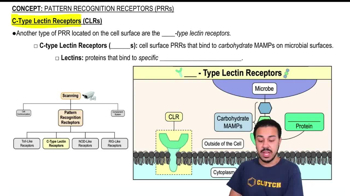
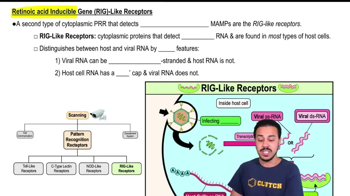
Pattern Recognition Receptors (PRRs)
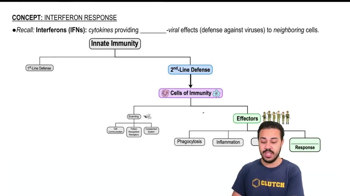
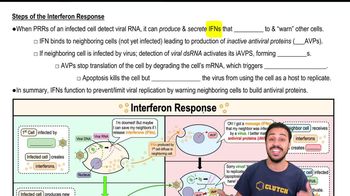
Interferon Response
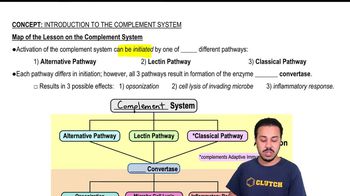
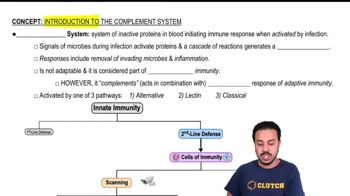
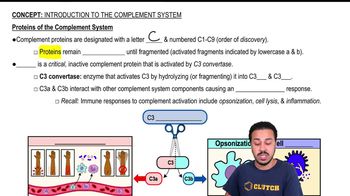
Introduction to the Complement System
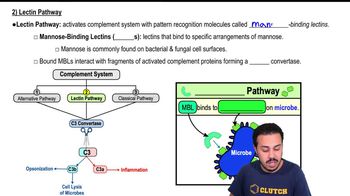
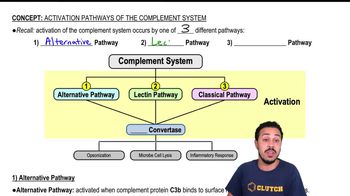
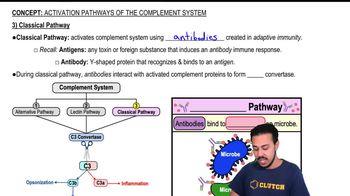
Activation Pathways of the Complement System
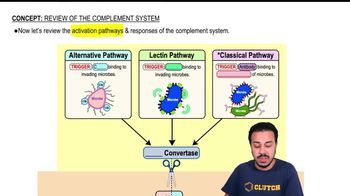
Review of the Complement System
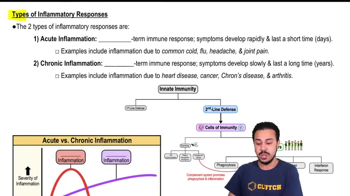
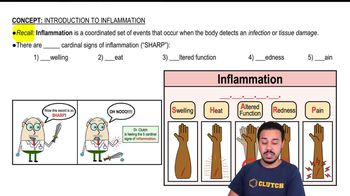
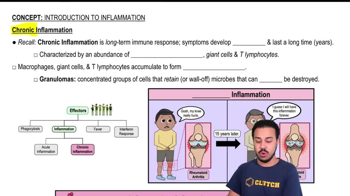
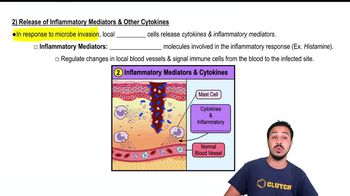
Introduction to Inflammation
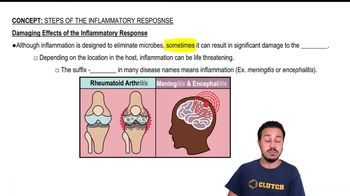
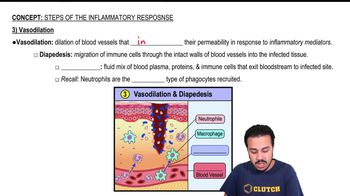
Steps of the Inflammatory Response
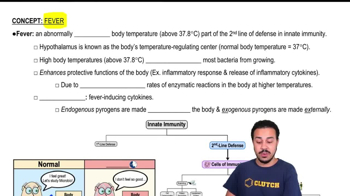
Fever
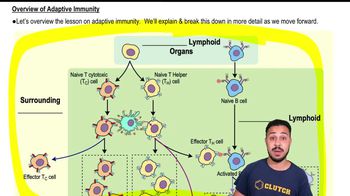
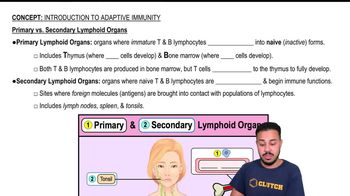
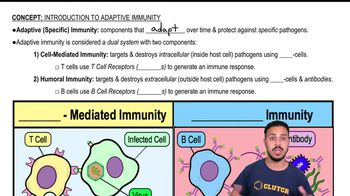
Introduction to Adaptive Immunity
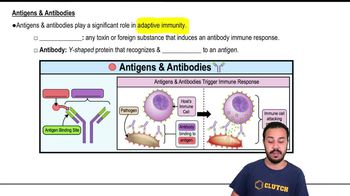
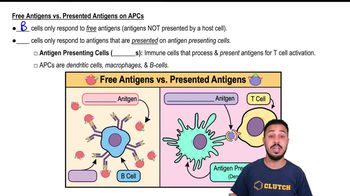
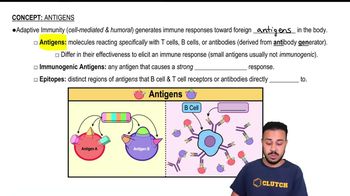
Antigens
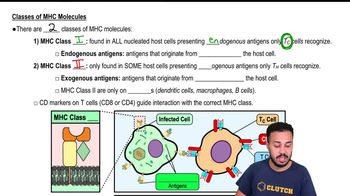
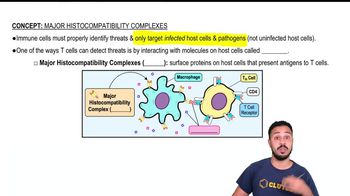
Major Histocompatibility Complex Molecules
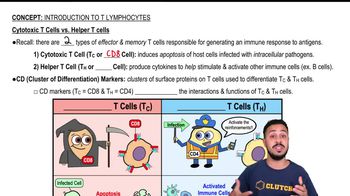
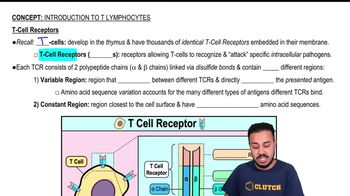
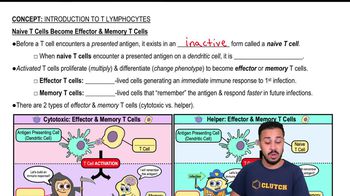
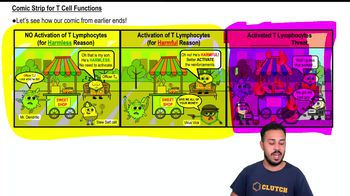
Introduction to T Lymphocytes
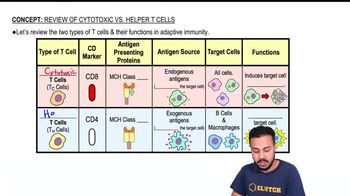
Review of Cytotoxic vs Helper T Cells
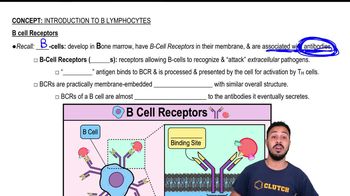
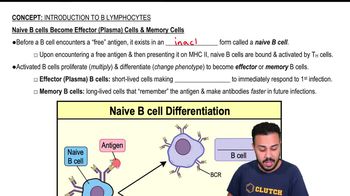
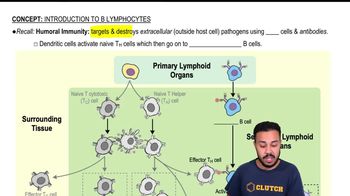
Introduction to B Lymphocytes
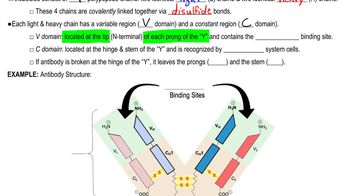
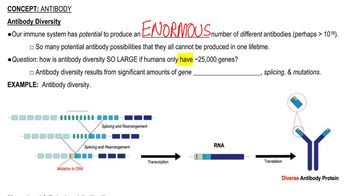
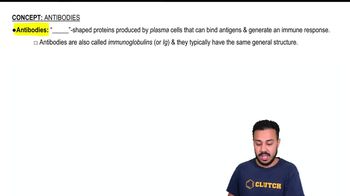
Antibodies
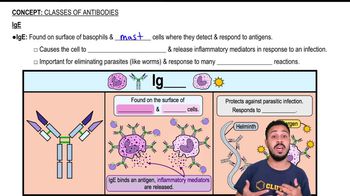
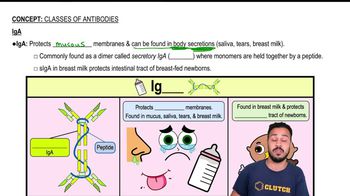
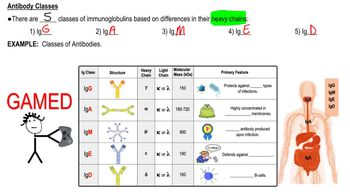
Classes of Antibodies
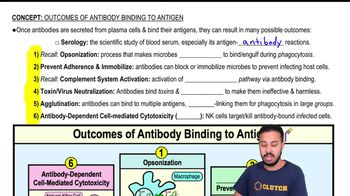
Outcomes of Antibody Binding to Antigen
 Indietro
 Lezioni curate abbinate al materiale che hai caricato – impara ogni argomento passo dopo passo.
 02:58