Indietro

Microbiology Exam 1 Review: History, Cell Structure, Growth, Classification, and Infectious Agents

Guida di studio - Impara con i video

Lezioni curate abbinate al materiale che hai caricato – impara ogni argomento passo dopo passo.

Introduction to Microbiology

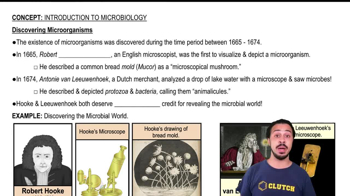
  • Discovering Microorganisms
    03:36
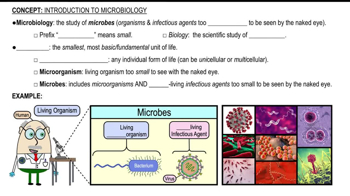
  • Introduction to Microbiology
    07:27
  • Introduction to Microbiology Channel
    1:29

Scientific Method

  • Scientific Method Example 1
    01:35
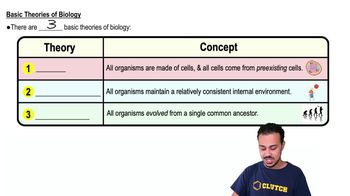
  • Basic Theories of Biology
    03:03
  • Scientific Method
    06:29

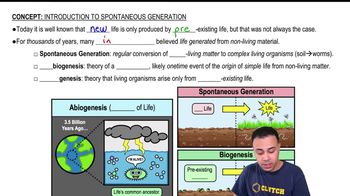
Introduction to Spontaneous Generation

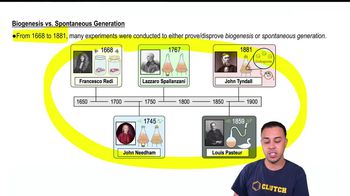
  • Biogenesis vs. Spontaneous Generation
    02:05
  • Introduction to Spontaneous Generation
    05:59

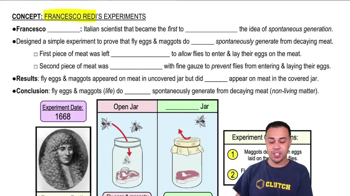
Francesco Redi's Experiments

  • Francesco Redi's Experiments
    05:16

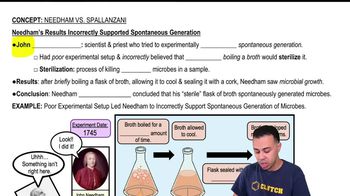
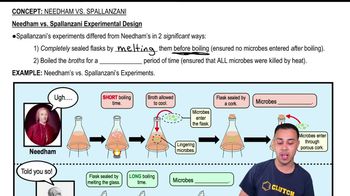
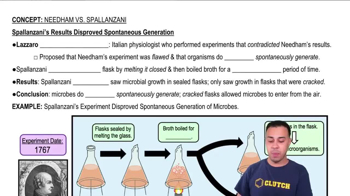
Needham vs. Spallanzani

  • Needham vs. Spallanzani
    05:56
  • Needham vs. Spallanzani Experimental Design
    05:34
  • Spallanzani’s Results Disproved Spontaneous Generation
    07:22

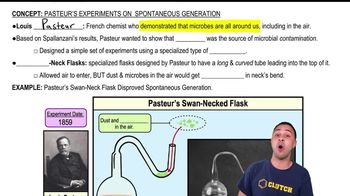
Pasteur's Experiments on Spontaneous Generation

  • Pasteur's Experiments on Spontaneous Generation
    03:50
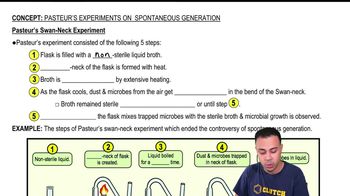
  • Pasteur’s Swan-Neck Experiment
    05:58

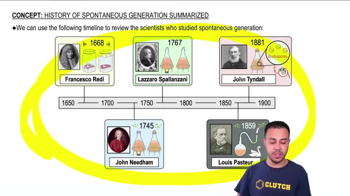
History of Spontaneous Generation Summarized

  • History of Spontaneous Generation Summarized
    03:56

Introduction to Taxonomy

  • Introduction to Taxonomy Example 2
    01:37
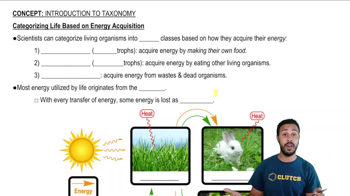
  • Categorizing Life Based on Energy Acquisition
    06:14
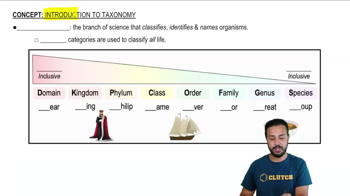
  • Introduction to Taxonomy
    02:23

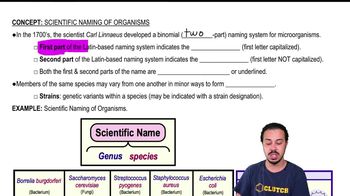
Scientific Naming of Organisms

  • Scientific Naming of Organisms
    05:22

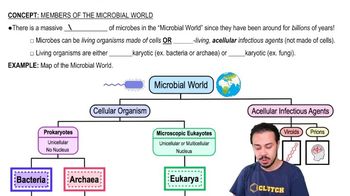
Members of the Bacterial World

  • Members of the Bacterial World
    06:17

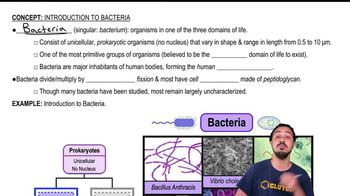
Introduction to Bacteria

  • Introduction to Bacteria
    06:18

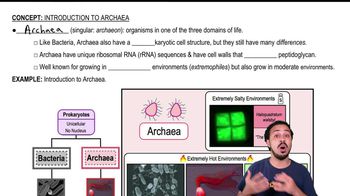
Introduction to Archaea

  • Introduction to Archaea
    04:39

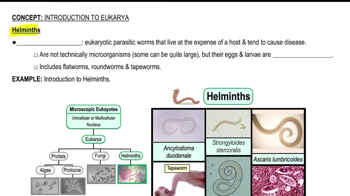
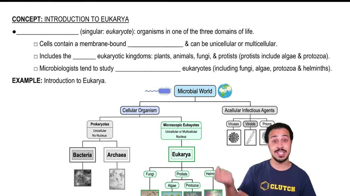
Introduction to Eukarya

  • Helminths
    01:27
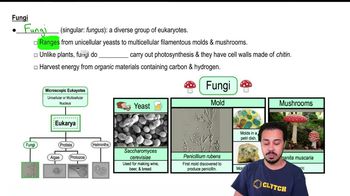
  • Fungi
    02:49
  • Introduction to Eukarya
    03:28

Bacterial Cell Morphology & Arrangements

  • Types of Bacterial Cell Morphology
    02:44
  • Bacterial Cell Morphology & Arrangements
    01:13
  • Bacilli Bacterial Cell Arrangements
    03:56

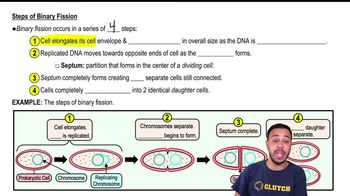
Binary Fission

  • Binary Fission
    02:16
  • Steps of Binary Fission
    04:57

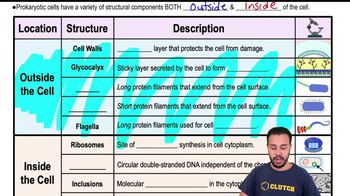
Overview of Prokaryotic Cell Structure

  • Overview of Prokaryotic Cell Structure
    05:59

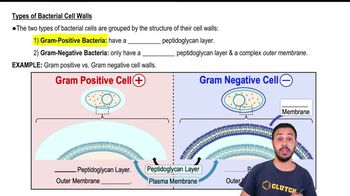
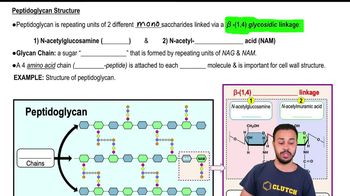
Introduction to Bacterial Cell Walls

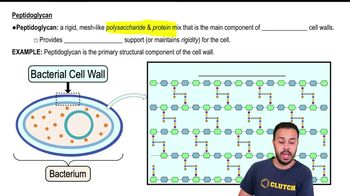
  • Peptidoglycan
    01:58
  • Types of Bacterial Cell Walls
    02:44
  • Peptidoglycan Structure
    04:44

Gram-Positive Cell Walls

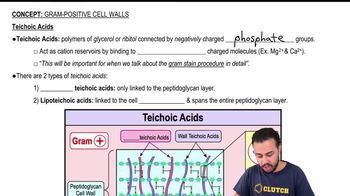
  • Teichoic Acids
    03:58
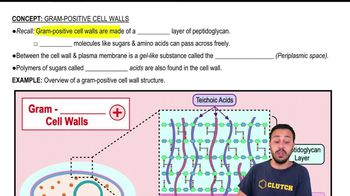
  • Gram-Positive Cell Walls
    02:59

Gram-Negative Cell Walls

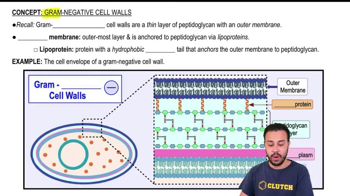
  • Gram-Negative Cell Walls
    3:04
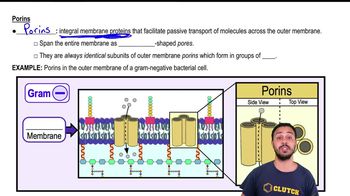
  • Porins
    02:18
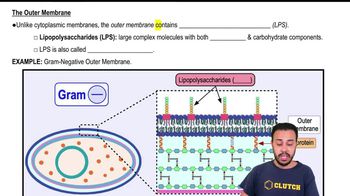
  • The Outer Membrane
    02:15

Gram-Positive vs. Gram-Negative Cell Walls

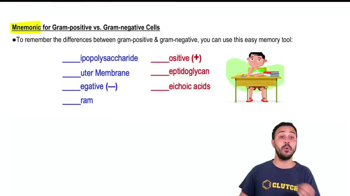
  • Mnemonic for Gram-Positive vs. Gram-Negative Cell Walls
    01:41
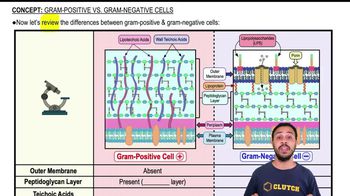
  • Gram-Positive vs. Gram-Negative Cell Walls
    04:46

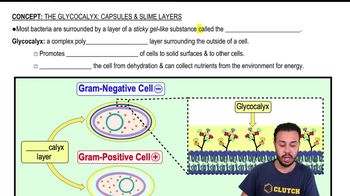
The Glycocalyx: Capsules & Slime Layers

  • The Glycocalyx: Capsules & Slime Layers
    02:26
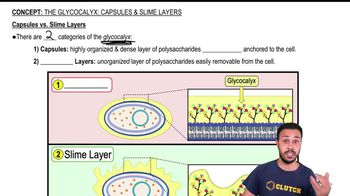
  • Capsules vs. Slime Layers
    01:53

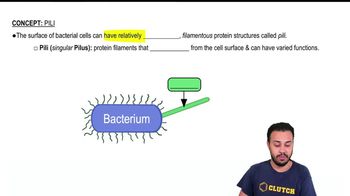
Pili

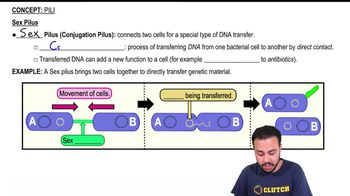
  • Sex Pilus
    03:29
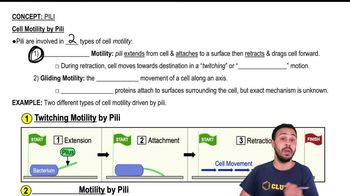
  • Cell Motility by Pili
    02:59
  • Pili
    01:02

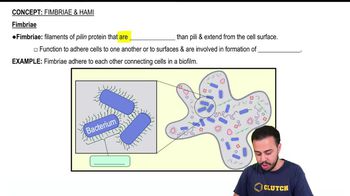
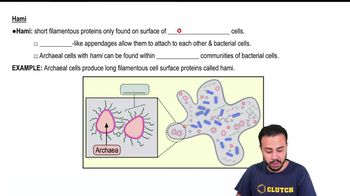
Fimbriae & Hami

  • Fimbriae & Hami
    01:52
  • Hami
    01:51

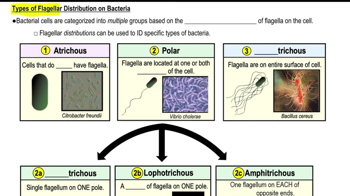
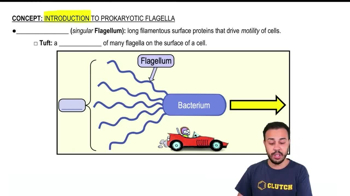
Introduction to Prokaryotic Flagella

  • Types of Flagellar Distribution on Bacteria
    05:22
  • Introduction to Prokaryotic Flagella
    02:07

Biofilms

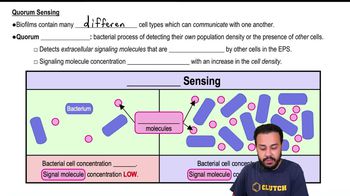
  • Quorum Sensing
    04:13
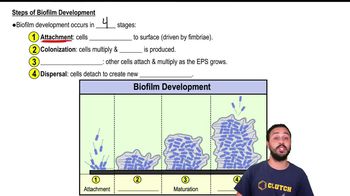
  • Steps of Biofilm Development
    04:32
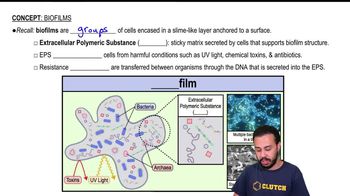
  • Biofilms
    03:14

Endospores

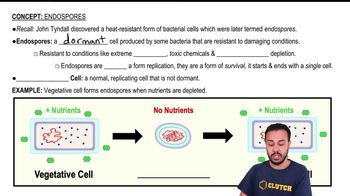
  • Endospores
    05:35
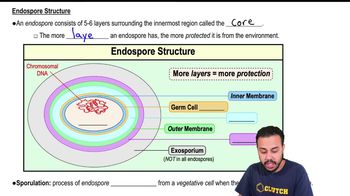
  • Endospore Structure
    03:08

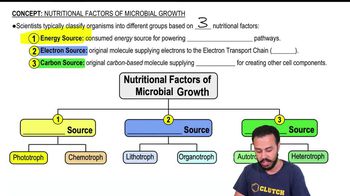
Nutritional Factors of Microbial Growth

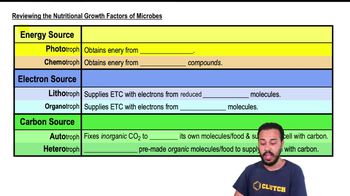
  • Reviewing the Nutritional Growth Factors of Microbes
    02:20
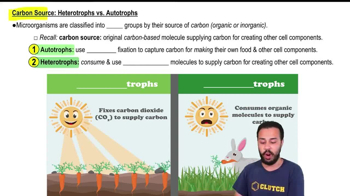
  • Carbon Source:Heterotrophs vs. Autotrophs
    02:59
  • Nutritional Factors of Microbial Growth
    02:57

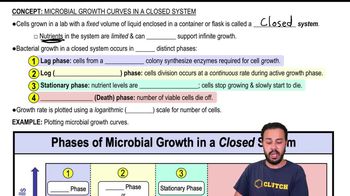
Microbial Growth Curves in a Closed System

  • Microbial Growth Curves in a Closed System
    08:59
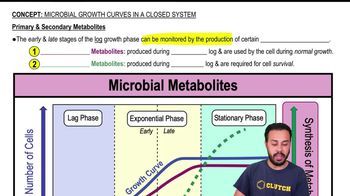
  • Primary & Secondary Metabolites
    02:33

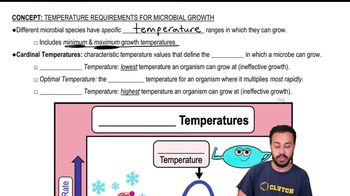
Temperature Requirements for Microbial Growth

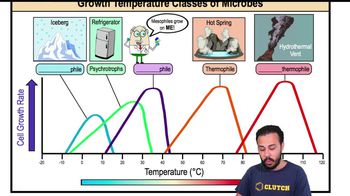
  • Temperature Requirements for Microbial Growth
    04:16
  • Classification of Microbes by Growth Temperature
    04:56
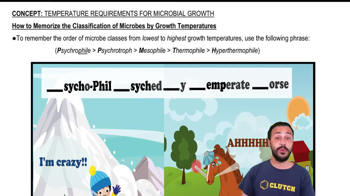
  • How to Memorize the Classification of Microbes by Growth Temperatures
    01:59

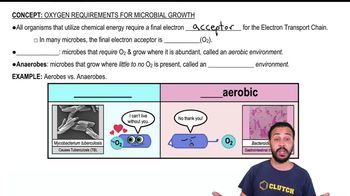
Oxygen Requirements for Microbial Growth

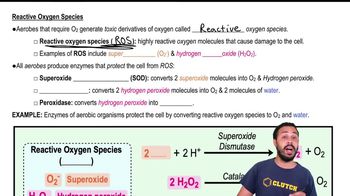
  • Reactive Oxygen Species
    04:43
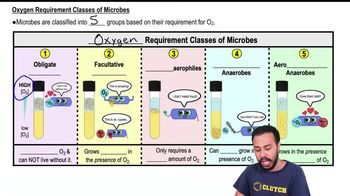
  • Oxygen Requirement Classes of Microbes
    07:27
  • Oxygen Requirements for Microbial Growth
    03:52

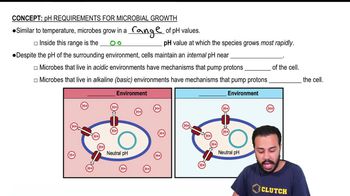
pH Requirements for Microbial Growth

  • pH Requirements for Microbial Growth
    03:11
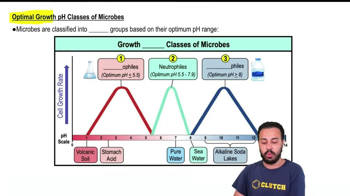
  • Optimal Growth pH Classes of Microbes
    03:23

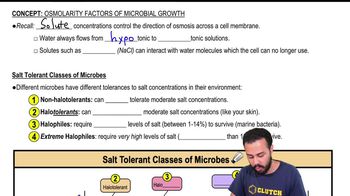
Osmolarity Factors for Microbial Growth

  • Osmolarity Factors for Microbial Growth
    06:30

Nutritional Factors of Microbial Growth

  • Reviewing the Nutritional Growth Factors of Microbes
    02:20
  • Carbon Source:Heterotrophs vs. Autotrophs
    02:59
  • Nutritional Factors of Microbial Growth
    02:57

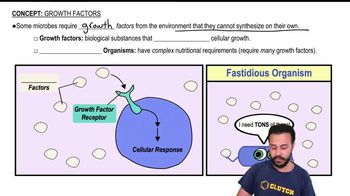
Growth Factors

  • Growth Factors
    01:55

Introduction to Cultivating Microbial Growth

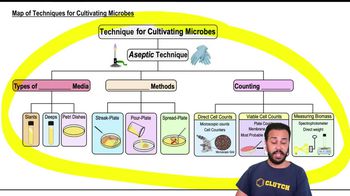
  • Map of Techniques for Cultivating Microbes
    02:05
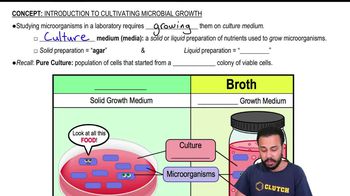
  • Introduction to Cultivating Microbial Growth
    03:49

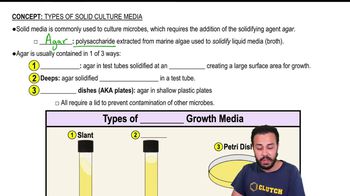
Types of Solid Culture Media

  • Types of Solid Culture Media
    03:16

Plating Methods

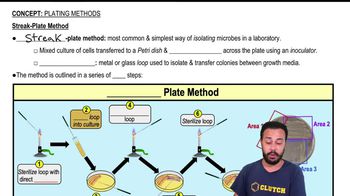
  • Streak-Plate Method
    05:16
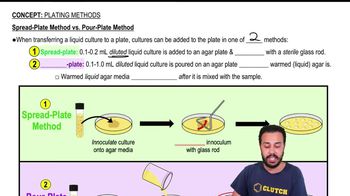
  • Spread-Plate Method vs. Pour-Plate Method
    05:36
Measuring Growth by Direct Cell Counts

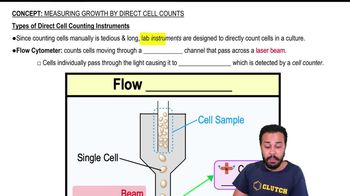
  • Types of Direct Cell Counting Instruments
    02:32
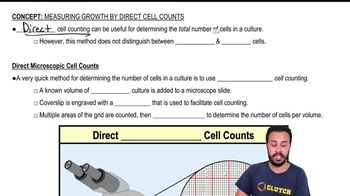
  • Direct Microscopic Cell Counts
    03:28

Measuring Growth by Plate Counts

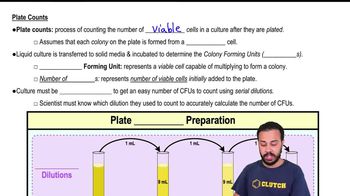
  • Measuring Growth by Plate Counts
    07:16
  • Measuring Growth by Plate Counts
    01:36
Measuring Growth by Biomass

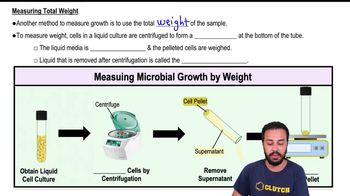
  • Measuring Total Weight
    03:27
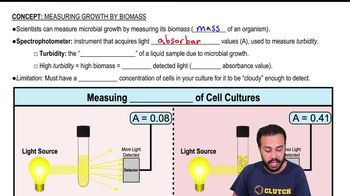
  • Measuring Growth by Biomass
    05:58

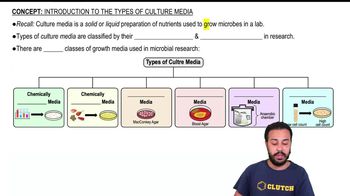
Introduction to the Types of Culture Media

  • Introduction to the Types of Culture Media
    02:42

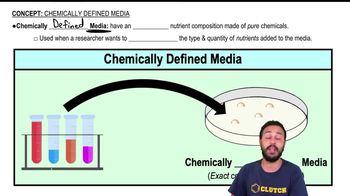
Chemically Defined Media

  • Chemically Defined Media
    01:53

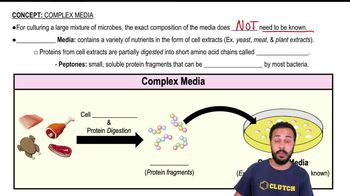
Complex Media

  • Complex Media
    02:59

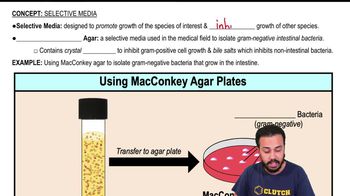
Selective Media

  • Selective Media
    03:27

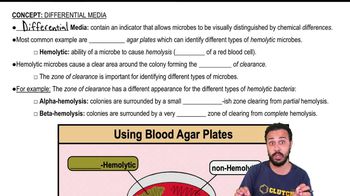
Differential Media

  • Differential Media
    04:34

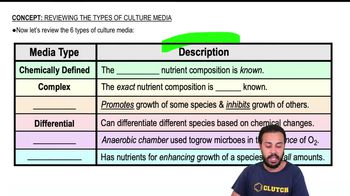
Reviewing the Types of Culture Media

  • Reviewing the Types of Culture Media
    02:55

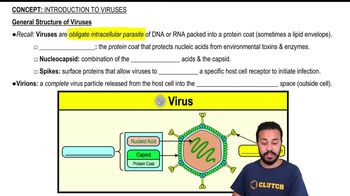
Introduction to Viruses

  • General Structure of Viruses
    04:47
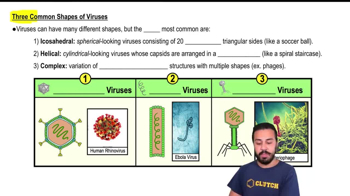
  • Three Common Shapes of Viruses
    03:19
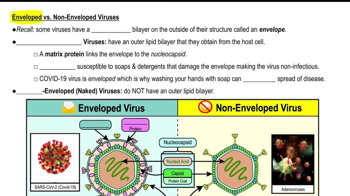
  • Enveloped vs. Non-Enveloped Viruses
    05:09

Introduction to Bacteriophage Infections

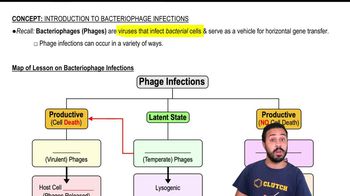
  • Map of Lesson on Bacteriophage Infections
    03:52
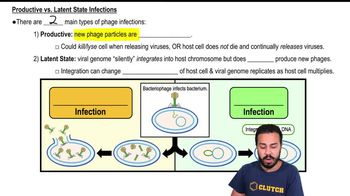
  • Productive vs. Latent State Infections
    04:09
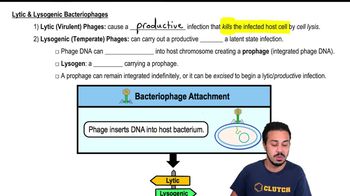
  • Lytic & Lysogenic Bacteriophages
    04:34

Bacteriophage: Lytic Phage Infections

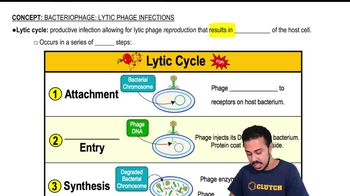
  • Bacteriophage: Lytic Phage Infections
    04:58

Bacteriophage: Lysogenic Phage Infections

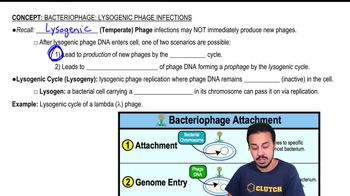
  • Bacteriophage: Lysogenic Phage Infections
    05:27
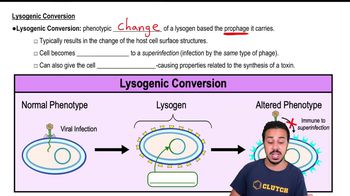
  • Lysogenic Conversion
    03:37

Introduction to Animal Virus Infections

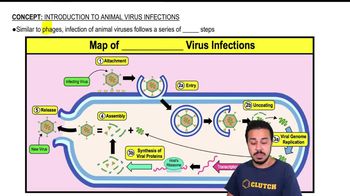
  • Introduction to Animal Virus Infections
    02:33
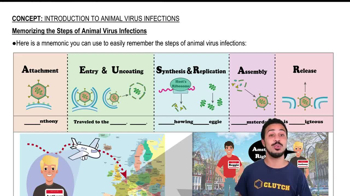
  • Memorizing the Steps of Animal Virus Infections
    01:40

Animal Viruses: 1. Attachment to the Host Cell

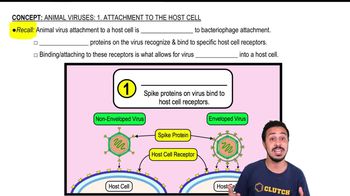
  • Animal Viruses: 1. Attachment to the Host Cell
    03:12

Animal Viruses: 2. Entry & Uncoating in the Host Cell

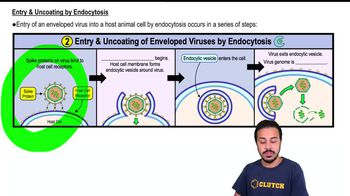
  • Entry & Uncoating by Endocytosis
    02:29
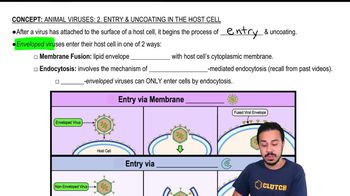
  • Animal Viruses: 2. Entry & Uncoating in the Host Cell
    04:29
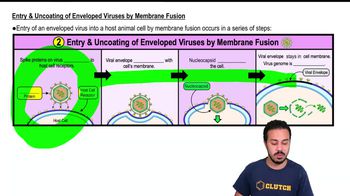
  • Entry & Uncoating of Enveloped Viruses by Membrane Fusion
    02:59

Animal Viruses: 3. Synthesis & Replication

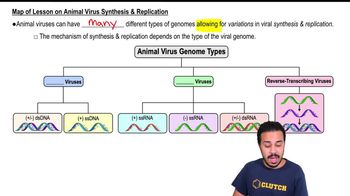
  • Map of Lesson on Animal Virus Synthesis & Replication
    03:34
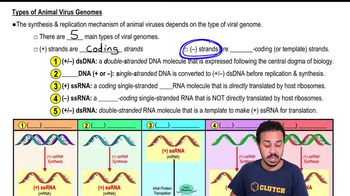
  • Types of RNA Virus Genomes
    10:46
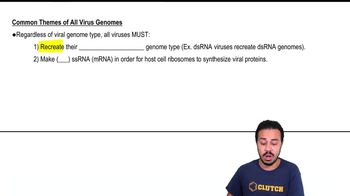
  • Common Themes of All Virus Genomes
    02:58

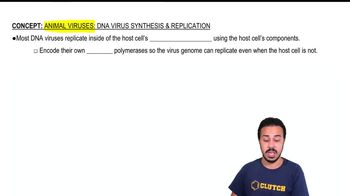
Animal Viruses: DNA Virus Synthesis & Replication

  • Animal Viruses: DNA Virus Synthesis & Replication
    01:10
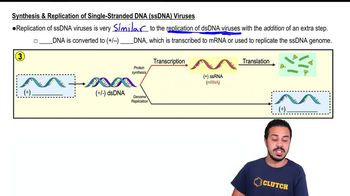
  • Replication of Single-Stranded DNA (ssDNA) Viruses
    04:12
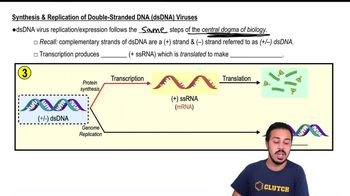
  • Replication of Double-Stranded DNA (dsDNA) Viruses
    03:58

Animal Viruses: RNA Virus Synthesis & Replication

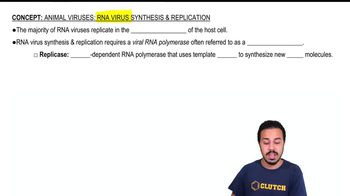
  • Animal Viruses: RNA Virus Synthesis & Replication
    01:30
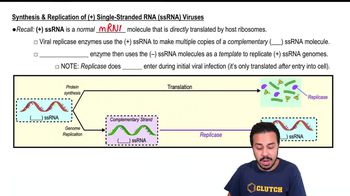
  • Replication of (+) Single Strand RNA (ssRNA) Viruses
    03:52
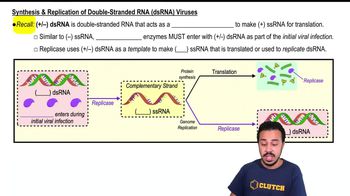
  • Replication of Double-Stranded RNA Viruses
    04:28

Animal Viruses: 4. Assembly Inside Host Cell

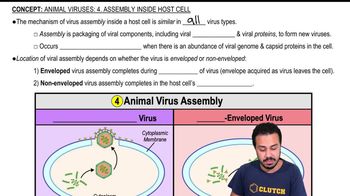
  • Animal Viruses: 4. Assembly Inside Host Cell
    04:26
Animal Viruses: 5. Release from Host Cell

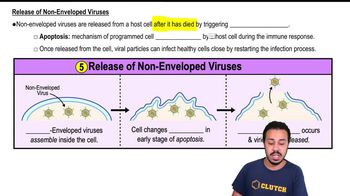
  • Release of Non-Enveloped Viruses
    02:34
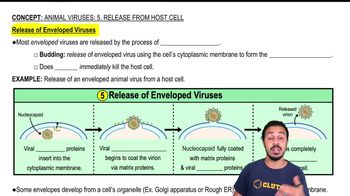
  • Release of Enveloped Viruses
    05:08

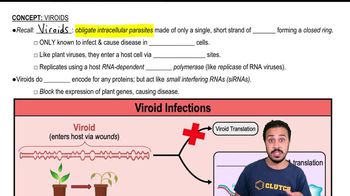
Viroids

  • Viroids
    03:49

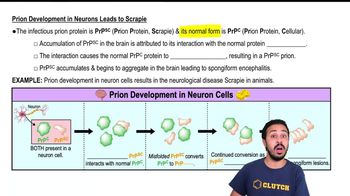
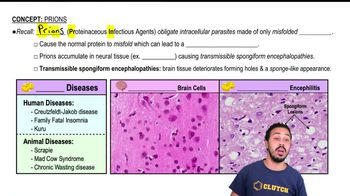
Prions

  • Prion Development in Neurons Leads to Scrapie
    04:00
  • Prions
    03:05