Indietro

Microbiology Exam 2 Study Guide: Genetics, Classification, Prokaryotes, Eukaryotes, Viruses, and Disease Principles

Guida di studio - Impara con i video

Lezioni curate abbinate al materiale che hai caricato – impara ogni argomento passo dopo passo.

Introduction to Microbial Genetics

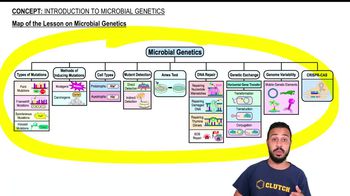
  • Map of the Lesson on Microbial Genetics
    02:04
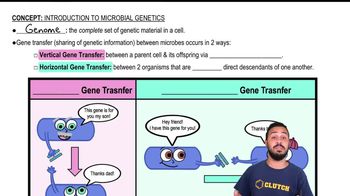
  • Introduction to Microbial Genetics
    04:20

Introduction to Mutations

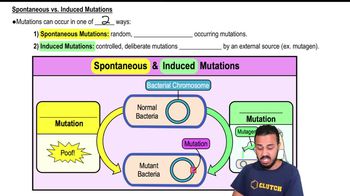
  • Spontaneous vs. Induced Mutations
    02:47
  • Introduction to Mutations
    00:37
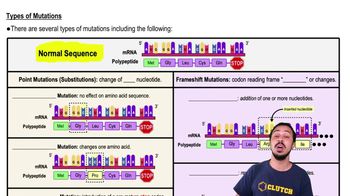
  • Types of Mutations
    08:44
Horizontal Gene Transfer

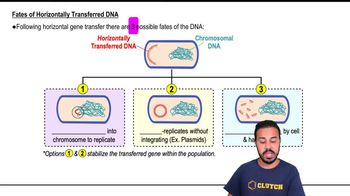
  • Fates of Horizontally Transferred DNA
    03:13
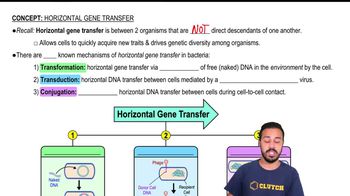
  • Horizontal Gene Transfer
    04:42
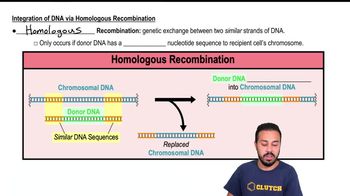
  • Integration of DNA via Homologous Recombination
    02:52

Bacterial Transformation

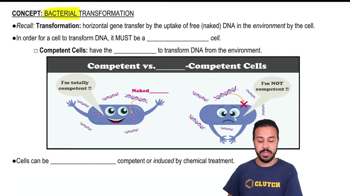
  • Bacterial Transformation
    03:06
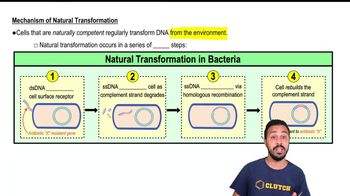
  • Mechanism of Natural Transformation
    03:49

Transduction

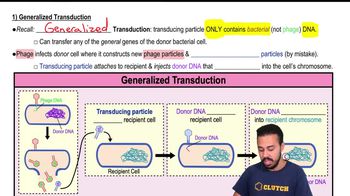
  • Generalized Transduction
    04:24
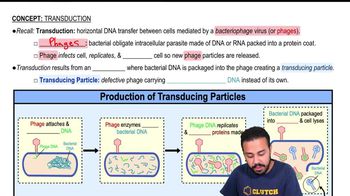
  • Transduction
    06:49
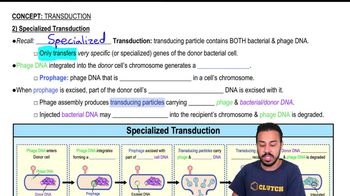
  • Specialized Transduction
    06:34

Introduction to Conjugation

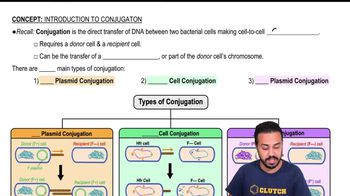
  • Introduction to Conjugation
    04:21

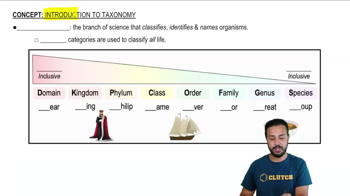
Introduction to Taxonomy

  • Introduction to Taxonomy Example 2
    01:37
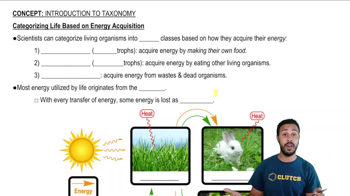
  • Categorizing Life Based on Energy Acquisition
    06:14
  • Introduction to Taxonomy
    02:23

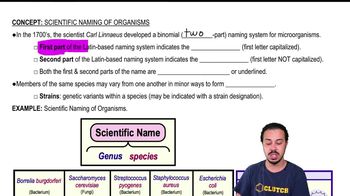
Scientific Naming of Organisms

  • Scientific Naming of Organisms
    05:22

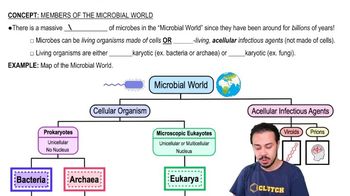
Members of the Bacterial World

  • Members of the Bacterial World
    06:17

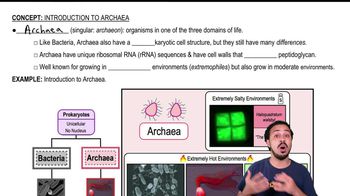
Introduction to Archaea

  • Introduction to Archaea
    04:39

Introduction to Eukarya

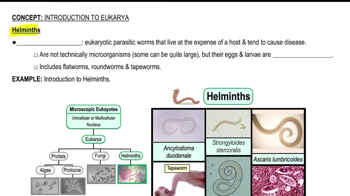
  • Helminths
    01:27
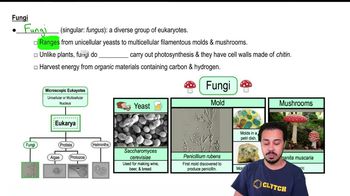
  • Fungi
    02:49
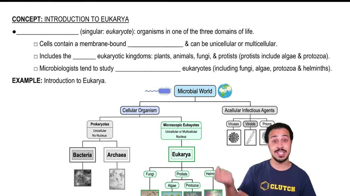
  • Introduction to Eukarya
    03:28

Introduction to Viruses

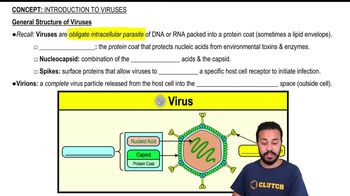
  • General Structure of Viruses
    04:47
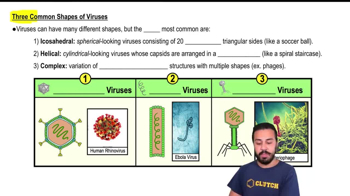
  • Three Common Shapes of Viruses
    03:19
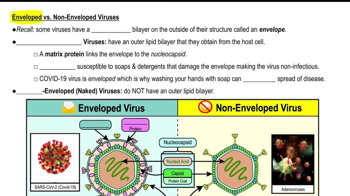
  • Enveloped vs. Non-Enveloped Viruses
    05:09

Introduction to Bacteriophage Infections

  • Map of Lesson on Bacteriophage Infections
    03:52
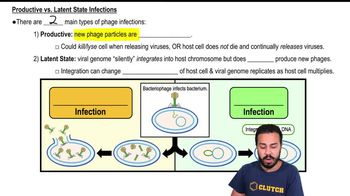
  • Productive vs. Latent State Infections
    04:09
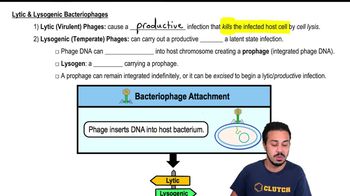
  • Lytic & Lysogenic Bacteriophages
    04:34

Animal Viruses: 1. Attachment to the Host Cell

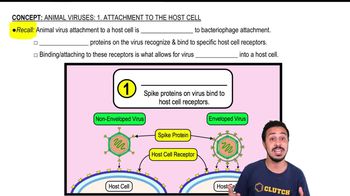
  • Animal Viruses: 1. Attachment to the Host Cell
    03:12

Animal Viruses: 2. Entry & Uncoating in the Host Cell

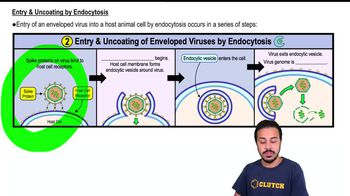
  • Entry & Uncoating by Endocytosis
    02:29
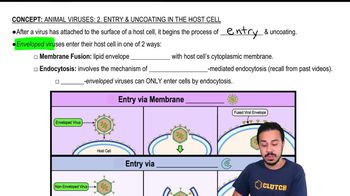
  • Animal Viruses: 2. Entry & Uncoating in the Host Cell
    04:29
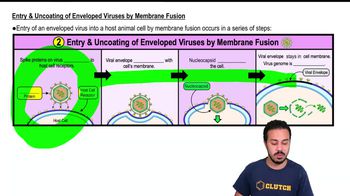
  • Entry & Uncoating of Enveloped Viruses by Membrane Fusion
    02:59

Animal Viruses: 3. Synthesis & Replication

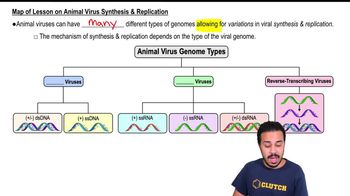
  • Map of Lesson on Animal Virus Synthesis & Replication
    03:34
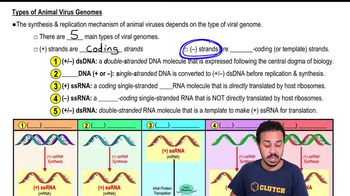
  • Types of RNA Virus Genomes
    10:46
  • Common Themes of All Virus Genomes
    02:58

Animal Viruses: DNA Virus Synthesis & Replication

  • Animal Viruses: DNA Virus Synthesis & Replication
    01:10
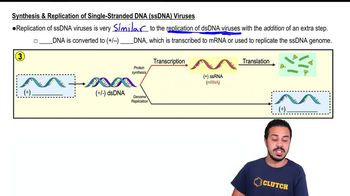
  • Replication of Single-Stranded DNA (ssDNA) Viruses
    04:12
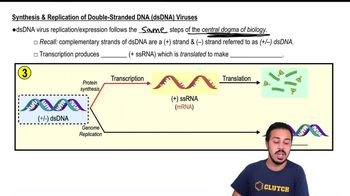
  • Replication of Double-Stranded DNA (dsDNA) Viruses
    03:58

Animal Viruses: RNA Virus Synthesis & Replication

  • Animal Viruses: RNA Virus Synthesis & Replication
    01:30
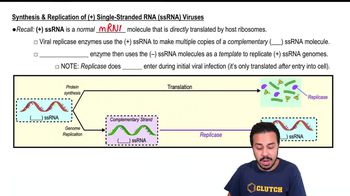
  • Replication of (+) Single Strand RNA (ssRNA) Viruses
    03:52
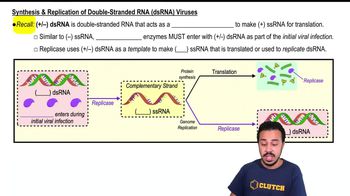
  • Replication of Double-Stranded RNA Viruses
    04:28

Animal Viruses: Antigenic Drift vs. Antigenic Shift

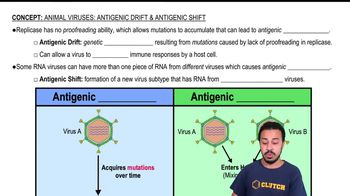
  • Animal Viruses: Antigenic Drift vs. Antigenic Shift
    05:27

Animal Viruses: Reverse-Transcribing Virus Synthesis & Replication

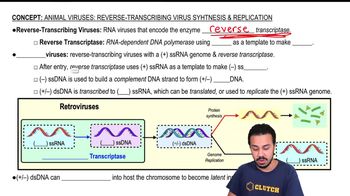
  • Animal Viruses: Reverse-Transcribing Virus Synthesis & Replication
    04:28

Animal Viruses: 4. Assembly Inside Host Cell

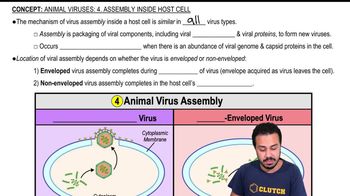
  • Animal Viruses: 4. Assembly Inside Host Cell
    04:26

Animal Viruses: 5. Release from Host Cell

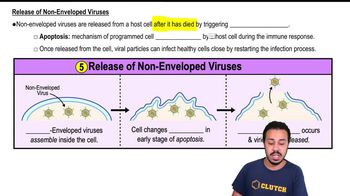
  • Release of Non-Enveloped Viruses
    02:34
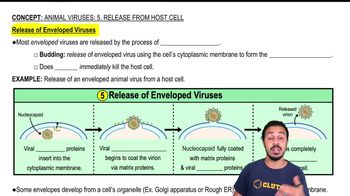
  • Release of Enveloped Viruses
    05:08

Acute vs. Persistent Viral Infections

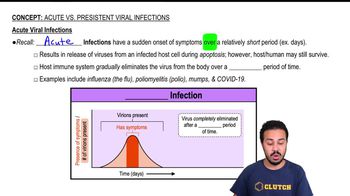
  • Acute Viral Infections
    03:29
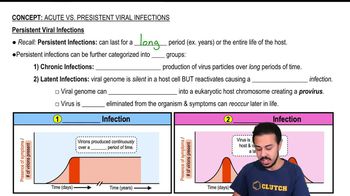
  • Persistent Viral Infections
    05:12
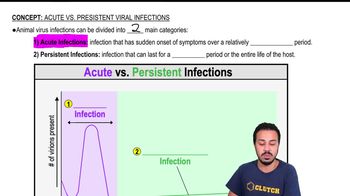
  • Acute vs. Persistent Viral Infections
    02:59

Viroids

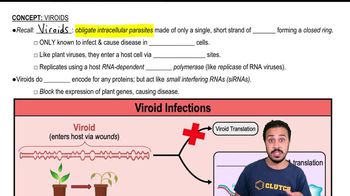
  • Viroids
    03:49

Prions

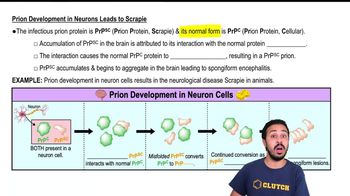
  • Prion Development in Neurons Leads to Scrapie
    04:00
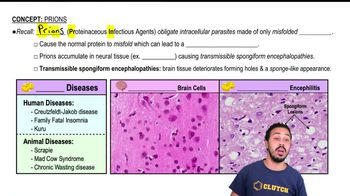
  • Prions
    03:05

Characteristics of Infectious Disease

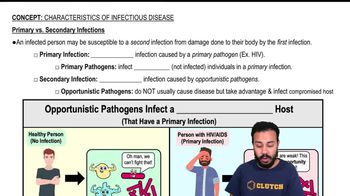
  • Primary vs. Secondary Infections
    04:16
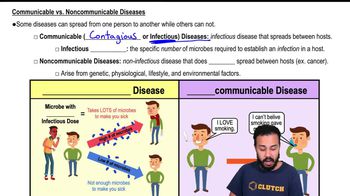
  • Communicable vs. Noncommunicable Diseases
    04:57
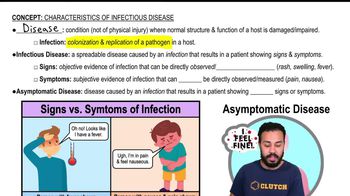
  • Intro to Characteristics of Infectious Disease
    05:09

Stages of Infectious Disease Progression

  • Stages of Infectious Disease Progression
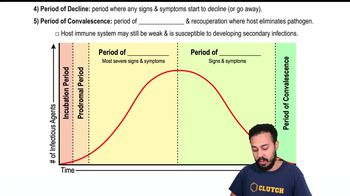
    05:36
  • Chronic & Latent Infection Disease Progression
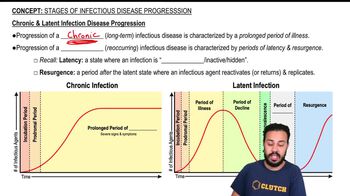
    05:14

Koch's Postulates

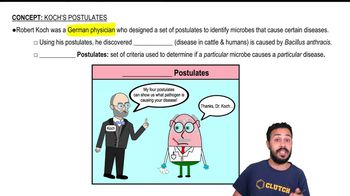
  • Koch's Postulates
    01:36
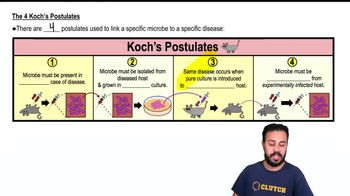
  • The 4 Koch's Postulates
    03:31
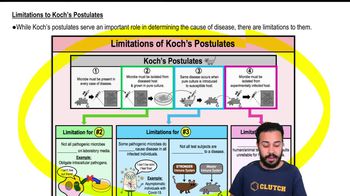
  • Limitations to Koch's Postulates
    02:58

Introduction to Epidemiology

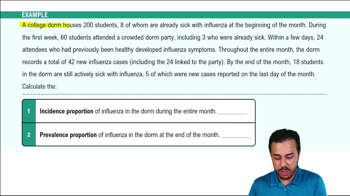
  • Introduction to Epidemiology Example 1
    01:48
  • Introduction to Epidemiology Example 2
    05:15
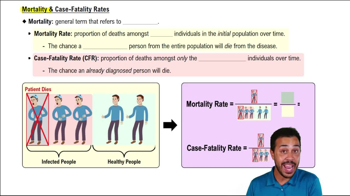
  • Mortality & Case-Fatality Rates
    02:28

Introduction to Chain of Infection

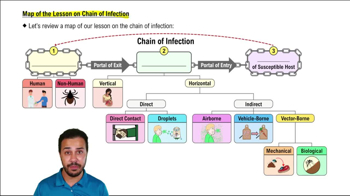
  • Map of the Lesson on Chain of Infection
    00:46
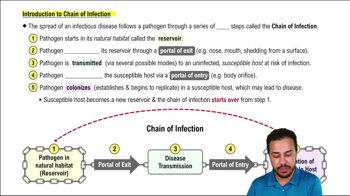
  • Introduction to Chain of Infection
    03:15

Reservoirs of Infection

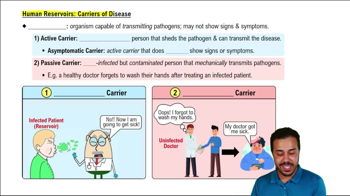
  • Human Reservoirs: Carriers of Disease
    03:12
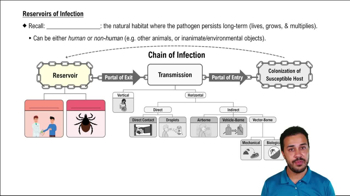
  • Reservoirs of Infection
    00:51
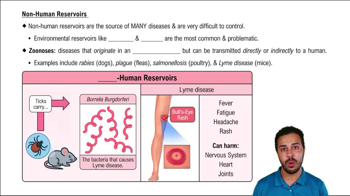
  • Non-Human Reservoirs
    02:36

Disease Transmission

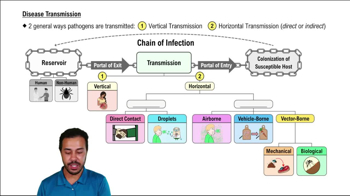
  • Disease Transmission
    01:24
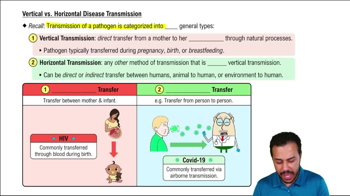
  • Vertical vs. Horizontal Disease Transmission
    02:32

Horizontal Disease Transmission

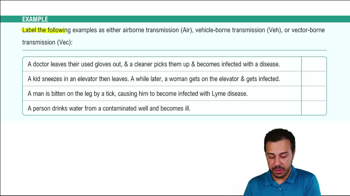
  • Horizontal Disease Transmission Example 1
    01:53
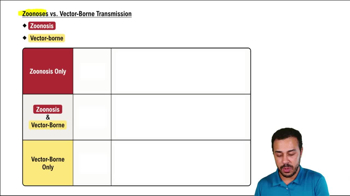
  • Zoonoses vs. Vector-Borne Transmission
    03:52
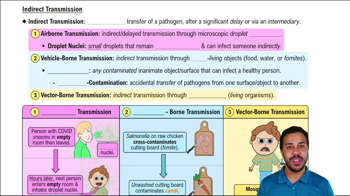
  • Indirect Transmission
    04:42

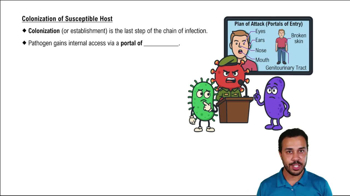
Colonization of Susceptible Host

  • Colonization of Susceptible Host
    01:02
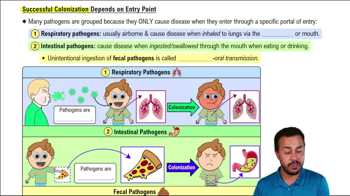
  • Successful Colonization Depends on Entry Point
    03:01

Factors Influencing Epidemiology

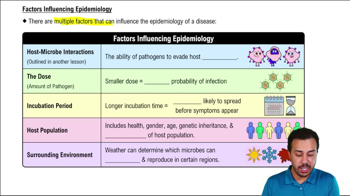
  • Factors Influencing Epidemiology
    03:26
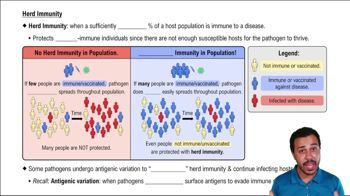
  • Herd Immunity
    04:05

Emerging Infectious Diseases

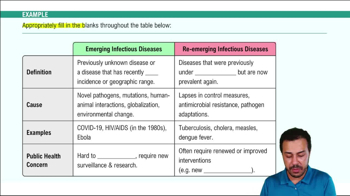
  • Emerging Infectious Diseases Example 1
    02:11
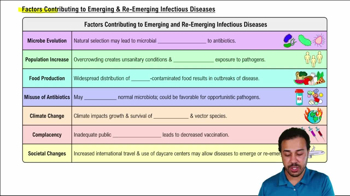
  • Factors Contributing to Emerging & Re-Emerging Infectious Diseases
    03:21
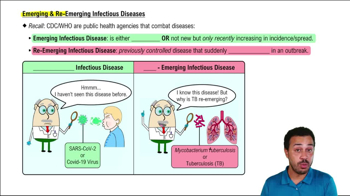
  • Emerging & Re-Emerging Infectious Diseases
    03:15

Healthcare-Associated Infections

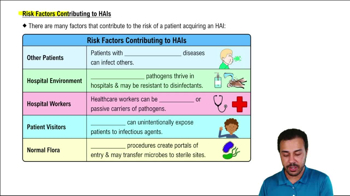
  • Risk Factors Contributing to HAIs
    02:45
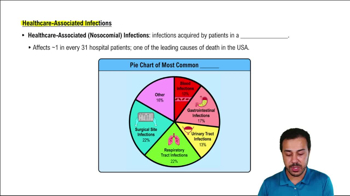
  • Healthcare-Associated Infections
    01:33
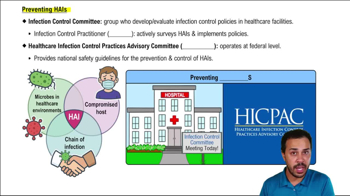
  • Preventing HAIs
    01:59

Epidemiological Studies

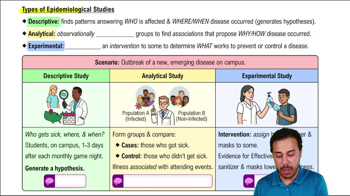
  • Types of Epidemiological Studies
    05:00