Indietro

Microbiology Exam Preparation: Step-by-Step Study Guidance

Guida di studio - Impara con i video

Lezioni curate abbinate al materiale che hai caricato – impara ogni argomento passo dopo passo.

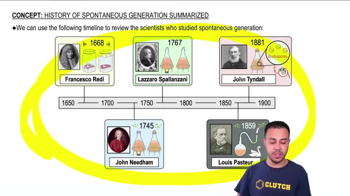
History of Spontaneous Generation Summarized

  • History of Spontaneous Generation Summarized
    03:56
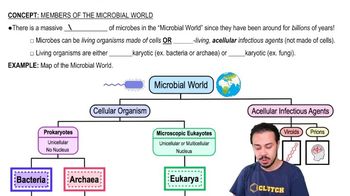
Members of the Bacterial World

  • Members of the Bacterial World
    06:17

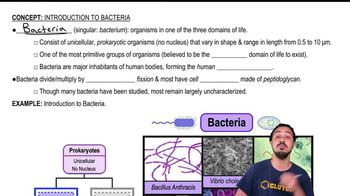
Introduction to Bacteria

  • Introduction to Bacteria
    06:18

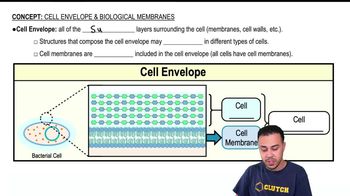
Cell Envelope & Biological Membranes

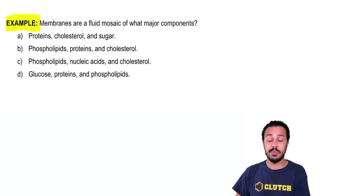
  • Cell Envelope & Biological Membranes Example 1
    02:21
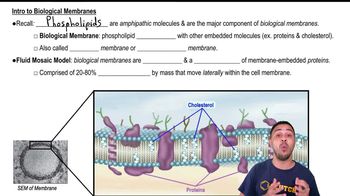
  • Biological Membranes
    02:10
  • Intro to Biological Membranes
    06:16

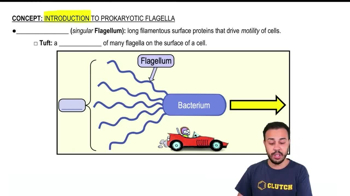
Introduction to Prokaryotic Flagella

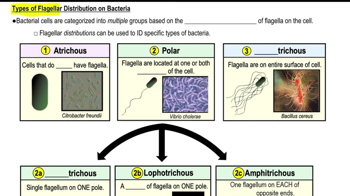
  • Types of Flagellar Distribution on Bacteria
    05:22
  • Introduction to Prokaryotic Flagella
    02:07

Gram-Positive vs. Gram-Negative Cell Walls

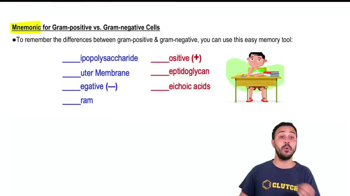
  • Mnemonic for Gram-Positive vs. Gram-Negative Cell Walls
    01:41
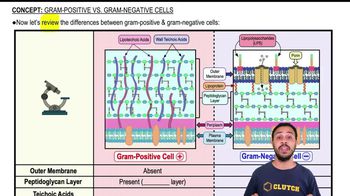
  • Gram-Positive vs. Gram-Negative Cell Walls
    04:46

Introduction to Membrane Transport

  • Map of the Lesson on Membrane Transport
    02:26
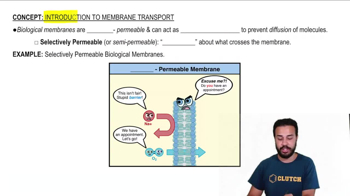
  • Introduction to Membrane Transport
    03:00
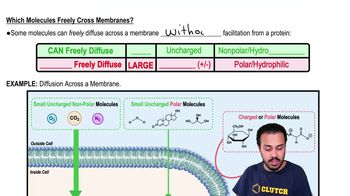
  • Which Molecules Freely Cross Membranes?
    05:31

Passive vs. Active Transport

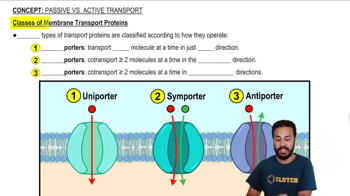
  • Classes of Membrane Transport Proteins
    03:41
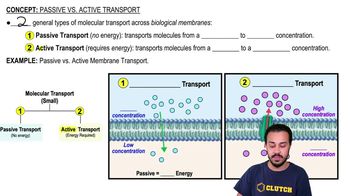
  • Passive vs. Active Transport
    05:05

Osmosis

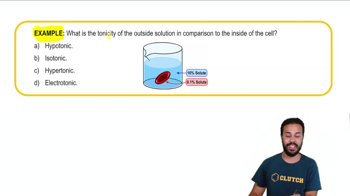
  • Osmosis Example 1
    02:18
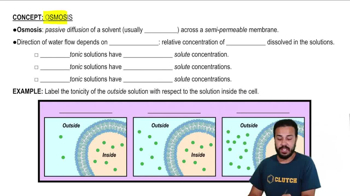
  • Osmosis
    05:59
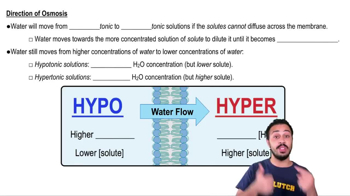
  • Direction of Osmosis
    06:48

Simple and Facilitated Diffusion

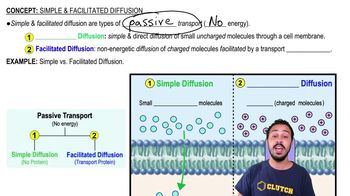
  • Simple and Facilitated Diffusion
    04:59
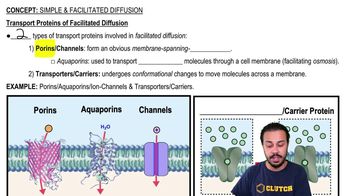
  • Transport Proteins of Facilitated Diffusion
    04:49

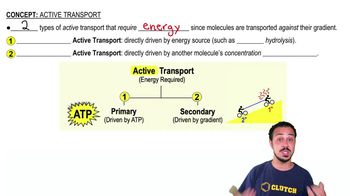
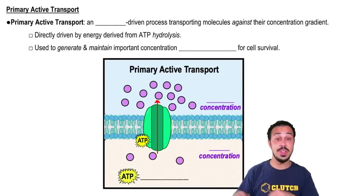
Active Transport

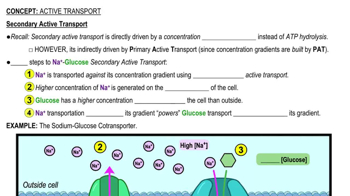
  • Secondary Active Transport
    06:57
  • Active Transport
    02:37
  • Primary Active Transport
    02:53

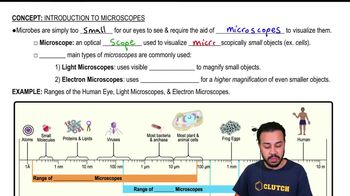
Introduction to Microscopes

  • Introduction to Microscopes
    06:13

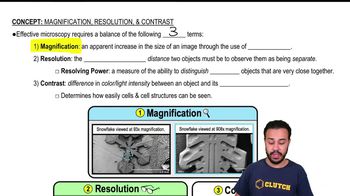
Magnification, Resolution, & Contrast

  • Magnification, Resolution, & Contrast
    07:29

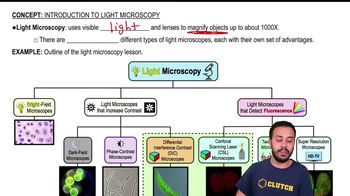
Introduction to Light Microscopy

  • Introduction to Light Microscopy
    02:53

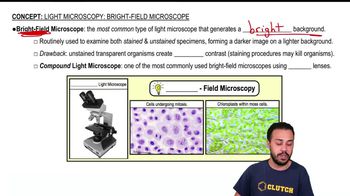
Light Microscopy: Bright-Field Microscopes

  • Light Microscopy: Bright-Field Microscopes
    03:46
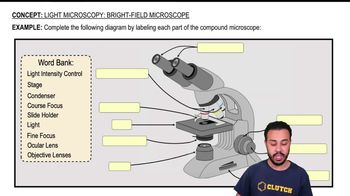
  • Light Microscopy: Bright-Field Microscopes Example 1
    03:41
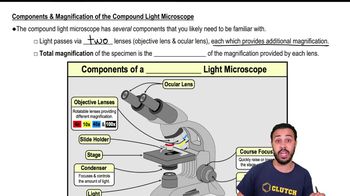
  • Components & Magnification of the Compound Light Microscope
    06:15

Light Microscopes that Increase Contrast

  • Light Microscopes that Increase Contrast
    02:39
  • Dark-Field Microscopy
    01:52
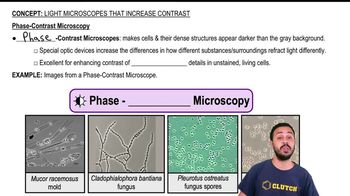
  • Phase-Contrast Microscopy
    03:27

Light Microscopes that Detect Fluorescence

  • Light Microscopes that Detect Fluorescence
    01:46
  • Fluorescence Microscopes
    02:54
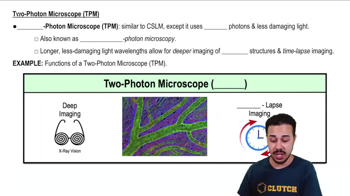
  • Two-Photon Microscope (TPM)
    02:01

Electron Microscopes

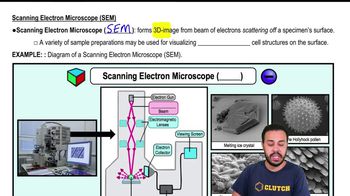
  • Scanning Electron Microscope (SEM)
    02:42
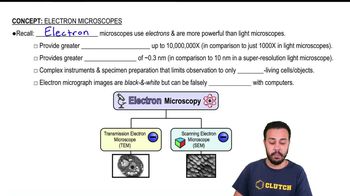
  • Electron Microscopes
    03:08
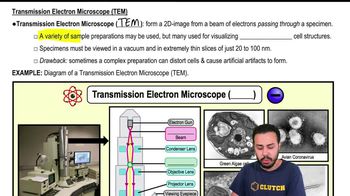
  • Transmission Electron Microscope (TEM)
    04:23

Introduction to Staining

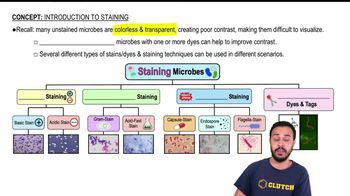
  • Introduction to Staining
    02:10

Simple Staining

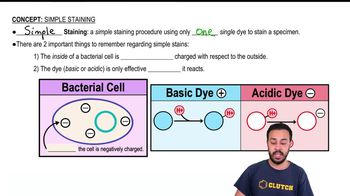
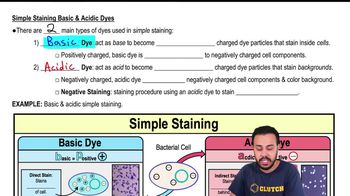
  • Simple Staining
    03:23
  • Simple Staining Basic & Acidic Dyes
    05:30

Differential Staining

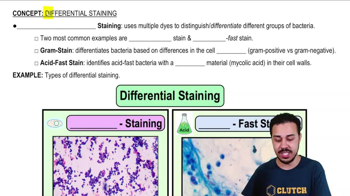
  • Differential Staining
    04:07

Gram Stain

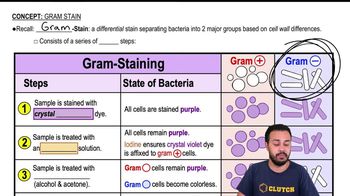
  • Gram Stain
    04:57

Enzymes

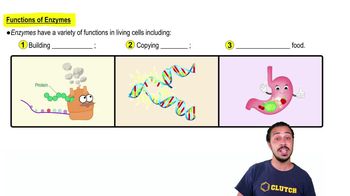
  • Functions of Enzymes
    02:32
  • Enzymes Example 1
    02:25
  • Enzymes
    02:55

Introduction to Energy

  • Thermodynamics: System vs. Surroundings
    04:21
  • Introduction to Energy
    04:58

Introduction to Aerobic Cellular Respiration

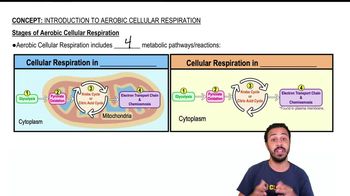
  • Stages of Aerobic Cellular Respiration
    02:32
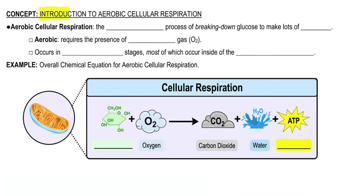
  • Introduction to Aerobic Cellular Respiration
    03:38
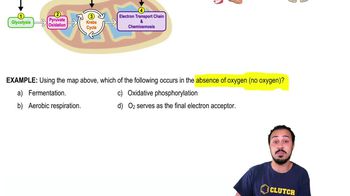
  • Introduction to Aerobic Cellular Respiration Example 2
    01:53

Glycolysis

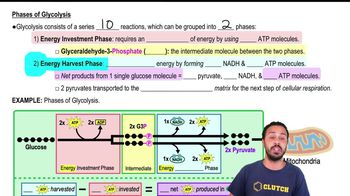
  • Phases of Glycolysis
    05:57
  • Glycolysis Example 1
    01:29
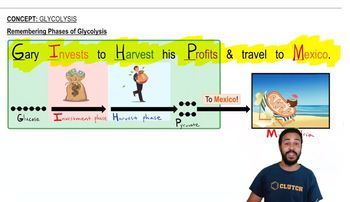
  • Remembering Phases of Glycolysis
    02:49

Krebs Cycle

  • Krebs Cycle Example 1
    01:20
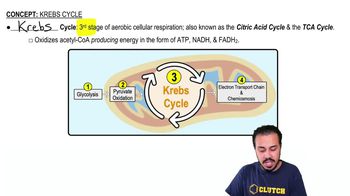
  • Krebs Cycle
    01:37
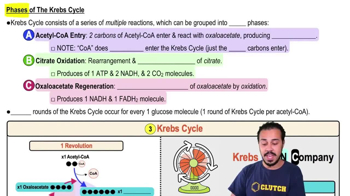
  • Phases of The Krebs Cycle
    09:54

Electron Transport Chain

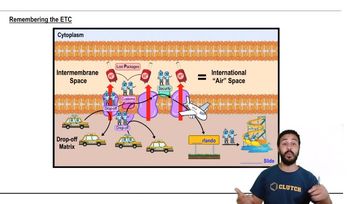
  • Remembering the ETC
    04:43
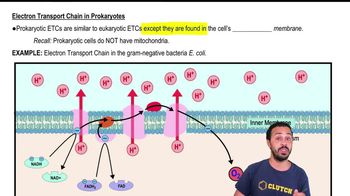
  • Electron Transport Chain in Prokaryotes
    02:49
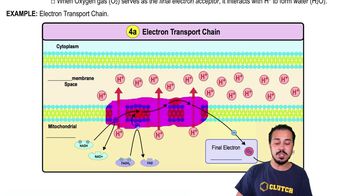
  • Electron Transport Chain
    07:41

Fermentation & Anaerobic Respiration

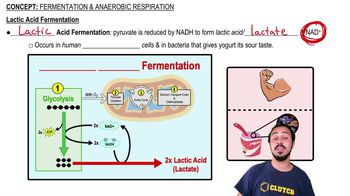
  • Lactic Acid Fermentation
    03:33
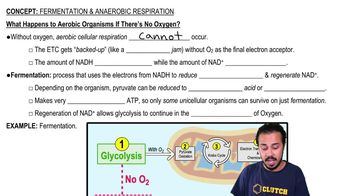
  • What Happens to Aerobic Organisms if There's No Oxygen?
    07:50
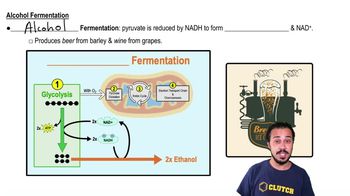
  • Alcohol Fermentation
    01:59

Introduction to Biomolecules

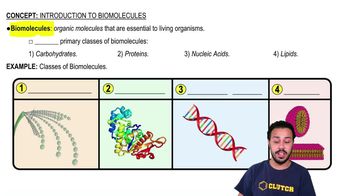
  • Introduction to Biomolecules
    01:17
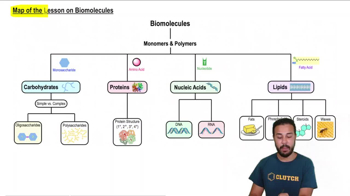
  • Map of the Lesson on Biomolecules
    01:29

Monomers & Polymers

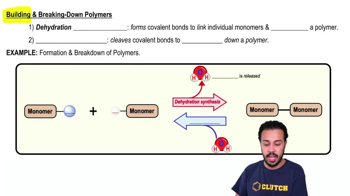
  • Building & Breaking-Down Polymers
    04:18
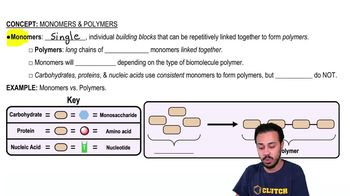
  • Monomers & Polymers
    03:42

Carbohydrates

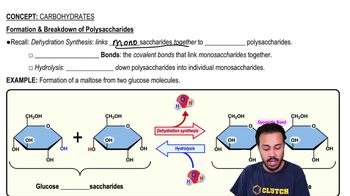
  • Formation & Breakdown of Polysaccharides
    03:08
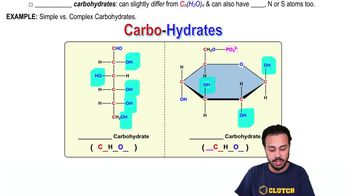
  • Carbohydrates
    04:53
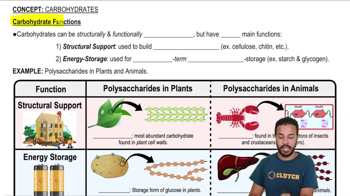
  • Carbohydrate Functions
    04:48

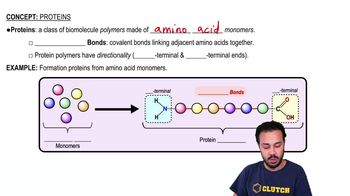
Proteins

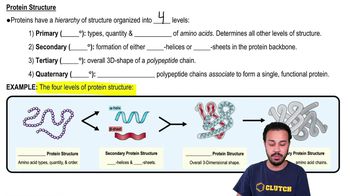
  • Protein Structure
    08:02
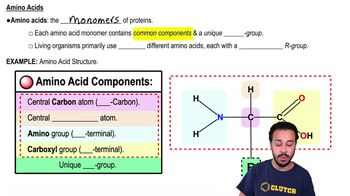
  • Amino Acids
    04:37
  • Proteins
    02:50

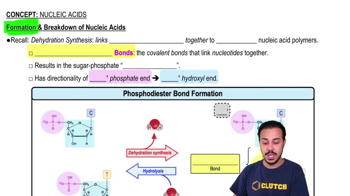
Nucleic Acids

  • Nucleic Acids Example 2
    01:05
  • Formation & Breakdown of Nucleic Acids
    04:07
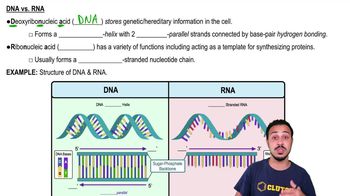
  • DNA vs. RNA
    05:57

Lipids

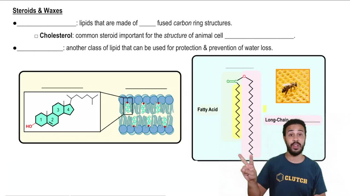
  • Steroids & Waxes
    03:31
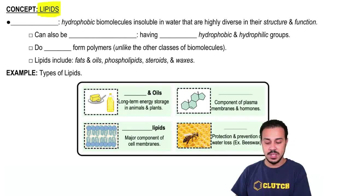
  • Lipids
    04:19
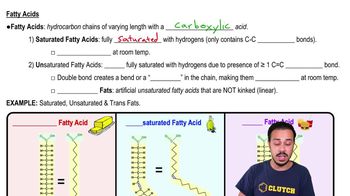
  • Fatty Acids
    06:59

Introduction to Cultivating Microbial Growth

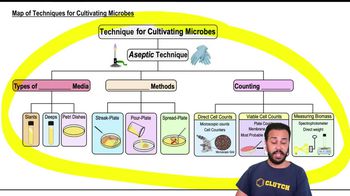
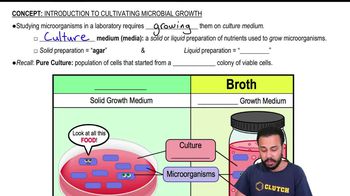
  • Map of Techniques for Cultivating Microbes
    02:05
  • Introduction to Cultivating Microbial Growth
    03:49

Types of Solid Culture Media

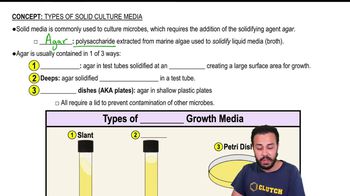
  • Types of Solid Culture Media
    03:16

Selective Media

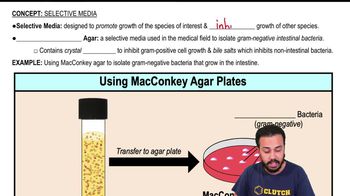
  • Selective Media
    03:27

Differential Media

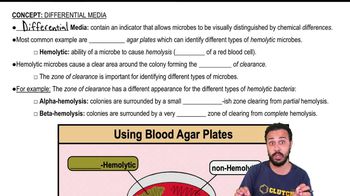
  • Differential Media
    04:34

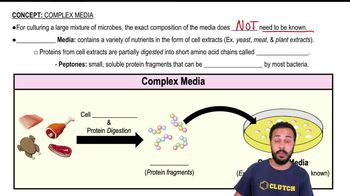
Complex Media

  • Complex Media
    02:59

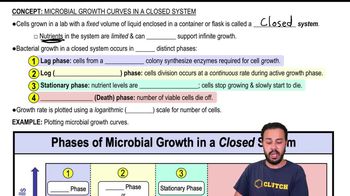
Microbial Growth Curves in a Closed System

  • Microbial Growth Curves in a Closed System
    08:59
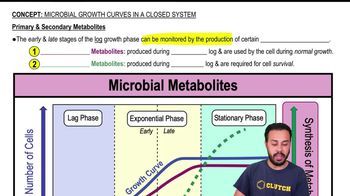
  • Primary & Secondary Metabolites
    02:33

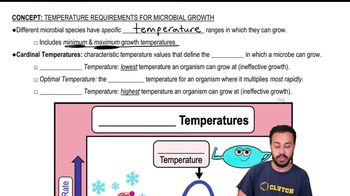
Temperature Requirements for Microbial Growth

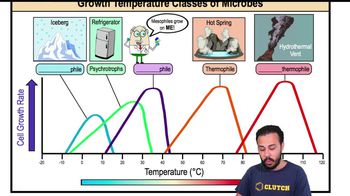
  • Temperature Requirements for Microbial Growth
    04:16
  • Classification of Microbes by Growth Temperature
    04:56
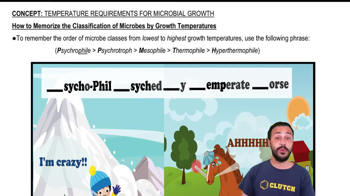
  • How to Memorize the Classification of Microbes by Growth Temperatures
    01:59

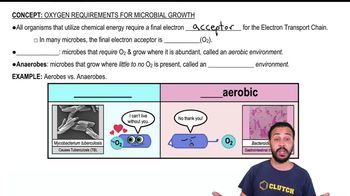
Oxygen Requirements for Microbial Growth

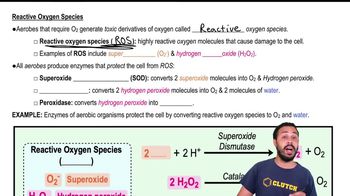
  • Reactive Oxygen Species
    04:43
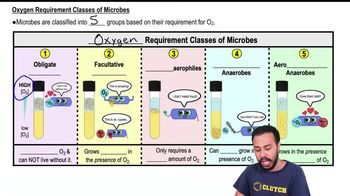
  • Oxygen Requirement Classes of Microbes
    07:27
  • Oxygen Requirements for Microbial Growth
    03:52

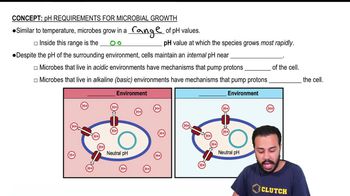
pH Requirements for Microbial Growth

  • pH Requirements for Microbial Growth
    03:11
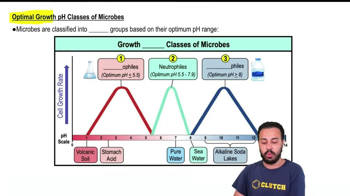
  • Optimal Growth pH Classes of Microbes
    03:23

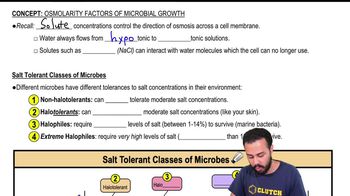
Osmolarity Factors for Microbial Growth

  • Osmolarity Factors for Microbial Growth
    06:30

Binary Fission

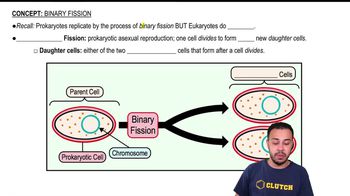
  • Binary Fission
    02:16
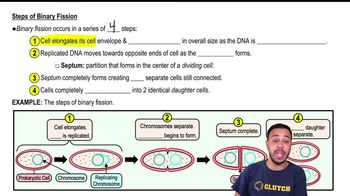
  • Steps of Binary Fission
    04:57

Generation Times

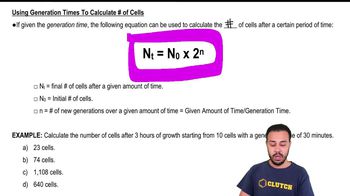
  • Calculating Generation Times
    05:48
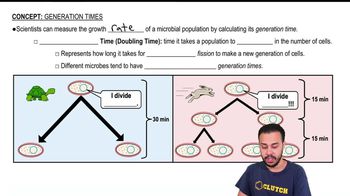
  • Generation Times
    02:54