Indietro

Microbiology Exam Study Guide: Immunity, Host-Microbe Interactions, and Diagnostic Methods

Guida di studio - Impara con i video

Lezioni curate abbinate al materiale che hai caricato – impara ogni argomento passo dopo passo.

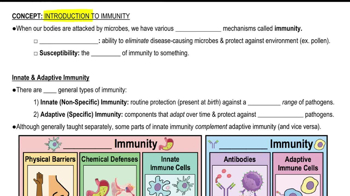
Introduction to Immunity

  • Innate vs. Adaptive Immunity
    05:52
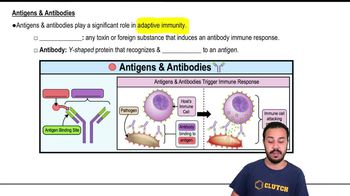
  • Antigens & Antibodies
    02:58

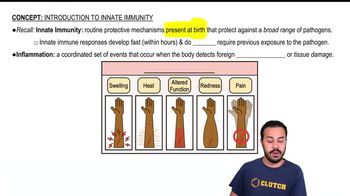
Introduction to Innate Immunity

  • Introduction to Innate Immunity
    02:30
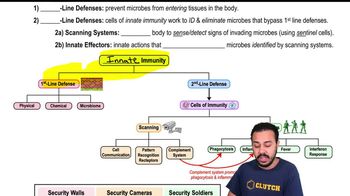
  • Map of Lesson on Innate Immunity
    06:42

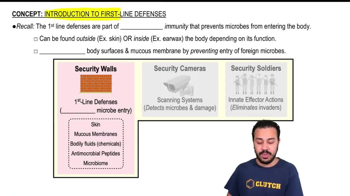
Introduction to First-Line Defenses

  • Introduction to First-Line Defenses
    01:56
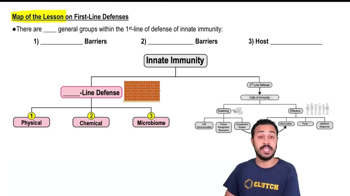
  • Map of the Lesson on First-Line Defenses
    01:37

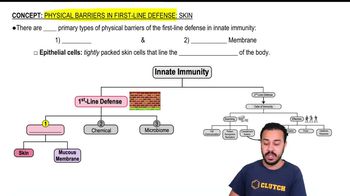
Physical Barriers in First-Line Defenses: Skin

  • Physical Barriers in First-Line Defenses: Skin
    01:28
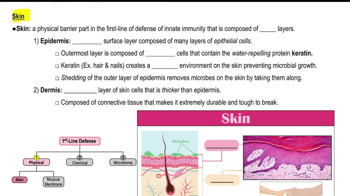
  • Physical Barriers in First-Line Defenses: Skin
    04:08

Physical Barriers in First-Line Defenses: Mucous Membrane

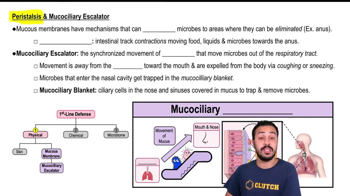
  • Peristalsis & Mucociliary Escalator
    04:16
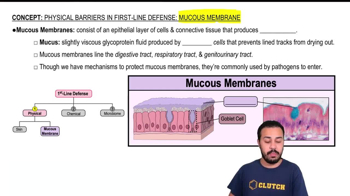
  • Mucous Membranes
    02:34

First-Line Defenses: Chemical Barriers

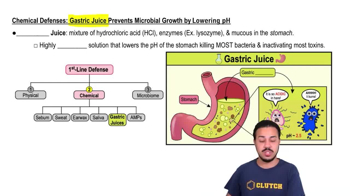
  • Chemical Defenses: Gastric Juice Prevents Microbial Growth by Lowering pH
    02:07
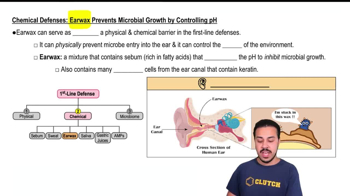
  • Chemical Defenses: Earwax Prevents Microbial Growth by Controlling pH
    02:18
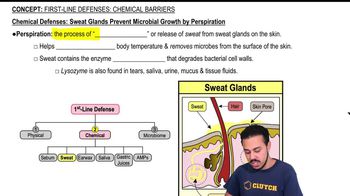
  • Chemical Defenses: Sweat Glands Prevent Microbial Growth by Perspiration
    02:04

First-Line Defenses: Normal Microbiota

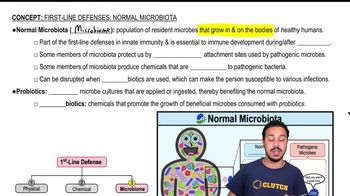
  • Normal Microbiota
    03:43

Phagoctytosis

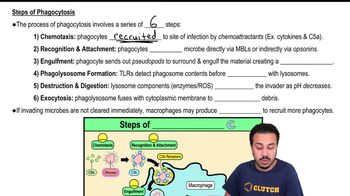
  • Steps of Phagocytosis
    08:57
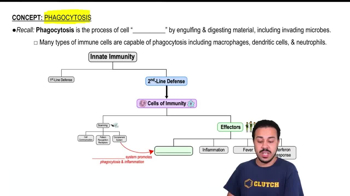
  • Phagoctytosis
    02:19

Introduction to Inflammation

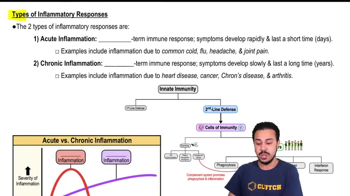
  • Types of Inflammatory Responses
    02:52
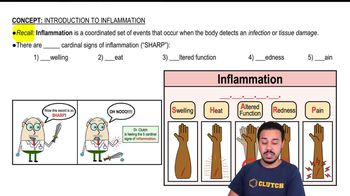
  • Introduction to Inflammation
    01:38
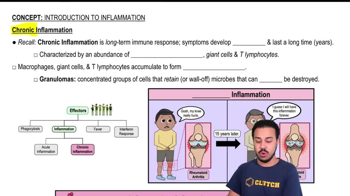
  • Chronic Inflammation
    03:09

Steps of the Inflammatory Response

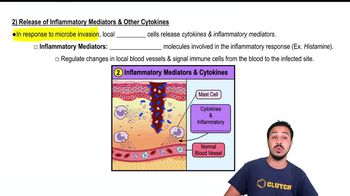
  • 2) Release of Inflammatory Mediators & Other Cytokines
    02:15
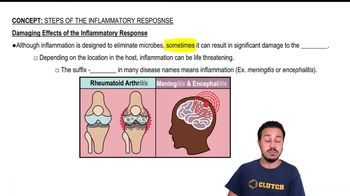
  • Damaging Effects of the Inflammatory Response
    02:10
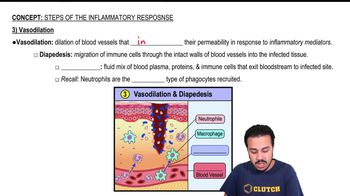
  • 3) Vasodilation
    02:39

Interferon Response

  • Interferon Response
    01:32
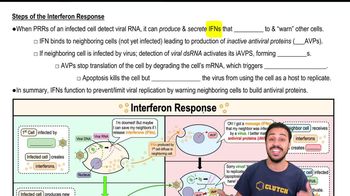
  • Steps of the Interferon Response
    09:59

Introduction to the Complement System

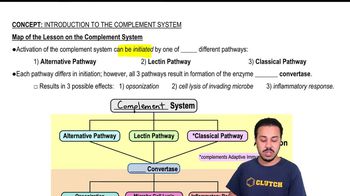
  • Map of the Lesson on the Complement System
    03:25
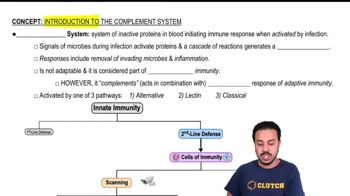
  • Introduction to the Complement System
    04:25
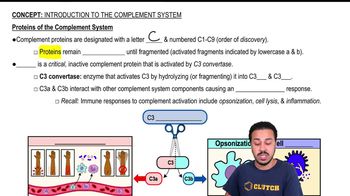
  • Proteins of the Complement System
    04:16

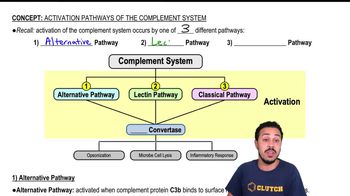
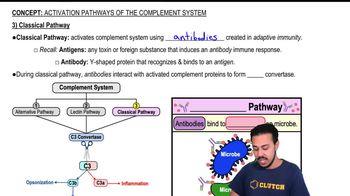
Activation Pathways of the Complement System

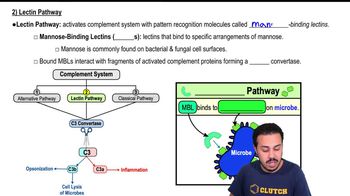
  • 2) Lectin Pathway
    03:04
  • 1) Alternative Pathway
    04:40
  • 3) Classical Pathway
    03:42

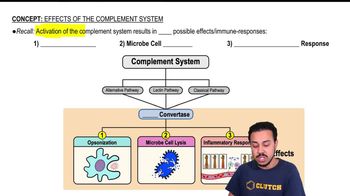
Effects of the Complement System

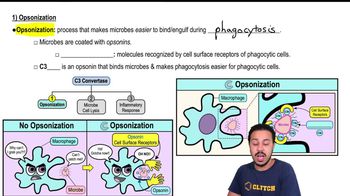
  • 1) Opsonization
    04:09
  • 2) Cell Lysis of Invading Microbes
    03:18
  • Effects of the Complement System
    01:32

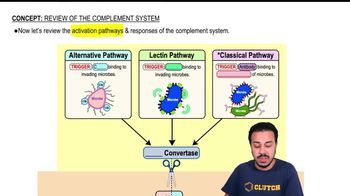
Review of the Complement System

  • Review of the Complement System
    05:15

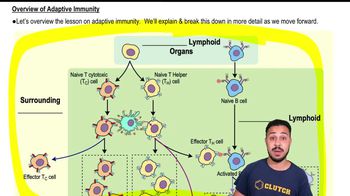
Introduction to Adaptive Immunity

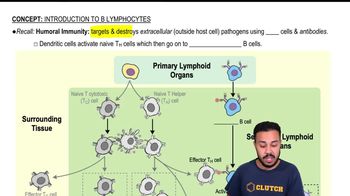
  • Overview of Adaptive Immunity
    04:57
  • Primary vs. Secondary Lymphoid Organs
    04:58
  • Introduction to Adaptive Immunity
    05:47

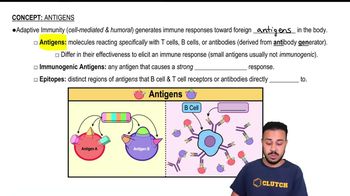
Antigens

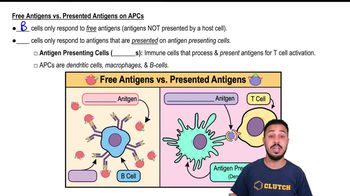
  • Free Antigens vs. Presented Antigens on APCs
    04:11
  • Antigens
    03:59

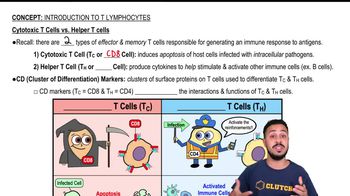
Introduction to T Lymphocytes

  • Cytotoxic T Cells vs. Helper T Cells
    05:58
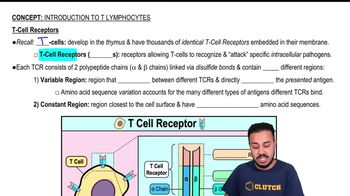
  • T-Cell Receptors
    05:18
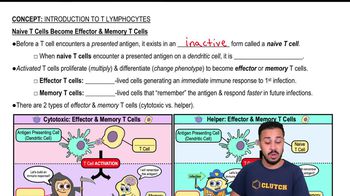
  • Naive T Cells Become Effector & Memory T Cells
    07:56

Major Histocompatibility Complex Molecules

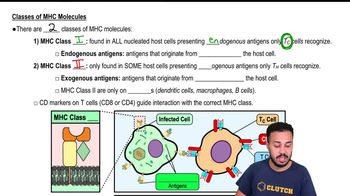
  • Classes of MHC Molecules
    07:17
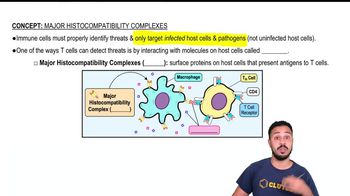
  • Major Histocompatibility Complex Molecules
    02:31

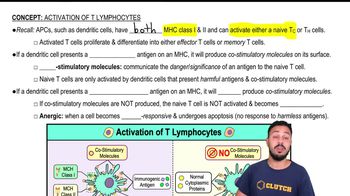
Activation of T Lymphocytes

  • Activation of T Lymphocytes
    07:33
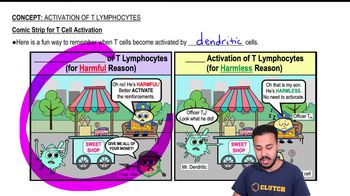
  • Comic Strip for T Cell Activation
    03:29

Functions of T Lymphocytes

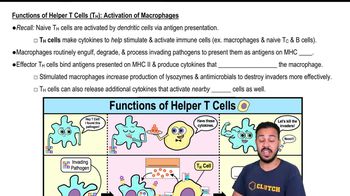
  • Functions of Helper T Cells (TH):Activation of Macrophages
    05:18
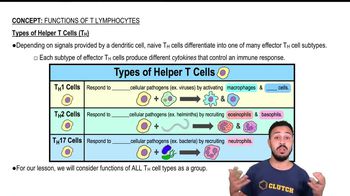
  • Types of Helper T Cells (TH)
    03:19
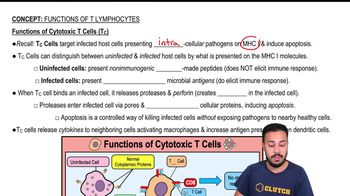
  • Functions of Cytotoxic T Cells (Tc)
    06:21

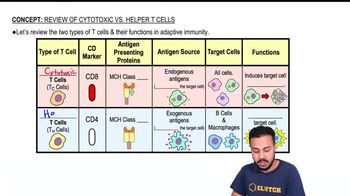
Review of Cytotoxic vs Helper T Cells

  • Review of Cytotoxic vs Helper T Cells
    04:27
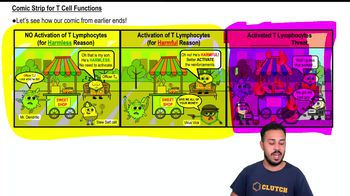
  • Comic Strip for T Cell Functions
    02:58

Introduction to B Lymphocytes

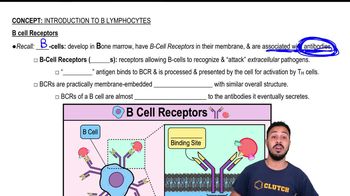
  • B cell Receptors
    04:37
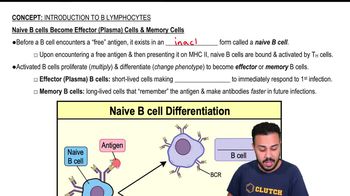
  • Naive B cells Become Effector (Plasma) Cells & Memory Cells
    04:23
  • Introduction to B Lymphocytes
    03:55

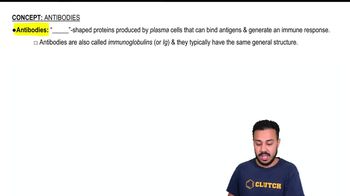
Antibodies

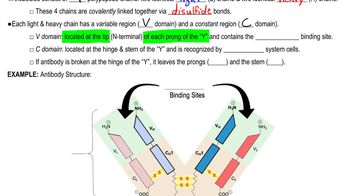
  • Antibody Structure
    05:40
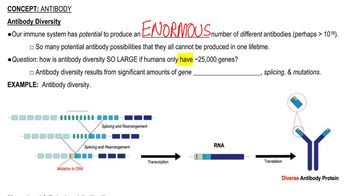
  • Antibody Diversity
    02:34
  • Antibodies
    00:48

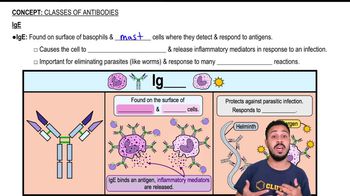
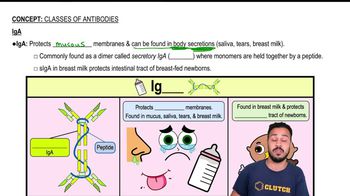
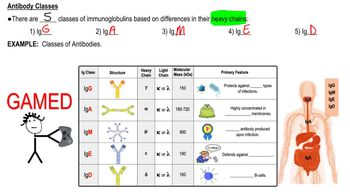
Classes of Antibodies

  • IgE
    02:45
  • IgA
    02:44
  • Classes of Antibodies
    04:43

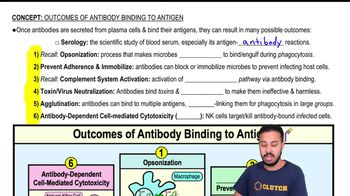
Outcomes of Antibody Binding to Antigen

  • Outcomes of Antibody Binding to Antigen
    09:16

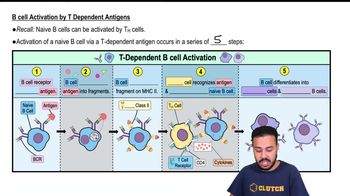
T Dependent & T Independent Antigens

  • B Cell Activation by T Dependent Antigens
    05:09
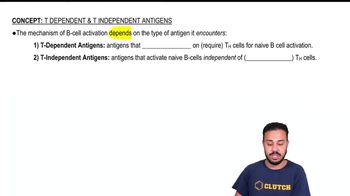
  • T Dependent & T Independent Antigens
    02:08
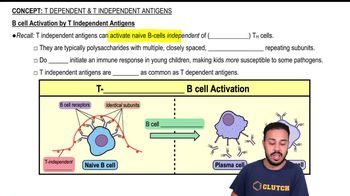
  • B Cell Activation by T Independent Antigens
    03:11

Introduction to Regulation of Gene Expression

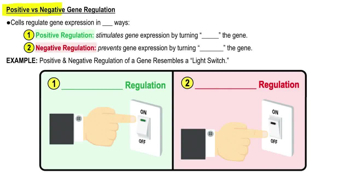
  • Positive vs Negative Gene Regulation
    02:17
  • Introduction to Regulation of Gene Expression
    06:40

Introduction to Avoiding Host Defense Mechanisms

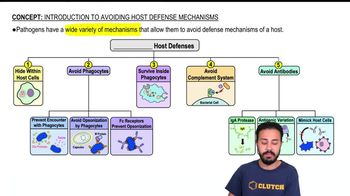
  • Introduction to Avoiding Host Defense Mechanisms
    01:59

1) Hide Within Host Cells

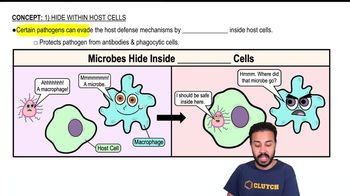
  • Hide Within Host Cells
    01:50

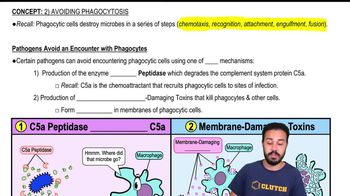
2) Avoiding Phagocytosis

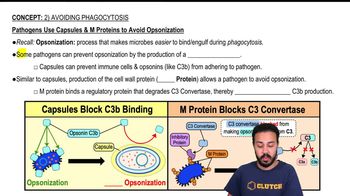
  • Pathogen Use Capsules & M Proteins to Avoid Opsonization
    05:25
  • Pathogens Avoid Encounter with Phagocytes
    05:13
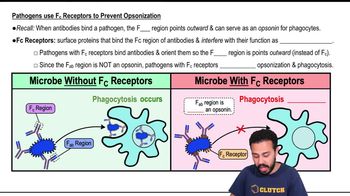
  • Pathogens Use Fc Receptors to Prevent Opsonization
    03:48

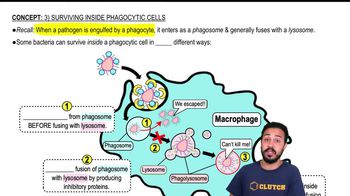
3) Surviving Inside Phagocytic Cells

  • Surviving Inside Phagocytic Cells
    04:18

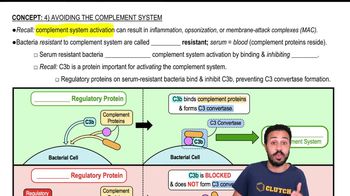
4) Avoiding Complement System

  • Avoiding Complement System
    04:53

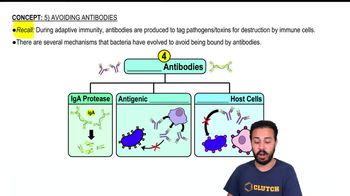
5) Avoiding Antibodies

  • Bacteria Avoid Antibodies by Producing IgA Proteases
    02:59
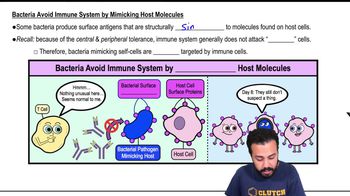
  • Bacteria Avoid Immune System by Mimicking Host Molecules
    03:11
  • Intro to Avoiding Antibodies
    01:35

Viruses Evade the Immune Response

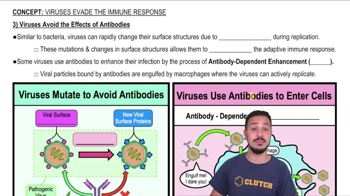
  • 3) Viruses Avoid the Effects of Antibodies
    3:57
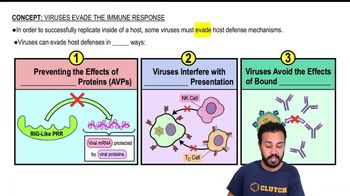
  • Intro to How Viruses Evade the Immune Response
    02:13
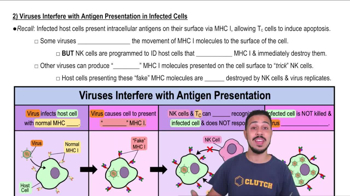
  • 2) Viruses Interfere with Antigen Presentation in Infected Cells
    3:43

Introduction to Hypersensitivites

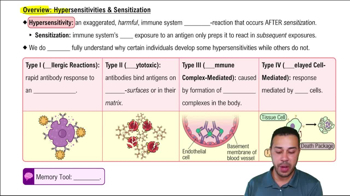
  • Overview: Hypersensitivities & Sensitization
    05:35
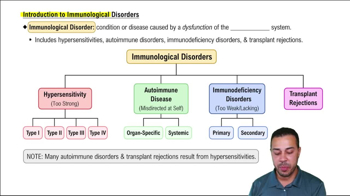
  • Introduction to Immunological Disorders
    02:03

Type I Hypersensitivities

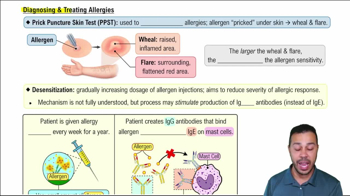
  • Diagnosing & Treating Allergies
    04:31
  • Type I Hypersensitivities Example 3
    02:23
  • Type I Hypersensitivities Example 2
    01:52
Type II Hypersensitivities

  • Type II Hypersensitivity
    06:45
  • Type II Hypersensitivities Example 1
    02:17
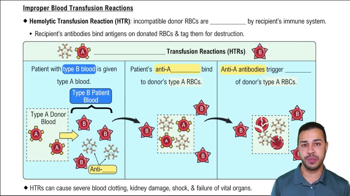
  • Improper Blood Transfusion Reactions
    03:07

Type III Hypersensitivities

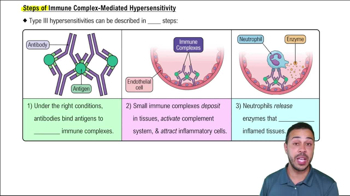
  • Steps of Immune Complex- Mediated Hypersensitivity
    02:22
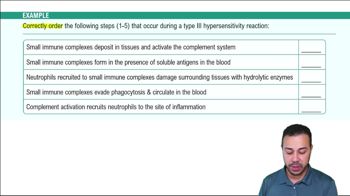
  • Type III Hypersensitivities Example 1
    01:20
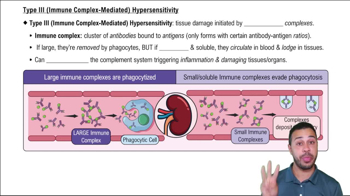
  • Type III (Immune Complex-Mediated) Hypersensitivity
    04:21

Type IV Hypersensitivities

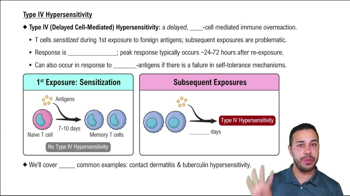
  • Type IV Hypersensitivity
    04:10
  • Type IV Hypersensitivities Example 1
    01:53
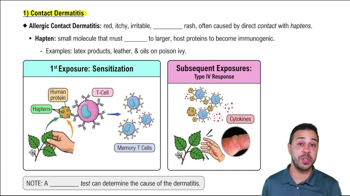
  • 1) Contact Dermatitis
    03:47

Reviewing the 4 Types of Hypersensitivities

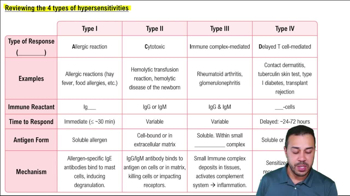
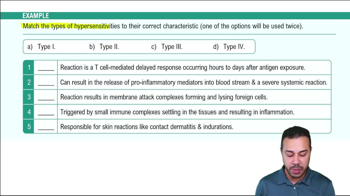
  • Reviewing the 4 Types of Hypersensitivities
    06:03
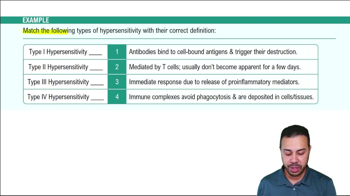
  • Reviewing the 4 Types of Hypersensitivities Example 1
    02:15

Autoimmune Diseases

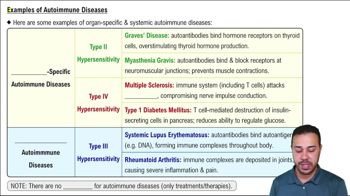
  • Examples of Autoimmune Diseases
    03:36
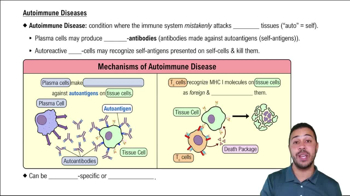
  • Autoimmune Diseases
    03:40
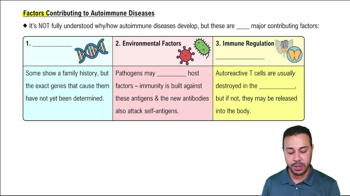
  • Factors Contributing to Autoimmune Diseases
    03:09

Characteristics of Infectious Disease

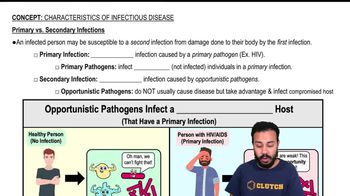
  • Primary vs. Secondary Infections
    04:16
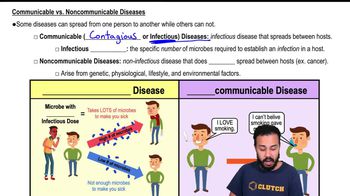
  • Communicable vs. Noncommunicable Diseases
    04:57
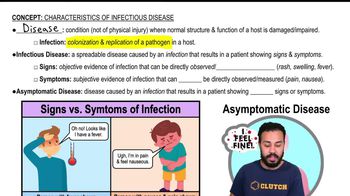
  • Intro to Characteristics of Infectious Disease
    05:09

Stages of Infectious Disease Progression

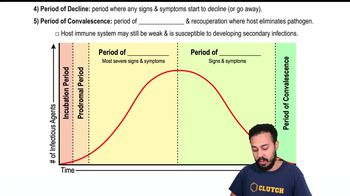
  • Stages of Infectious Disease Progression
    05:36
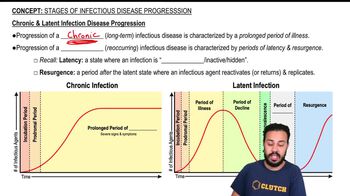
  • Chronic & Latent Infection Disease Progression
    05:14

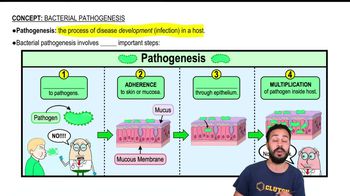
Bacterial Pathogenesis

  • Intro to Bacterial Pathogenesis
    02:35
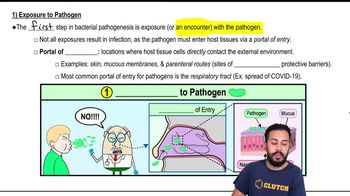
  • 1) Exposure to Pathogen
    03:27
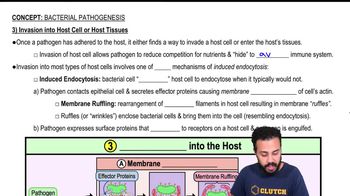
  • 3) Invasion into Host Tissues
    05:38

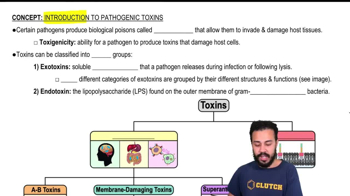
Introduction to Pathogenic Toxins

  • Introduction to Pathogenic Toxins
    03:40

Exotoxins Cause Damage to the Host

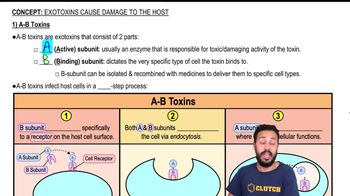
  • 1) A-B Toxins
    04:44
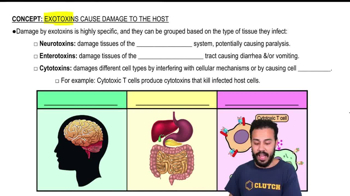
  • Types of Exotoxins
    03:30
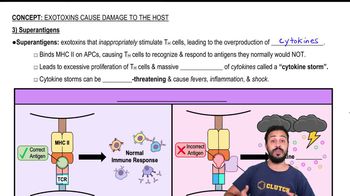
  • 3) Superantigens
    03:59

Endotoxin Causes Damage to the Host

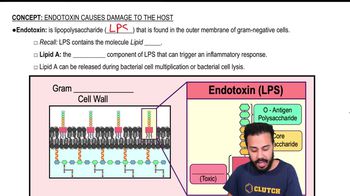
  • Endotoxin
    02:46
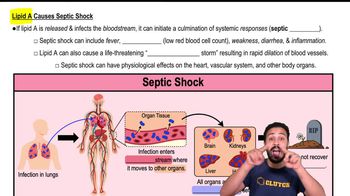
  • Lipid A Causes Septic Shock
    03:24

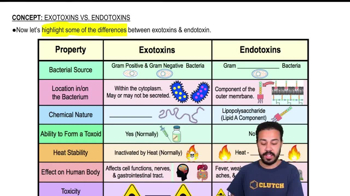
Exotoxins vs. Endotoxin Review

  • Exotoxins vs. Endotoxin Review
    07:22
Colonization of Susceptible Host

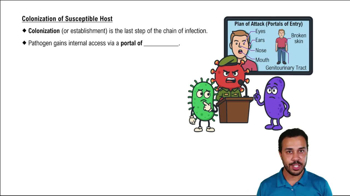
  • Colonization of Susceptible Host
    01:02
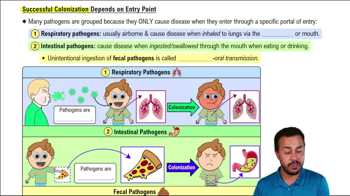
  • Successful Colonization Depends on Entry Point
    03:01

Introduction to Vaccines

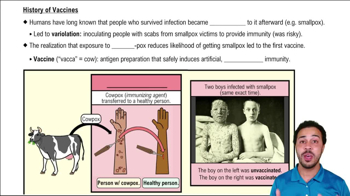
  • History of Vaccines
    04:19
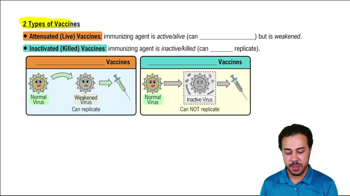
  • 2 Types of Vaccines
    02:03

Immunoassay: ELISA

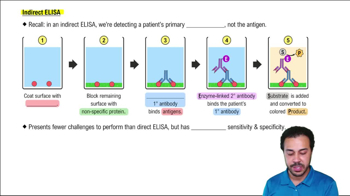
  • Indirect ELISA
    02:50
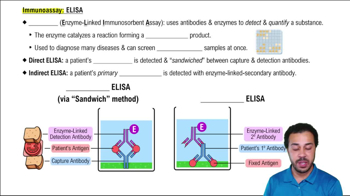
  • Immunoassay: ELISA
    04:29
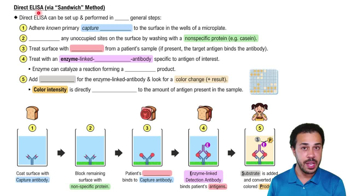
  • Direct ELISA (via "Sandwich" Method)
    03:56

Immunoassay: Fluorescent Antibody Tests

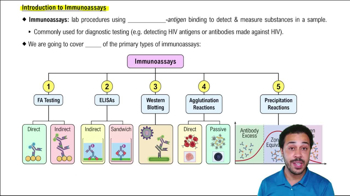
  • Introduction to Immunassays
    01:31
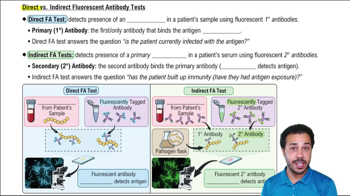
  • Direct vs. Indirect Fluorescent Antibody Tests
    03:51
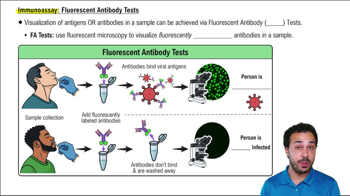
  • Immunoassay: Fluorescent Antibody Tests
    02:09

Immunoassay: Western Blotting

  • Immunoassay: Western Blotting
    03:57