Indietro

Microbiology of the Built Environment: Wastewater, Water Treatment, and Indoor Microbiota

Guida di studio - Impara con i video

Lezioni curate abbinate al materiale che hai caricato – impara ogni argomento passo dopo passo.

Importance of Microorganisms

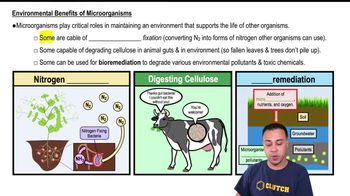
  • Environmental Benefits of Microorganisms
    04:27
  • Importance of Microorganisms
    01:25
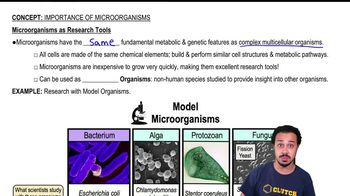
  • Microorganisms as Research Tools
    03:48

Symbiotic Relationships

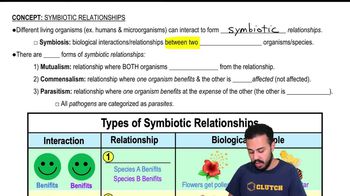
  • Symbiotic Relationships
    05:59

Characteristics of Infectious Disease

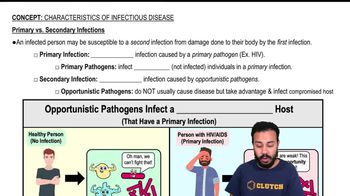
  • Primary vs. Secondary Infections
    04:16
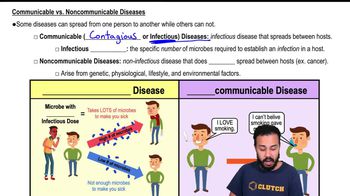
  • Communicable vs. Noncommunicable Diseases
    04:57
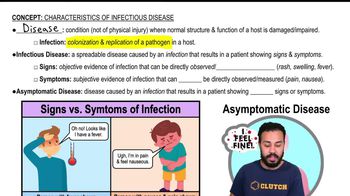
  • Intro to Characteristics of Infectious Disease
    05:09

Introduction to Pathogenic Toxins

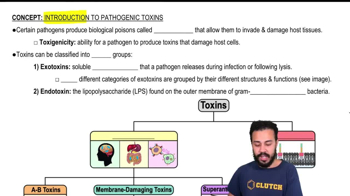
  • Introduction to Pathogenic Toxins
    03:40

Biofilms

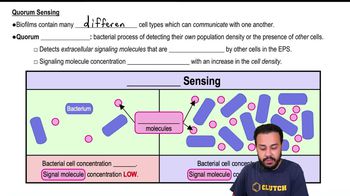
  • Quorum Sensing
    04:13
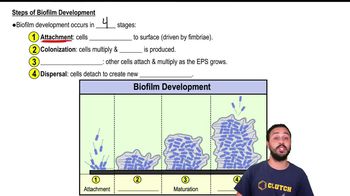
  • Steps of Biofilm Development
    04:32
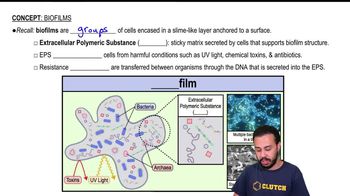
  • Biofilms
    03:14

Introduction to Controlling Microbial Growth

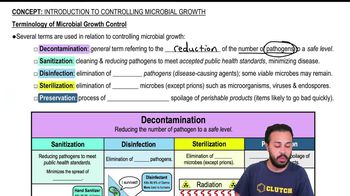
  • Terminology of Microbial Growth Control
    07:36
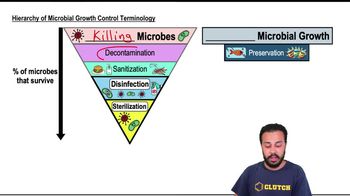
  • Hierarchy of Microbial Growth Control Terminology
    03:09
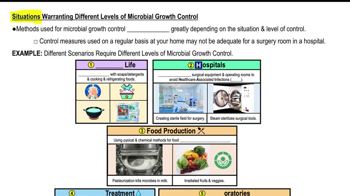
  • Situations Warranting Different Levels of Microbial Growth Control
    05:58

Introduction to Immunity

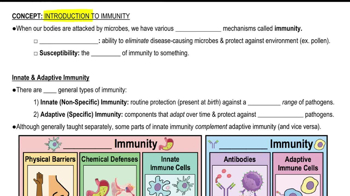
  • Innate vs. Adaptive Immunity
    05:52
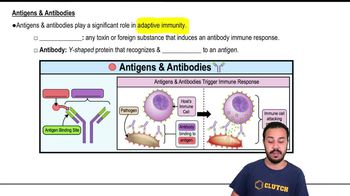
  • Antigens & Antibodies
    02:58

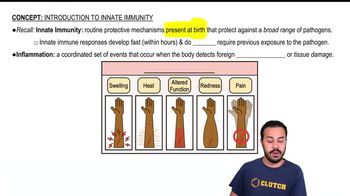
Introduction to Innate Immunity

  • Introduction to Innate Immunity
    02:30
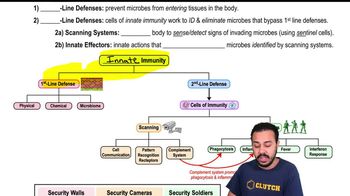
  • Map of Lesson on Innate Immunity
    06:42

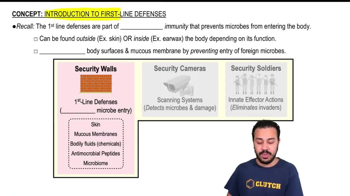
Introduction to First-Line Defenses

  • Introduction to First-Line Defenses
    01:56
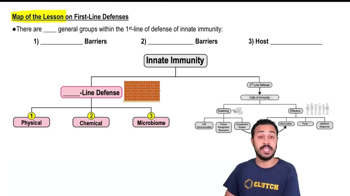
  • Map of the Lesson on First-Line Defenses
    01:37

Physical Barriers in First-Line Defenses: Skin

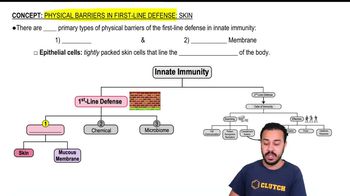
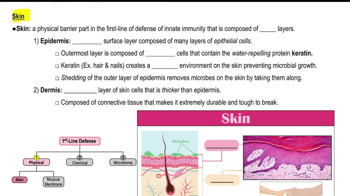
  • Physical Barriers in First-Line Defenses: Skin
    01:28
  • Physical Barriers in First-Line Defenses: Skin
    04:08

Physical Barriers in First-Line Defenses: Mucous Membrane

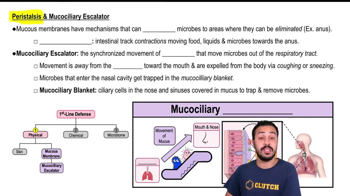
  • Peristalsis & Mucociliary Escalator
    04:16
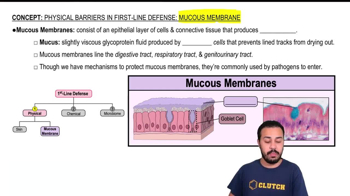
  • Mucous Membranes
    02:34

First-Line Defenses: Chemical Barriers

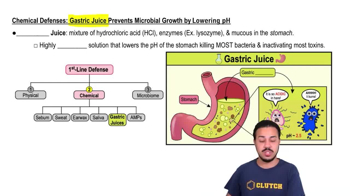
  • Chemical Defenses: Gastric Juice Prevents Microbial Growth by Lowering pH
    02:07
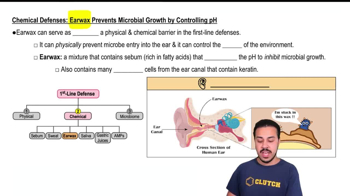
  • Chemical Defenses: Earwax Prevents Microbial Growth by Controlling pH
    02:18
  • Chemical Defenses: Sweat Glands Prevent Microbial Growth by Perspiration
    02:04

First-Line Defenses: Normal Microbiota

  • Normal Microbiota
    03:43

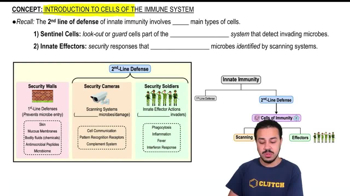
Introduction to Cells of the Immune System

  • Introduction to Cells of the Immune System
    03:27
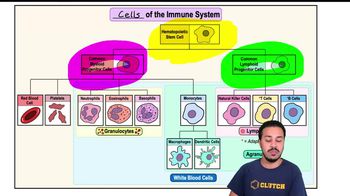
  • Map of the Lesson on Cells of the Immune System
    06:08
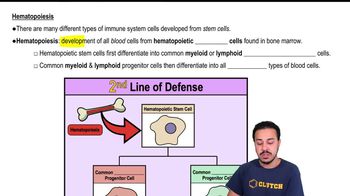
  • Hematopoiesis
    02:33

Cells of the Immune System: Granulocytes

  • Granulocytes
    03:32
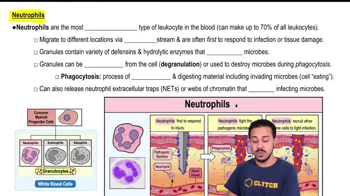
  • Neutrophils
    05:32
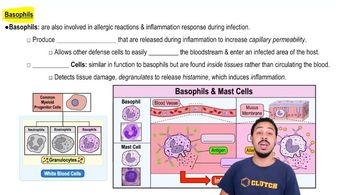
  • Basophils
    03:23

Cells of the Immune System: Agranulocytes

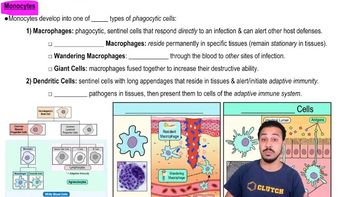
  • Monocytes
    07:16
  • Introduction to Lymphocytes
    03:51
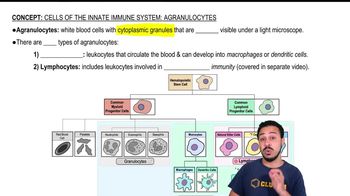
  • Agranulocytes
    03:43

Introduction to Cell Communication

  • Introduction to Cell Communication
    02:59

Cell Communication: Surface Receptors & Adhesion Molecules

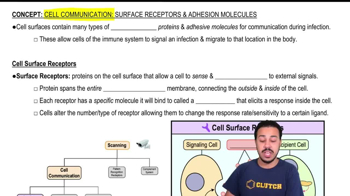
  • Cell Surface Receptors
    04:05
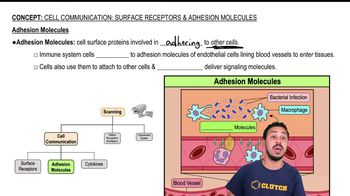
  • Adhesion Molecules
    02:58

Cell Communication: Cytokines

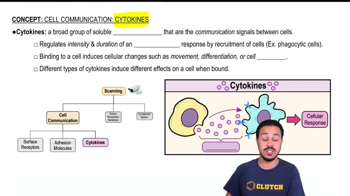
  • Cytokines
    02:59
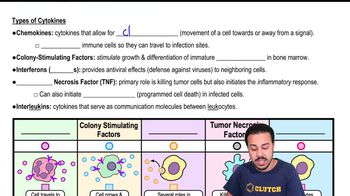
  • Types of Cytokines
    06:08
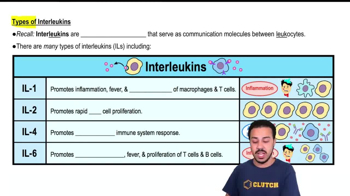
  • Types of Interleukins
    02:14

Pattern Recognition Receptors (PRRs)

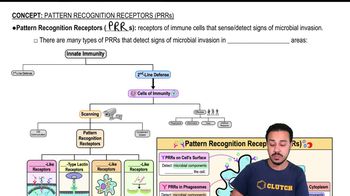
  • Pattern Recognition Receptors
    04:24
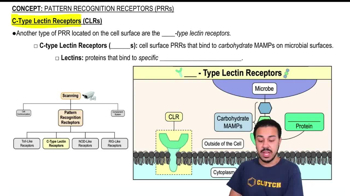
  • C-Type Lectin Receptors
    02:46
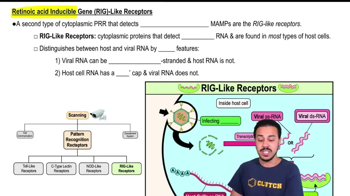
  • Retinoic acid Inducible Gene (RIG)-Like Receptors
    04:02

Introduction to the Complement System

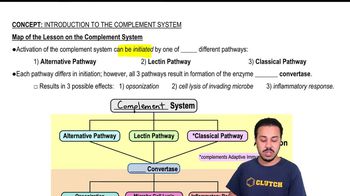
  • Map of the Lesson on the Complement System
    03:25
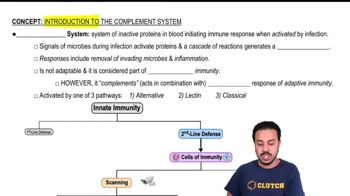
  • Introduction to the Complement System
    04:25
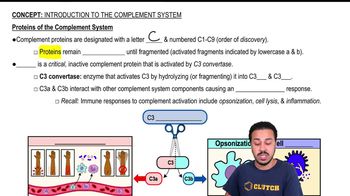
  • Proteins of the Complement System
    04:16

Activation Pathways of the Complement System

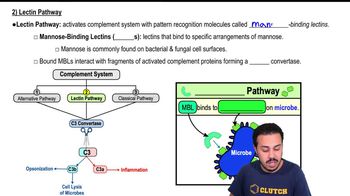
  • 2) Lectin Pathway
    03:04
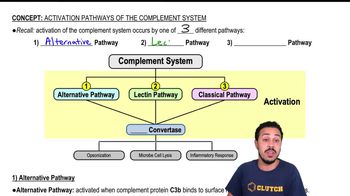
  • 1) Alternative Pathway
    04:40
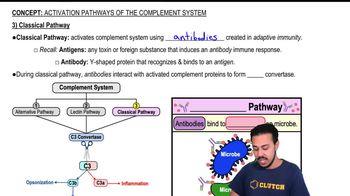
  • 3) Classical Pathway
    03:42

Effects of the Complement System

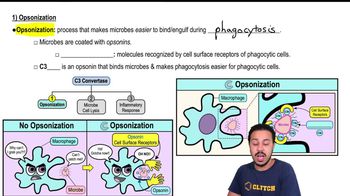
  • 1) Opsonization
    04:09
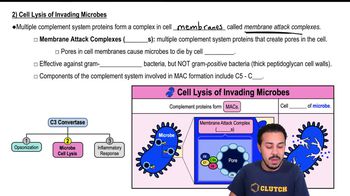
  • 2) Cell Lysis of Invading Microbes
    03:18
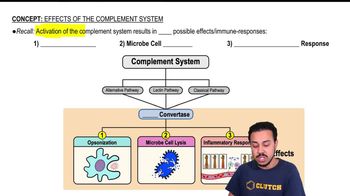
  • Effects of the Complement System
    01:32

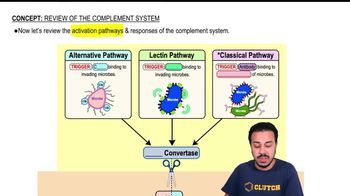
Review of the Complement System

  • Review of the Complement System
    05:15

Phagoctytosis

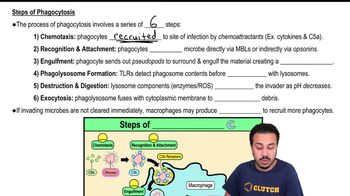
  • Steps of Phagocytosis
    08:57
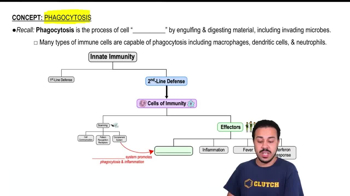
  • Phagoctytosis
    02:19

Introduction to Inflammation

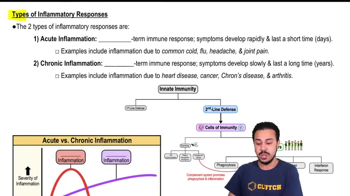
  • Types of Inflammatory Responses
    02:52
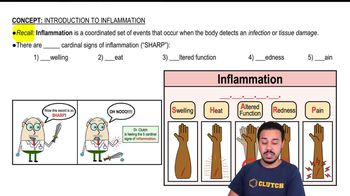
  • Introduction to Inflammation
    01:38
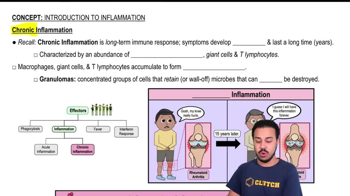
  • Chronic Inflammation
    03:09

Steps of the Inflammatory Response

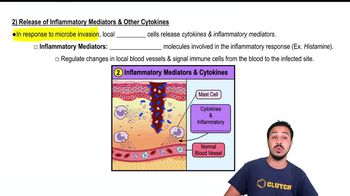
  • 2) Release of Inflammatory Mediators & Other Cytokines
    02:15
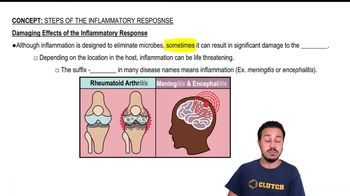
  • Damaging Effects of the Inflammatory Response
    02:10
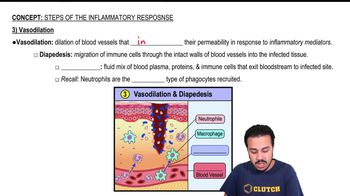
  • 3) Vasodilation
    02:39

Fever

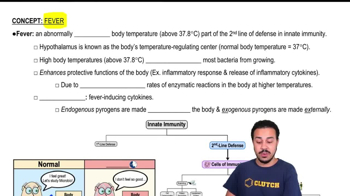
  • Fever
    03:57

Interferon Response

  • Interferon Response
    01:32
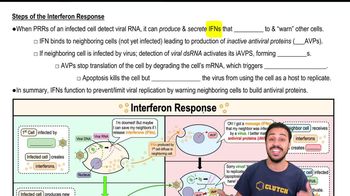
  • Steps of the Interferon Response
    09:59

Introduction to Adaptive Immunity

  • Overview of Adaptive Immunity
    04:57
  • Primary vs. Secondary Lymphoid Organs
    04:58
  • Introduction to Adaptive Immunity
    05:47

The Human Microbiome

  • The Human Microbiome
    03:25
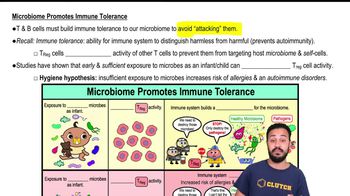
  • Microbiome Promotes Immune Tolerance
    05:48
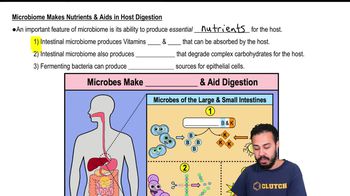
  • Microbiome Makes Nutrients & Aids in Host Digestion
    03:26

Introduction to Epidemiology

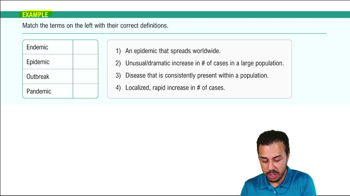
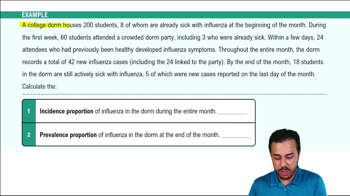
  • Introduction to Epidemiology Example 1
    01:48
  • Introduction to Epidemiology Example 2
    05:15
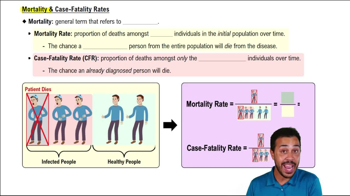
  • Mortality & Case-Fatality Rates
    02:28

Reservoirs of Infection

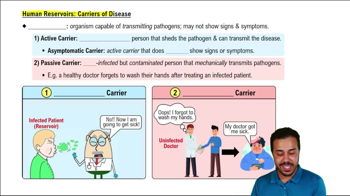
  • Human Reservoirs: Carriers of Disease
    03:12
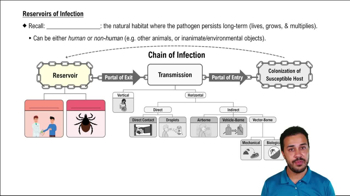
  • Reservoirs of Infection
    00:51
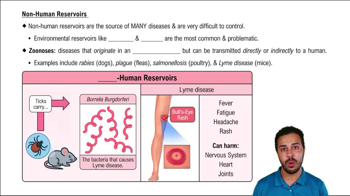
  • Non-Human Reservoirs
    02:36

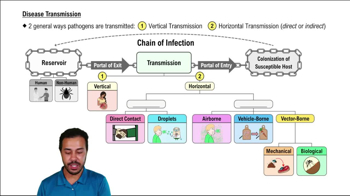
Disease Transmission

  • Disease Transmission
    01:24
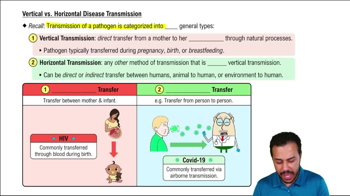
  • Vertical vs. Horizontal Disease Transmission
    02:32

Horizontal Disease Transmission

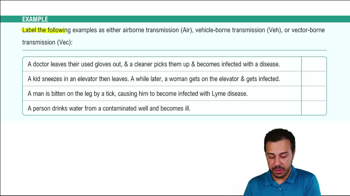
  • Horizontal Disease Transmission Example 1
    01:53
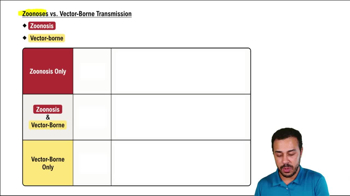
  • Zoonoses vs. Vector-Borne Transmission
    03:52
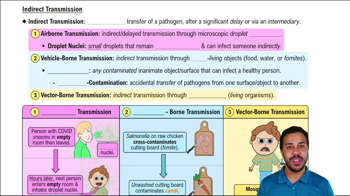
  • Indirect Transmission
    04:42

Colonization of Susceptible Host

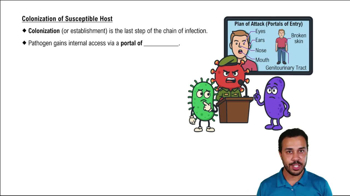
  • Colonization of Susceptible Host
    01:02
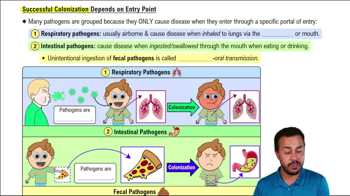
  • Successful Colonization Depends on Entry Point
    03:01

Factors Influencing Epidemiology

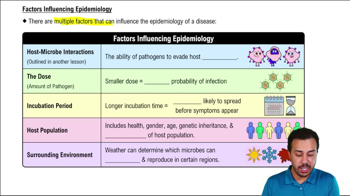
  • Factors Influencing Epidemiology
    03:26
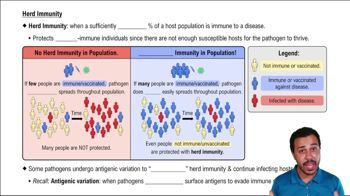
  • Herd Immunity
    04:05

Emerging Infectious Diseases

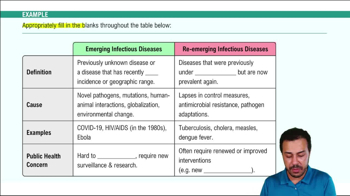
  • Emerging Infectious Diseases Example 1
    02:11
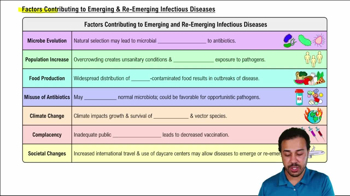
  • Factors Contributing to Emerging & Re-Emerging Infectious Diseases
    03:21
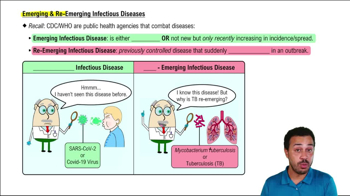
  • Emerging & Re-Emerging Infectious Diseases
    03:15

Healthcare-Associated Infections

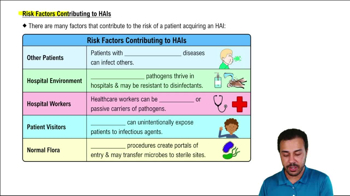
  • Risk Factors Contributing to HAIs
    02:45
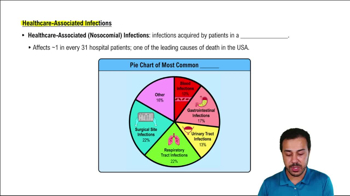
  • Healthcare-Associated Infections
    01:33
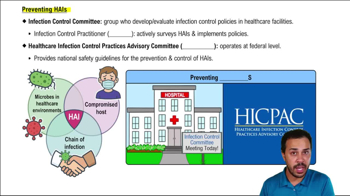
  • Preventing HAIs
    01:59

Epidemiological Studies

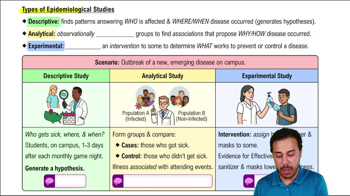
  • Types of Epidemiological Studies
    05:00