Indietro

Microbiology Study Guide: DNA Replication, Viruses, and Pathogenicity Mechanisms

Guida di studio - Impara con i video

Lezioni curate abbinate al materiale che hai caricato – impara ogni argomento passo dopo passo.

Introduction to DNA Replication

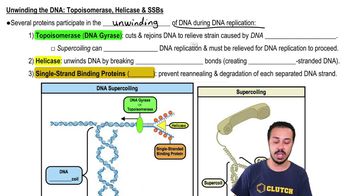
  • Unwinding the DNA:Topoisomerase, Helicase & SSBs
    05:10
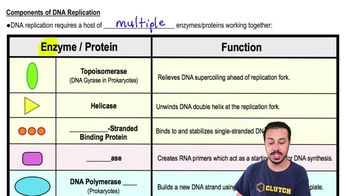
  • Components of DNA Replication
    04:47
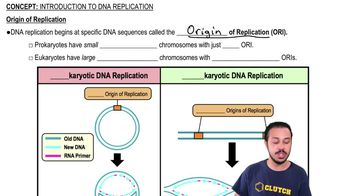
  • Origin of Replication
    03:33

Leading & Lagging DNA Strands

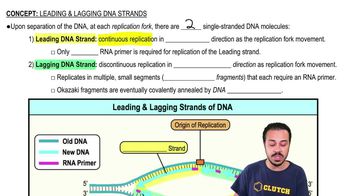
  • Leading & Lagging DNA Strands
    05:15

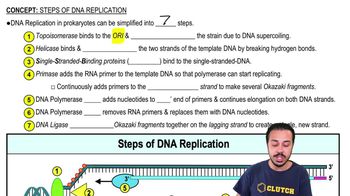
Steps of DNA Replication

  • Steps of DNA Replication
    09:29

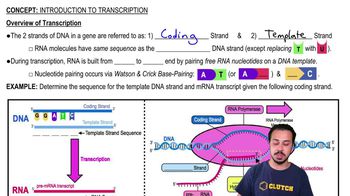
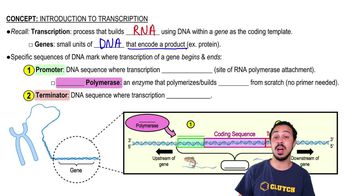
Introduction to Transcription

  • Overview of Transcription
    07:44
  • Introduction to Transcription
    05:51

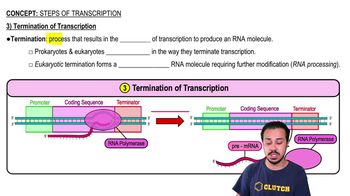
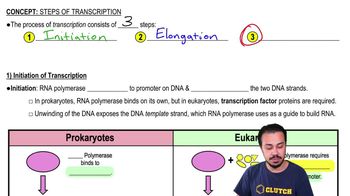
Steps of Transcription

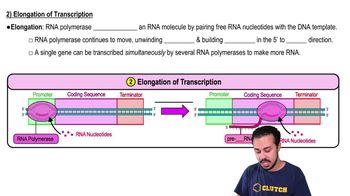
  • Elongation of Transcription
    02:44
  • Initiation of Transcription
    04:16
  • Elongation of Transcription
    04:01

Introduction to Translation

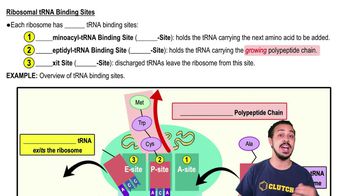
  • Ribosomal tRNA Binding Sites
    06:16
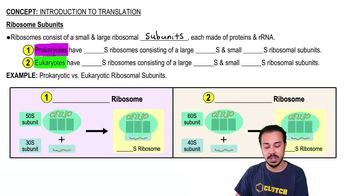
  • Ribosome Subunits
    08:42
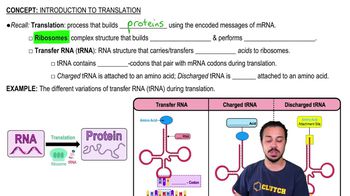
  • Introduction to Translation
    06:12

Steps of Translation

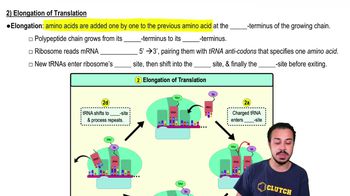
  • Elongation of Translation
    04:59
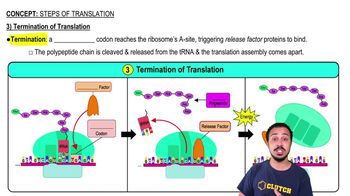
  • Termination of Translation
    02:16
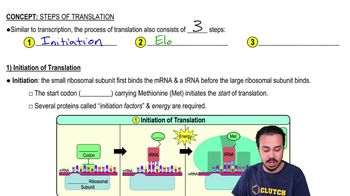
  • Steps of Translation
    05:03

Introduction to Mutations

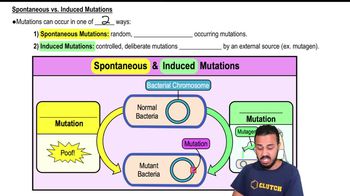
  • Spontaneous vs. Induced Mutations
    02:47
  • Introduction to Mutations
    00:37
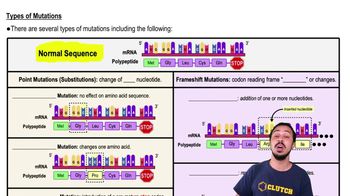
  • Types of Mutations
    08:44

Horizontal Gene Transfer

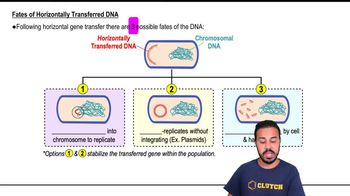
  • Fates of Horizontally Transferred DNA
    03:13
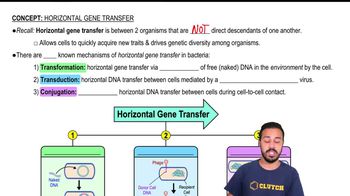
  • Horizontal Gene Transfer
    04:42
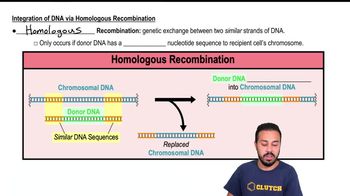
  • Integration of DNA via Homologous Recombination
    02:52

Bacterial Transformation

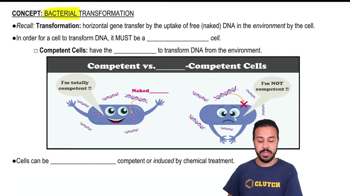
  • Bacterial Transformation
    03:06
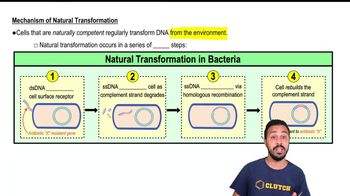
  • Mechanism of Natural Transformation
    03:49

Transduction

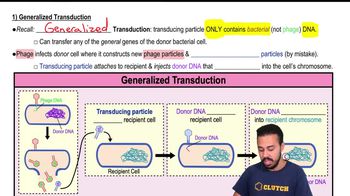
  • Generalized Transduction
    04:24
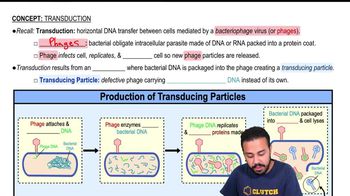
  • Transduction
    06:49
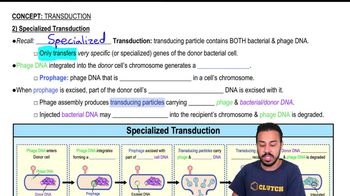
  • Specialized Transduction
    06:34

Introduction to Conjugation

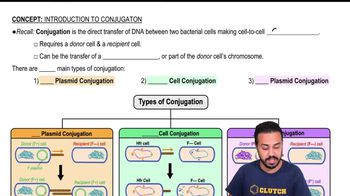
  • Introduction to Conjugation
    04:21

The Lac Operon

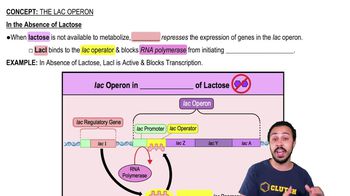
  • In the Absence of Lactose
    04:34
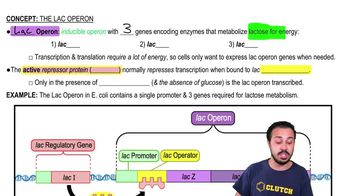
  • The Lac Operon
    07:06
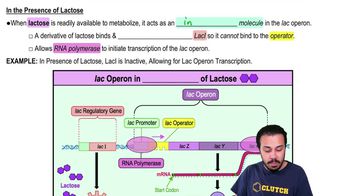
  • In the Presence of Lactose
    03:56

The Trp Operon

  • In the Presence of Tryptophan
    03:11
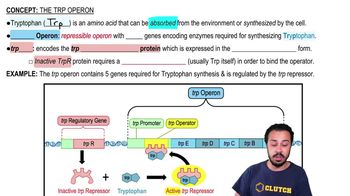
  • The Trp Operon
    05:30
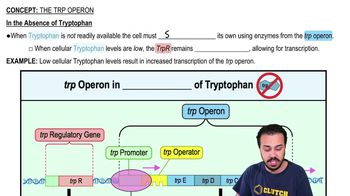
  • In the Absence of Tryptophan
    03:42

Review of the Lac Operon & Trp Operon

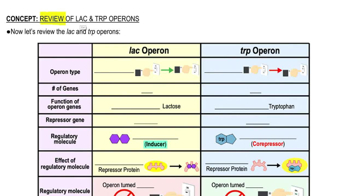
  • Review of the Lac Operon & Trp Operon
    06:24

Introduction to Viruses

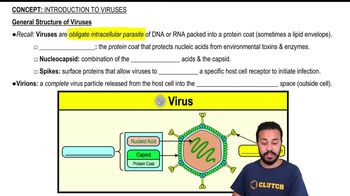
  • General Structure of Viruses
    04:47
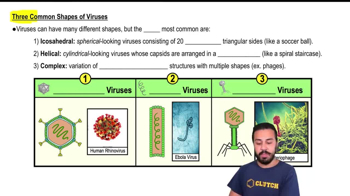
  • Three Common Shapes of Viruses
    03:19
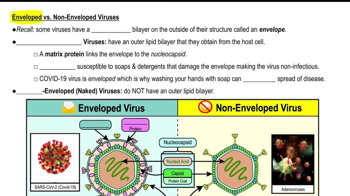
  • Enveloped vs. Non-Enveloped Viruses
    05:09

Introduction to Viruses

  • General Structure of Viruses
    04:47
  • Three Common Shapes of Viruses
    03:19
  • Enveloped vs. Non-Enveloped Viruses
    05:09

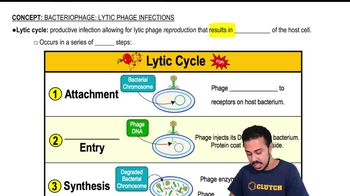
Bacteriophage: Lytic Phage Infections

  • Bacteriophage: Lytic Phage Infections
    04:58

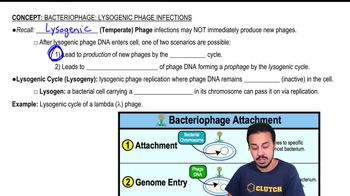
Bacteriophage: Lysogenic Phage Infections

  • Bacteriophage: Lysogenic Phage Infections
    05:27
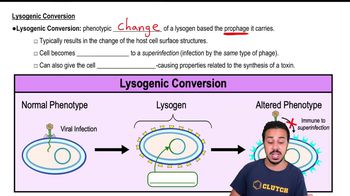
  • Lysogenic Conversion
    03:37

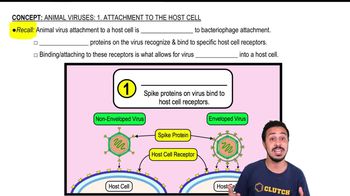
Animal Viruses: 1. Attachment to the Host Cell

  • Animal Viruses: 1. Attachment to the Host Cell
    03:12

Animal Viruses: 2. Entry & Uncoating in the Host Cell

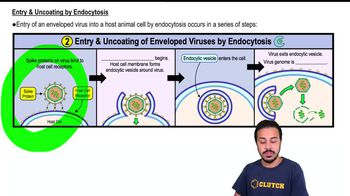
  • Entry & Uncoating by Endocytosis
    02:29
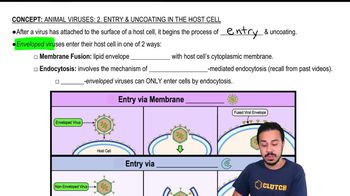
  • Animal Viruses: 2. Entry & Uncoating in the Host Cell
    04:29
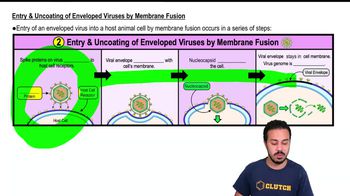
  • Entry & Uncoating of Enveloped Viruses by Membrane Fusion
    02:59

Animal Viruses: 3. Synthesis & Replication

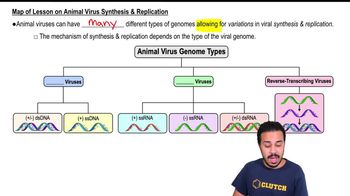
  • Map of Lesson on Animal Virus Synthesis & Replication
    03:34
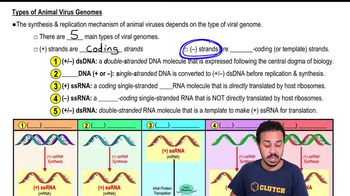
  • Types of RNA Virus Genomes
    10:46
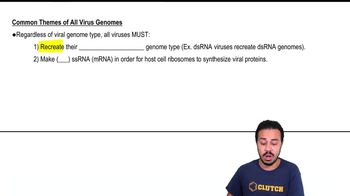
  • Common Themes of All Virus Genomes
    02:58

Animal Viruses: Reverse-Transcribing Virus Synthesis & Replication

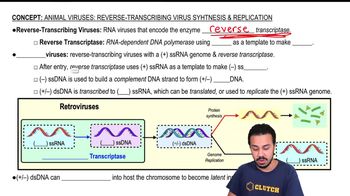
  • Animal Viruses: Reverse-Transcribing Virus Synthesis & Replication
    04:28

Animal Viruses: 4. Assembly Inside Host Cell

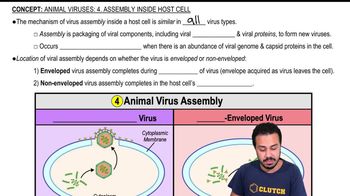
  • Animal Viruses: 4. Assembly Inside Host Cell
    04:26

Animal Viruses: 5. Release from Host Cell

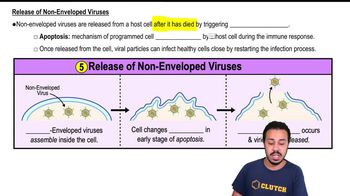
  • Release of Non-Enveloped Viruses
    02:34
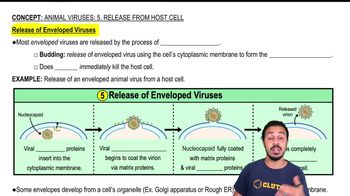
  • Release of Enveloped Viruses
    05:08

Exotoxins Cause Damage to the Host

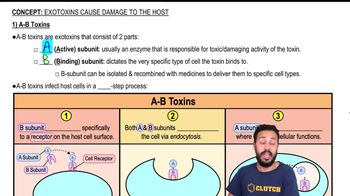
  • 1) A-B Toxins
    04:44
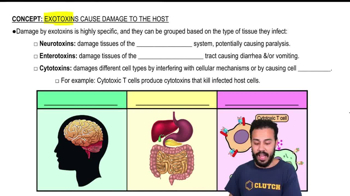
  • Types of Exotoxins
    03:30
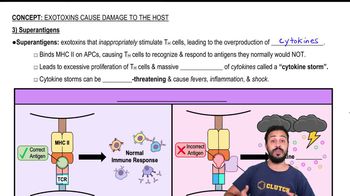
  • 3) Superantigens
    03:59

Endotoxin Causes Damage to the Host

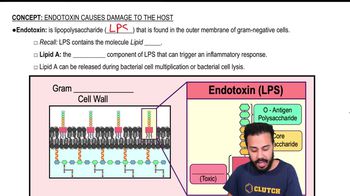
  • Endotoxin
    02:46
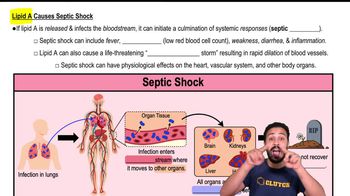
  • Lipid A Causes Septic Shock
    03:24

Exotoxins vs. Endotoxin Review

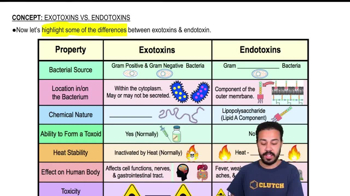
  • Exotoxins vs. Endotoxin Review
    07:22

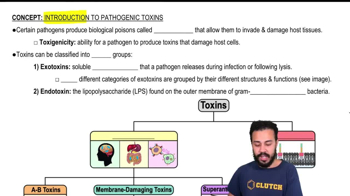
Introduction to Pathogenic Toxins

  • Introduction to Pathogenic Toxins
    03:40

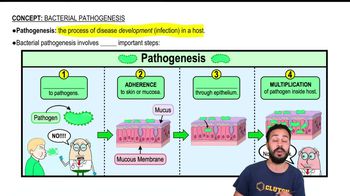
Bacterial Pathogenesis

  • Intro to Bacterial Pathogenesis
    02:35
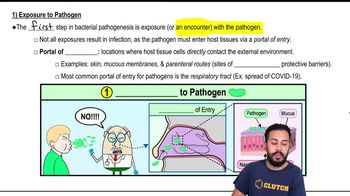
  • 1) Exposure to Pathogen
    03:27
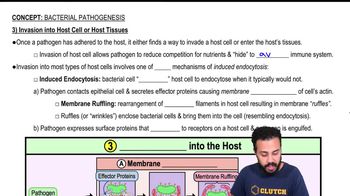
  • 3) Invasion into Host Tissues
    05:38

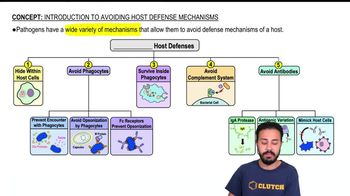
Introduction to Avoiding Host Defense Mechanisms

  • Introduction to Avoiding Host Defense Mechanisms
    01:59

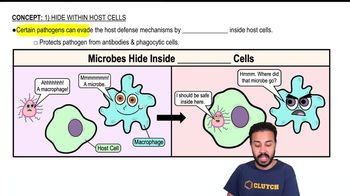
1) Hide Within Host Cells

  • Hide Within Host Cells
    01:50

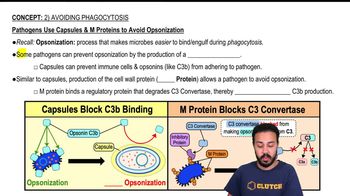
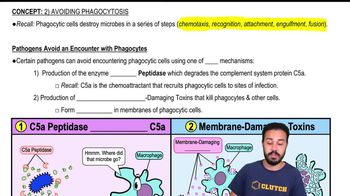
2) Avoiding Phagocytosis

  • Pathogen Use Capsules & M Proteins to Avoid Opsonization
    05:25
  • Pathogens Avoid Encounter with Phagocytes
    05:13
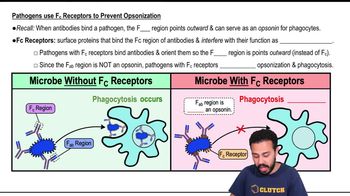
  • Pathogens Use Fc Receptors to Prevent Opsonization
    03:48

3) Surviving Inside Phagocytic Cells

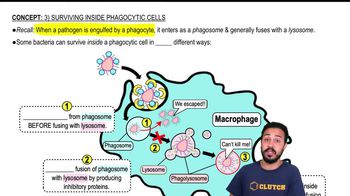
  • Surviving Inside Phagocytic Cells
    04:18

4) Avoiding Complement System

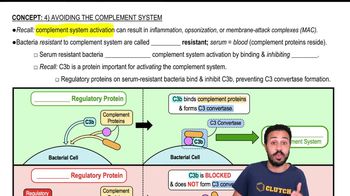
  • Avoiding Complement System
    04:53

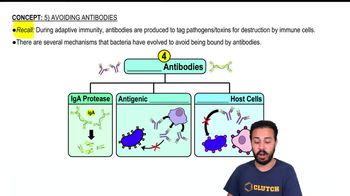
5) Avoiding Antibodies

  • Bacteria Avoid Antibodies by Producing IgA Proteases
    02:59
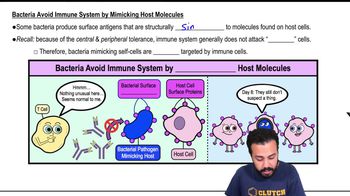
  • Bacteria Avoid Immune System by Mimicking Host Molecules
    03:11
  • Intro to Avoiding Antibodies
    01:35